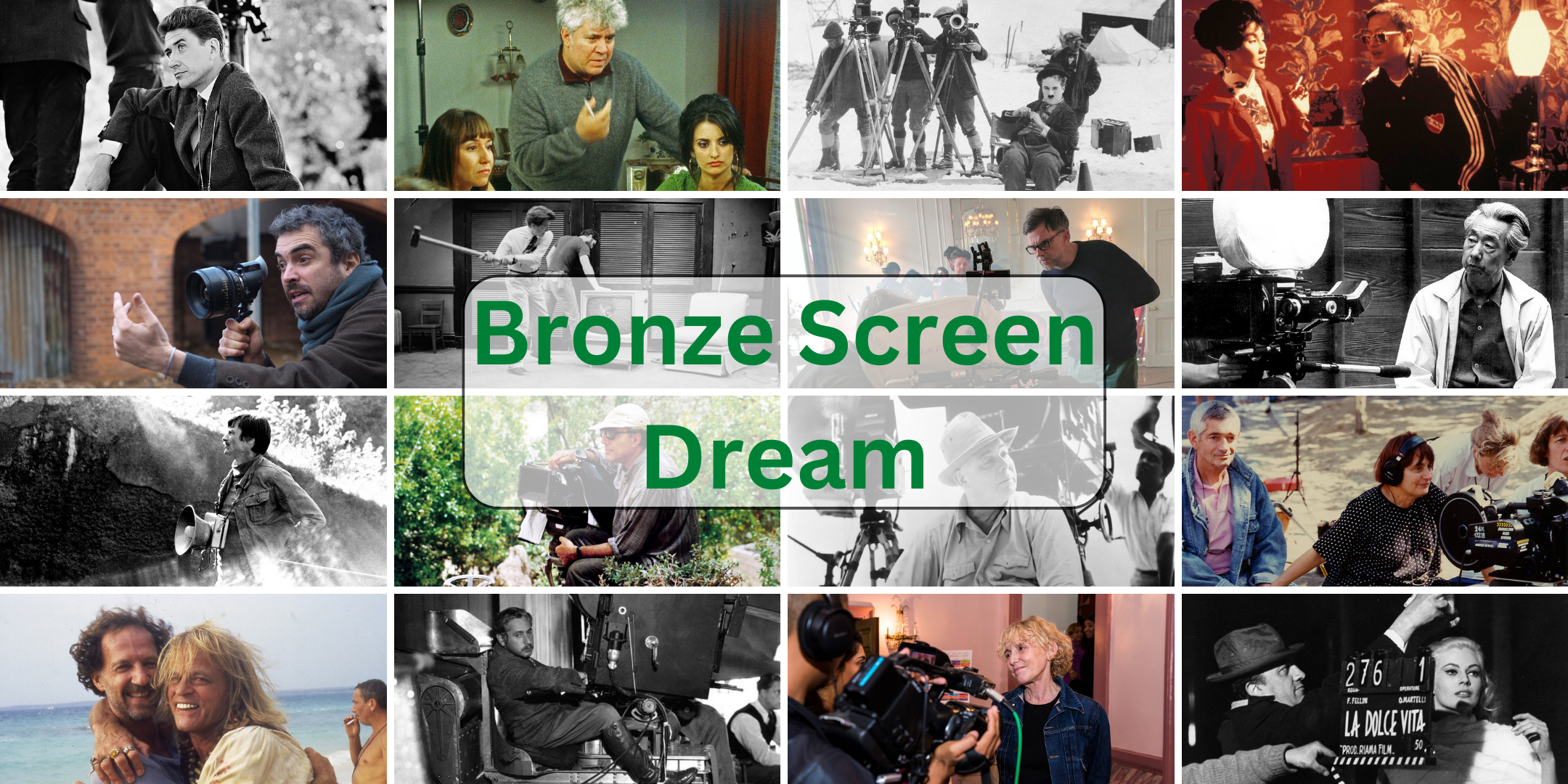
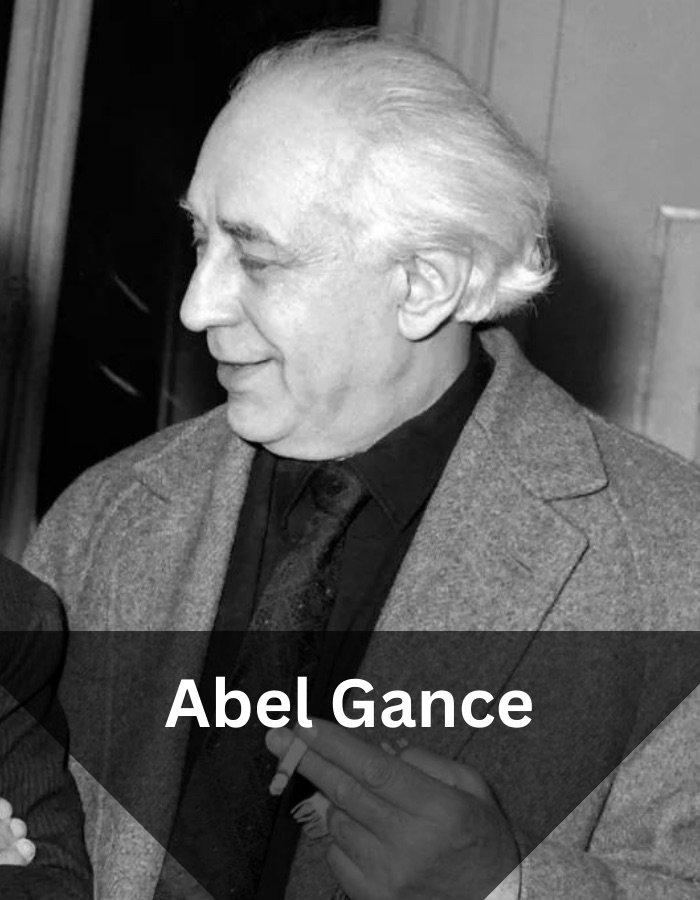
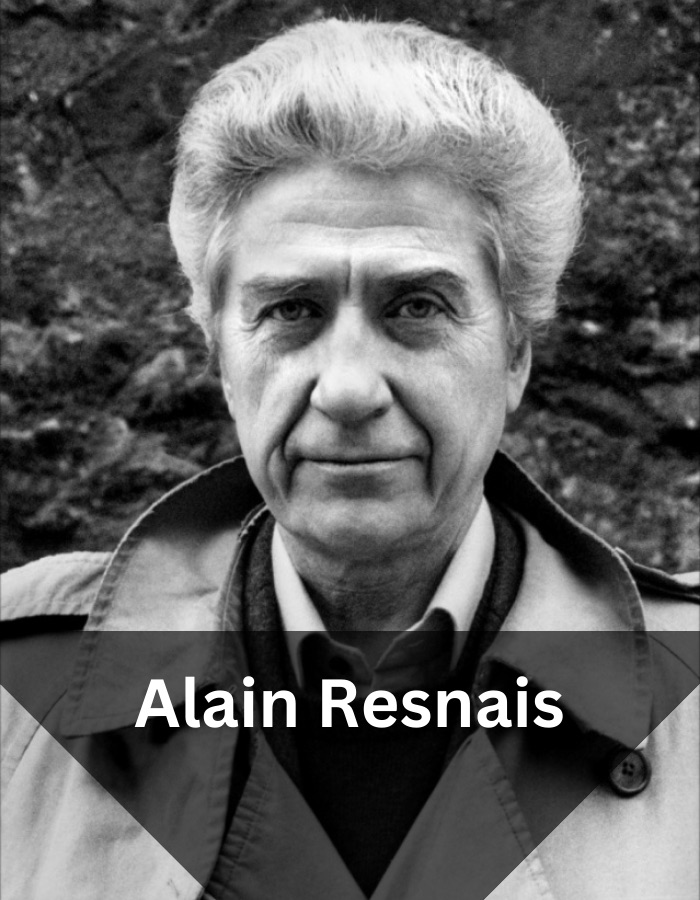
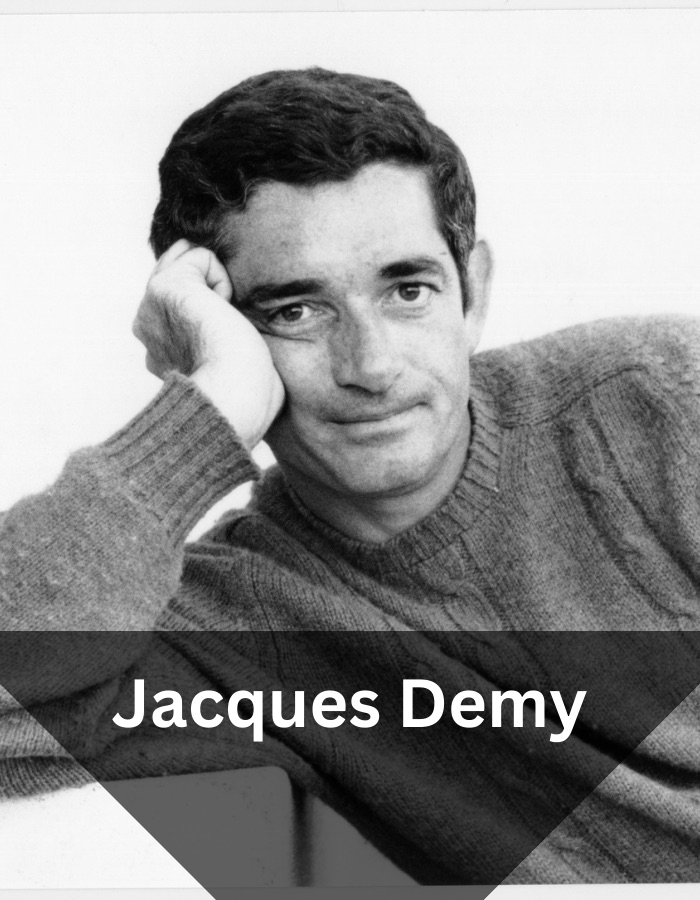
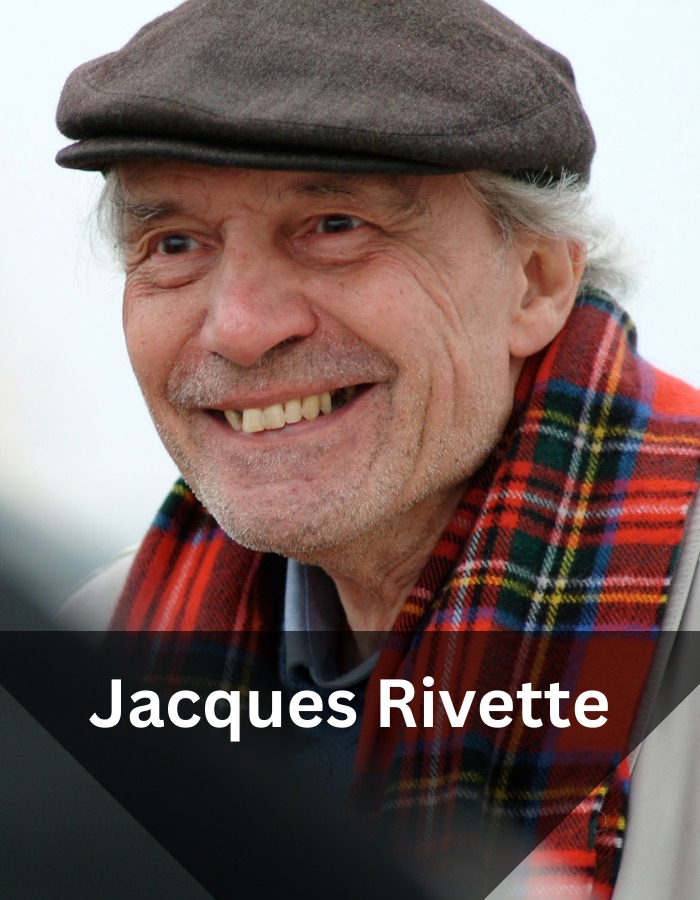
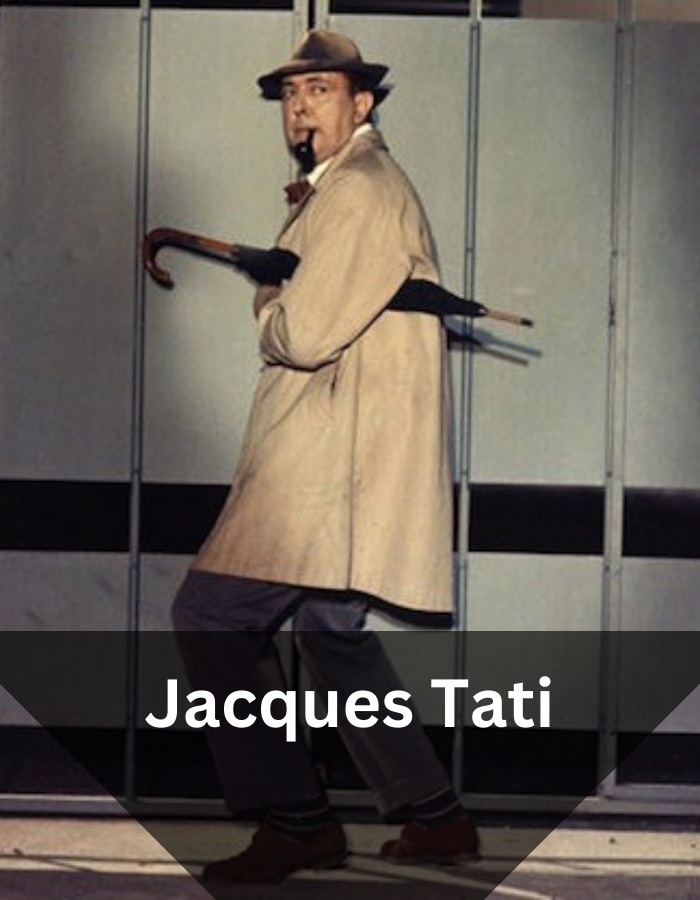
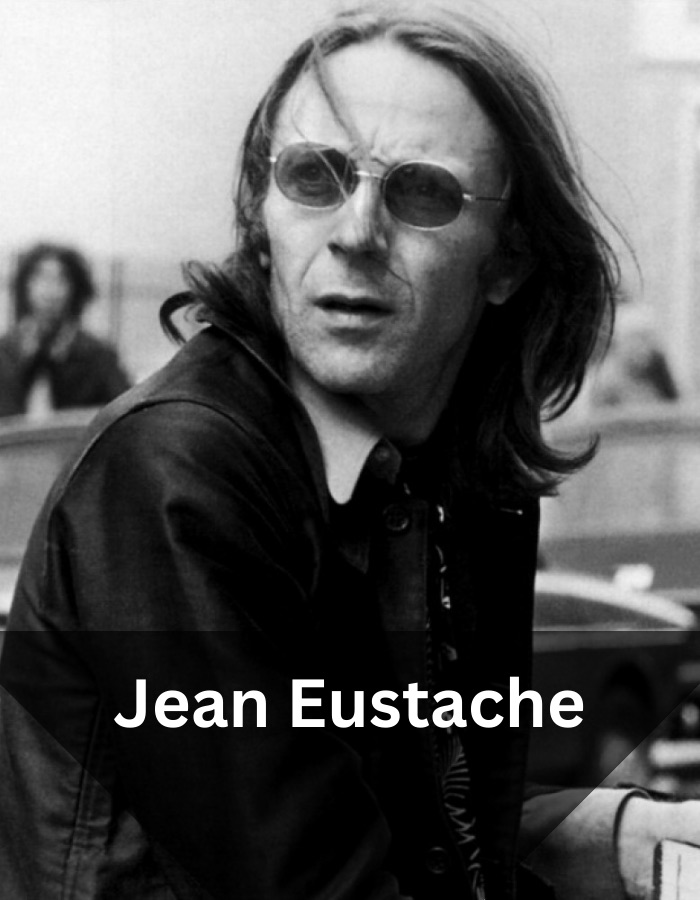
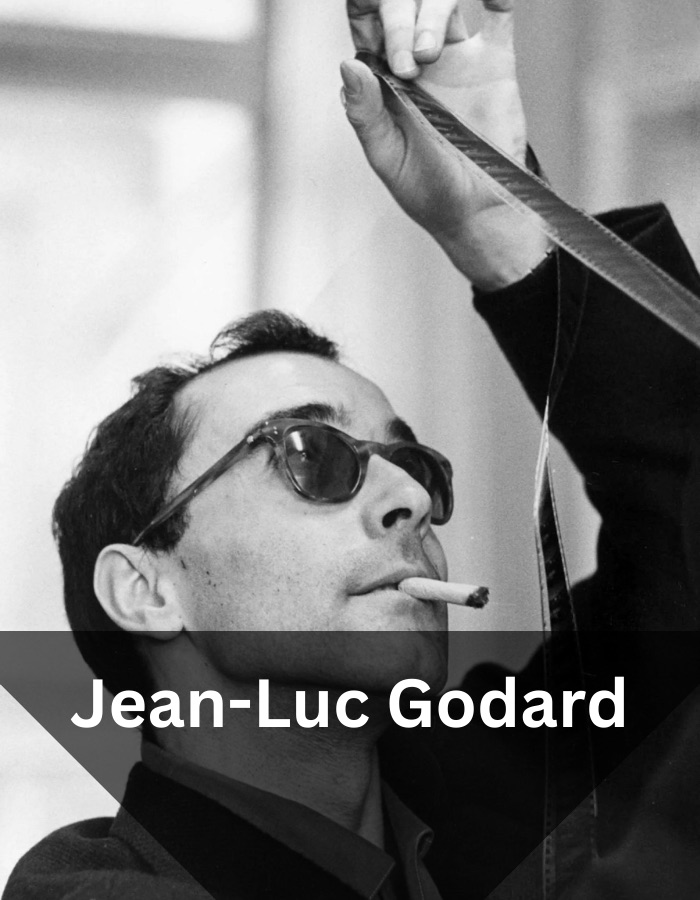
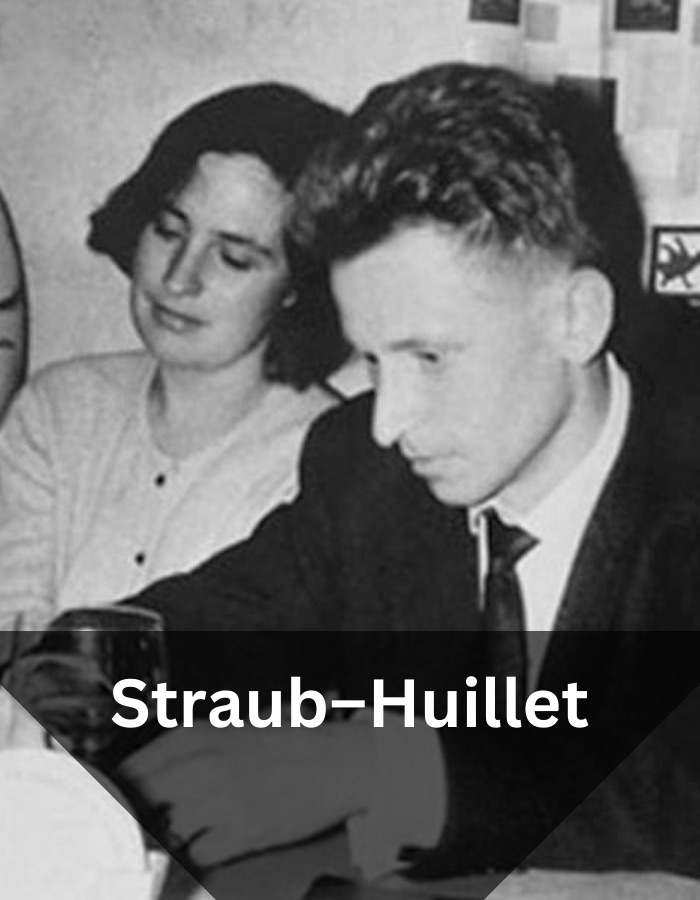
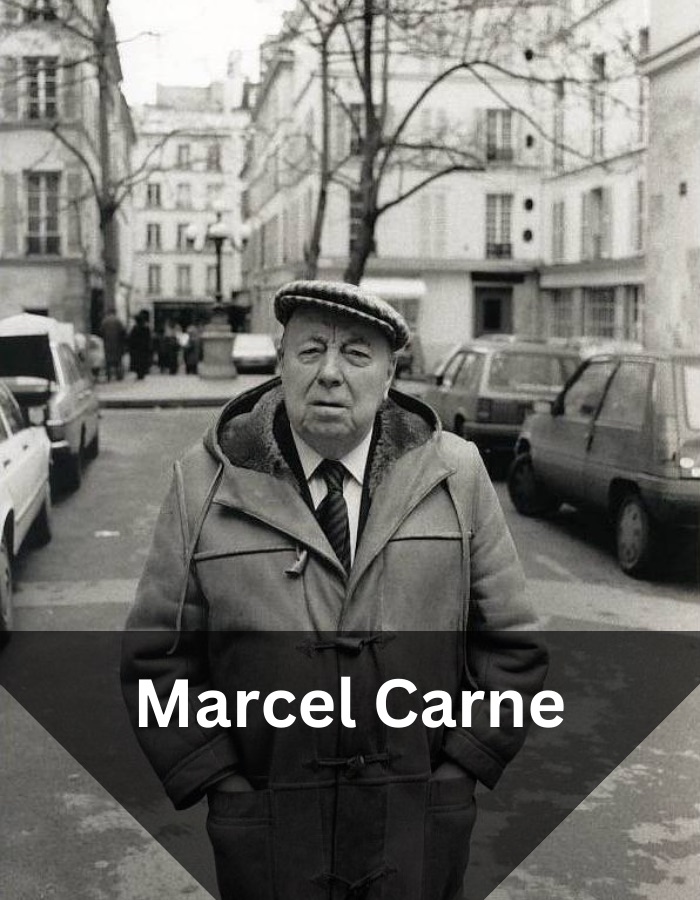
Below are some of the best French directors ever. Click on their pictures to discover more about them.









A Brief History of the Auteur Theory
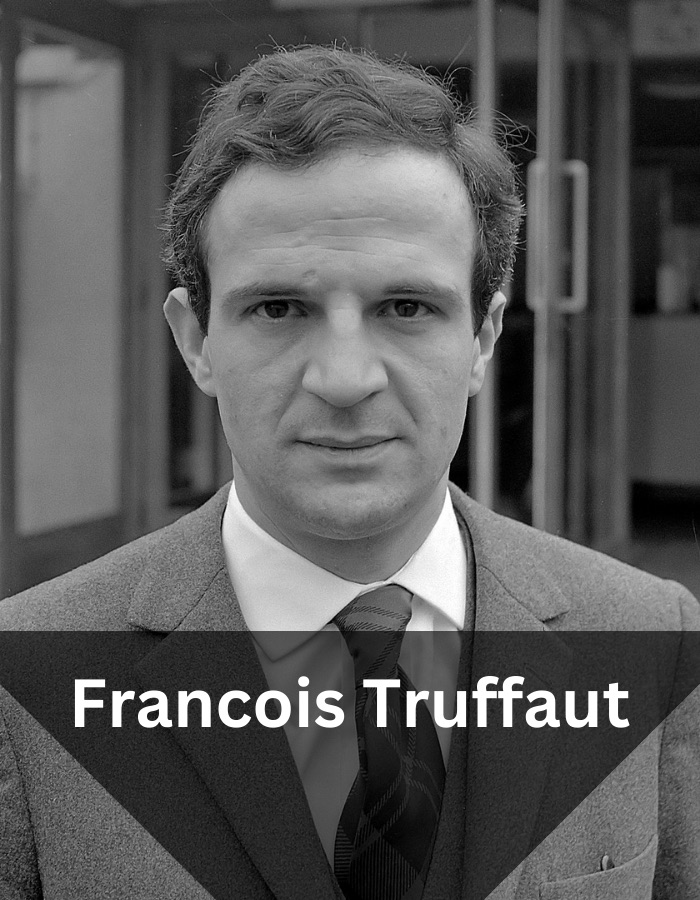
The Auteur Theory, a concept pivotal to the understanding of film studies, finds its origins in the French film criticism of the 1940s and 1950s. This theory was primarily developed by the critics at the influential French film magazine “Cahiers du Cinéma”, notably André Bazin, François Truffaut, and Jean-Luc Godard. The essence of the Auteur Theory is the elevation of the film director as the “author” of a movie, with the notion that a director’s films express their personal vision and preoccupations, much like a novelist’s books. This marked a significant shift from viewing films primarily as a collaborative effort of a large crew to considering the director as the central creative force.
The Auteur Theory became instrumental in recognising the role of French directors in the evolution of cinema. François Truffaut, one of the progenitors of the theory, was also a key figure in the French New Wave movement. His 1959 film “The 400 Blows” not only exemplifies the Auteur Theory through its personal and stylistic expression but also marks a radical departure from the traditional narrative and visual style of the time, emphasising a more personal and realistic approach. Jean-Luc Godard, another pioneer of the French New Wave, brought a revolutionary approach to editing and narrative structure. His 1960 film “Breathless” is renowned for its jump cuts and unconventional storytelling, which defied classical cinematic norms.
While the Auteur Theory has been subject to criticism and debate, it has undeniably shaped the way we understand and evaluate films and their directors. The theory encouraged critics and audiences alike to appreciate films as an extension of a director’s vision, leading to a deeper appreciation of cinema as an art form.
 Bronze Screen Dream