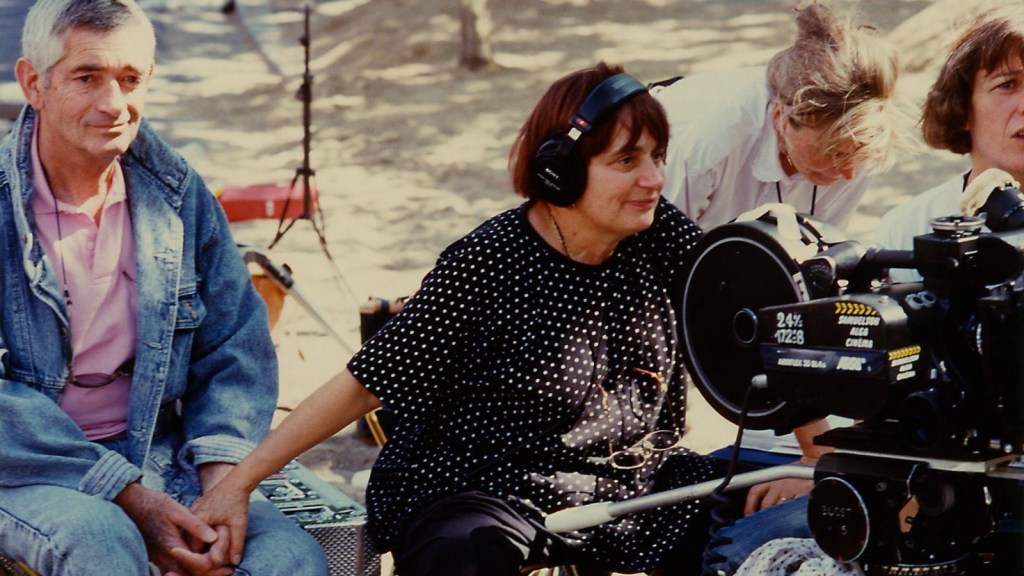
Agnès Varda started before the New Wave and outlasted most people in it. Which is one measure of her. La Pointe Courte was made in 1955, four years before The 400 Blows, on a shoestring with non-professional fishermen in Sète, and it already contains everything she would spend sixty years developing: the blending of documentary and fiction, the attention to working lives, the personal and the political in the same frame.
The word she used for her practice was cinécriture (cinema-writing), and it describes something real: a filmmaking where every choice, visual and narrative, carries the same kind of intention that a writer brings to a sentence. The camera placement, the colour, the edit, the voiceover; all of it authored rather than merely executed. Cléo from 5 to 7 is the perfect demonstration: ninety minutes in real time following a singer waiting for a cancer diagnosis, and every formal element — the mirrors, the hats, the shift from black and white to colour — is doing precise emotional and thematic work.
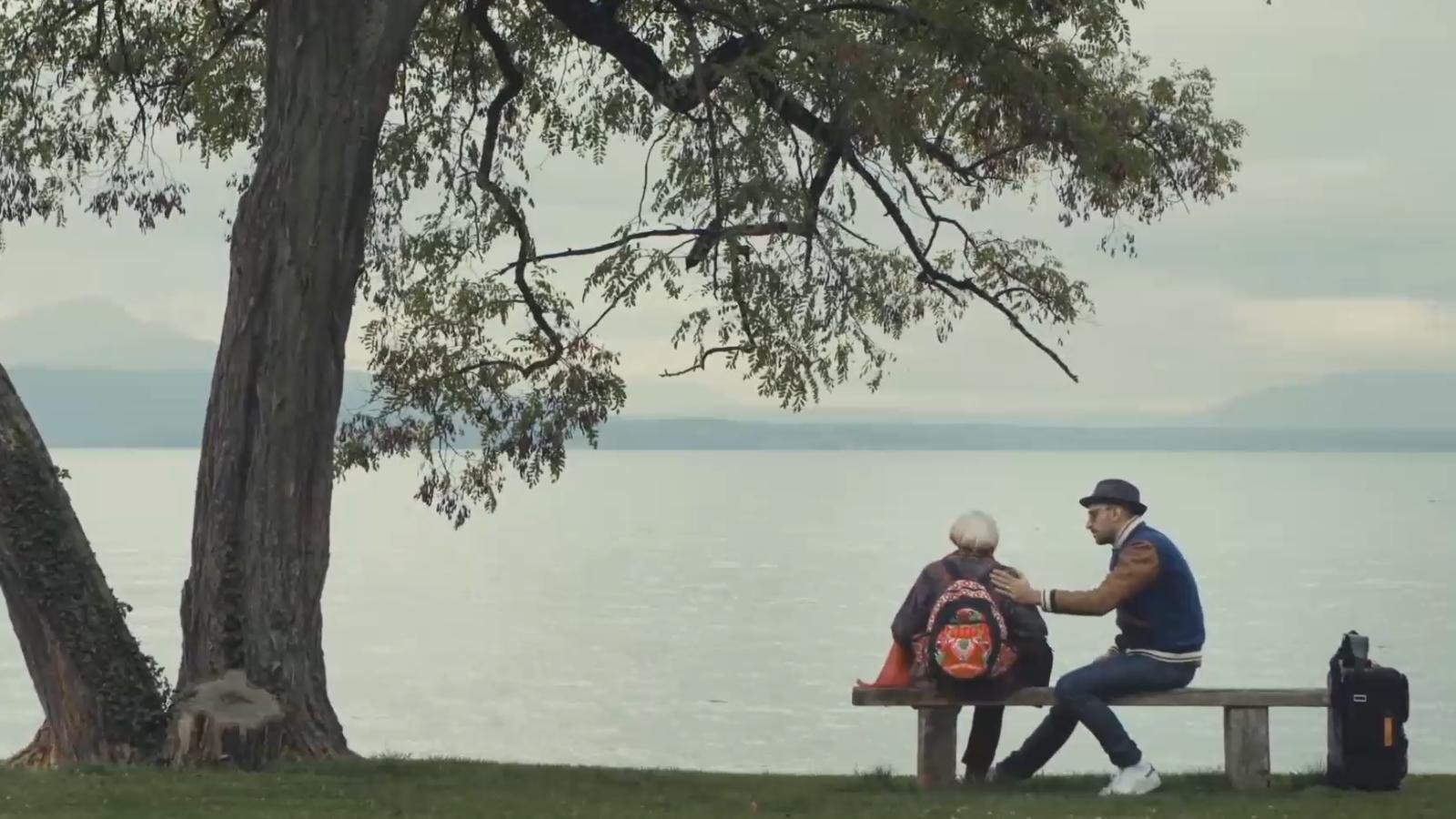
The later essay films, The Gleaners and I, The Beaches of Agnès, Faces Places, are something else again, a filmmaker in her seventies and then eighties turning the camera on herself and her own process with a playfulness and an honesty that is entirely unguarded without ever being self-indulgent. Faces Places, made with JR at eighty-eight, is one of the most purely joyful films about ageing, friendship and art ever made.
Agnes Varda (1928 – 2019)
- 1955 – La Pointe Courte
- 1958 – Diary of a Pregnant Woman
- 1958 – Du côté de la côte
- 1961 – Les Fiancés du Pont Macdonald
- 1962 – Cléo from 5 to 7
- 1963 – Salut les Cubains
- 1965 – Le Bonheur
- 1966 – Les Créatures
- 1967 – Loin du Vietnam
- 1967 – Uncle Yanco
- 1968 – Black Panthers
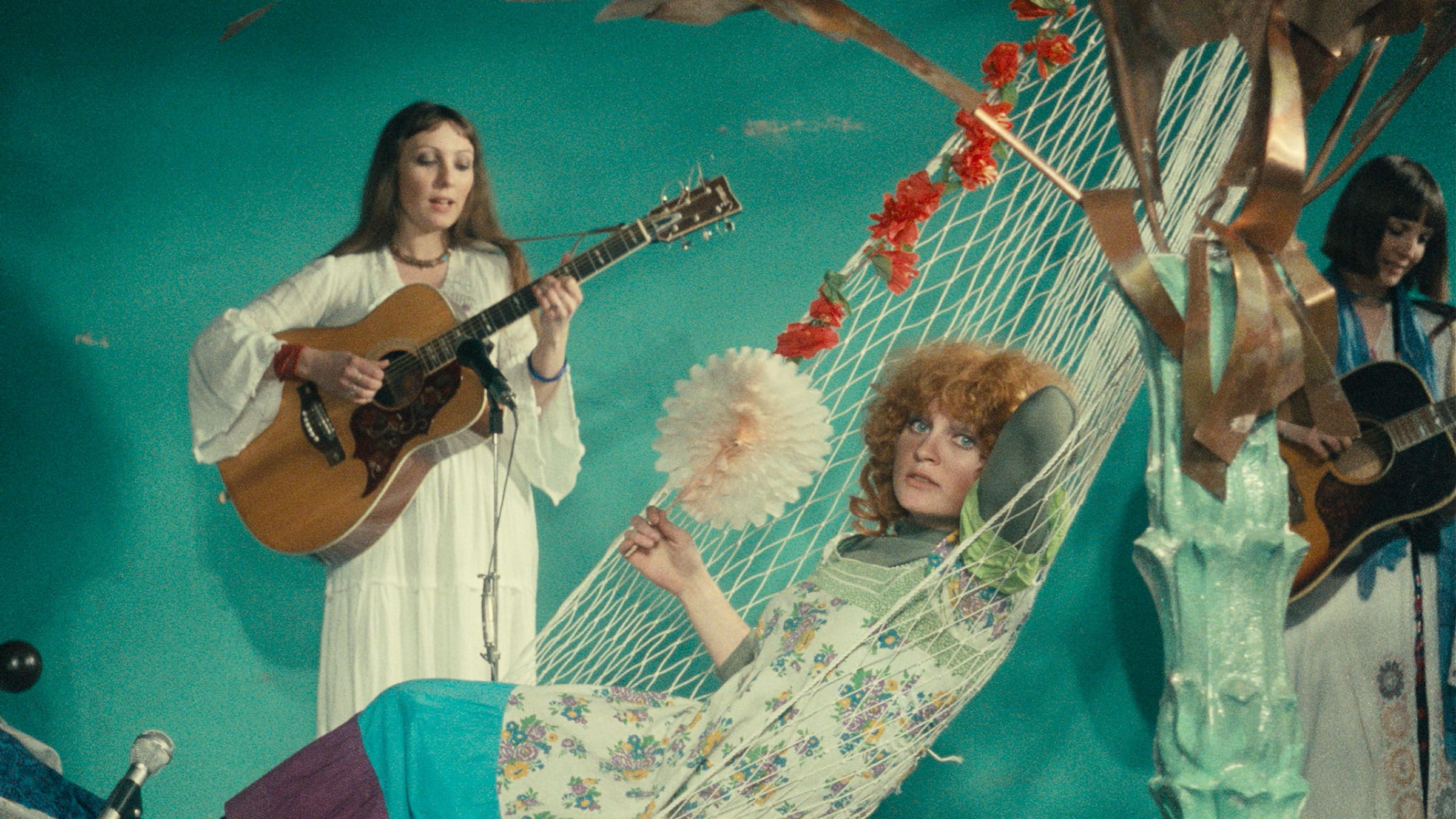
- 1969 – Lions Love
- 1975 – Daguerréotypes
- 1975 – Réponse de femmes
- 1976 – Plaisir d’amour en Iran
- 1977 – One Sings, the Other Doesn’t
- 1981 – Documenteur
- 1981 – Mur murs
- 1982 – Ulysse
- 1984 – 7 p., cuis., s. de b. . . . (à saisir)
- 1984 – The So-called Caryatids
- 1985 – Vagabond
- 1988 – Jane B. for Agnes V.
- 1988 – Kung-fu Master!
- 1991 – Jacquot de Nantes
- 1993 – The Young Girls Turn 25
- 1995 – The World of Jacques Demy
- 2000 – The Gleaners & I
- 2002 – The Gleaners & I: Two Years Later
- 2005 – Rue Daguerre en 2005
- 2008 – The Beaches of Agnès
- 2017 – Faces Places
- 2019 – Varda by Agnès
- Cinécriture: Varda’s term for her practice. It describes filmmaking where every element carries intention: the shot, the colour, the cut, the voiceover. It’s all part of the writing, and it makes every choice deliberate.
- The Political in the Personal: Varda was a feminist before it was a mainstream position, and her films never shied away from this. Yet, her politics are never lecturing. They emerge from experience rather than being imposed on it.
- Documentary and Fiction as a Single Impulse: From La Pointe Courte onward, Varda refused separation. Real fishermen and fictional couples in the same film. The gleaner and the filmmaker in the same frame, JR and Varda in Faces Places, where the documentary subject and the documentary maker are equally observed.
- The Marginalised and the Overlooked: Varda’s films constantly focus on the marginalised, on those whom the dominant culture discards or ignores. She does this with curiosity, not pity. And you can feel the difference.
- Ageing and Memory as Creative Material: The late career films are among her best, and they’re about being old; about what is lost and what remains, about the relationship between the person you were and the person you are, about art as a way of holding time still. The playfulness with which she approached her own mortality is one of the most unusual qualities in the late work of any filmmaker.
Biography
Coming soon

