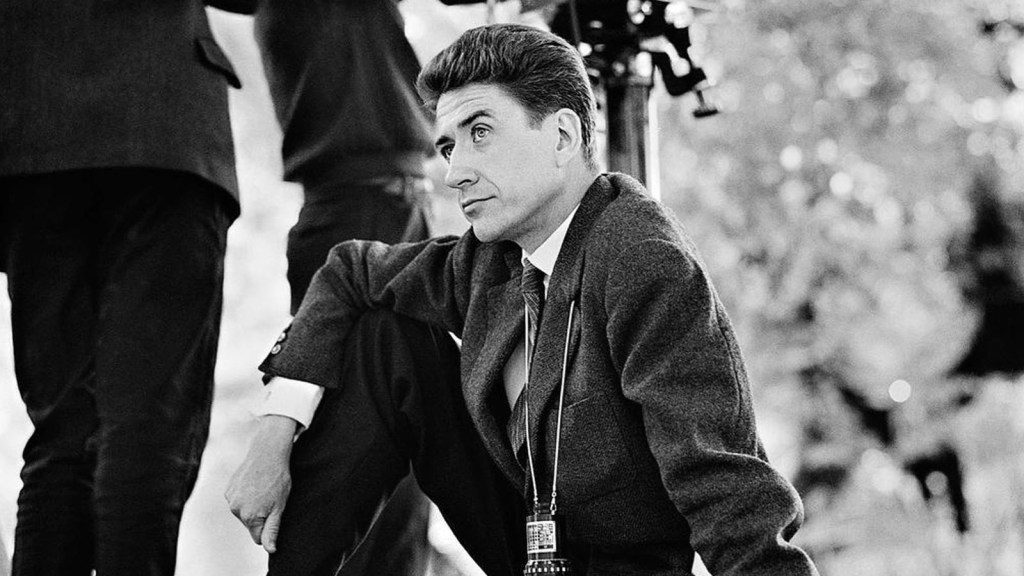
Alain Resnais began with the dead. Night and Fog, his 1956 short documentary about the Nazi concentration camps, is still one of the most devastating films ever made, and it understood in a way that few others in cinema before him had, that the past doesn’t stay past. Everything that followed in his career: The memory experiments, time puzzles, narrative labyrinths; all grow out of this central understanding that time isn’t linear.
It was Hiroshima Mon Amour in 1959 that made Resnais an internationally celebrated figure. It was his most accessible film, but even then, it had no interest in being digestible. It’s a love story structured around the impossibility of communicating trauma across different histories, a French actress and a Japanese architect whose personal and collective memories keep interrupting each other. Marguerite Duras wrote it, but Resnais’s formal precision produced something wholly his own.
His immediate follow-up, Last Year at Marienbad, went further. It’s a film that refuses to tell you what happened (If anything) and, in doing so, is the purest film ever made about the unreliability of memory, or it’s an exquisite, elaborate formal game which forces you to question your reading of the film as part of watching it. Resnais’s critical appraisal largely centres on his early features, but people often ignore just how brilliant and experimental he remained for over 50 years: Providence, Mon Oncle d’Amérique, Same Old Song, Wild Grass. He kept experimenting into his eighties, kept changing methods, kept finding new collaborators. He made You Ain’t Seen Nothin’ Yet at 89. The title wasn’t a lie.

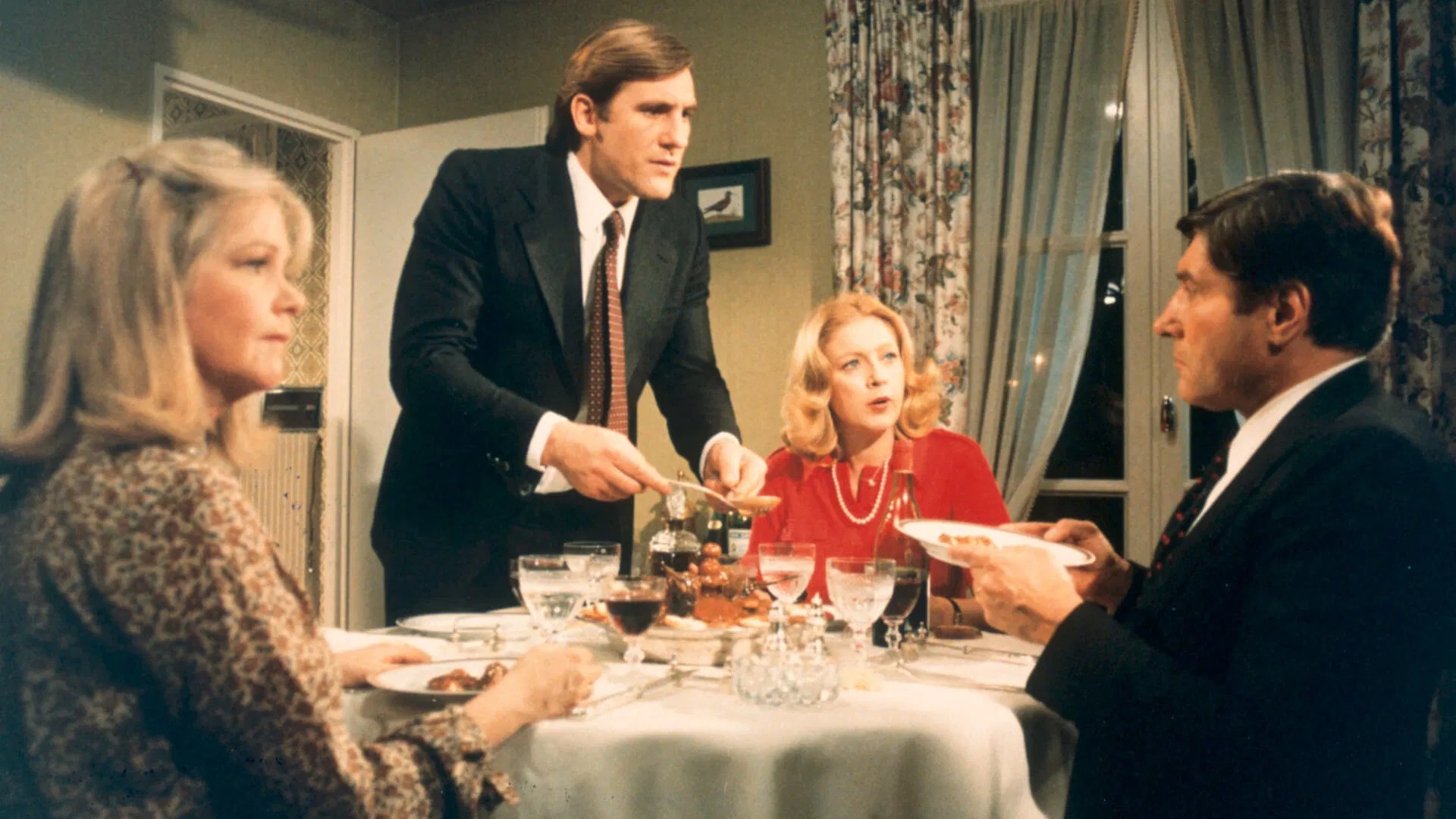
Alain Resnais (1922 – 2014)
- 1950 – Guernica
- 1953 – Statues Also Die
- 1955 – Night and Fog
- 1956 – Toute la mémoire du monde
- 1958 – Le Chant du Styrène
- 1959 – Hiroshima mon amour
- 1961 – Last Year at Marienbad
- 1963 – Muriel
- 1966 – La Guerre est finie
- 1967 – Loin du Vietnam
- 1968 – Je t’aime, je t’aime
- 1973 – The Year 01
- 1974 – Stavisky
- 1977 – Providence
- 1980 – Mon oncle d’Amérique
- 1983 – Life is a Bed of Roses
- 1984 – Love Unto Death
- 1986 – Mélo
- 1989 – I Want to Go Home
- 1993 – Smoking/No Smoking
- 1997 – Same Old Song
- 2003 – Not on the Lips
- 2006 – Private Fears in Public Places
- 2009 – Wild Grass
- 2012 – You Ain’t Seen Nothin’ Yet
- 2014 – Life of Riley
- Memory as Unreliable Narrator: The central theme of Resnais’s filmography is memory, not in recording it, but in reconstructing, distorting and dismantling it. What characters remember is never quite the same thing as what happened. And it’s that gap that Resnais’s films thrive in.
- Historical Trauma: Resnais’s films, like Hiroshima Mon Amour, are preoccupied with how historical catastrophe inhabits the present. Trauma doesn’t end; it migrates into personal relationships, surfaces unexpectedly, refuses to be mourned and finished. The past tense made present is his most fundamental gesture.
- Editing Across Time: His cuts don’t distinguish between past and present in the conventional sense. They move between memory and present experience without flashback grammar. Different times feel equally present, equally real. Resnais uses space with similar disorientation, the baroque corridors of Marienbad, the Normandy streets of Muriel, as if the geometry itself is part of the argument.
- The Long Tracking Shot: Resnais’ camera moves with unusual persistence; gliding through the baroque corridors of Marienbad, tracking along the concentration camp barracks in Night and Fog, following characters through cities. The movement creates a hypnotic dissociation, a sense of being drawn through space without quite arriving anywhere.
- Ambiguity: Resnais never explains his films. If memory is unreliable, then a film about memory should be uncertain. Ambiguity isn’t a puzzle in his films but a condition to exist in.
Biography
Coming soon

