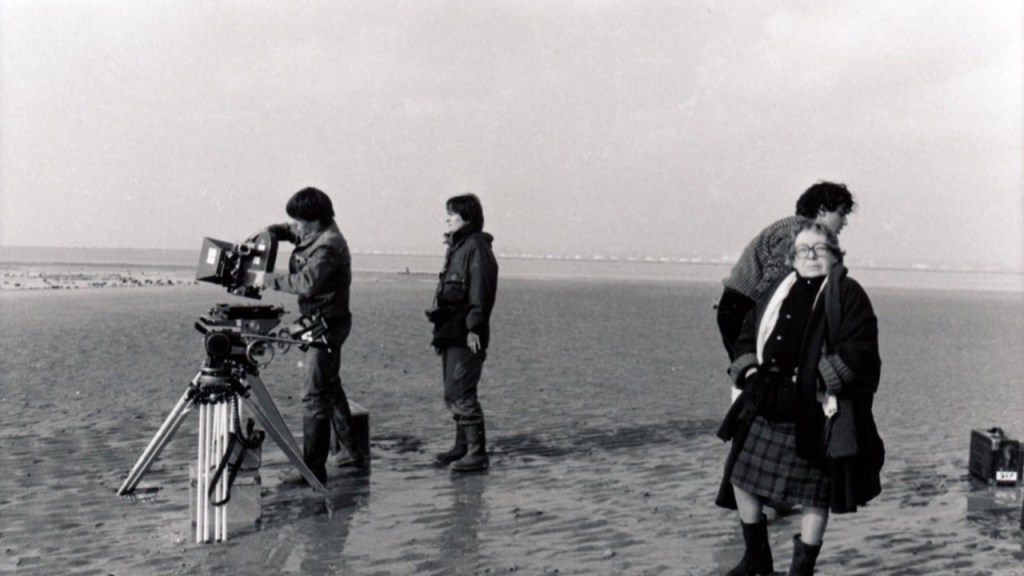
Marguerite Duras was a novelist long before she was a writer. She found cinema sideways through writing the screenplay for Resnais’ Hiroshima Mon Amour (1959), which immediately announced a new concept of what a film script could be; not a blueprint for images but a literary object in its own right.
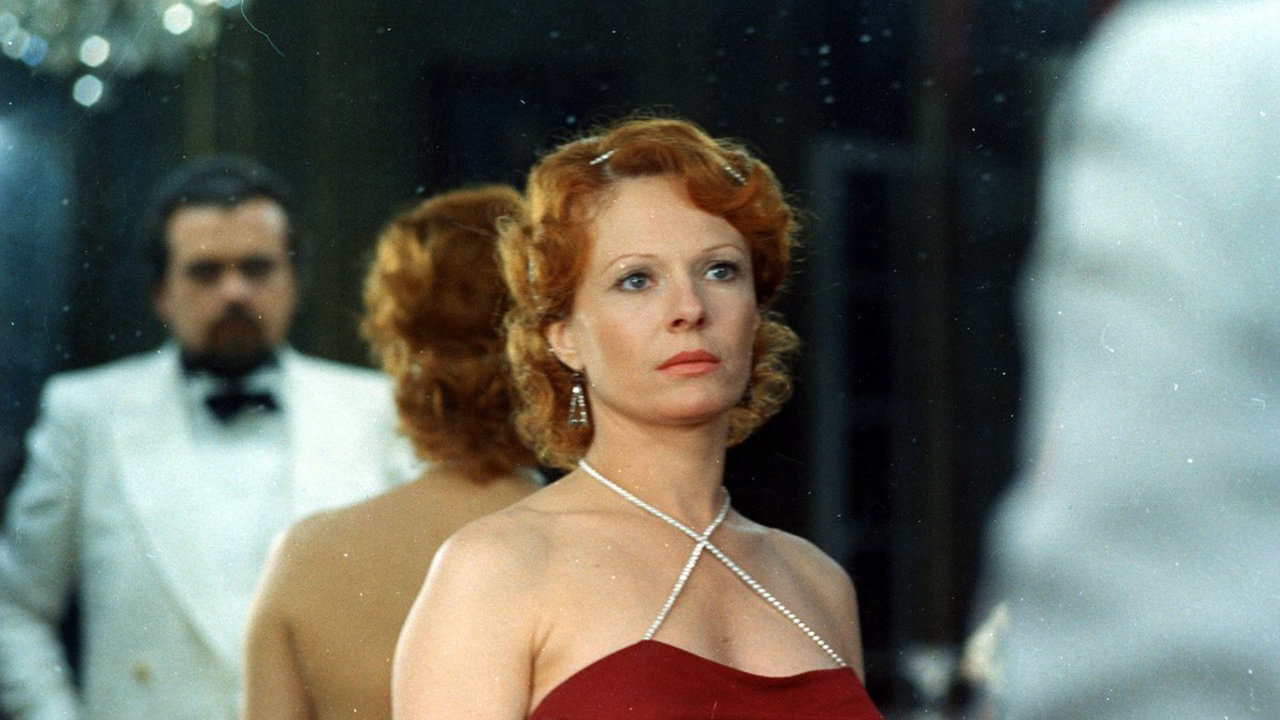
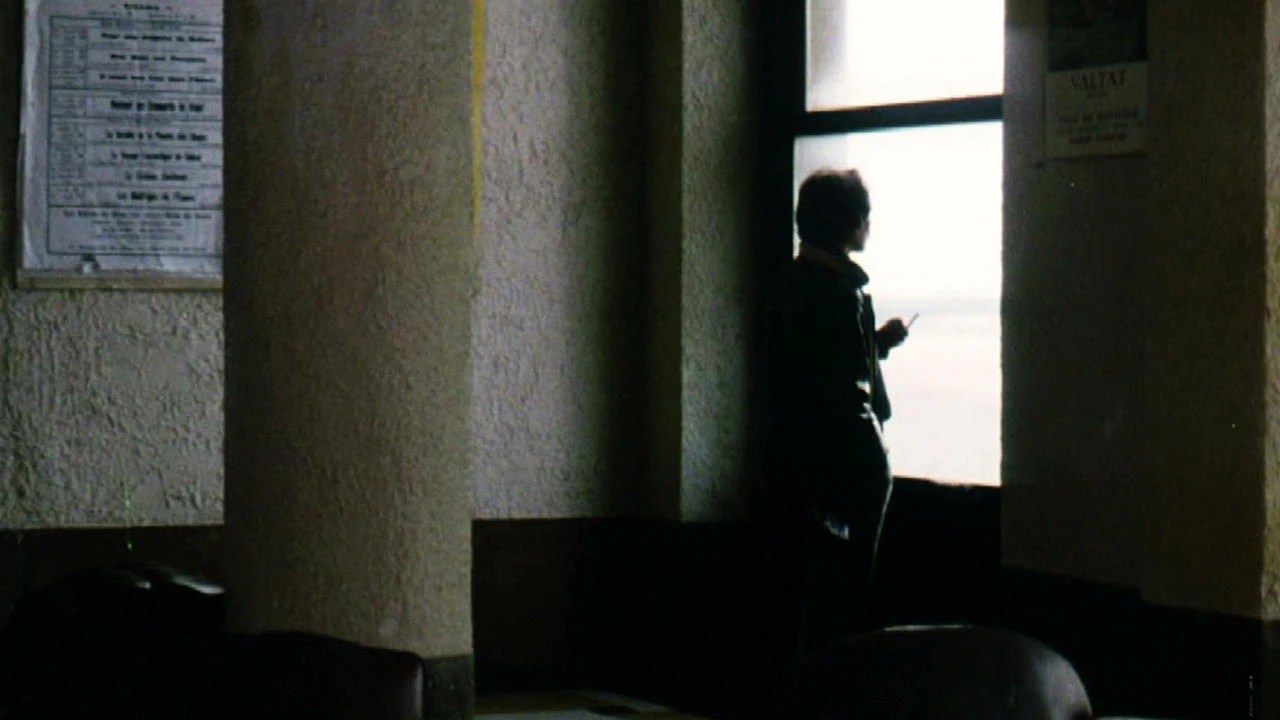
When she started directing herself, with La Musica (1967), but especially from Nathalie Granger (1972), she began to create a memory-and-desire-laden filmography without resolution, where voice became detached from image. India Song (1976) was her greatest work: a film about colonial memory set in 1930s Calcutta but shot almost entirely in a Parisian mansion with voices on the soundtrack that may or may not belong to the figures onscreen. It shouldn’t work, but somehow it does.
Her films are never easy watches. They demand something of you that most movies don’t. She made a cinema of discomfort and refusal; films about how the gap between what you see and what you hear is the definition of meaning.
Marguerite Duras (1914 – 1996)
- La Musica (1967)
- Destroy, She Said (1969)
- Jaune le soleil (1972)
- Nathalie Granger (1972)
- La Femme du Gange (1974)
- India Song (1976)
- Son nom de Venise dans Calcutta desert (1976)
- Des journees entieres dans les arbres (1977)
- Le Camion (1977)
- Baxter, Vera Baxter (1977)
- Cesaree (1978)
- Le Navire Night (1979)
- Aurelia Steiner (Melbourne) (1979)
- Aurelia Steiner (Vancouver (1979)
- Agatha et les lectures illimitees (1981)
- L’Homme atlantique (1981)
- Il dialogo di Roma (1983)
- Les Enfants (1985)
- The Disjunction of Voice and Image: Duras’ most radical formal contribution — in India Song and beyond, the voices on the soundtrack belong to unseen figures while the camera observes actors who never speak. The gap between what you hear and what you see is where the film actually happens.
- Memory as Unreliable Architecture: Her films don’t depict memory, they enact its instability. Hiroshima Mon Amour — as script — established this, and her directorial work developed it: the past bleeds into the present without announcement or resolution.
- Desire and Colonialism: India Song is inseparable from its colonial setting, and Duras — who grew up in French Indochina — repeatedly returns to desire as something entangled with power, displacement and guilt. The erotic and the political are the same territory.
- Minimalism as Resistance: The stripped-down visual style — static frames, empty or barely inhabited spaces, the refusal of conventional drama — is an aesthetic position. Cinema normally fills every frame with incident; Duras empties it deliberately.
- The Literary Film: She never stopped being a novelist when she made films. The scripts are written to be read; the dialogue has a rhythmic, incantatory quality that owes more to Beckett than to conventional screenwriting. Text and image exist in tension rather than harmony.
- Alain Resnais
- Alain Robbe-Grillet
- Chantal Akerman
- Chris Marker
- Guy Debord
- Jacques Rivette
- Jean-Luc Godard
- Lucrecia Martel
- Marcel Hanoun
- Michelangelo Antonioni
Biography
Coming soon
Further Reading
- Marguerite Duras: A Life by Laure Adler – An authoritative biography of Duras.
- Marguerite Duras: Writing on the Body by Sharon Willis – Analysis of Duras’ literary and cinematic works.
- A Man and a Woman, Say What You Like, They’re Different: On Marguerite Duras by Rachel Kushner, The New Yorker
- The Cinema of Marguerite Duras: Multisensoriality and Female Subjectivity by Michelle Royer, Edinburgh University Press
- Erosion by Desire: Marguerite Duras’ Self-Adaptations by Danica van de Velde, Senses of Cinema
- Worn Out With Desire To Write (1985), directed by Alan Benson and Daniel Wiles
 Bronze Screen Dream