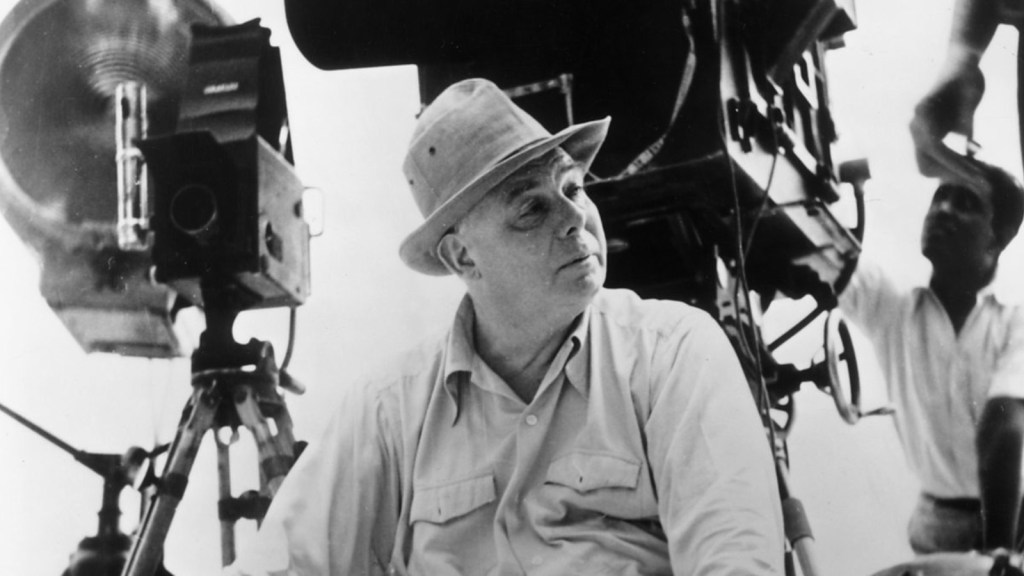
Jean Renoir is the great humanist of cinema. A filmmaker so constitutionally incapable of condemning his characters that even his villains tend to emerge with their dignity more or less intact. He inherited something of the sensibility of his father (Auguste Renoir), a belief that the world, observed carefully, is worth depicting rather than judging.
You could argue Renoir’s peak lasted from the 1930s until the 1960s. He certainly has masterpieces in every decade, but the true force of his reputation was built in the 1930s: La Grande Illusion, The Crime of Monsieur Lange, La Bête Humaine, The Rules of the Game. Four films across four years and between them he covered everything presient about France of the interwar period: Class, fate and the elaborate social performance of high society that could be mistaken for self-destruction.
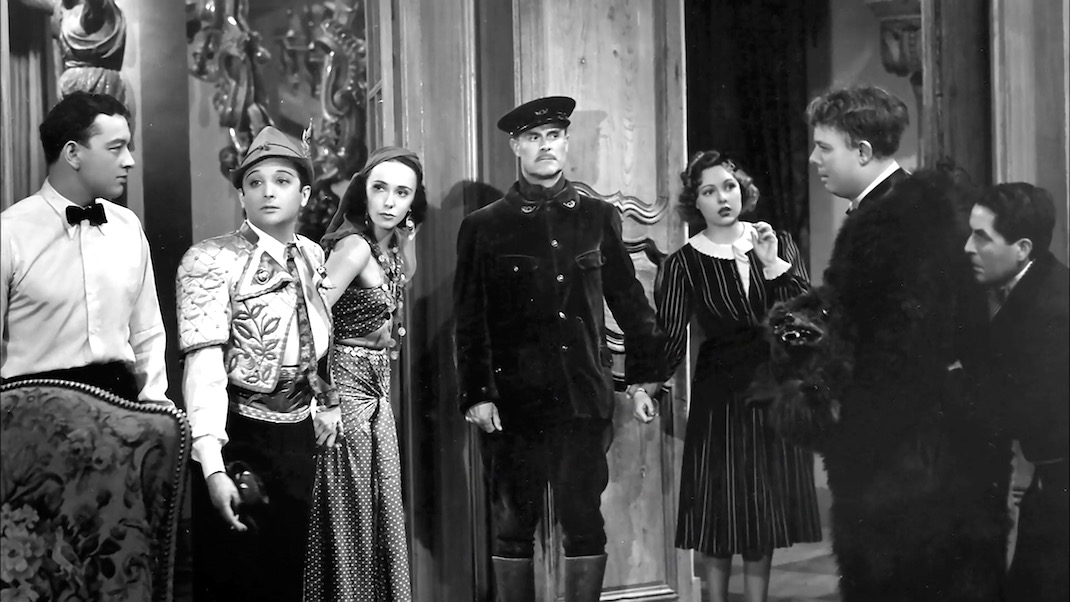
The Rules of the Game, in particular, is one of those films that seems to contain everything: it was booed at its premiere in 1939 and is now on almost every list of the greatest films ever made.
His technique was as humane as his sensibility. He was among the first to use deep focus and location shooting as expressive tools rather than just technical choices, letting scenes breathe and giving peripheral characters room to exist as fully as the protagonists. The camera tends to observe rather than direct; you feel in a Renoir film that things are happening and you happen to be watching rather than being guided through a constructed experience.
He ended up in Hollywood during the war, made some interesting work there, then eventually settled in America while remaining entirely himself. Truffaut, who called him the greatest of all French directors, dedicated his career partly to keeping Renoir’s reputation where it belonged.
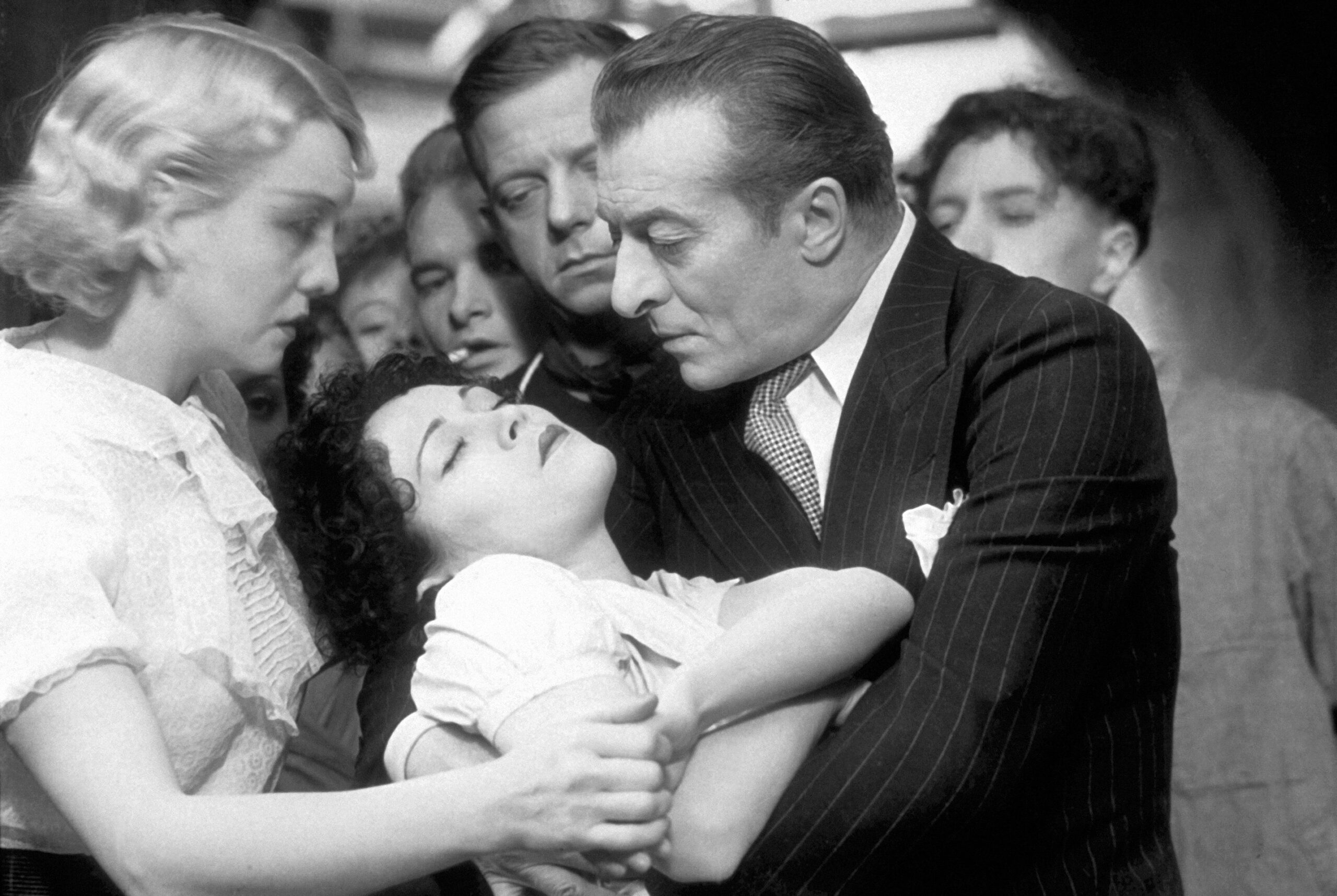
Jean Renoir (1894 – 1979)
- 1925 – Whirlpool of Fate
- 1926 – Nana
- 1927 – Charleston Parade
- 1928 – The Little Match Girl
- 1928 – Tire au flanc
- 1931 – La Chienne
- 1932 – Boudu Saved from Drowning
- 1932 – La Nuit du carrefour
- 1933 – Chotard and Company
- 1934 – Madame Bovary
- 1935 – Toni
- 1936 – The Crime of Monsieur Lange
- 1936 – A Day in the Country
- 1936 – The Lower Depths
- 1936 – La Vie est à nous
- 1937 – La Grande Illusion
- 1938 – La Bête Humaine
- 1938 – La Marseillaise
- 1939 – The Rules of the Game
- 1941 – Swamp Water
- 1943 – This Land is Mine
- 1945 – Diary of a Chambermaid
- 1945 – The Southerner
- 1947 – The Woman on the Beach
- 1951 – The River
- 1952 – The Golden Coach
- 1955 – French Cancan
- 1956 – Elena and Her Men
- 1959 – Picnic on the Grass
- 1959 – The Testament of Dr. Cordelier
- 1962 – The Elusive Corporal
- 1970 – The Little Theatre of Jean Renoir [TV]
- Humanism: Renoir’s films never condemn their characters. They give everyone equal attention, the editing gives people room to breathe, the narrative withholds moral verdicts that conventional dramas provide. The Rules of the Game contains characters who behave abominably and asks you to understand all of them simultaneously.
- Class as Performance: Renoir’s films constantly analyse the rituals of the upper classes and watch the moments those rituals start to break down to internal or external factors, or the moment they become visible rituals.
- Deep Focus and the Moving Camera: Renoir was one of the first filmmakers who understood that deep focus could be used as a democratic tool. By keeping the foreground and background equally sharp, he could let peripheral characters matter as much as those at the centre. Add to that his fluid camera work, and the films feel less staged and more natural.
- Location as Character: From the river in A Day in the Country to the trenches in La Grande Illusion to the Camargue in Toni, the physical environment is never a neutral backdrop. It generates mood, pressure and meaning; often the natural world exists in implicit contrast to the social performances being conducted within it.
- The Theatrical and the Real in Tension: Renoir’s post-war films are theatrical: French Cancan, The Golden Coach, Elena and Her Men. But he doesn’t do this to make escapism; instead, he does it to examine the performance at the heart of social life, the gap between the roles we play and what we feel.
Biography
Coming soon
 Bronze Screen Dream