
Jacques Rivette is the New Wave director who never made concessions, which partly explains why he’s the least known of the central group and partly explains why his reputation among people who care about him is so fierce. Out 1 is thirteen hours long. L’Amour Fou is four. La Belle Noiseuse is nearly four. He was genuinely uninterested in whether this was convenient.
He came through Cahiers du Cinéma like the others, but where Truffaut was drawn to emotion and Godard to ideas, Rivette was drawn to process, to the act of making something, to rehearsal and improvisation and the space where a character emerges from an actor without quite being decided in advance. Theatre was the other constant: his films are full of rehearsal rooms, plays within films, characters who are performing for each other and sometimes know it. Paris Belongs to Us, his first feature, is ostensibly a conspiracy thriller but is really about a theatre group, which is where his attention always was.
Céline and Julie Go Boating is the film that tends to convert people; three hours of two women discovering a haunted house that contains a different story every time they enter it, equal parts Lewis Carroll and Jacques Demy, playful and strange and genuinely bewitching. It remains the most accessible route into his world and doesn’t make the world feel smaller for being accessible.
La Belle Noiseuse is where the process film reaches its fullest statement; four hours watching a painter work, in real time, the camera on the canvas as much as on the actors, Emmanuelle Béart sitting for a portrait that the film is also sitting for. It is one of the great films about what making art costs the people in proximity to it.
He died in 2016, still somewhat undervalued, still the New Wave director most worth discovering for someone who thinks they’ve seen what the New Wave had to offer.
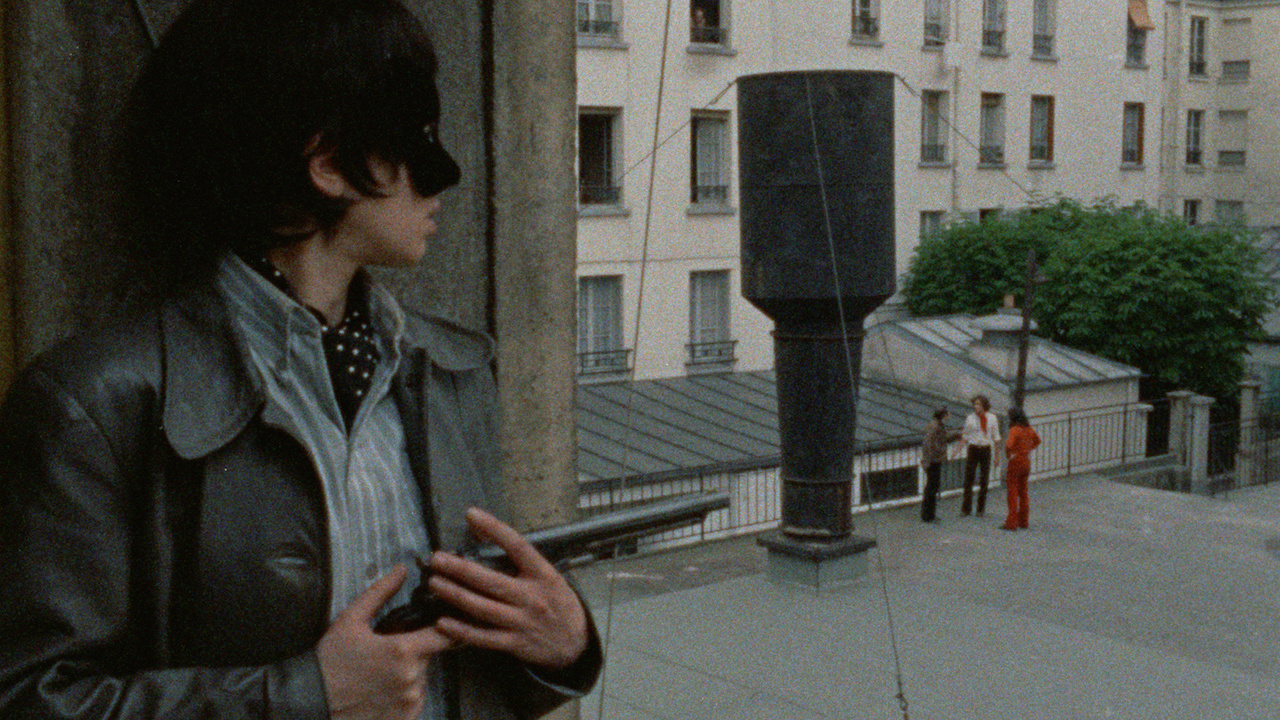
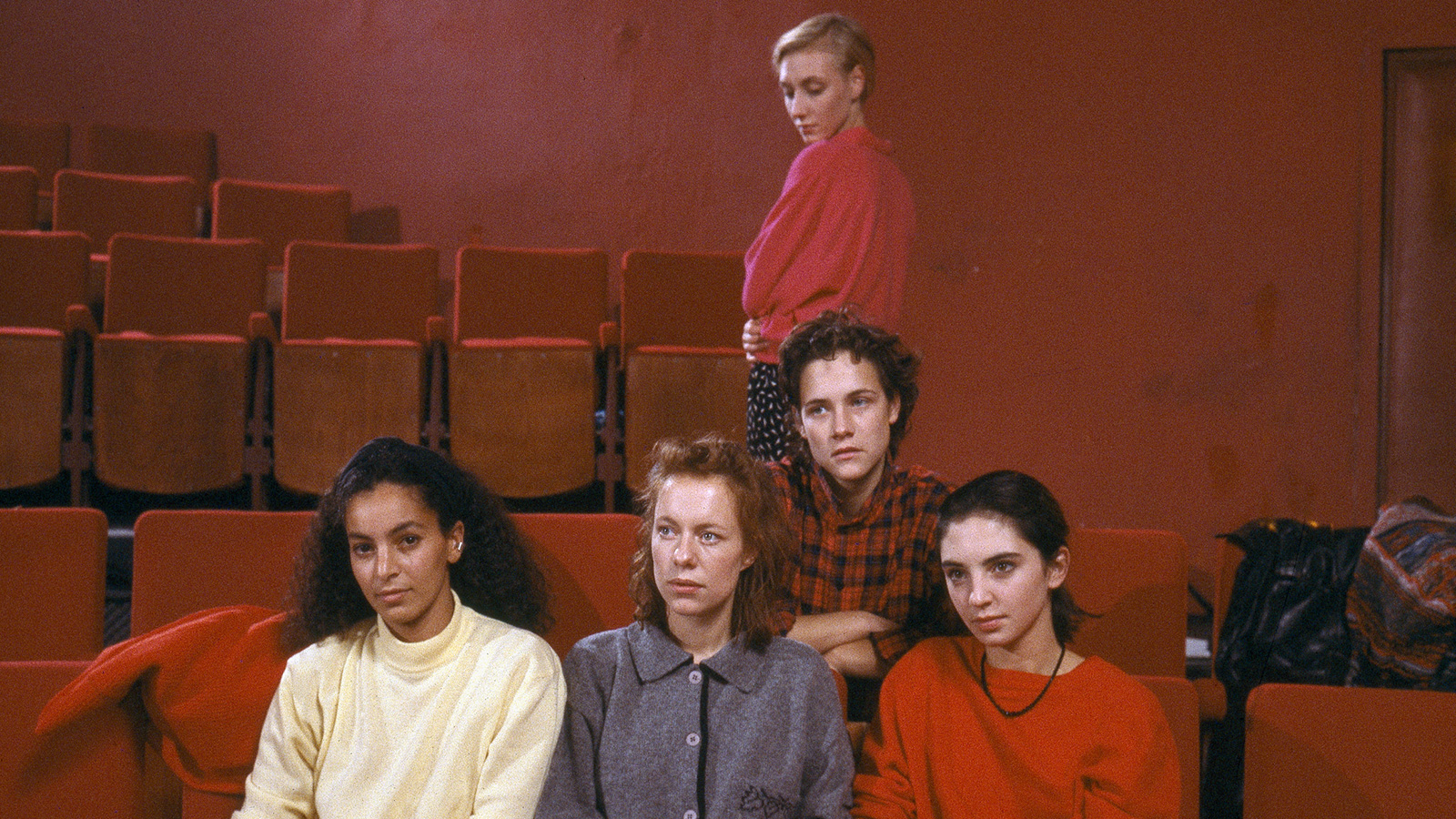
Jacques Rivette (1928 – 2016)
- 1956 – Le Coup du berger
- 1961 – Paris Belongs to Us
- 1966 – The Nun
- 1967 – Renoir, the Boss [TV]
- 1969 – L’Amour fou
- 1971 – Out 1
- 1972 – Out 1: Spectre
- 1974 – Céline and Julie Go Boating
- 1976 – Duelle
- 1976 – Noroît
- 1981 – Merry-Go-Round
- 1981 – Le Pont du Nord
- 1984 – Love on the Ground
- 1985 – Hurlevent
- 1989 – The Gang of Four
- 1991 – La Belle Noiseuse
- 1994 – Jeanne la Pucelle I
- 1994 – Jeanne la Pucelle II
- 1995 – Haut bas fragile
- 1998 – Secret Defence
- 2001 – Va savoir
- 2003 – Histoire de Marie et Julien
- 2007 – The Duchess of Langeais
- 2009 – Around a Small Mountain
- Theatre and the Act of Performance: Rivette never stopped being interested in what happens between a performer and a role, between rehearsal and realisation. His films are full of theatre groups, rehearsal rooms, plays within films, not as a setting but as a subject. The question of where the performance ends and the person begins runs through everything.
- Conspiracy as Narrative Structure: From Paris Belongs to Us through Out 1, Rivette uses conspiracy not as a thriller mechanism but as a way of thinking about how meaning is constructed — the sense that there are patterns and connections just beyond understanding, which may or may not be real. The paranoia is epistemological rather than political.
- Duration as Immersion: The long films aren’t indulgent. They’re a formal position. Rivette believed that sufficient time created a different quality of attention and a different relationship between viewer and character, something closer to knowing someone than observing them. Out 1 works because of its length, not despite it.
- Improvisation and Collaborative Creation: Rivette’s scripts were frameworks, not blueprints. The actors brought their characters into existence through the process of filming, with Rivette directing the space and conditions rather than dictating the results. The performances have an aliveness that comes from genuine discovery rather than execution.
- Female Characters as Protagonists and Agents: His films consistently place women at the centre as active agents navigating mysterious circumstances rather than as objects of the male gaze.
Biography
Coming soon

