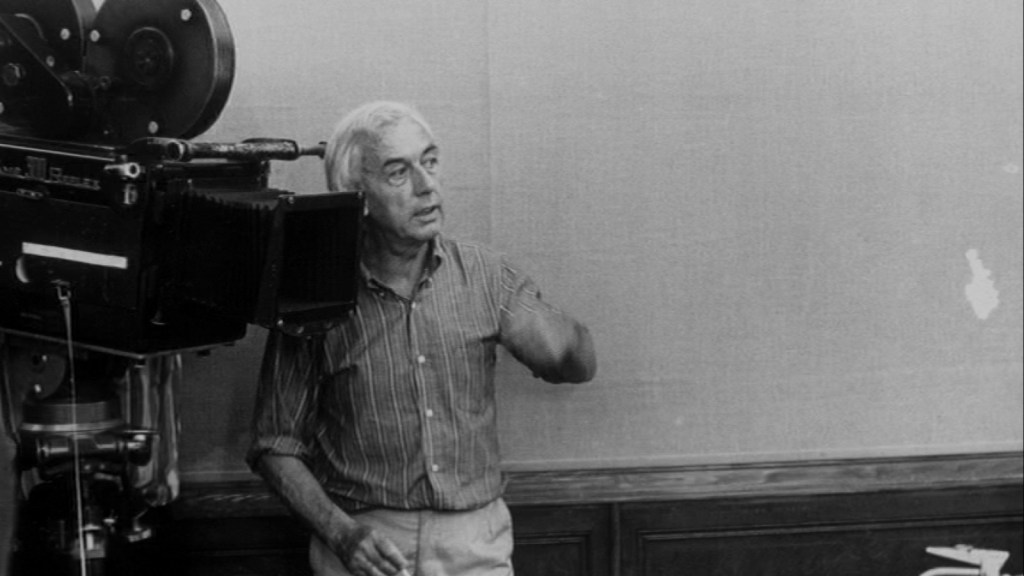
Robert Bresson made thirteen features across four decades and left behind what is arguably the most coherent and uncompromising body of work in cinema. There are no accidents in a Bresson film, no moments of looseness or improvisation; every single thing you see or hear, every sound, cut, gesture from his non-professional actors (Or ‘Models’ as he put it) is there for a precise purpose. His films are austere, yes, but this isn’t for the sake of severity. It’s the result of stripping away everything that isn’t essential until what remains carries an almost unbearable weight.
He came from painting and photography, which shows. His frames are composed with an attention to surface and light that most filmmakers never approach, and the close-ups of hands (picking pockets, opening locks, handling objects) that recur across the films have a sensory precision that somehow communicates interiority better than faces do. This was deliberate theory as much as instinct.
The subjects are simple on their surface but vast underneath. Au Hasard Balthazar follows a donkey through a series of owners and ends with the animal dying among a flock of sheep, and it is one of the most devastating films ever made. The gap between that description and the experience of watching it is the Bresson gap, impossible to explain and immediately felt.
Transcendental is another word you could use for his cinema, and it’s no mistake that Bresson was a Catholic. This is reflected in his films, but never doctrinally; redemption is not assured, suffering is simply a condition of existence. Mouchette ends the way it ends. The Devil Probably is titled the way it’s titled. He was not offering consolation.
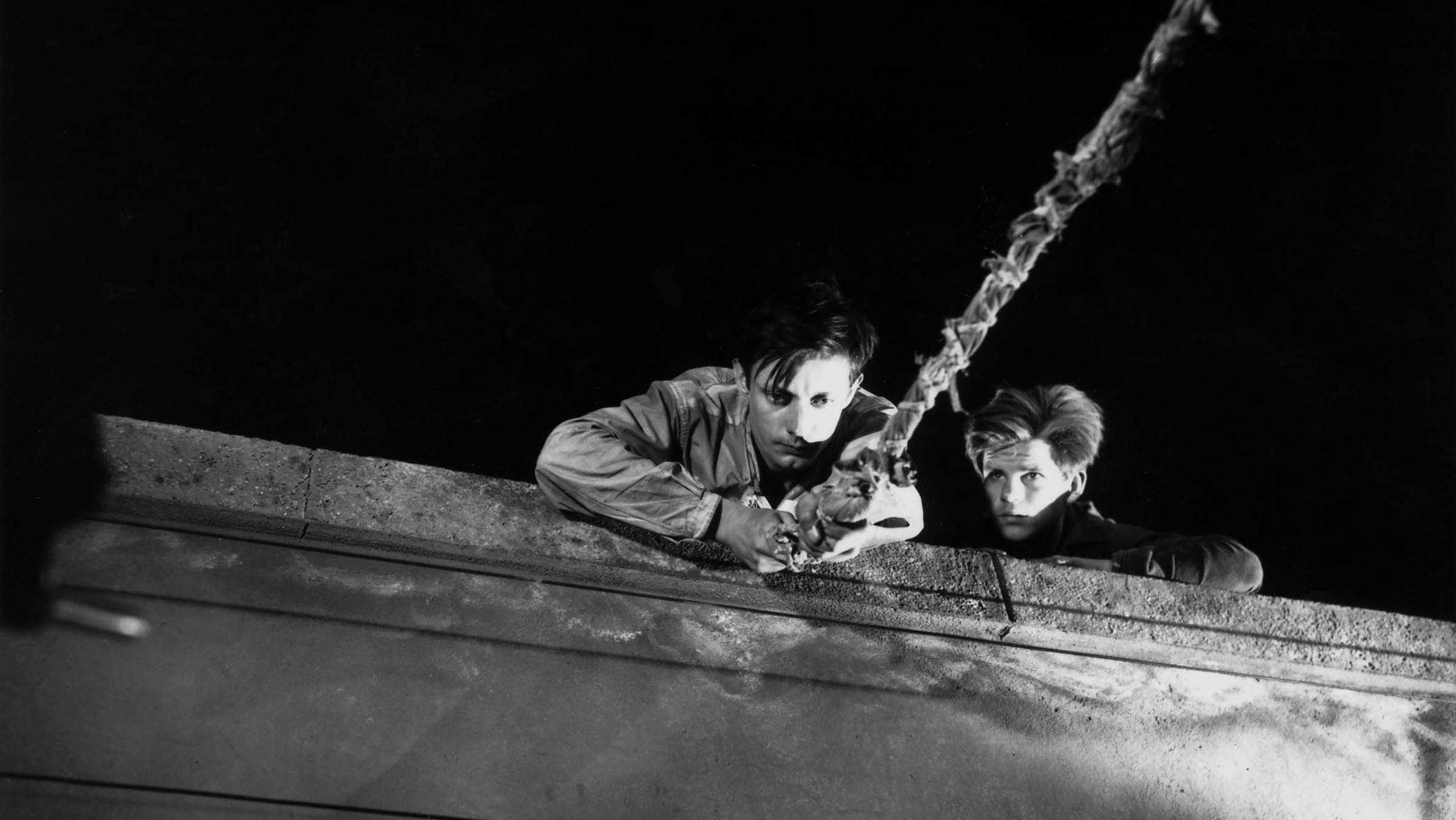
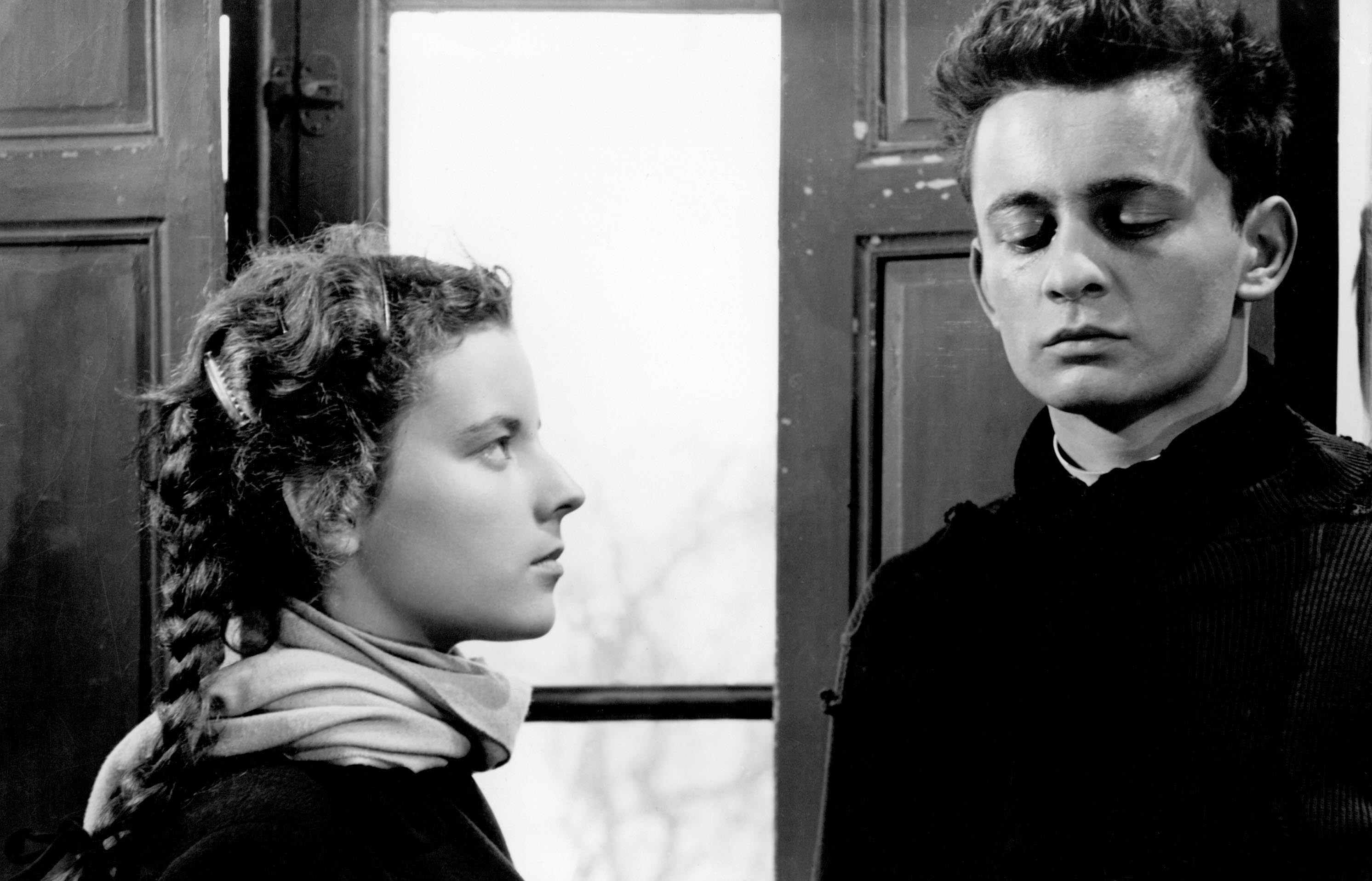
Robert Bresson (1901 – 1999)
- 1934 – Public Affairs
- 1943 – Les Anges du péché
- 1945 – Les Dames du Bois de Boulogne
- 1951 – Diary of a Country Priest
- 1956 – A Man Escaped
- 1959 – Pickpocket
- 1962 – Trial of Joan of Arc
- 1966 – Au hasard Balthazar
- 1967 – Mouchette
- 1969 – Une Femme douce
- 1971 – Four Nights of a Dreamer
- 1974 – Lancelot du Lac
- 1977 – The Devil, Probably
- 1983 – L’Argent
- Grace and Suffering: Bresson’s films are theological without being doctrinal; Grace arrives unexpectedly or not at all, suffering is the condition rather than the obstacle, and the universe offers no guarantees.
- The Model Over the Actor: Bresson famously always worked with non-professional actors. They were directed to deliver their lines without expression or interpretation, giving the viewer flat, unconventional performances which counterintuitively seem to grant them a devastating naturalistic depth which the audience fills in.
- Fragment, Sound, Ellipsis: Bresson cuts to parts rather than wholes; a hand, a door, footsteps heard before they’re seen. Sound often replaces image entirely. The gaps in the editing are where meaning accumulates rather than where it’s withheld. The rhythm feels like thought rather than narration.
- Objects as Sacramental: Certain objects in each film (the prison window in A Man Escaped, the money in L’Argent, the bicycle in Mouchette) are loaded with significance through repetition until they become almost theological symbols.
- Economy as Ethics: Bresson never has decorative shots. He never has sentimental scoring or performed feeling. He refuses excess. Bresson articulated this in Notes on Cinematography and then executed it with a precision unmatched in cinema. To show more than is necessary is a form of dishonesty.
Biography
Coming soon as posts added
 Bronze Screen Dream