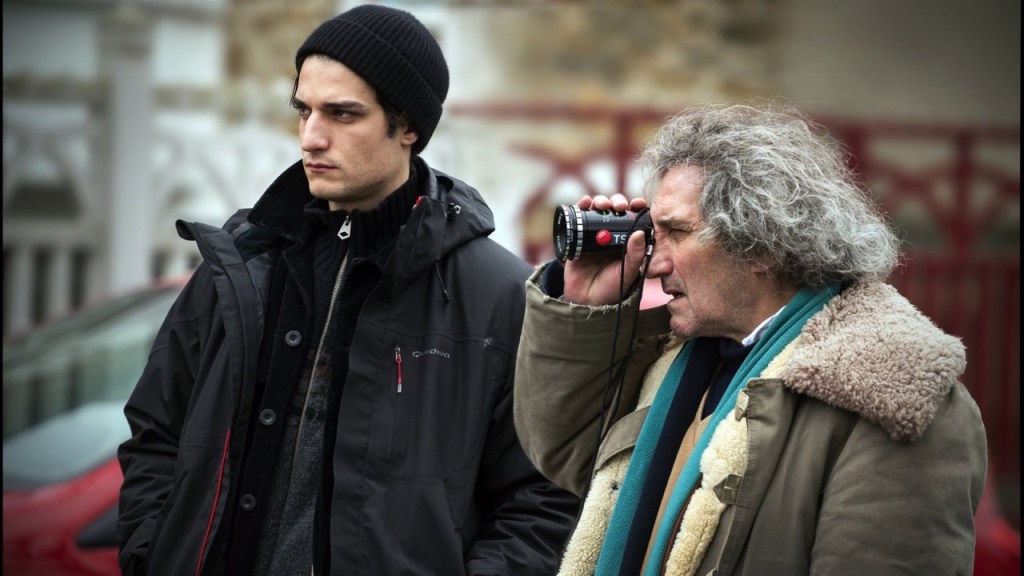
Philippe Garrel has been making films since he was a teenager and shows no particular signs of stopping, which means his career now spans six decades of largely the same obsession: two people in a room, usually in love, usually failing at it, usually in black and white. This sounds reductive, but it isn’t — within those constraints, he has made some of the most quietly devastating films in French cinema.
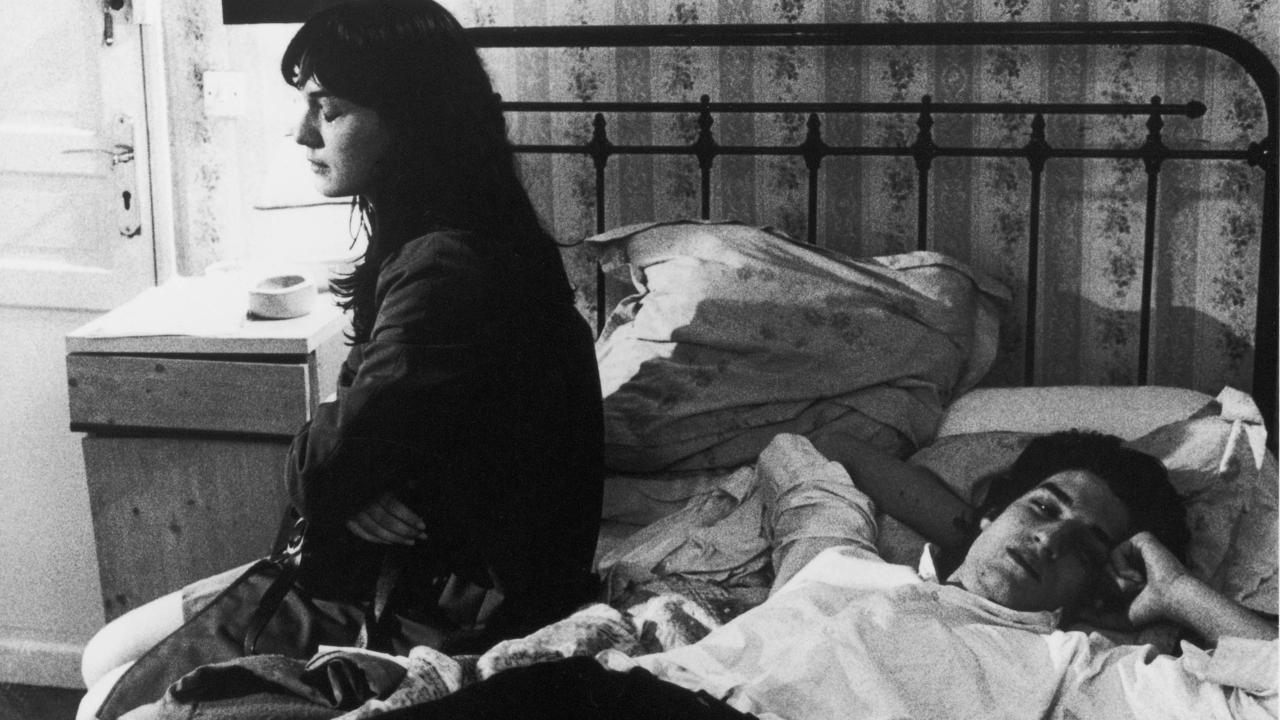
He was there for May ’68 in Paris, genuinely there, and the event marked him permanently. Regular Lovers, made in 2005 in luminous black and white by William Lubtchansky, constructs those days and their immediate aftermath with a tenderness and grief that feels like memory rather than reconstruction. It’s three hours long and earns every minute. The revolution fails, the drugs arrive, people die or disappear. It’s one of the great films about what happens after the moment of possibility closes.
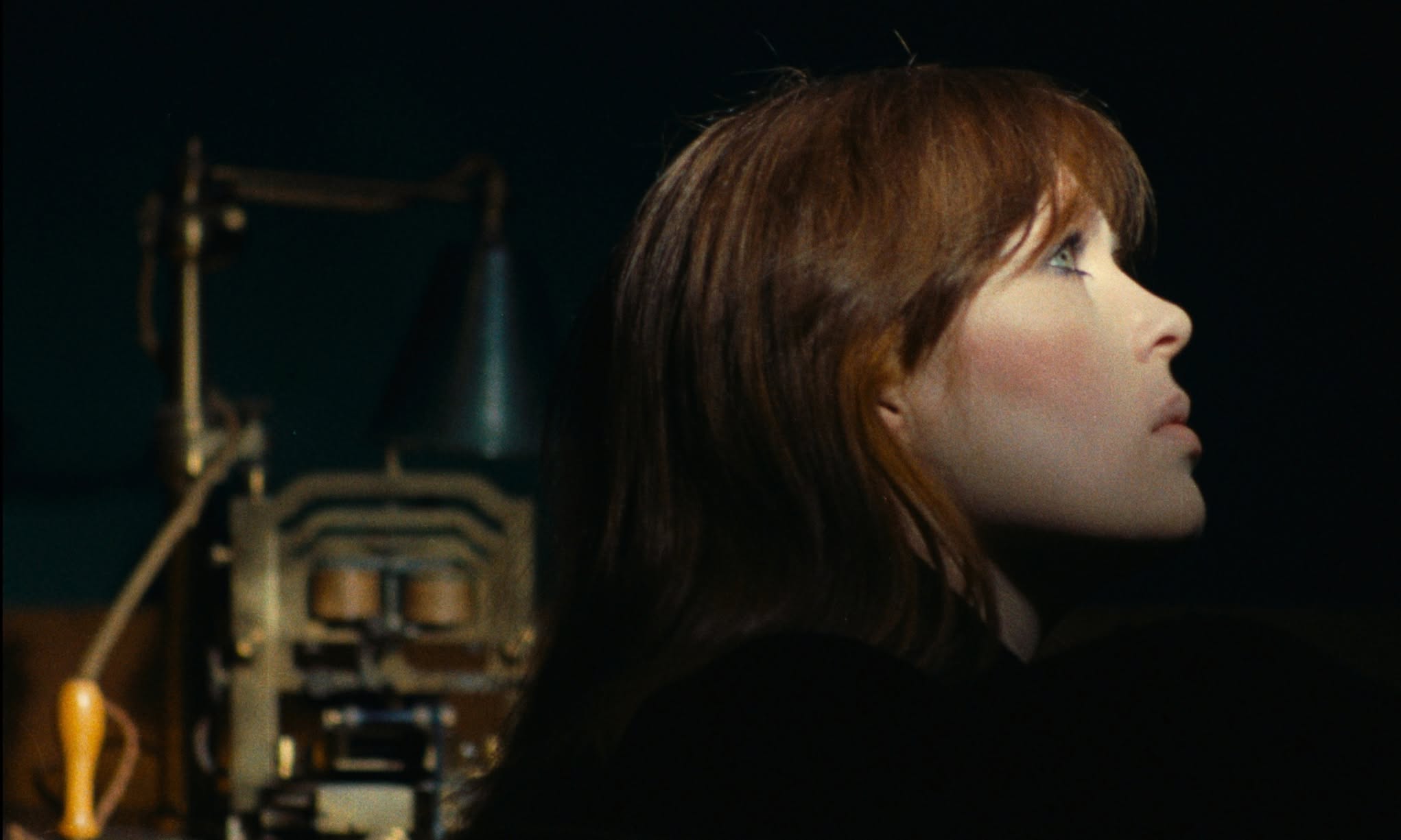
The years between the late 1960s and the mid-1970s were his most extreme period: Films with Nico, his partner at the time, that were deeply personal and often barely narratively coherent, operating at the margins of what film even was. The Inner Scar from 1972 is the central document of this period and is genuinely strange, a desert film that feels like it was made inside a fever. Those years inform everything that came after, even when the later films are more conventionally structured.
The familial dimension of the work is unusual and worth noting; Louis Garrel, his son, has appeared in film after film, and the father-son relationship has become one of the site’s implicit subjects. It gives the late career a quality of genuine autobiography that most filmmakers only approximate.
Philippe Garrel (1948–)
- 1968 – Marie pour mémoire
- 1968 – Anémone
- 1968 – La Concentration
- 1968 – Le Révélateur
- 1969 – Le Lit de la Vierge
- 1972 – La Cicatrice intérieure
- 1974 – Les Hautes Solitudes
- 1975 – Un ange passe
- 1975 – Le Berceau de cristal
- 1978 – Voyage au jardin des morts
- 1979 – Le Bleu des origines
- 1982 – L’Enfant secret
- 1983 – Liberté, la nuit
- 1985 – Elle a passé tant d’heures sous les sunlights…
- 1989 – Les Ministères de l’art
- 1989 – Les Baisers de secours
- 1991 – J’entends plus la guitare
- 1993 – La naissance de l’amour
- 1996 – Le Cœur fantôme
- 1999 – Le Vent de la nuit
- 2001 – Sauvage Innocence
- 2004 – Regular Lovers
- 2008 – Frontier of the Dawn
- 2011 – A Burning Hot Summer
- 2013 – Jealousy
- 2015 – In the Shadow of Women
- 2017 – Lover for a Day
- 2020 – The Salt of Tears
- 2023 – The Plough
- Love as Attrition: Garrel’s relationships don’t combust dramatically. They erode. The films follow couples through the slow accumulation of small betrayals, silences, incompatibilities, and the particular despair of watching something you can’t save. The emotional register is exhaustion as much as passion.
- May ’68 and Its Aftermath: The revolution is the event his work orbits. Not as political analysis but as emotional fact. The generation that believed change was possible and had to find a way to live after it wasn’t. Regular Lovers is the explicit statement, but the shadow falls across everything.
- Black and White as Memory: The choice is consistent and deliberate; black and white removes the films from the present tense and gives them the quality of recollection. Garrel’s Paris doesn’t look like a city you could visit; it looks like somewhere that existed once and only in this light.
- The Autobiographical Without Confession: His films draw directly from his life — the relationship with Nico, the drug years, the father-son dynamic with Louis; but they never feel confessional in the therapeutic sense. The material is transformed rather than displayed, which is the difference between autobiography and self-exposure.
- Family: Nico, Garrel’s partner, is a constant feature in his 70s films and from the 2000s onwards, Louis Garrel, his son, became central to his work. This gives Garrel’s films a continuity that goes beyond style. The cast is partly the family, and watching the films in sequence is watching a family age through a particular kind of Paris across five decades.
- Barbet Schroeder
- Claire Denis
- Jacques Doillon
- Jacques Nolot
- Jean Eustache
- Jean-Henri Roger
- Jean-Luc Godard
- Leos Carax
- Maurice Pialat
- Mia Hansen-Love
Biography
Coming soon

