
Henri-Georges Clouzot is the French Hitchcock in the same way that Hitchcock is the English Clouzot. Which is to say it’s a flattering and flattening statement to both. They were exact contemporaries, they worked in the same vein of psychological suspense, and they even competed over the rights of Les Diaboliques, which Clouzot won and Hitchcock responded by making Psycho.
The Cahiers critics dismissed Clouzot as just a genre technician, but they were wrong. What separates him from a perfect watchmaker isn’t his medium but his misanthropy. His films don’t just make you anxious; they make you uncomfortable about human nature in ways that persist after the tension has resolved. In Le Corbeau, made during the occupation for a German-backed company, he shows a community destroying itself through anonymous denunciation. The poison pen letters are a pretext; the real subject is how quickly people turn on each other and how much they enjoy it.
His greatest film is The Wages of Fear; four men driving trucks of nitroglycerine across treacherous South American mountain roads. The tension is so precise that it becomes almost physical. But what makes it really work is the first hour of the film, which reveals the men are trapped long before the trucks appear, so the embrace of their job becomes closer to something like a death wish. It is one of the most purely cinematic films in the French canon.
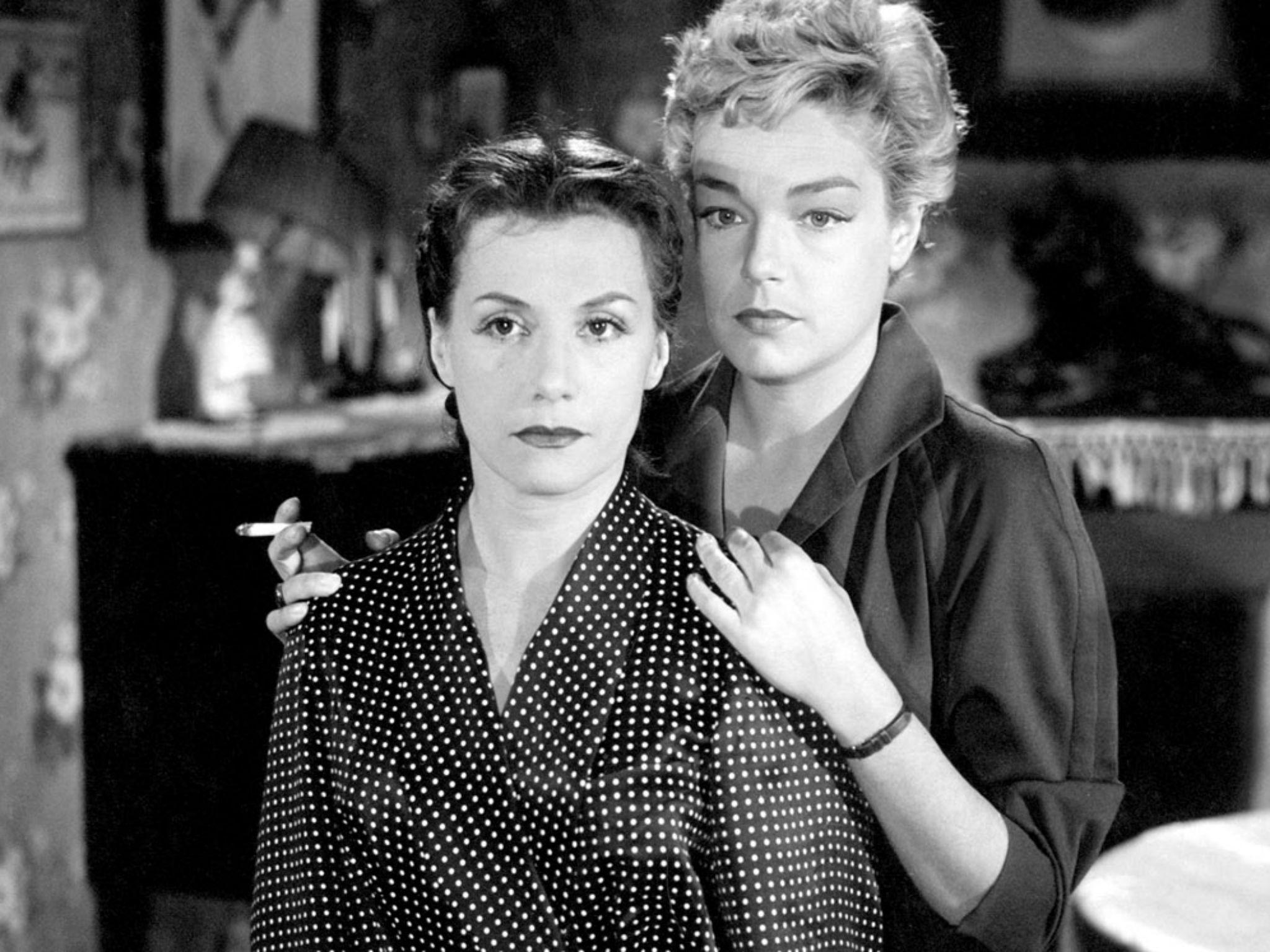
Les Diaboliques arrived two years later and was immediately enormous; the film that definitively established the shower scene as a site of cinematic terror before Hitchcock formalised it. He spent much of the rest of his career struggling with ill health and ambition that outran his body. La Prisonnière in 1968, unfinished and little seen, suggests he was still developing.
Henri-Georges Clouzot (1907 – 1977)
- 1942 – The Murderer Lives at Number 21
- 1943 – Le Corbeau
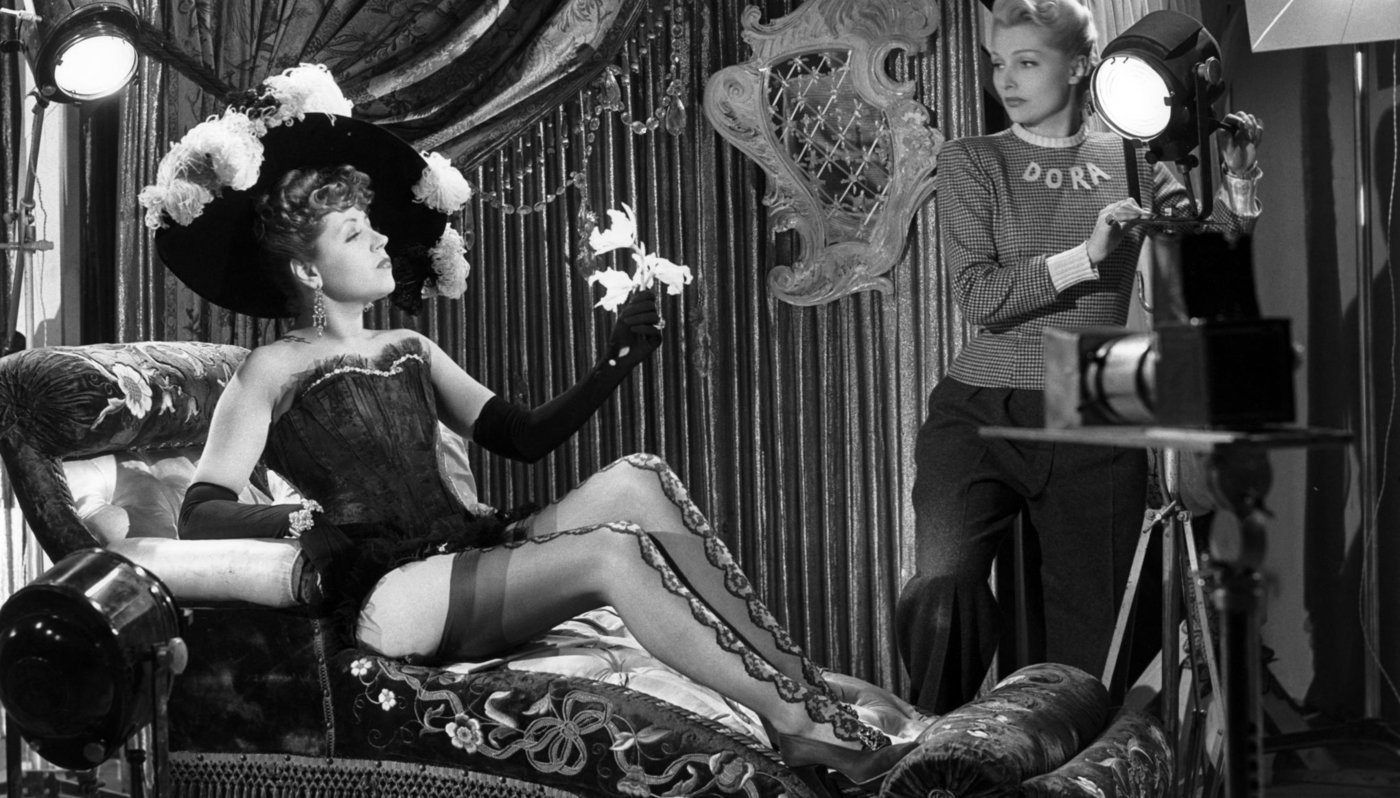
- 1947 – Quai des Orfèvres
- 1949 – Manon
- 1953 – The Wages of Fear
- 1955 – Diabolique
- 1956 – The Mystery of Picasso
- 1957 – Les Espions
- 1960 – La Vérité
- 1968 – La Prisonnière
- Misanthropy as Method: Clouzot doesn’t just use human darkness as dramatic material — he seems to believe in it, which gives his films their particular edge. Characters are petty, cowardly, jealous, and cruel, and the films observe this without the consolation of exceptional villains or redemptive arcs. Le Corbeau‘s anonymous letter-writer is eventually identified, but the real revelation is how many people the letters exposed as exactly what they denied being.
- Suspense as Physical Experience: The truck sequences in The Wages of Fear, the bathtub in Les Diaboliques, the courtroom in La Vérité; Clouzot engineers tension with a precision that makes it visceral rather than merely cognitive. The editing, sound design and camera placement are calculated to create a physical response in the audience, which is why the films still work on first-time viewers with no period adjustment required.
- Pressure: Clouzot’s best films are about small groups under extreme pressure, watching their relationships deform. You can see this from Quai des Orfèvres all the way to Les Diaboliques. Pressure reveals his characters’ flaws, weaknesses, and the films usually end with characters finding their bonds tested and wanting.
- Social Critique Behind the Genre: The thriller mechanics are a vehicle for something harder. Le Corbeau is about occupation-era collaboration and denunciation. The Wages of Fear is about colonialism and expendable labour. La Vérité is about justice, celebrity, and how a woman’s sexuality is weaponised in court. The genre material is never just genre material.
- The Documentary Impulse: Le Mystère Picasso, his 1956 film in which the camera watches Picasso paint in real time on transparent canvases, is anomalous in the filmography but revealing; the same obsessive attention to process, the same interest in watching creation and destruction simultaneously, the same voyeuristic precision. It won the Palme d’Or and is unlike anything else in French cinema.
Biography
Coming soon

