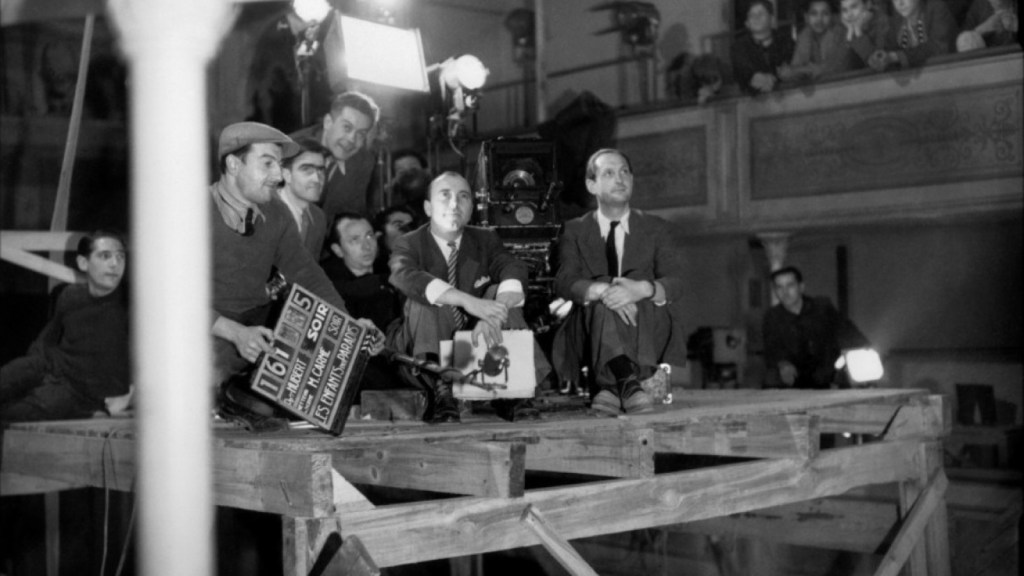
Marcel Carné made his best films before he was forty, which is both remarkable and oddly melancholic. The seven-year run from Port of Shadows through Le Jour Se Lève to Children of Paradise is one of the most sustained peaks in cinema. Then he had a few years of weaker films after his split from Jacques Prevert, and the Cahiers critics came along and more or less buried him alive, dismissing him as a director of studio artifice while celebrating the location-shot spontaneity they were inventing. The reappraisal came later, but Carne, who never stopped trying to work, never recovered.
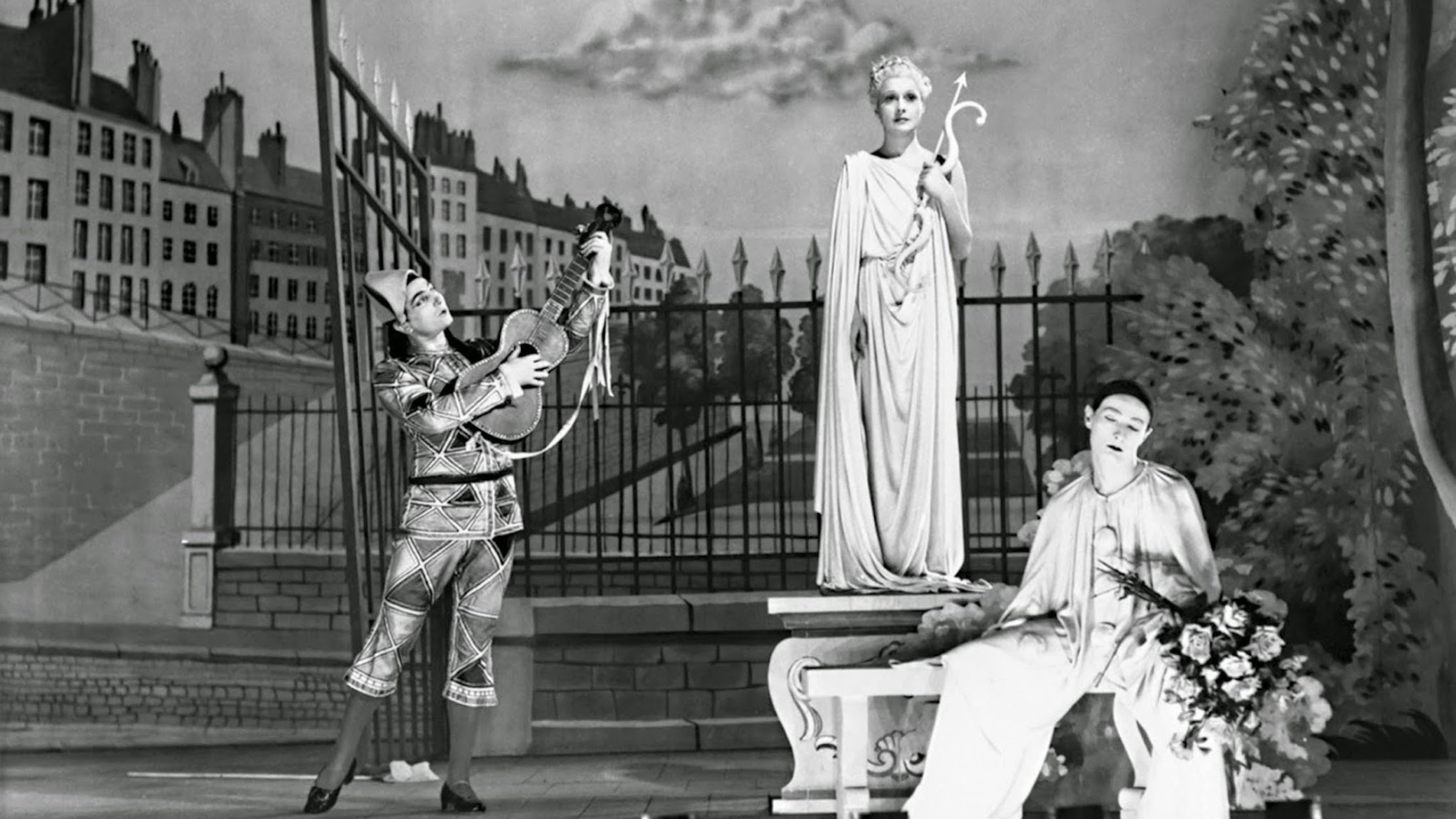
The Carné-Prévert partnership is the essential context. Jacques Prévert’s screenplays gave Carné his typically lyrical, fatalistic material, filled with lovers doomed by circumstance. Neither man could create their collaborative register alone. Prévert’s poetry cut against the studio craftsmanship, creating films that are simultaneously highly artificial and genuinely felt. Children of Paradise, shot partly under occupation using hundreds of extras and Alexandre Trauner’s extraordinary sets, is the fullest expression of what they could do together: three and a half hours about performance, desire, and the impossibility of possession, set in the Boulevard du Crime theatres of 1830s Paris.
The working-class fatalism of the pre-war films, Port of Shadows, Le Jour Se Lève, has a darkness to it that connects more to noir than to the humanist warmth of Renoir, though both men were drawing from the same French social reality. Carné’s world is one where the deck is stacked, escape is illusory, and the most one can do is go down with dignity.
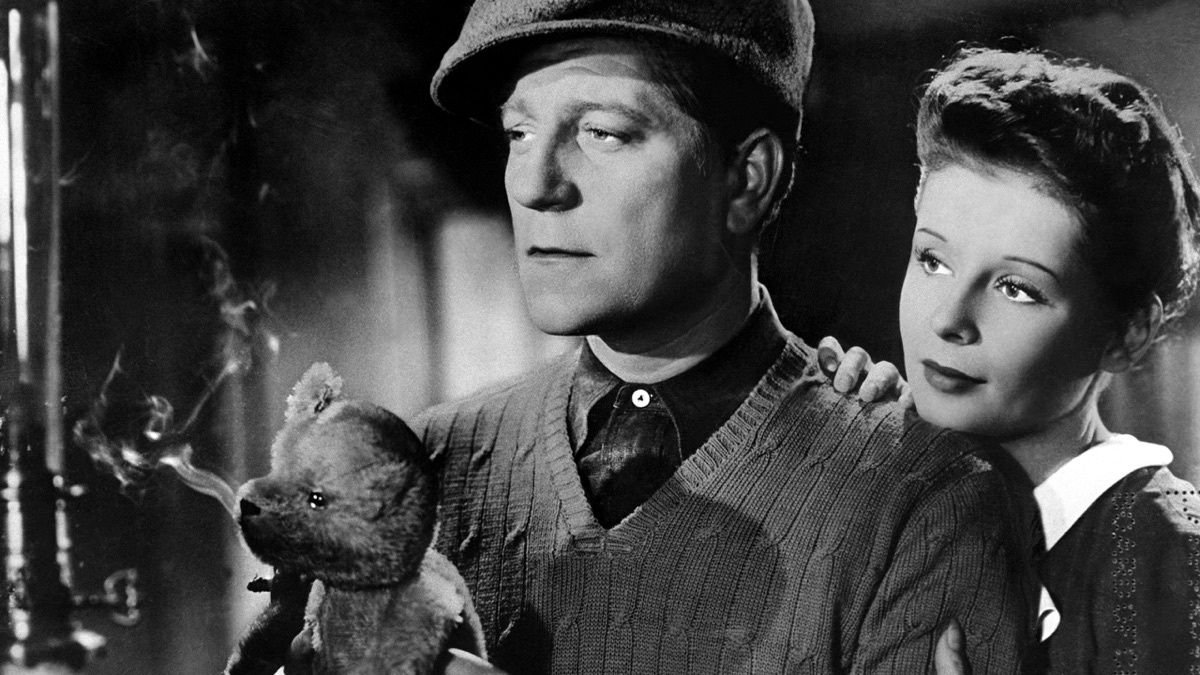
Marcel Carne (1906 – 1996)
- 1936 – Jenny
- 1937 – Drôle de drame
- 1938 – Le Quai des Brumes
- 1938 – Hôtel du Nord
- 1939 – Le jour se lève
- 1942 – Les Visiteurs du soir
- 1945 – Children of Paradise
- 1946 – Gates of the Night
- 1950 – La Marie du port
- 1951 – Juliette ou la Cle des songes
- 1953 – Therese Raquin
- 1954 – The Air of Paris
- 1958 – Les tricheurs
- 1960 – Terrain vague
- 1965 – Trois chambres à Manhattan
- 1968 – The Young Wolves
- 1971 – Les Assassins de l’ordre
- Romantic Fatalism: Carné’s lovers are almost always doomed; not by character flaw or moral failing but by circumstance, class, and the weight of a world stacked against them. All his films treat romantic desire as something real and serious that the world will, in time, destroy.
- The Prévert Collaboration: Carné’s visual intelligence and Prévert’s literary-poetic screenwriting produced something neither could achieve separately. The films think in images and in language simultaneously, the dialogue carrying a lyrical weight that grounds rather than decorates the visuals. It was a genuine partnership of equals.
- Studio Artifice as Expressive Tool: Carne’s constructed sets (Trauner’s fog-bound docks, the Boulevard du Crime theatres) are deliberate and expressive masterworks. The artifice isn’t evasive at all but rather poetic. The fog in Port of Shadows isn’t trying to look real; it’s trying to feel like fate.
- The Working Class: Carne’s protagonists are typically working people placed in situations where love and survival come into irreconcilable conflict. This gives the romanticism a material grounding that separates Carné from mere melodrama.
- Occupation Cinema as Allegory: The wartime films, Les Visiteurs du Soir, Children of Paradise, retreat into history and fantasy in ways that read as coded responses to occupation. The devil, frustrated by love in Les Visiteurs du Soir, has been read as Nazism since its release. Whether intentional or absorbed, the historical pressure shaped the work.
- Carol Reed
- Claude Autant-Lara
- Fritz Lang
- Henri Decoin
- Jacques Becker
- Jacques Feyder
- Jean Renoir
- Jean Vigo
- Julien Duvivier
- Luchino Visconti
Biography
Coming soon

