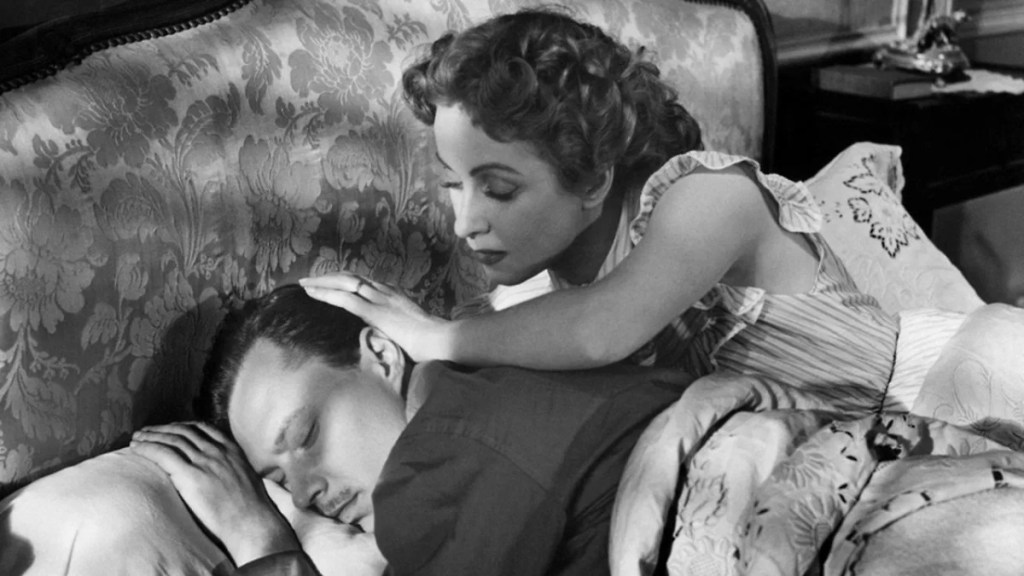
Claude Autant-Lara is the director whom François Truffaut destroyed in print, which is both the most important thing about his reputation and the least fair summary of his actual films. The 1954 essay A Certain Tendency of French Cinema named him as the primary example of everything wrong with the Tradition de Qualité (the literary adaptation, the professional screenwriter, the well-made film as cultural product rather than personal expression). The attack was effective and partly unjust.
He came from the arts. His mother was an actress, his father an architect, and he trained in set and costume design before directing, serving under Renoir, L’Herbier and René Clair in the 1920s. That formation shows in the films: he was a studio filmmaker in the fullest sense, controlling every visual element with a precision that made his controlled interiors feel genuinely expressive rather than merely polished. The collaboration with screenwriters Jean Aurenche and Pierre Bost produced scripts of considerable intelligence that Autant-Lara then staged with what the New Wave critics dismissed as academicism and what looks now more like rigour.
Le Diable au Corps in 1947 consolidated his reputation and his enemies simultaneously. An adolescent’s wartime affair with a soldier’s wife, Gérard Philipe in the role that made him a star, a film that treated adultery with more warmth than it extended to the war the husband was fighting; France was not universally grateful. L’Auberge Rouge was condemned as anti-clerical. Le Blé en herbe was anti-bourgeois. La Traversée de Paris was anti-heroic about the Occupation. He was consistently and deliberately provocative within a commercial framework.
His later years are a different story; his career diminished after the New Wave displaced his generation, and he became genuinely embittered, eventually making statements of such virulent antisemitism that they permanently clouded the legacy.
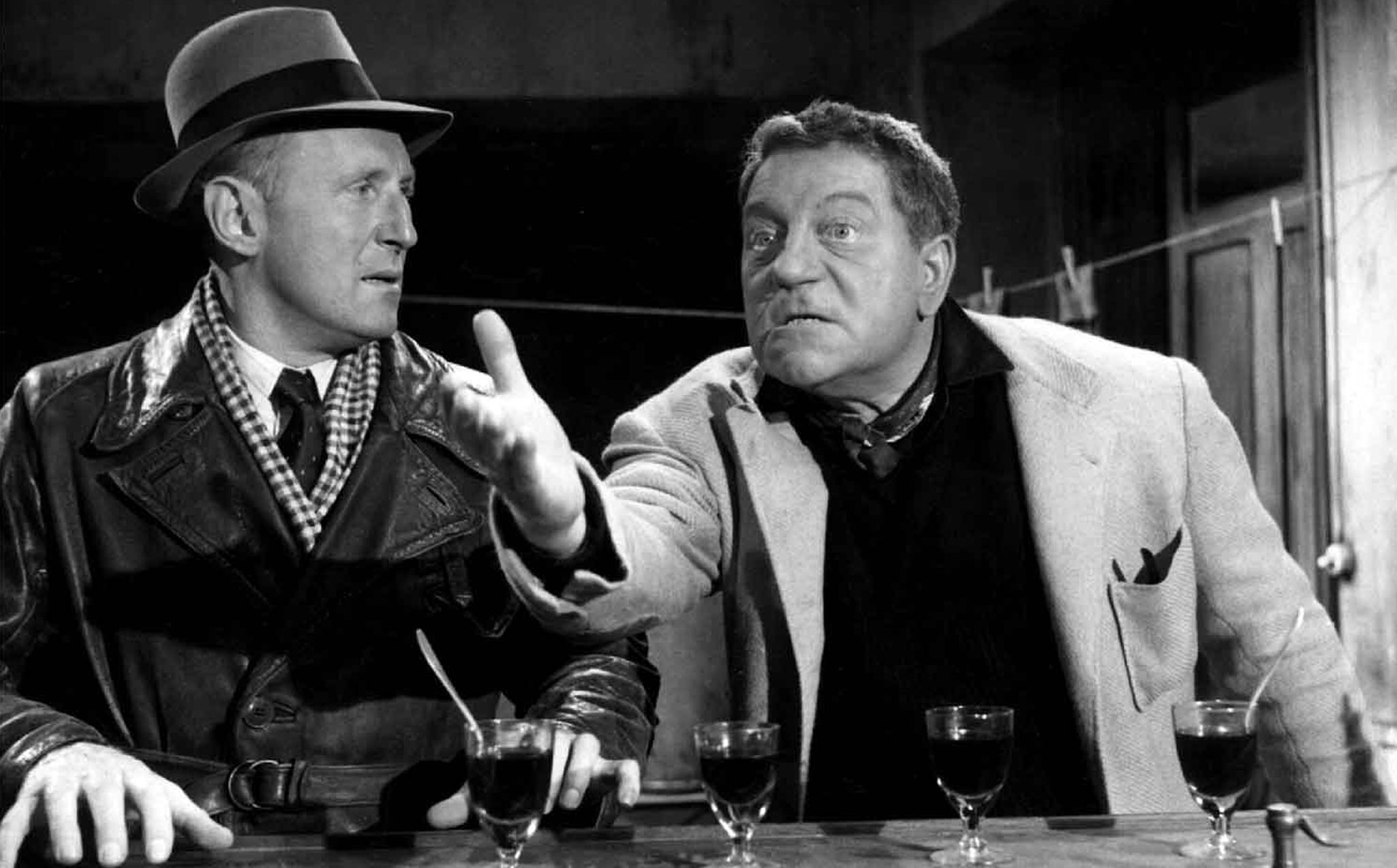
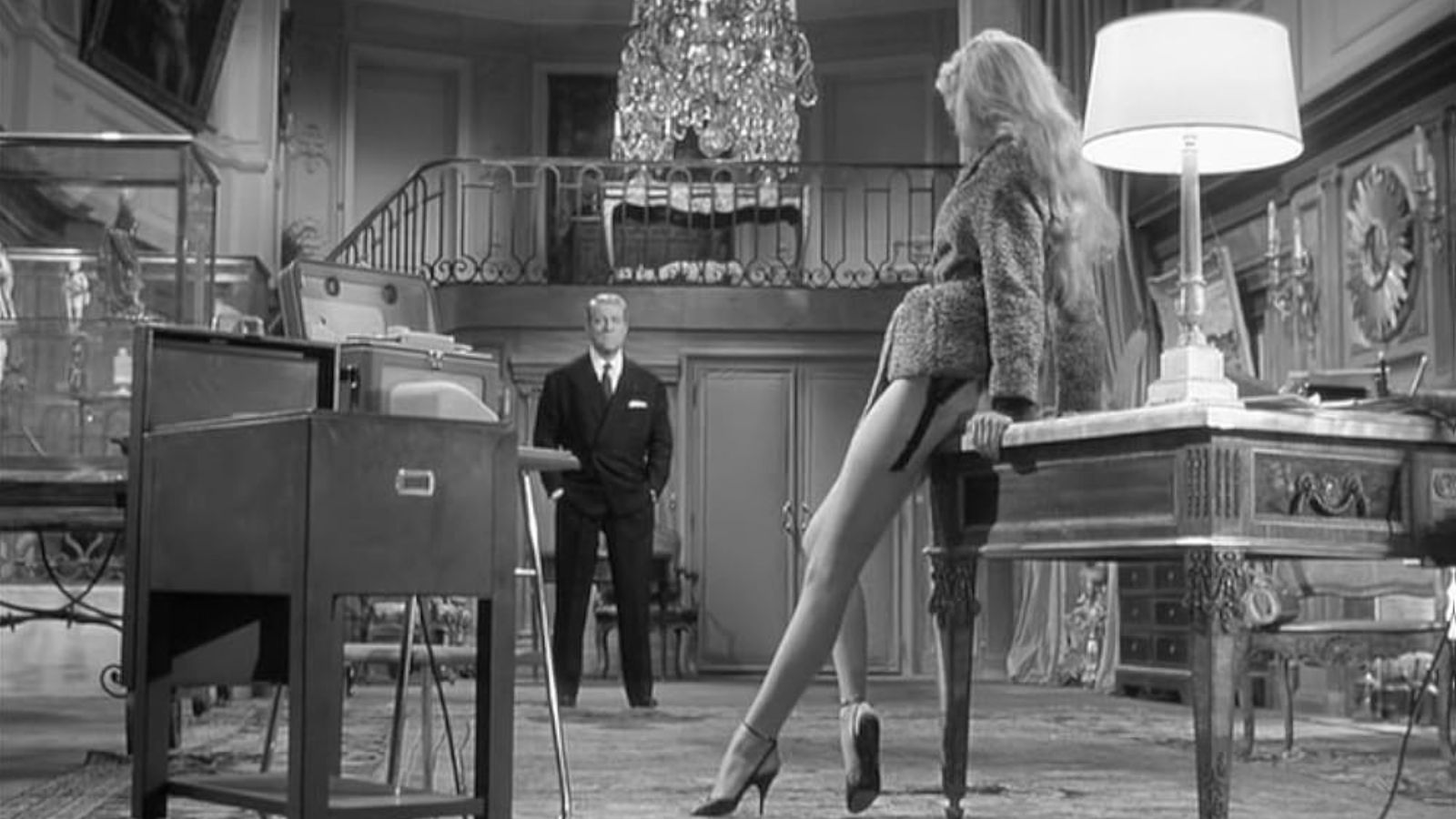
Claude Autant-Lara (1901 – 2000)
- 1933 – Ciboulette
- 1936 – The Mysterious Mr. Davis
- 1937 – The Courier of Lyon
- 1938 – The Gutter
- 1939 – Fric-Frac
- 1942 – Chiffon’s Wedding
- 1942 – Love Letters
- 1943 – Love Story
- 1946 – Sylvie and the Ghost
- 1947 – Devil in the Flesh
- 1949 – Keep an Eye on Amelia
- 1951 – The Red Inn
- 1952 – The Seven Deadly Sins
- 1953 – Good Lord Without Confession
- 1954 – The Game of Love
- 1954 – The Red and the Black
- 1955 – Marguerite of the Night
- 1956 – The Anodin Family
- 1956 – La Traversée de Paris
- 1958 – The Gambler
- 1958 – Love Is My Profession
- 1959 – The Green Mare
- 1960 – The Regattas of San Francisco
- 1960 – Between Love and Duty
- 1961 – Thou Shalt Not Kill
- 1961 – The Story of the Count of Monte Cristo
- 1961 – Long Live Henry IV… Long Live Love!
- 1963 – Enough Rope
- 1963 – Josefa’s Loot
- 1965 – A Woman in White
- 1966 – Une femme en blanc se révolte
- 1967 – The Oldest Profession
- 1968 – Franciscan of Bourges
- 1969 – Les Patates
- 1973 – Lucien Leuwen
- 1977 – Gloria
- Psychological Realism and Literary Adaptation: The partnership with Aurenche and Bost (precisely the collaboration Truffaut attacked) produced scripts of genuine literary intelligence that Autant-Lara translated into film with an emphasis on character psychology over plot mechanics. His films are interested in what happens inside the characters within that architecture rather than in faithfully illustrating the narrative surface.
- Subversive Anti-Clericalism and Social Satire: Throughout his filmography, Autant-Lara critiques bourgeois society, the military, and the Catholic Church. He does so using irony and dark humour to expose the hypocrisy and moral decay of upper-class conventions, making films like L’Auberge rouge (The Red Inn) scathing critiques of religious and social institutions.
- Meticulous Studio Craftsmanship: Autant-Lara came up through set and costume design and never lost that visual perfectionism. His studios aren’t neutral backgrounds. The formal, detailed interiors mirror the social rigidity his characters inhabit, the suffocating bourgeois space made tangible through production design. The precision is the argument.
- Defiant Protagonists Against Social Constraint: Across all of Autant-Lara’s films, he centres characters whose desires or circumstances put them in direct collision with the moral order their society enforces. The sympathy is always with the transgressor, never with the institution doing the enforcing.
- Pessimistic Fatalism and Moral Ambiguity: His films don’t resolve comfortably, and they don’t want to. The endings are tragic or ironic or pointedly unresolved, and the moral landscape is consistently grey. Characters make compromised choices, institutions are corrupt, and the social order grinds people down regardless of their individual virtue. The worldview is that of someone who found the pieties of postwar France both false and actively harmful, and made films that said so.
- Andre Cayatte
- Jacques Feyder
- Jean Renoir
- Joseph Mankiewicz
- Julien Duvivier
- Marcel Carne
- Mauro Bolognini
- Pierre Chenal
- Rene Clement
- Yves Allegret
Biography
Coming soon

