
Julien Duvivier made over sixty films across five decades. He straddled silent cinema right up to the cusp of May ’68. He is a director of indisputable greatness. Watch Pepe le Moko or Panique and try to disagree. Yet he’s a hard sell as a canonical great. The New Wave certainly didn’t revere him; critics occasionally reappraise his work as important, but personally, he remains the third man of poetic realism: Far behind Renoir, just behind Carne.
He came up in the silent era and adapted to sound well, which set him apart from most of his 1920s contemporaries. The 1930s were his decade — a string of films made with Jean Gabin that defined a certain image of French masculinity and fatalism: the man trapped by circumstance, cornered by fate, going down with a kind of dignity that makes the tragedy bearable. Pépé le Moko is the purest version of this: a gangster hiding in the Algiers Casbah who can’t leave without dying and can’t stay without slowly extinguishing. Howard Hawks and John Cromwell both remade it within a year, which tells you something about the strength of the original.
His Hollywood years during the war produced uneven work, as they did for most European émigré directors, but his return to France brought Panique, arguably his masterpiece, a portrait of a community turning on an outsider that is as cold and clear-eyed about mob psychology as anything in French cinema.
He never stopped working and never stopped being interesting, even when the later films are minor. That consistency is its own kind of achievement.
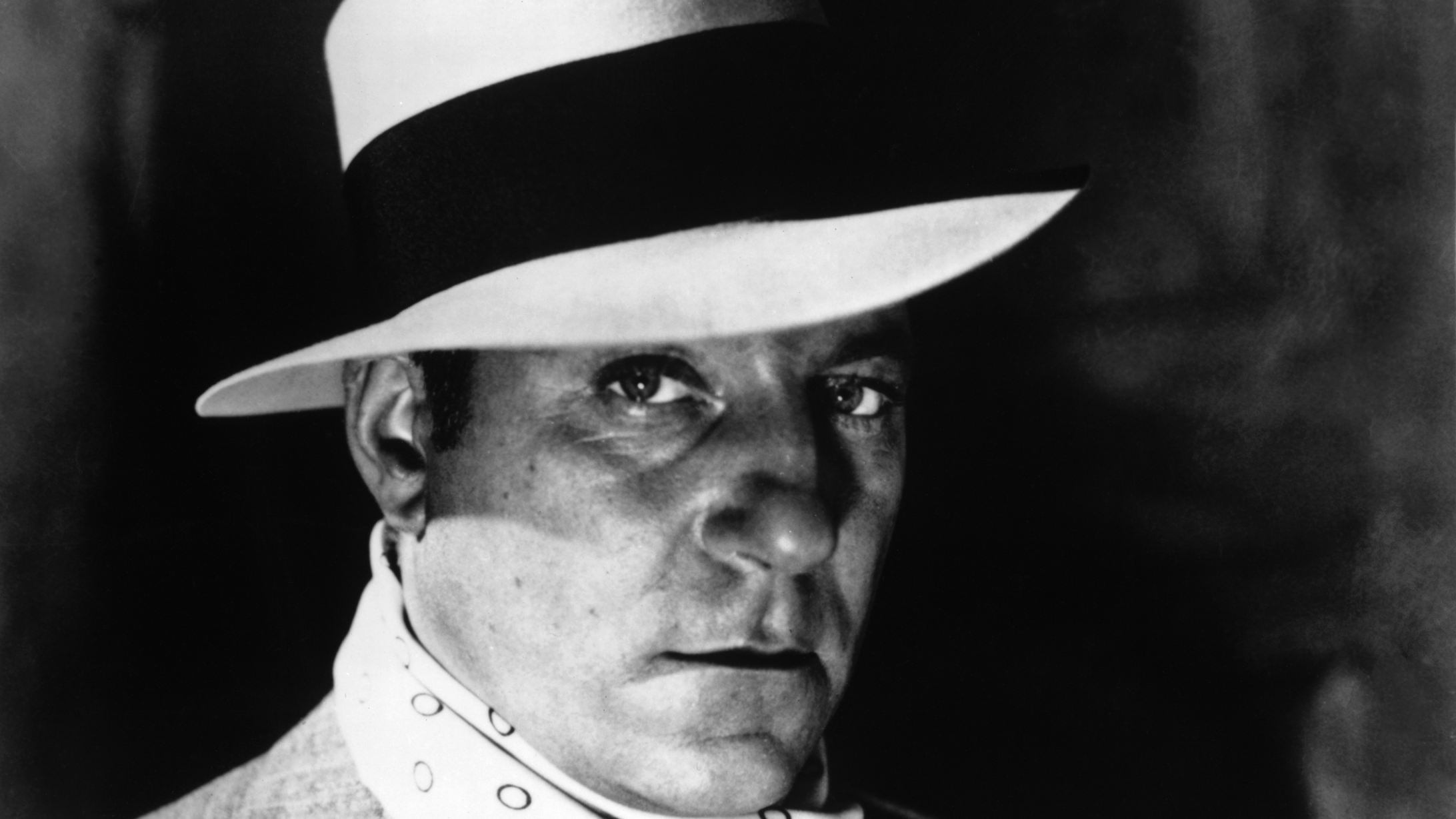
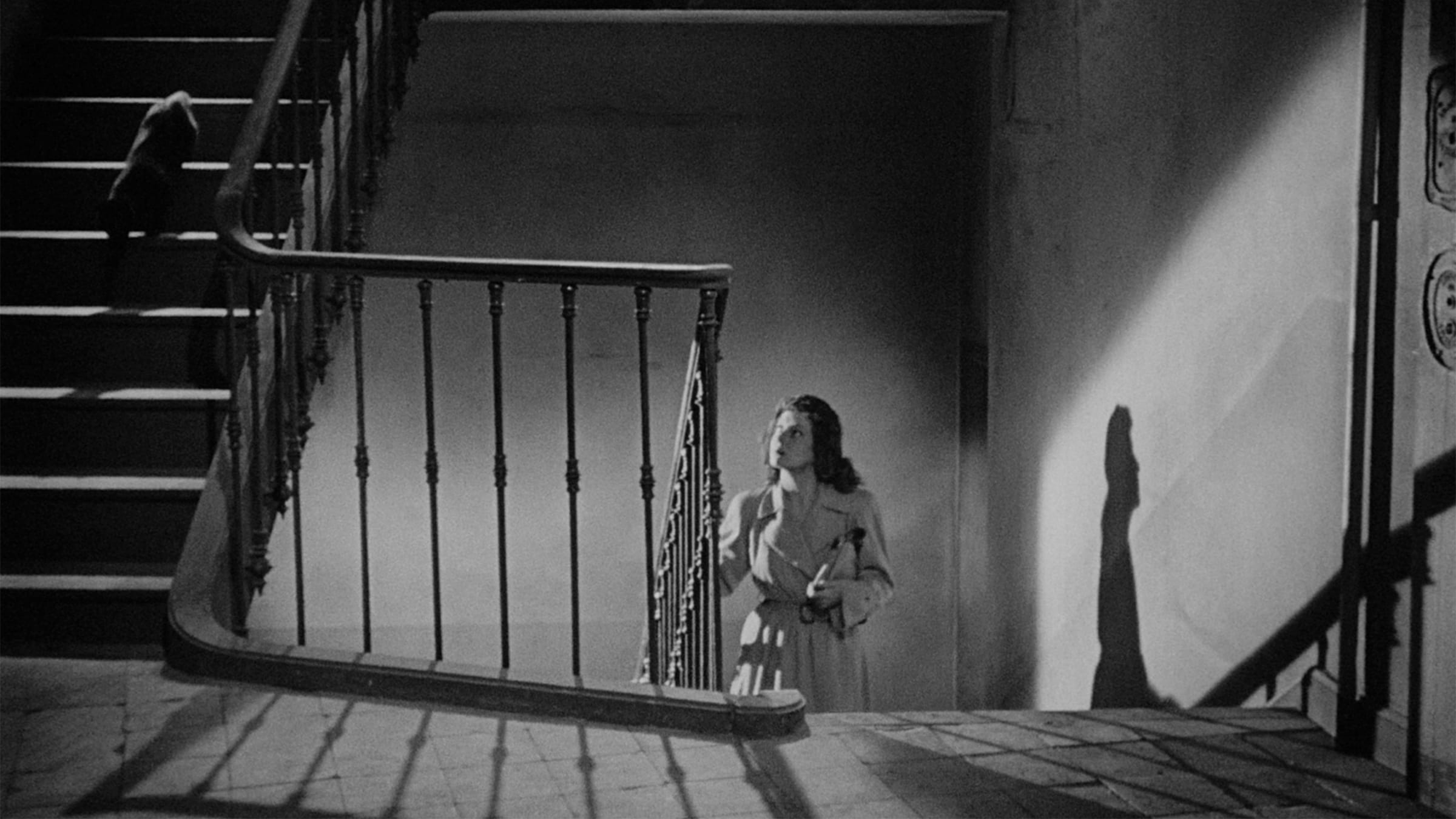
Julien Duvivier (1896 – 1967)
- 1919 – Haceldama ou le prix du sang
- 1920 – La reincarnation de Serge Ranaudier
- 1919 – Haceldama ou le prix du sang
- 1920 – La réincarnation de Serge Renaudier
- 1922 – L’agonie des aigles
- 1922 – Les Roquevillard
- 1922 – Le logis de l’horreur
- 1922 – L’ouragan sur la montagne
- 1923 – Le reflet de Claude Mercœur
- 1924 – La machine à refaire la vie
- 1924 – Credo ou la tragédie de Lourdes
- 1924 – L’œuvre immortelle
- 1924 – Cœurs farouches
- 1925 – Poil de carotte
- 1925 – L’abbé Constantin
- 1926 – L’Homme à l’Hispano
- 1927 – Le mariage de Mademoiselle Beulemans
- 1927 – L’agonie de Jérusalem
- 1928 – Le mystère de la tour Eiffel
- 1928 – Le tourbillon de Paris
- 1929 – La Vie miraculeuse de Thérèse Martin
- 1929 – Maman Colibri
- 1929 – La divine croisière
- 1930 – Au bonheur des dames
- 1931 – David Golder
- 1931 – Les cinq gentlemen maudits
- 1931 – Allo Berlin? Ici Paris!
- 1932 – Die fünf verfluchten Gentlemen
- 1932 – La Vénus du collège
- 1932 – Poil de carotte
- 1933 – La Tête d’un homme
- 1933 – Le petit roi
- 1933 – La machine à refaire la vie
- 1934 – Le paquebot Tenacity
- 1934 – Maria Chapdelaine
- 1935 – Golgotha
- 1935 – La Bandera
- 1936 – Le golem
- 1936 – L’homme du jour
- 1936 – La Belle Équipe
- 1937 – Pépé le Moko
- 1937 – Un carnet de bal
- 1938 – Marie Antoinette
- 1938 – The Great Waltz
- 1939 – La fin du jour
- 1939 – La charrette fantôme
- 1941 – Lydia
- 1942 – Tales of Manhattan
- 1943 – Flesh and Fantasy
- 1943 – Untel père et fils
- 1944 – The Impostor
- 1944 – Destiny
- 1946 – Panique
- 1948 – Anna Karenina
- 1949 – Au royaume des cieux
- 1950 – Black Jack
- 1951 – Sous le ciel de Paris
- 1952 – Le Petit monde de Don Camillo
- 1952 – La Fête à Henriette
- 1953 – Le Retour de Don Camillo
- 1954 – L’affaire Maurizius
- 1955 – Marianne de ma jeunesse
- 1956 – Voici le temps des assassins
- 1957 – L’Homme à l’imperméable
- 1957 – Pot-Bouille
- 1959 – La Femme et le Pantin
- 1959 – Marie-Octobre
- 1960 – La Grande vie
- 1960 – Boulevard
- 1962 – La chambre ardente
- 1963 – Le Diable et les Dix Commandements
- 1963 – Chair de poule
- 1967 – Diaboliquement vôtre
- Fatalism and Entrapment: Duvivier’s men are almost always caught by circumstance. This is rarely dramatic like in a thriller, but rather the slow, knowing strangulation. Pépé le Moko makes this literal, but the same logic runs through most of his best work.
- Poetic Realism’s Darker Register: Where Renoir finds warmth and Carne finds doomed romanticism, Duvivier finds something colder. He is fundamentally pessimistic about human nature in a way the other poetic realist directors simply weren’t.
- The Mob and the Individual: Panique is the clearest statement but the theme recurs: Communities are dangerous, crowds are cruel, and the outsider or misfit is always vulnerable to the collective’s worst impulses. It’s a remarkably consistent preoccupation.
- Atmospheric Accumulation: Duvivier builds mood the way a novelist builds dread; gradually, through detail, through the texture of places and faces. The Algiers Casbah in Pépé le Moko isn’t a backdrop; it’s a character. His locations are always doing psychological work.
- Genre Fluency: Duvivier moved through genres like butter without ever settling into one. Don Camillo and Pépé le Moko are by the same director, and that’s genuinely surprising. The sensibility is consistent even when the surface changes completely.
- Claude Autant-Lara
- Henri-Georges Clouzot
- Jacques Becker
- Jacques Feyder
- Jean Grémillon
- Jean Renoir
- Marcel Carne
- Marcel Pagnol
- Rene Clement
- Robert Siodmak
Biography
Coming soon
 Bronze Screen Dream