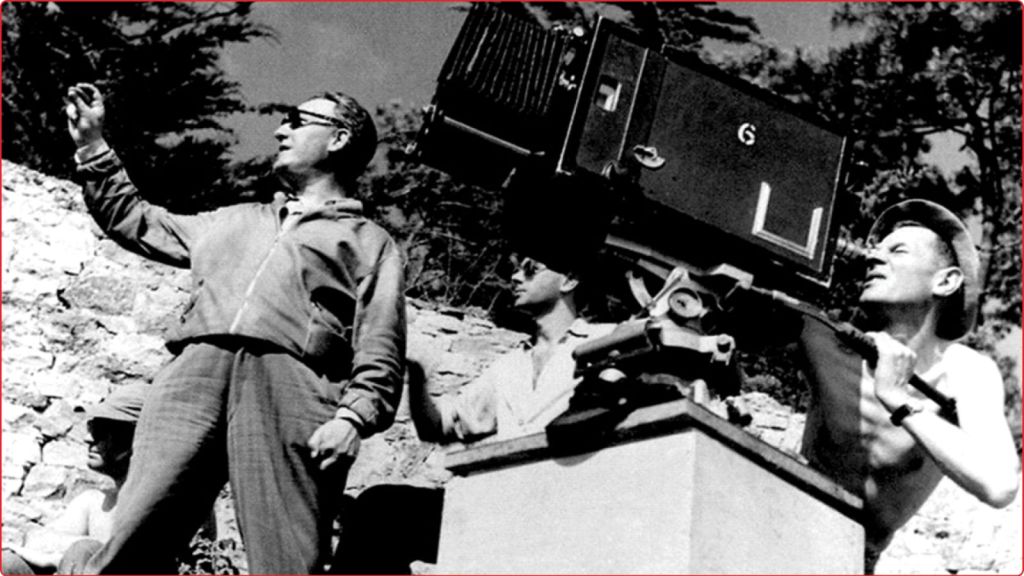
Jean Grémillon trained as a musician, not a filmmaker. Biolin and composition at the Schola Cantorum, where Vincent d’Indy taught him, and Ravel and Stravinsky were classmates. He went there against his father’s wish that he become an engineer instead, and the music never really left the films; the rhythm and structure of his best work owe as much to composition as to editing. He moved into cinema sideways, through documentary shorts about manual labour and craft, and that early eye for physical work stayed with him for the rest of his career.
He’s remembered, when remembered at all, as cinema’s great unlucky case. The phrase historians use is cinéaste maudit. A director whose qualities never received the recognition they deserved, undone less by talent than by an unwillingness to bend his ideas to what producers wanted. His left-wing politics didn’t help him find financing either. The result is a career full of gaps: silent acclaim, an early sound failure that forced him abroad, a rescue via German-financed production, and then four extraordinary years before it all closed down again.
Those four years are the case for Grémillon. Gueule d’amour in 1937, with Jean Gabin, started the run, but it’s the two films he made under Occupation censorship: Lumière d’été (1943) and Le Ciel est à vous (1944), both starring Madeleine Renaud, that are the real achievement: films that smuggled criticism of Vichy France past the censors inside melodrama and aviation drama respectively. After the war, the work nearly stopped. He took over Pattes Blanches from Jean Anouilh at a few days’ notice, made one last, quietly devastating feature about a Brittany schoolteacher, and spent his final decade largely on documentaries and unrealised projects, propping up what he could through his own production company.
What unites the silent films, the studio melodramas and the Brittany pictures is a refusal of surface realism. Grémillon rejected what he called “mechanical naturalism” in favour of a cinema built from harmonies and unknown relations between objects and beings; a very composer’s way of describing what a film should do. It’s there in the way the sea and the lighthouse function in his Brittany films, less as a setting than as a kind of pressure on the people living beside them.
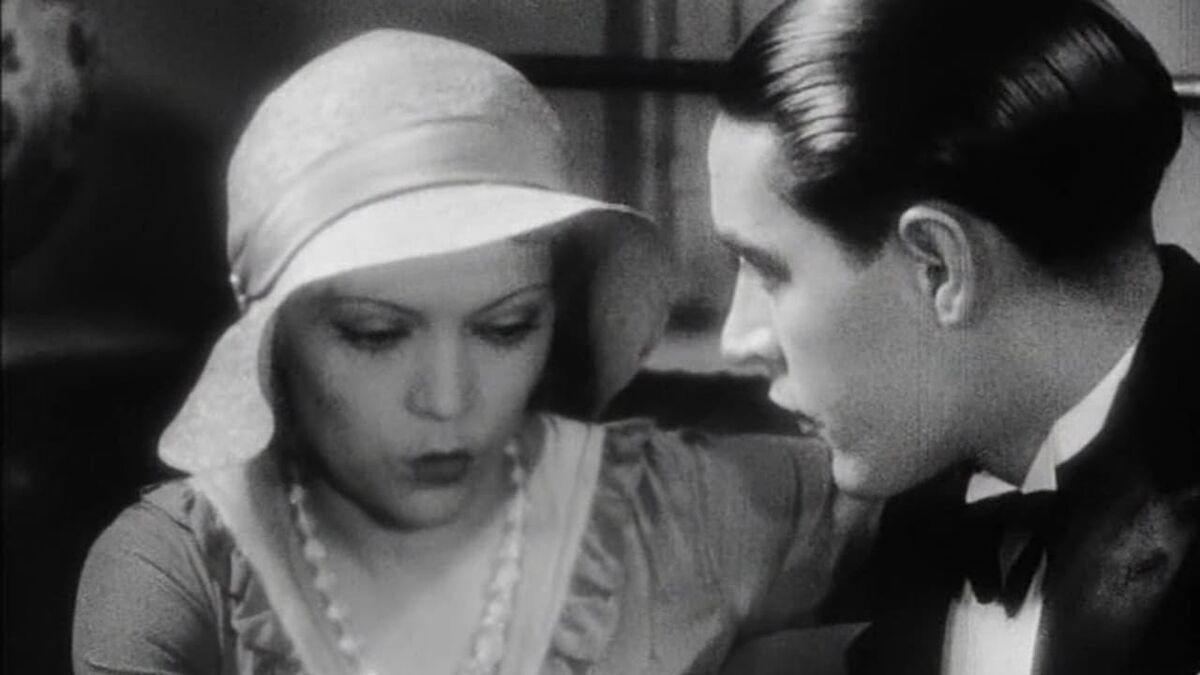
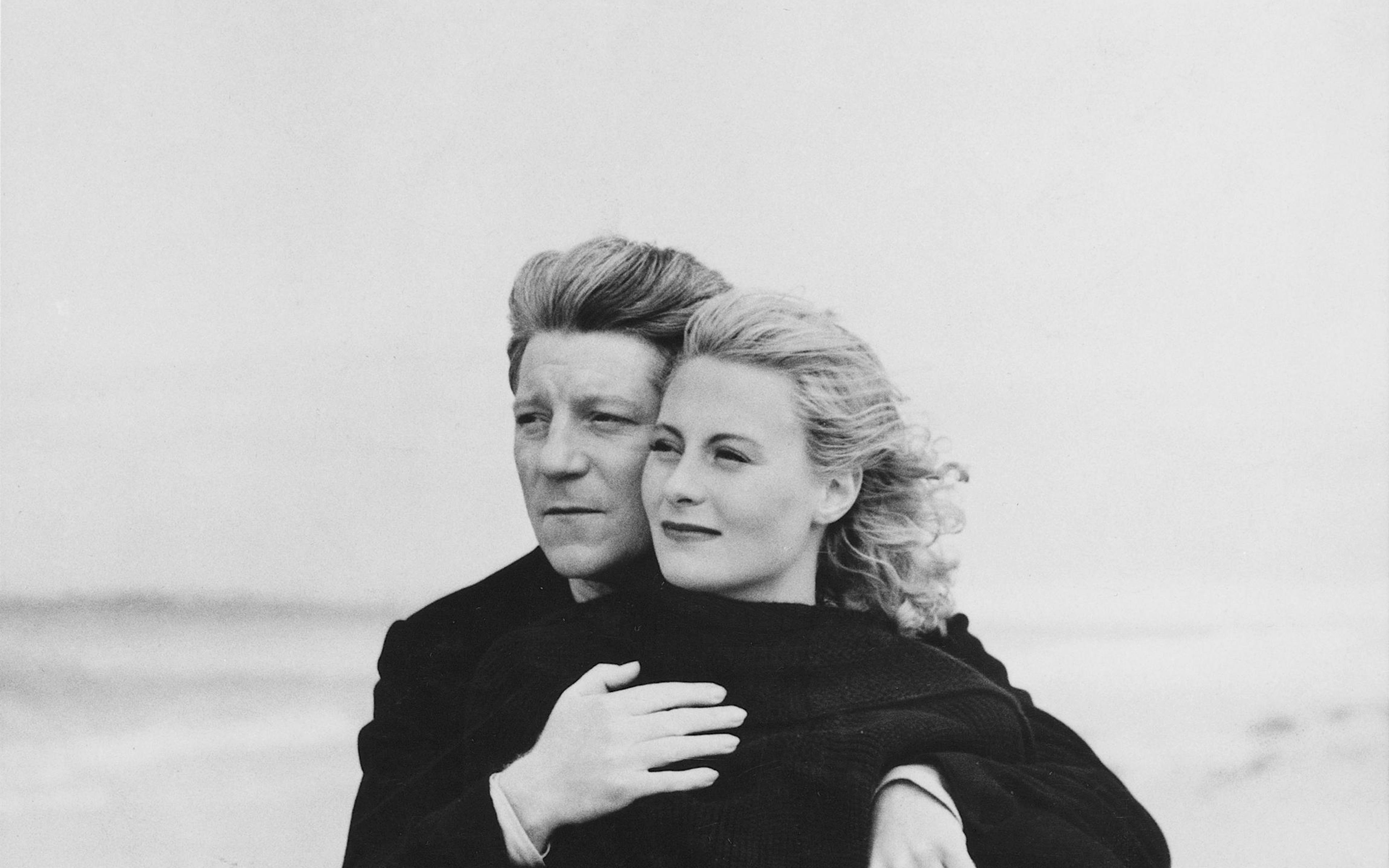
Jean Grémillon (1901 – 1959)
- 1928 – Maldone
- 1929 – Gardiens de phare
- 1930 – La Petite Lise
- 1931 – Dainah la mtisse
- 1932 – Pour un sou d’amour
- 1933 – Gonzague
- 1935 – La Dolorosa
- 1936 – Valse royale
- 1936 – Les Pattes de mouches
- 1937 – Gueule d’amour
- 1938 – L’Étrange Monsieur Victor
- 1941 – Stormy Waters
- 1943 – Lumiere d’ete
- 1944 – Le ciel est a vous
- 1949 – Pattes blanches
- 1951 – L’Etrange Madame X
- 1953 – L’Amour d’une femme
- Music as Structure, Not Decoration: Trained as a violinist before he ever picked up a camera, Grémillon thought in rhythm and counterpoint rather than illustration. La Petite Lise refused the era’s rush to dialogue-driven sound, building instead an almost operatic weave of ambient noise and overlapping voices. Editing, for him, behaves like a musical phrase: it crescendos and falls away rather than simply cutting.
- Desire Against Duty: Where Renoir and Carné worked outward toward society, Grémillon’s poetic realism pivots inward. His characters are pulled apart by private obsessions that rarely resolve gently: love against vocation, desire against duty. They can love and hate the same person with equal, self-destructive force, pushed to the edge of collapse by feelings they can’t organise.
- Landscape, Labour, and Machinery: Gremillon’s films feature recurring elements: Brittany’s coastline, the dignity of work, and the machinery of work itself. All filmed with rhythmic attention.
- Melodrama as Cover for Politics: A lifelong sympathy with trade unionism and the left runs under the surface of his plots. Lumière d’été and Le Ciel est à vous, both made under Occupation censorship, use melodrama as camouflage for a critique of Vichy France.
- Cracking the Frame: Grémillon’s roots in 1920s avant-garde cinema never left him. Double exposure, handheld blur, sharp non-naturalistic lighting. These surface whenever a character’s mind starts to come apart. Fog, smoke and angled light are layered together to build a dreamlike unease, reality stripped back to get at something truer underneath.
- Alberto Cavalcanti
- Dimitri Kirsanoff
- G.W. Pabst
- Georges Rouquier
- Jacques Feyder
- Jean Epstein
- Jean Renoir
- Marcel Carne
- Powell-Pressburger
- Yves Allegret
Biography
Coming soon

