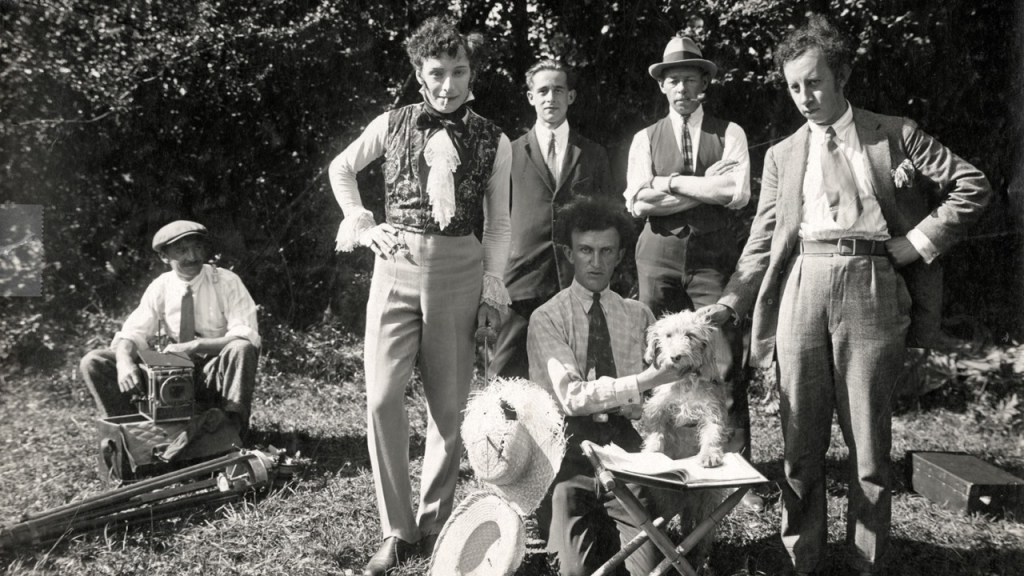
Jean Epstein is one of those figures who matters more as a thinker than the casual filmography suggests; on paper, Epstein made a handful of important films: Coeur Fidèle, The Fall of the House of Usher, Finnis Terrae, Le Tempestaire; over a thirty-year period and then faded out. But the reality is that Epstein is much more important than that.
Central to his importance is his theoretical writings on photogénie; the idea that cinema could reveal something in objects, faces and movement that the naked eye misses, a kind of heightened reality accessible only through the lens; this wasn’t just an aesthetic position, it was a philosophical one, and it shaped the entire French Impressionist movement he helped define.
Epstein came to film from medicine in literature, an odd alchemy that let him create a filmography equally analytical and sensory. He was always ahead of his moment. Coeur Fidele’s fairground sequence, with its rapid cutting and vertiginous movement, feels decades ahead of its time. The Fall of the House of Usher handles atmosphere in a way that cinema wouldn’t until the 1950s at the earliest.
The Brittany documentaries, Finis Terrae, Mor Vran, L’Or des Mers, are the other essential Epstein, and arguably more prescient. Shot on location with non-professional islanders, they anticipate neorealism and ethnofiction by fifteen years. Le Tempestaire, made in 1947 after years of relative obscurity, is a late masterpiece that somehow pulls the Brittany work and the experimental silent films into the same space. He died in 1953 without much recognition; he’s never had the sort of reappraisal other experimenters like Maya Deren or Germain Dulac have had, but his influence had always been there in the background.
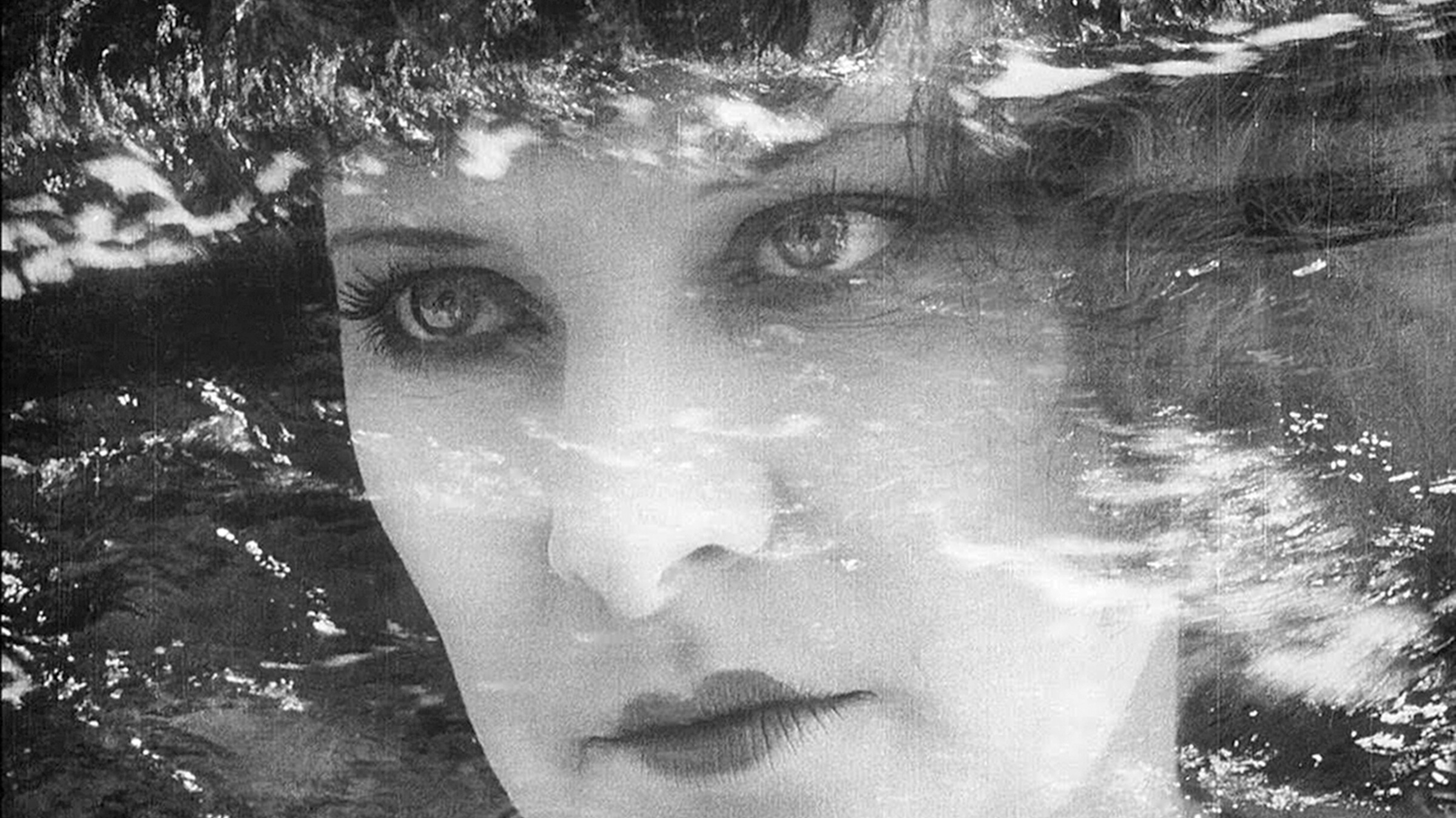
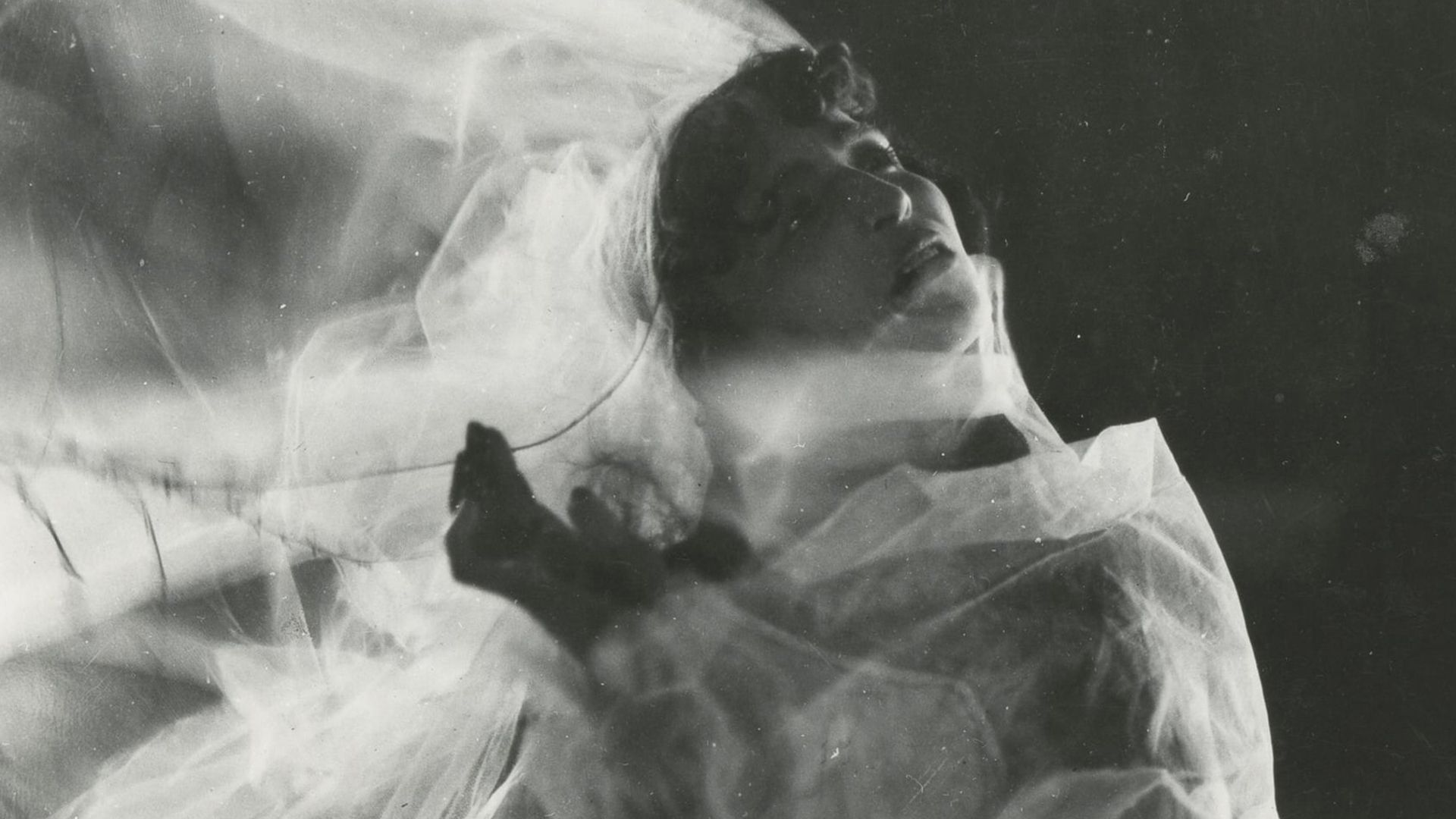
Jean Epstein (1897 – 1953)
- 1922 – Pasteur
- 1923 – La Montage infidele
- 1923 – Cœur fidèle
- 1923 – The Red Inn
- 1924 – Le Lion des Mogols
- 1924 – La Goutte de sang
- 1924 – La Belle Nivernaise
- 1924 – L’Affiche
- 1925 – Le Double Amour
- 1925 – The Adventures of Robert Macaire
- 1926 – Mauprat
- 1926 – Au pays de G. Sand
- 1927 – Six et demi onze
- 1927 – La Glace à trois faces
- 1928 – The Fall of the House of Usher
- 1929 – Finis Terræ
- 1929 – Sa tête
- 1930 – Le Pas de la mule
- 1931 – Notre-Dame de Paris
- 1931 – Mor vran
- 1932 – L’Or des mers
- 1933 – L’Homme à l’Hispano
- 1934 – La Châtelaine du Liban
- 1934 – Chanson d’Armor
- 1934 – La Vie d’un grand journal
- 1936 – Cuor di vagabondo
- 1936 – La Bourgogne
- 1936 – La Bretagne
- 1937 – Vive la vie
- 1938 – The Woman from the End of the World
- 1938 – Les Bâtisseurs
- 1938 – Eau vive
- 1938 – La Relève
- 1939 – Artères de France
- 1947 – Le Tempestaire
- 1948 – Les Feux de la mer
- Photogénie as Philosophy: Epstein’s central contribution to cinema was his theory of Photogénie: The idea that cinema reveals a hidden life in faces, objects and movement that ordinary perception misses. The close-up isn’t just a technique for him, it’s an epistemological claim about what film can know that other arts can’t.
- Time as Material: Epstein often used slow motion and variable speed photography to manipulate time itself. You can see this in films, The Fall of the House of Usher and Le Tempestaire, both of which feel unstable temporally.
- Brittany as Spiritual Landscape: Epstein returned to Brittany throughout his career, but he never did so to make ethnographic works or documentary studies. Instead, he used Brittany as an immersive community on the edge of the world, with its own relationship to the sea, weather and mortality, which he elevates to almost mythological.
- The Rejection of Narrative Convention: Epstein explicitly saw the story as a container for sensation and emotion, not the point of the film itself. Plot in his films tends to be minimal and a pretext for the real work.
- Literary Surrealism into Cinema: The Poe adaptation is the clearest example, but runs through the work generally. His literary sensibility treats the image as a kind of prose poetry, dense with suggestion, resistant to single interpretation.
- Abel Gance
- Alberto Cavalcanti
- Dimitri Kirsanoff
- Dziga Vertov
- Germaine Dulac
- Jean Cocteau
- Jean Gremillon
- Louis Delluc
- Luis Bunuel
- Marcel L’Herbier
Biography
Coming soon

