Michael Powell
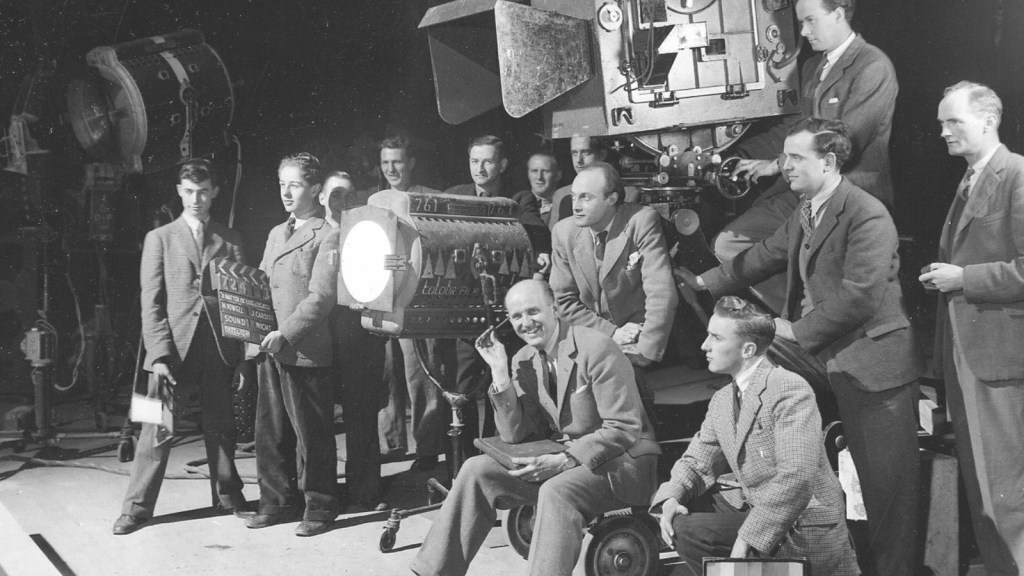
Michael Powell and Emeric Pressburger made films together for fifteen years and produced a body of work so distinctively itself that British cinema has spent the decades since trying to figure out how they did it. The Archers — their production company, named for the logo of an arrow hitting a target — operated with an unusual creative freedom inside the studio system, and used that freedom to make films that were lush, strange, psychologically intense and technically adventurous in ways that had almost no precedent in British cinema.
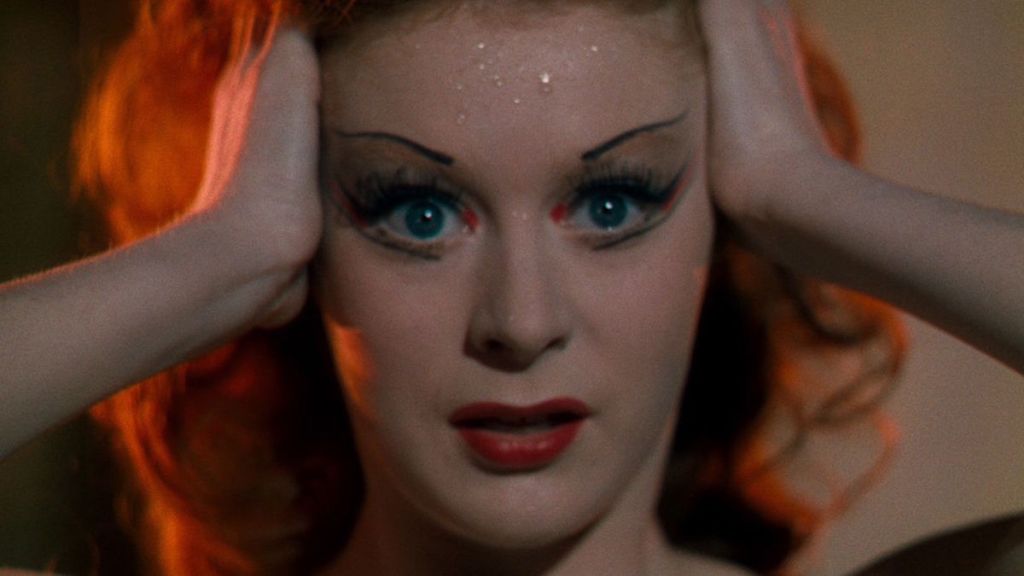
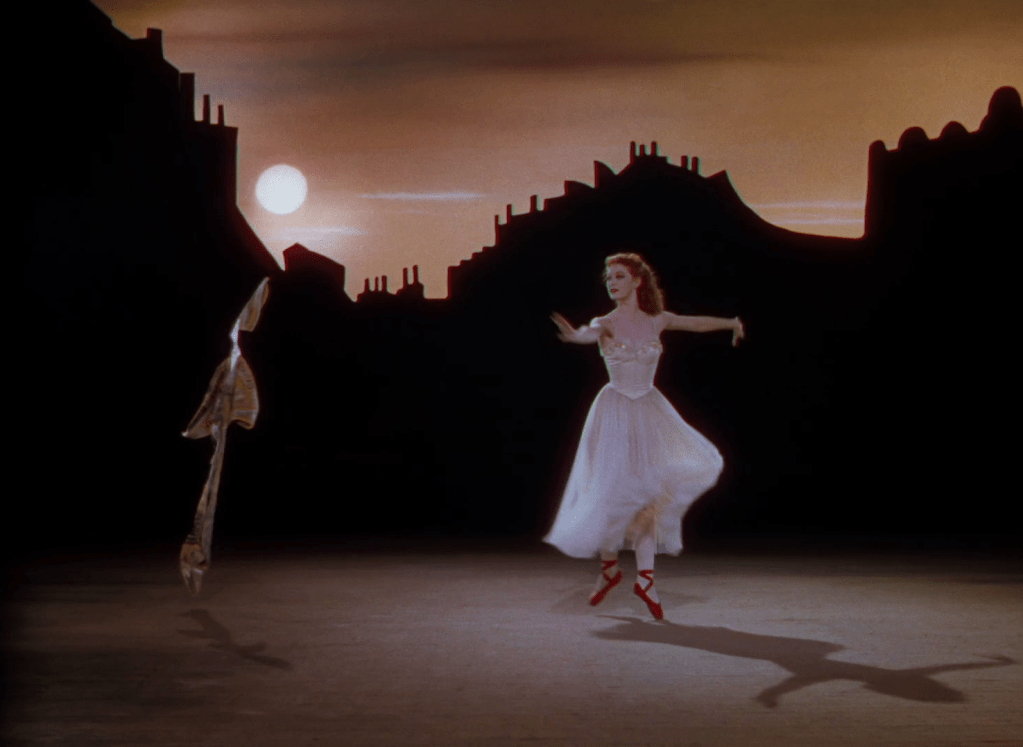
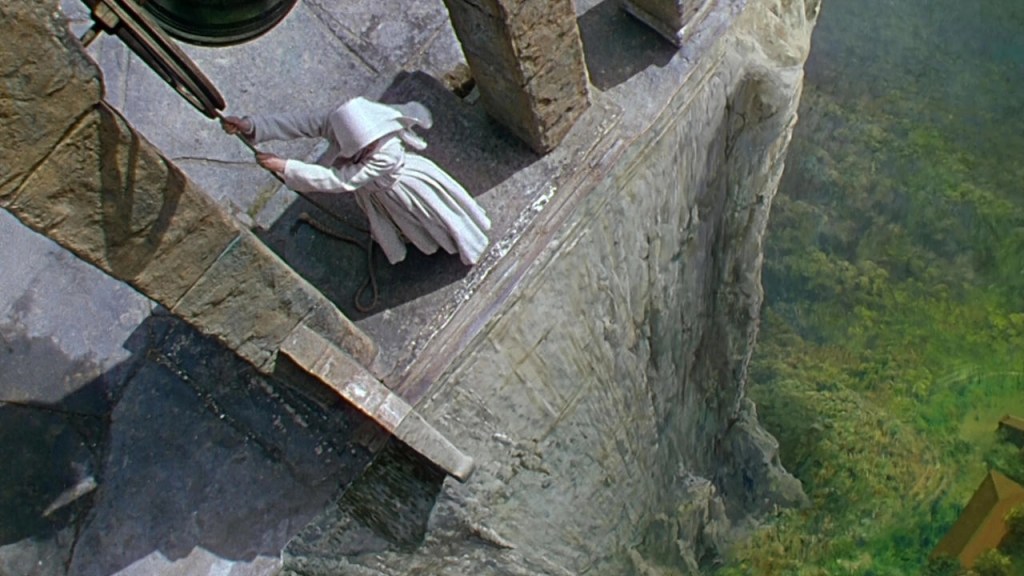
Powell came up through the quota quickies of the 1930s, grinding out low-budget pictures that taught him efficiency and gave him nothing else. The transformation when he found Pressburger as a collaborator was immediate and total. The Life and Death of Colonel Blimp, A Canterbury Tale, I Know Where I’m Going, A Matter of Life and Death, Black Narcissus, The Red Shoes — six films across five years in the 1940s, each one unlike the last and unlike anything else being made. The Technicolor work in particular, with cinematographer Jack Cardiff, used colour not as spectacle but as psychological instrument. The reds in The Red Shoes and the Himalayan palette of Black Narcissus are doing narrative work, not just decorative work.
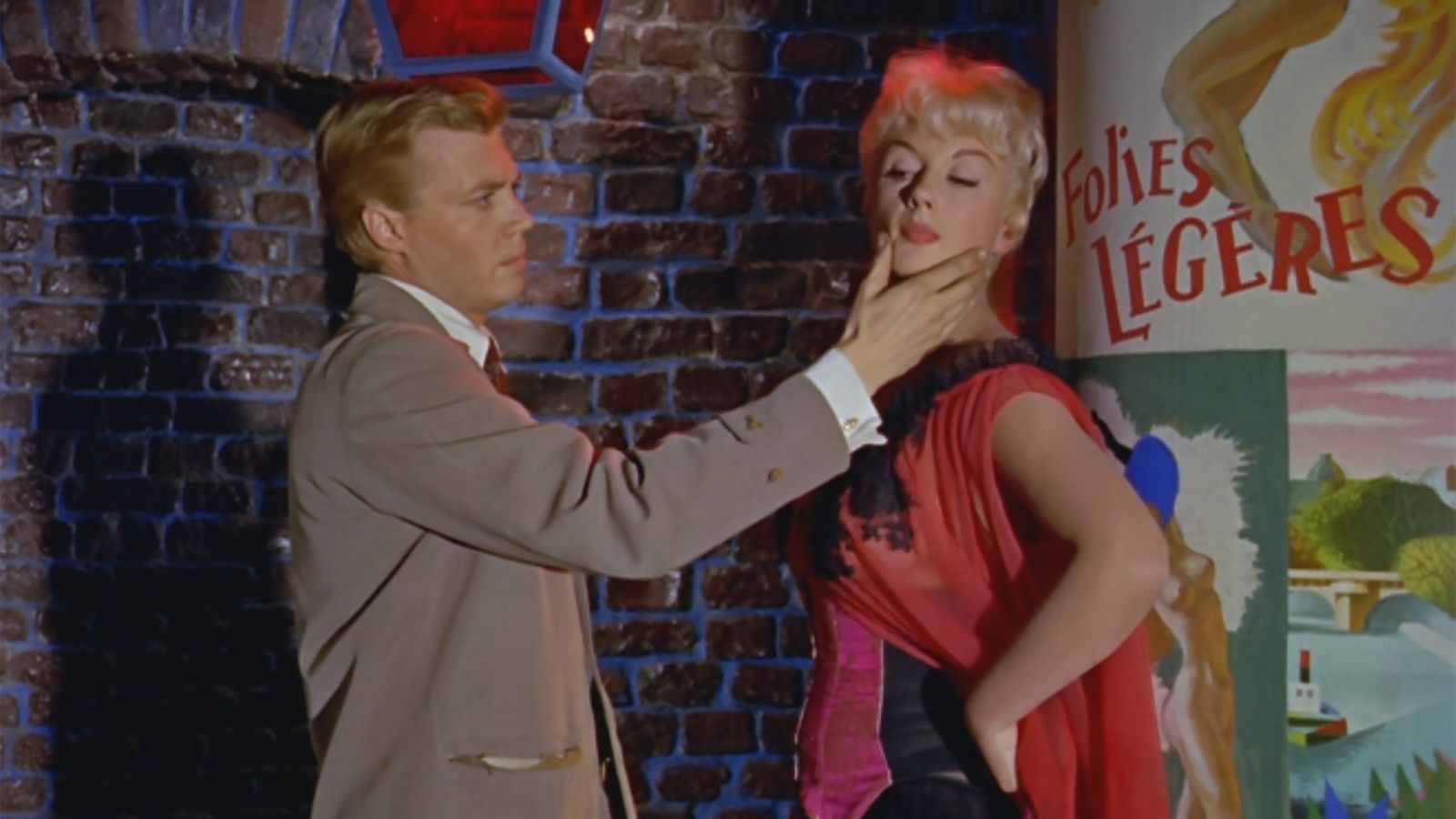
Peeping Tom in 1960 ended the mainstream career almost overnight. A film about a serial killer who photographs his victims as they die, simultaneously a horror film and a meditation on voyeurism and the act of cinema itself, it was received as an act of bad taste by a critical establishment that wasn’t ready for it. Powell never recovered professionally. The film is now regarded as one of the greatest British films ever made, and its influence on everything from Scorsese to the entire slasher genre is incalculable.
Scorsese championed Powell in his later years with a devotion that went beyond critical admiration — he restored films, wrote about them, brought Powell to America, and eventually married his daughter. That kind of posthumous advocacy is rare and speaks to the scale of what Powell achieved.
Michael Powell (1905 – 1990)
- 1932 – Hotel Splendide
- 1935 – The Phantom Light
- 1937 – The Edge of the World
- 1939 – The Spy in Black
- 1940 – Contraband
- 1940 – The Thief of Bagdad
- 1941 – 49th Parallel
- 1942 – One of Our Aircraft Is Missing
- 1943 – The Life and Death of Colonel Blimp
- 1944 – A Canterbury Tale
- 1945 – I Know Where I’m Going!
- 1946 – A Matter of Life and Death
- 1947 – Black Narcissus
- 1948 – The Red Shoes
- 1949 – The Small Back Room
- 1950 – The Elusive Pimpernel
- 1950 – Gone to Earth
- 1951 – The Tales of Hoffmann
- 1955 – Oh… Rosalinda!!
- 1956 – The Battle of the River Plate
- 1957 – Ill Met by Moonlight
- 1960 – Peeping Tom
- 1966 – They’re a Weird Mob
- 1969 – Age of Consent
- 1972 – The Boy Who Turned Yellow
- Art and Obsession: The most persistent Powell theme is the relationship between artistic vocation and human cost — The Red Shoes asks whether you can serve art and life simultaneously and answers in the negative. Peeping Tom makes filmmaking itself the obsessive pathology. The artist in Powell’s world is always at risk of being consumed by what they create.
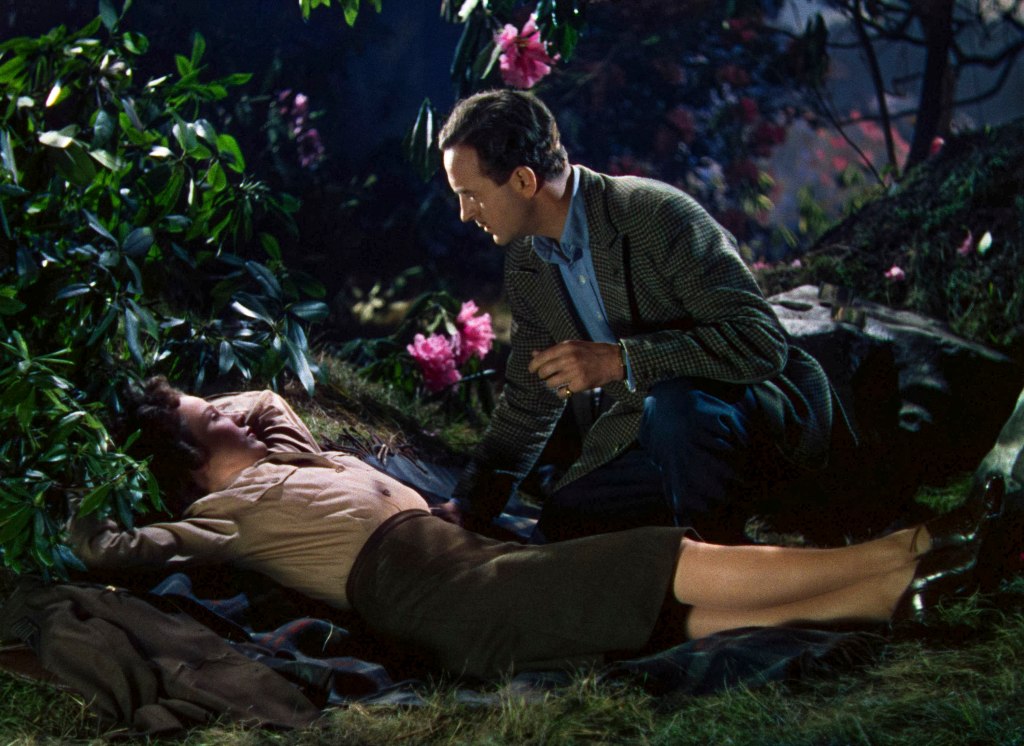
- Reality and Fantasy in Collision: Powell consistently blurred the boundary between the natural and the supernatural, the real and the imagined — A Matter of Life and Death takes its premise of heaven and earth in literal contact entirely seriously, A Canterbury Tale operates in a mode of English mysticism that defies easy categorisation. The fantastic isn’t escapist in his films; it’s a different register for expressing genuine feeling.
- British Identity and Its Contradictions: Powell was fascinated by what Britishness actually consisted of — Colonel Blimp is both a loving portrait of a certain kind of English gentleman and a clear-eyed critique of his limitations, I Know Where I’m Going sets the rationalist modern world against older Scottish traditions and doesn’t entirely side with modernity.
- Repression and Its Consequences: Black Narcissus, Peeping Tom, Gone to Earth — Powell returns repeatedly to characters whose suppressed desires erupt destructively. The connection to specifically British emotional repression is never far from the surface.
- The Natural World as Psychological Force: Landscape in Powell — the Scottish islands, the Himalayas, the Sussex countryside — is never merely backdrop. It exerts pressure on characters, reflects their internal states, and occasionally seems to have agency of its own.
- Technicolor as Psychological Instrument: Powell and Cardiff didn’t use colour for spectacle — they used it to externalise psychological states. The oppressive greens and reds of Black Narcissus, the ballet-world saturations of The Red Shoes, make the inner lives of characters visible through the palette itself.
- The Constructed Artifice: Powell was unafraid of the obviously artificial — painted backdrops, studio sets that make no attempt at realism, theatrical space openly acknowledged. This wasn’t limitation but aesthetic choice, and it gives the films a quality closer to opera or ballet than conventional cinema.
- The Long Expressive Take: Particularly in the dance and fantasy sequences, Powell used extended takes that allowed performance and visual composition to develop over time, creating passages of pure cinema that operate beyond narrative.
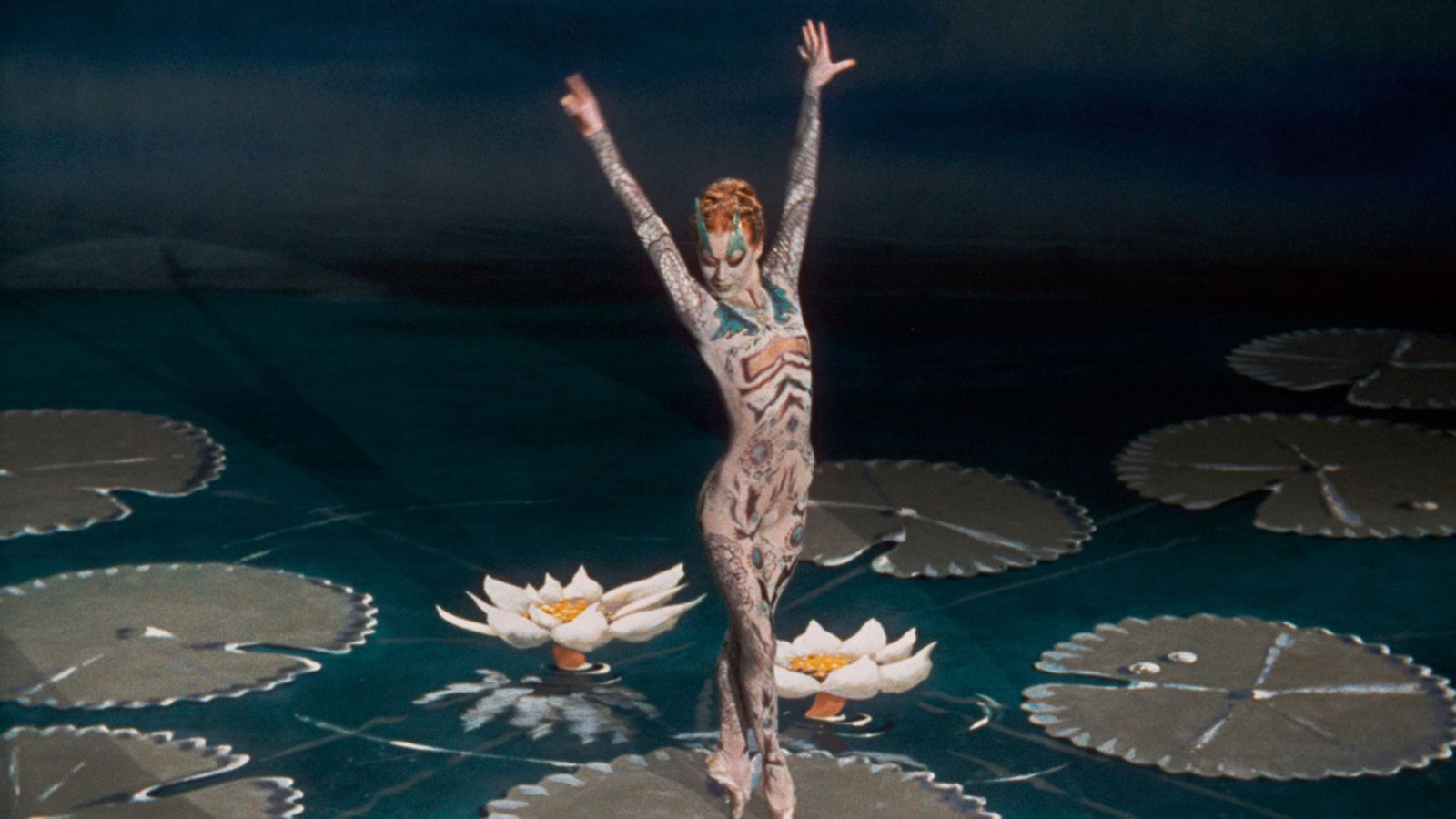
- Sound as Sensation: Powell coined the term “composed film” for sequences in which image and music were designed together from the start rather than scored afterwards — the ballet sequences in The Red Shoes are the fullest expression of this, where movement, editing rhythm and music are genuinely inseparable.
- The Subjective Camera: Peeping Tom takes this to its logical extreme — the film opens from behind the killer’s camera and never entirely relinquishes that position — but the subjective point of view, placing us inside psychological states rather than observing from outside, runs through the whole career.
- The Pressburger Collaboration: The creative partnership is itself a signature — Powell was the visual and directorial intelligence, Pressburger the literary and structural one, and the films that emerged from their collaboration have a quality that neither produced alone. The Archers credit — “Written, Produced and Directed by Michael Powell and Emeric Pressburger” — was an accurate description of a genuinely shared vision.
- Genre as Disguise: Powell’s most ambitious films are generically unstable — A Matter of Life and Death is a fantasy, a romance and a courtroom drama simultaneously; Black Narcissus is a melodrama that operates through horror conventions; Peeping Tom is a slasher film that is also a film theory essay. The genre framework contains something stranger than it appears to promise.
- The Vindicated Outsider: Powell’s career is partly a story of critical misunderstanding followed by radical revaluation. Peeping Tom destroyed his reputation; it is now canonical. The Red Shoes was considered excessive; it is now considered essential. The distance between how his films were received and how they are now regarded is one of the largest in cinema history.
- Cinema About Cinema: From the self-reflexive voyeurism of Peeping Tom to the backstage world of The Red Shoes to A Matter of Life and Death‘s opening address to the audience, Powell was consistently interested in the mechanics of spectatorship — what it means to watch, what cinema does to its audience, what the camera sees that the eye doesn’t.
Read More About Michael Powell
Coming soon as posts added


 Bronze Screen Dream