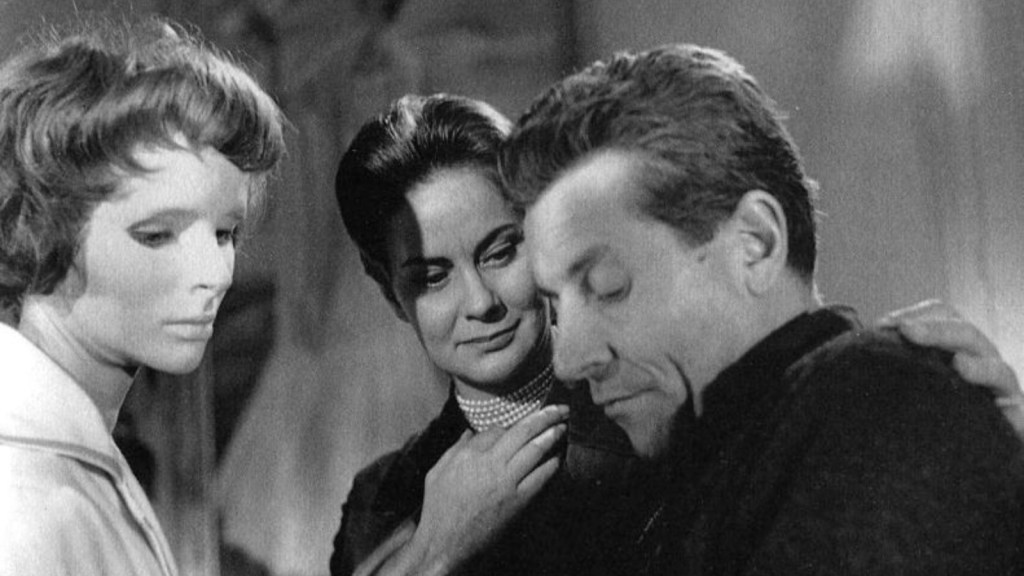
Georges Franju is the figure French cinema keeps slightly to one side — co-founder of the Cinémathèque Française, central to the institutional history of the medium, yet as a filmmaker working at an angle to every movement around him. The New Wave directors admired him, but he wasn’t one of them. He made horror, but with the deliberate, mournful pacing of someone who found the genre inadequate to what he actually wanted to do with it.
Blood of the Beasts arrived in 1949 and remains one of cinema’s most genuinely disturbing short films. It’s a documentary about Parisian slaughterhouses shot with the formal beauty of a lyric poem, the camera watching the killing of animals with the same serene attention it gives to the workers’ faces and the frost on the ground. It’s not exploitation, and it’s not protest. It’s something more troubling: the world observed without flinching, horror and beauty treated as inseparable.
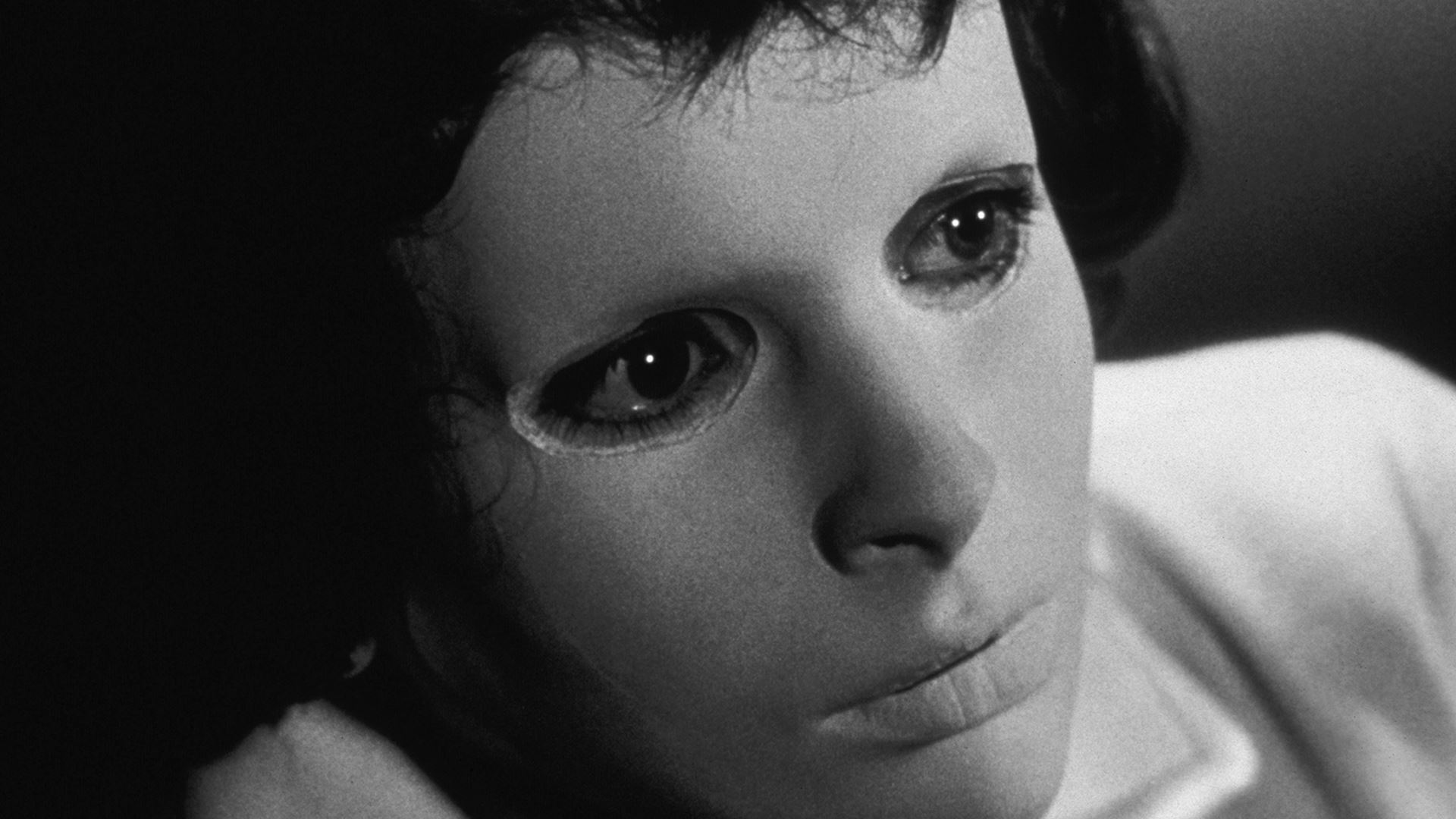
Eyes Without a Face is the feature that fixed his reputation, and it earns its canonical status. The surgery sequences are still hard to watch, but what makes the film last is the quality of grief underneath; Edith Scob’s Christiane, moving through her father’s villa in that white mask, is one of the great images of entrapment in cinema. Franju approaches the horror material with a tenderness that makes it worse, not better.
He co-founded the Cinémathèque with Henri Langlois in 1936, an act whose consequences for French cinema — and cinema generally — are almost incalculable. The New Wave directors grew up in that institution. Franju helped build the room they learned in.

Georges Franju (1912 – 1987)
- 1935 – Le Métro
- 1949 – Le Sang des bêtes
- 1950 – En passant par la Lorraine
- 1952 – Hôtel des Invalides
- 1952 – Le Grand Méliès
- 1952 – Monsieur et Madame Curie
- 1953 – Les Poussières
- 1954 – Navigation Marchande
- 1955 – À propos d’une rivière
- 1955 – Mon chien
- 1956 – Le Théâtre national populaire
- 1956 – Sur le pont d’Avignon
- 1957 – Notre-Dame, cathédrale de Paris
- 1958 – La Première Nuit
- 1959 – Head Against the Wall
- 1960 – Eyes Without a Face
- 1961 – Pleins feux sur l’assassin
- 1962 – Thérèse Desqueyroux
- 1963 – Judex
- 1965 – Thomas l’imposteur
- 1965 – Les Rideaux blancs
- 1965 – Marcel Allain
- 1970 – The Demise of Father Mouret
- 1973 – La ligne d’ombre
- 1974 – Nuits rouges
- Beauty and Horror: Everything about Franju’s cinema is a balance between beauty and horror: Le Sang des bêtes is shot like a nature documentary, Eyes Without a Face like a fairy tale. The beauty doesn’t soften the horror; it deepens it, because it suggests the two things are not opposites.
- The Surrealist Documentary: There’s something to Franju’s films that treat the world as slightly surreal; this can be seen in his short films, but also in his features. It’s like he’s documenting something just outside normal reality rather than constructing a fictional world.
- The Marginalised and the Trapped: Christiane in her mask, the patients in La Tête Contre Les Murs, the animals in Blood of the Beasts; Franju consistently locates his sympathy with figures who have no agency, who are acted upon rather than acting. There’s a political edge to this that rarely gets discussed.
- Cinema History: Every frame of Franju is steeped in cinema history. Feuillade, German expressionism. Franju’s films know they exist within tradition and handle that fact with reverence. Judex isn’t a pastiche, it’s a continuation.
- Grief as Atmosphere: The films have a pervasive mournfulness that distinguishes them from conventional horror. Eyes Without a Face is a tragedy about a father’s guilt and a daughter’s imprisonment — the horror elements emerge from that emotional core rather than existing independently.
Biography
Coming soon

