David Lynch

David Lynch came to filmmaking through painting, and it shows — his films think in images before they think in words, operating on a dream logic that doesn’t so much reject narrative as burrow underneath it to find something stranger and more truthful. Nobody else makes films that feel quite like his, which is why “Lynchian” entered the language as a descriptor for a whole quality of unease: the rot beneath the picket fence, the curtain that shouldn’t be moving.
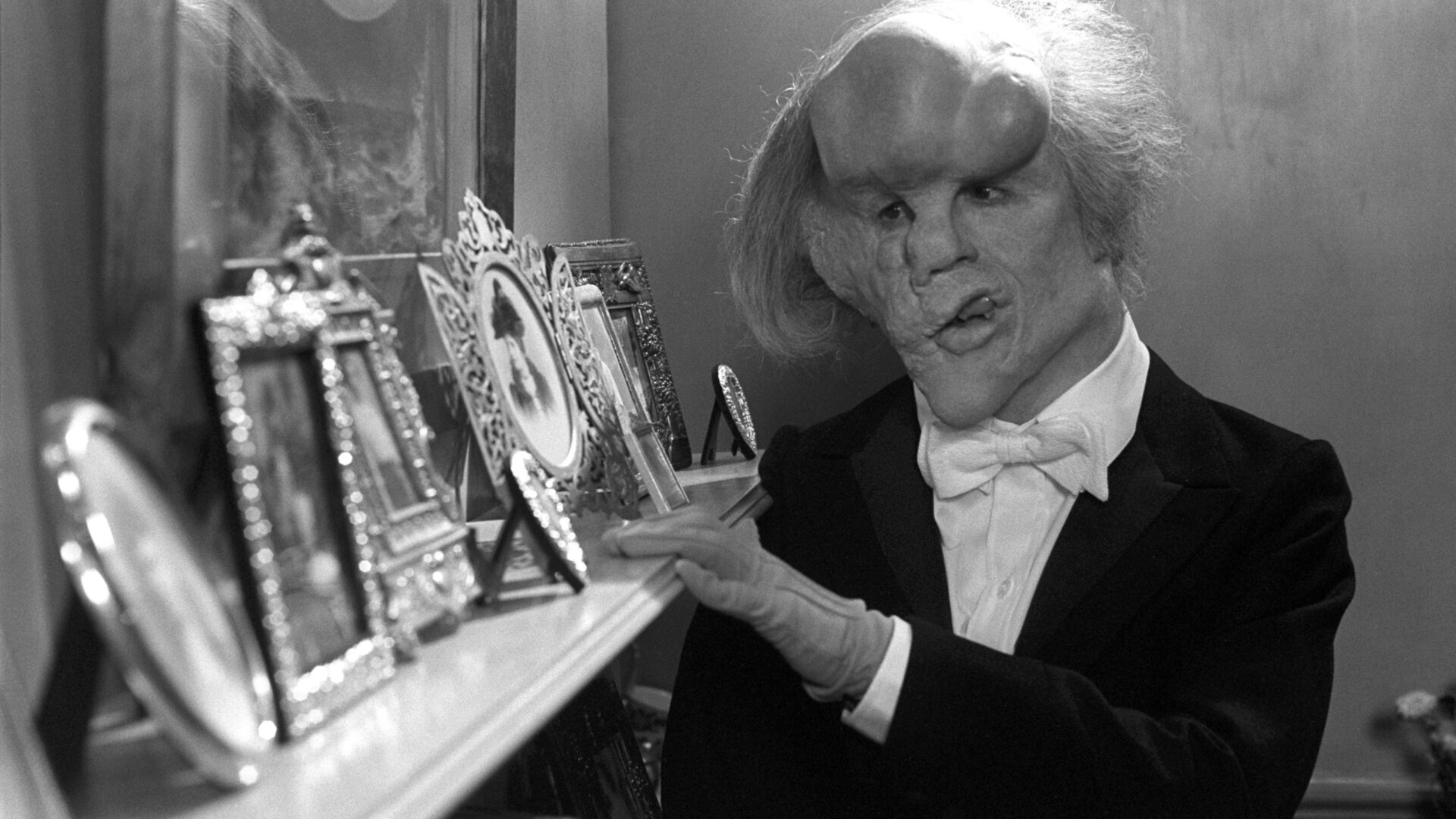
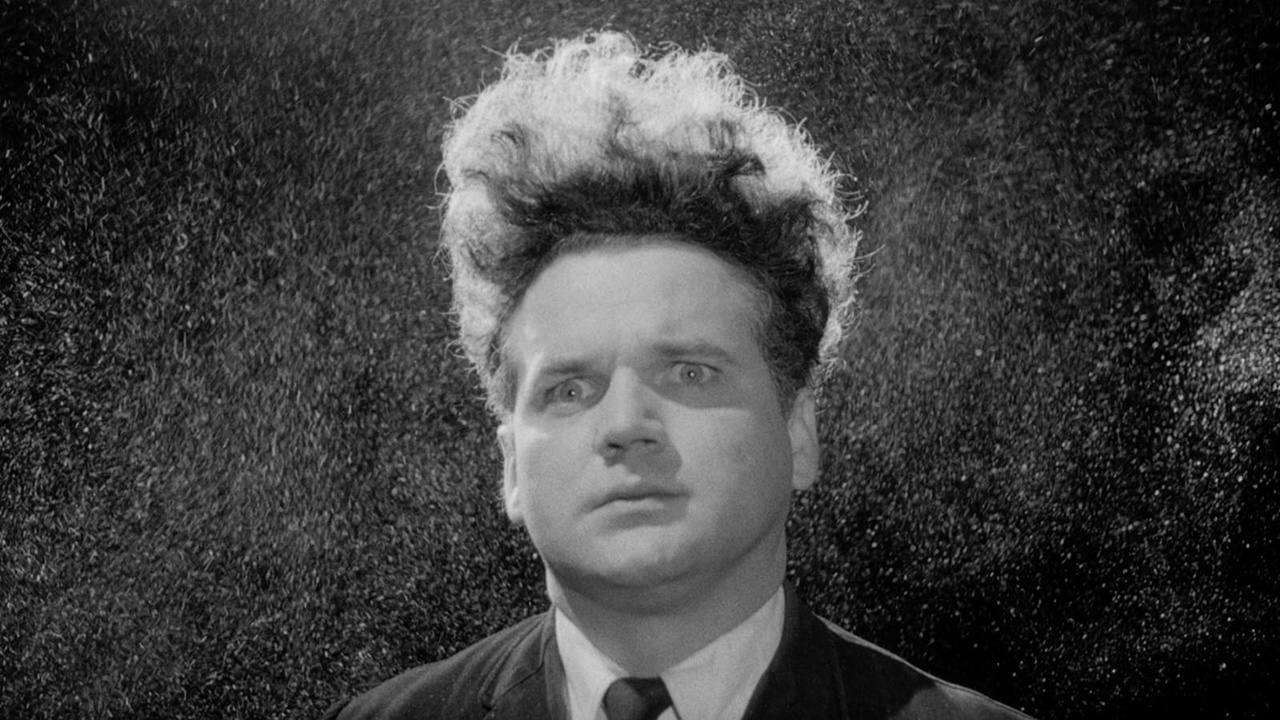
Eraserhead announced him fully formed — a film that emerged from five years of struggle in the American Film Institute’s stables and somehow found a devoted audience through midnight screenings. What followed was one of the more unpredictable careers in American cinema: a studio blockbuster (The Elephant Man), a notorious misfire (Dune), and then Blue Velvet, which is probably the film that fixed his reputation permanently. The image of what’s underneath that suburban lawn has been in the culture ever since.
Twin Peaks changed television in ways that are still being felt, and Mulholland Drive — originally a rejected TV pilot that Lynch rebuilt into a feature — is as good an argument as any for his being one of the genuine masters. His working relationship with Angelo Badalamenti gave his films a sonic world as distinctive as their visuals: that warm, slightly wrong jazz and those subterranean drones are as much Lynch as the red curtains.
He remained genuinely himself throughout, which in Hollywood is rarer than it sounds.
David Lynch (1946 – 2025)
- 1967 – Six Men Getting Sick
- 1968 – The Alphabet
- 1970 – The Grandmother
- 1974 – The Amputee
- 1977 – Eraserhead
- 1980 – The Elephant Man
- 1984 – Dune
- 1986 – Blue Velvet
- 1990 – Wild at Heart
- 1990-91 – Twin Peaks [TV]
- 1992 – Twin Peaks: Fire Walk with Me
- 1995 – Premonitions Following an Evil Deed
- 1997 – Lost Highway
- 1999 – The Straight Story
- 2001 – Mulholland Drive
- 2002 – Rabbits
- 2006 – Inland Empire
- 2017 – Twin Peaks: The Return
- 2020 – The Spider and the Bee
- Surrealism and Dreams: Lynch frequently explores the blurred lines between dreams and reality, constructing narratives that defy linear logic, as seen in Mulholland Drive and Inland Empire. His work often suggests that the dream world is as significant as the waking one.
- Duality and Identity: The theme of dual or multiple identities recurs, with characters often having secret lives or alter egos. Lost Highway and Twin Peaks present characters with complex, layered identities that question the nature of the self.
- Small-Town Americana: Lynch presents idyllic American small-town life juxtaposed with a seedy underbelly of secrets and darkness, epitomised by Blue Velvet and Twin Peaks. This contrast uncovers the unsettling aspects of the mundane.
- Industrial Decay and Body Horror: There’s a recurring motif of industrial landscapes and body horror, emphasising decay and transformation. Works like Eraserhead and The Elephant Man contemplate physical and societal deformities.
- Mystery and the Macabre: Lynch’s narratives often involve a central mystery, with elements of the macabre and supernatural weaving through the mundane, as in Twin Peaks and Blue Velvet. His stories are riddled with inexplicable events that challenge perceptions of reality.
- Dream Logic and Nonlinear Storytelling: Lynch’s style often forsakes traditional narrative structure for a dreamlike logic that operates on emotions and associations, as demonstrated in Mulholland Drive.
- Distinctive Sound Design: Sound plays a crucial role, often designed by Lynch himself, creating an atmosphere that is as important as the visual. The industrial noise in Eraserhead is as central to the film’s impact as any visual element.
- Visual Motifs: Recurring visual motifs such as curtains, electricity, and fire are used symbolically and contribute to a unique aesthetic. The red curtains in Twin Peaks have become iconic, symbolising the boundary between worlds.
- Stylised Dialogue and Performance: Lynch’s characters often deliver dialogue in a deliberate, sometimes stilted manner. This stylisation, seen in Blue Velvet and Twin Peaks, contributes to the dreamlike and unsettling atmosphere.
- Juxtaposition of the Banal and the Bizarre: Ordinary settings and objects are infused with a sense of the uncanny. In Blue Velvet, a severed ear found in a field becomes the gateway to a dark underworld within the suburban landscape.
- Controlled Ambiguity: Lynch masterfully handles the narrative ambiguity, leaving viewers with more questions than answers. His refusal to provide clear interpretations of his films encourages multiple viewings and discussions.
- Atmospheric Immersion: His films are known for their ability to immerse viewers in their atmospheres, often through meticulous production design and immersive soundscapes, as seen in the industrial ambience of Eraserhead.
- Casting Choices and Collaborations: Lynch frequently collaborates with a repertoire of actors and crew, creating a recognisable family of contributors who understand his vision, such as Kyle MacLachlan in Dune, Blue Velvet, and Twin Peaks.
- Auteur Filmmaking: Lynch’s films are distinctly his own, with a clear auteur signature that makes his work instantly recognisable. His hands-on approach to many aspects of filmmaking, including scriptwriting, set design, and sound, ensures a consistent and distinctive creative vision.
- Transcending Genre Conventions: While his work often incorporates elements of film noir, horror, and surrealism, Lynch transcends genre, creating films that exist within their own universe, as seen with Twin Peaks, which combines soap opera, comedy, mystery, and supernatural elements.
Read More About David Lynch
Coming soon as posts added