Andrzej Żuławski

Andrzej Żuławski makes films that feel like they’re being transmitted from somewhere slightly outside normal human experience — feverish, operatic, pitched at a register most directors wouldn’t dare sustain for ten minutes, let alone ninety. The camera never settles, the actors never underplay, and the emotional temperature stays somewhere around boiling throughout. It’s either overwhelming or electrifying depending on your tolerance, and sometimes both simultaneously.
He started as Wajda‘s assistant, a conventional enough apprenticeship, but The Third Part of the Night announced something quite different — a trauma film about the Nazi occupation that operated through nightmare logic rather than realism. The Polish authorities were sufficiently alarmed by The Devil that they shelved it for years, which tells you something about the voltage he was working at even early on.
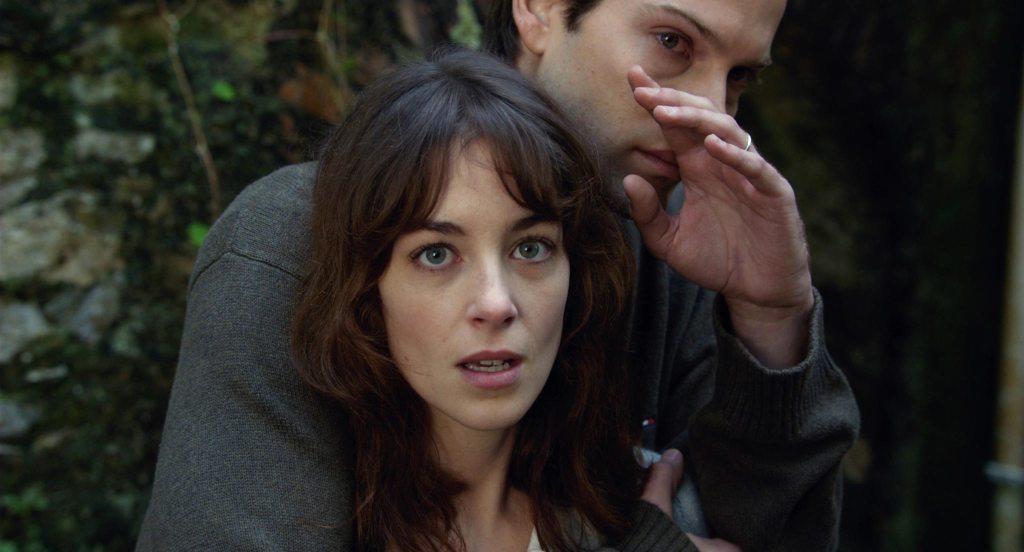
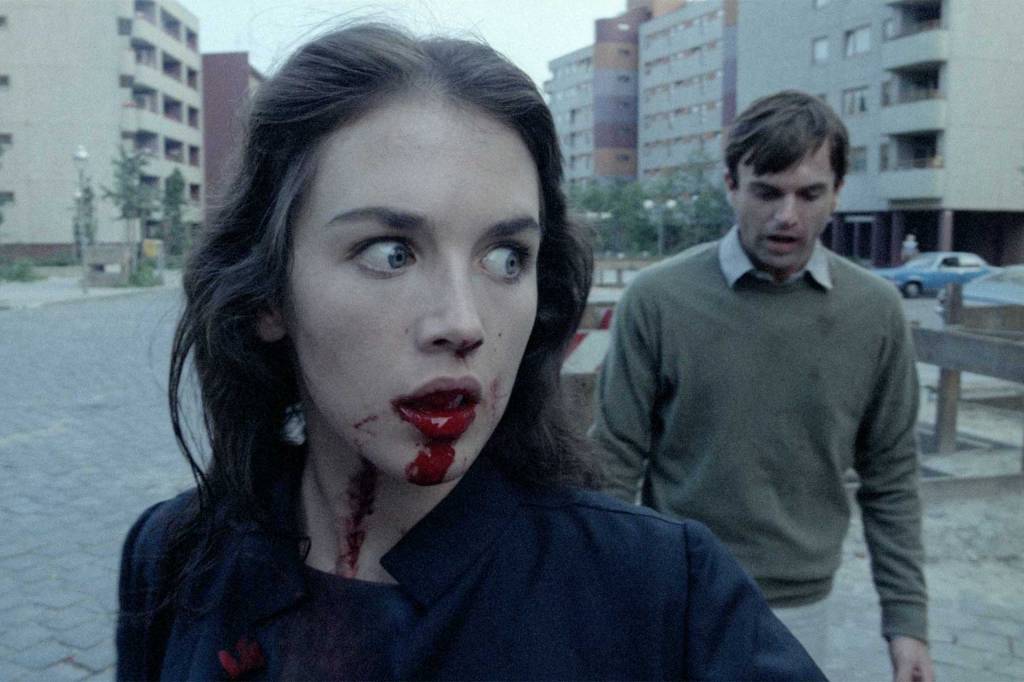
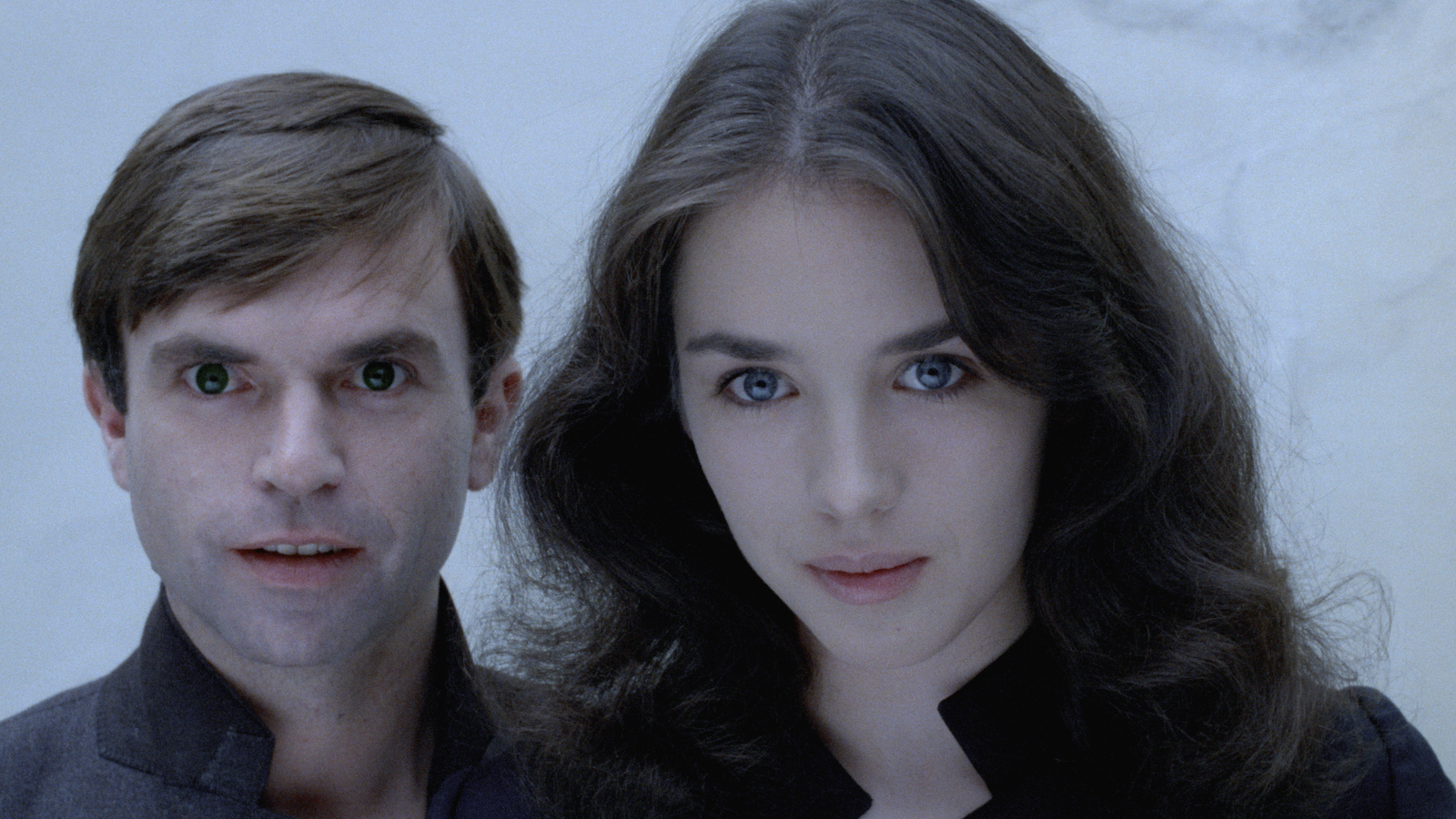
Possession is the one that fixed his reputation internationally and remains genuinely hard to categorise — part body horror, part disintegrating marriage film, part something without a name. Isabelle Adjani’s performance in the subway scene is one of the more extreme things committed to film, and Żuławski gets every last volt of it. That the film works as both a visceral horror experience and a serious examination of psychological collapse is the measure of what he could do.
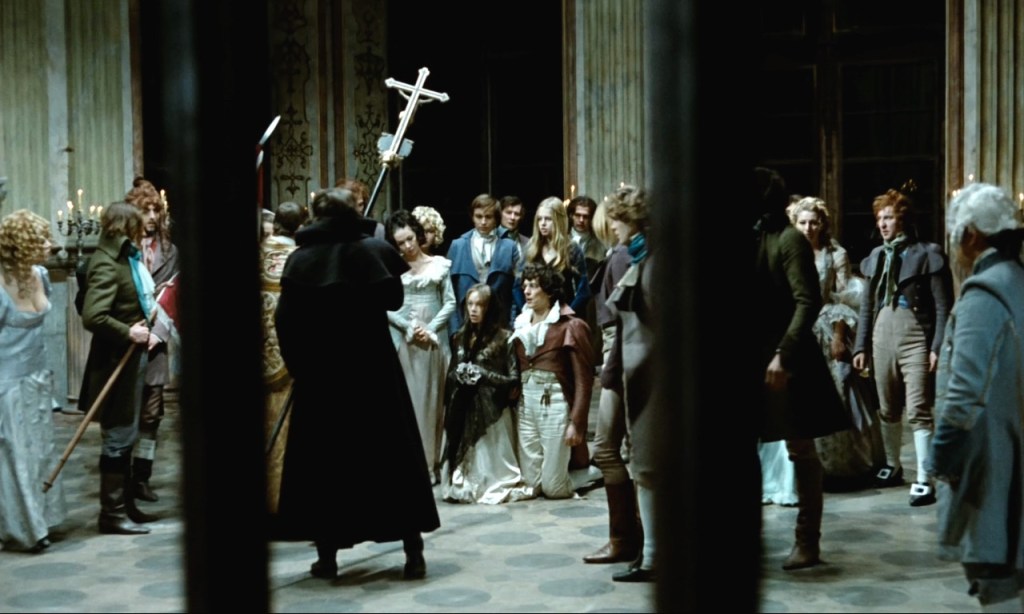
He returned to Poland after years of working in France and made Cosmos at 75, still uncompromising. That consistency of vision across five decades is its own kind of achievement.
Andrzej Żuławski (1940 – 2016)
Balancing somewhere between madman and genius is Andrzej Żuławski, the man behind mind-bending spectacles and deluded nightmares. Born in Lwów, Poland (now Lviv, Ukraine) in 1940, Andrzej Żuławski’s life was poised to be eventful. The son of a Polish diplomat, Żuławski’s early years were punctuated by the chaos of World War II, which forced his family into a peripatetic existence.
Certainly, you can see the imprint of this chaos throughout his films, but nowhere more clearly than in his debut, The Third Part of the Night, a semi-autobiographical reflection on his father’s experiences during World War II. Filled with dreamlike sequences, sharp juxtapositions and a nightmarish, almost Kafkaesque dimension, the film revealed Żuławski’s fully formed voice. He’d continue his audacity with The Devil, a veiled critique of Poland, which unsurprisingly led to the film’s banning and his move to France.
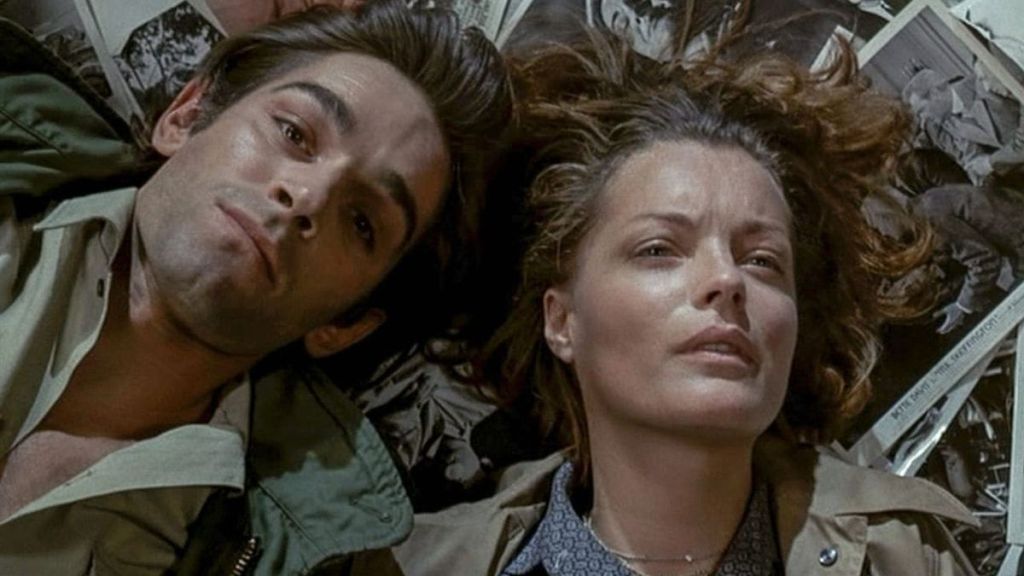
It was in France that Żuławski made his most influential works. That Most Important Thing: Love, with Romy Schneider, came first, but after a six-year gap came what many would call his masterpiece, Possession. His career would struggle between audacious projects like On the Silver Globe and less inspired projects like Szamanka and Fidelity before his 2016 death.
He remains, however, one of cinema’s great polarisers. Some will dub him a visionary for his daring embrace of the uncomfortable and his willingness to bat for the high heavens. Others regard him as self-indulgent, excessive and dark for the sake of dark. Regardless, watching Żuławski is its own experience.
Andrzej Żuławski (1940 – 2016)
- 1971 – The Third Part of the Night
- 1972 – Diabel
- 1975 – L’Important c’est d’aimer
- 1981 – Possession
- 1984 – La Femme publique
- 1985 – L’Amour braque
- 1988 – On the Silver Globe
- 1989 – Boris Godounov
- 1989 – My Nights Are More Beautiful Than Your Days
- 1991 – La Note bleue
- 1996 – Szamanka
- 2000 – La Fidelite
- 2015 – Cosmos
- Extreme Human Relationships: Many of Żuławski’s films, from Possession to That Most Important Thing: Love, dive into the darkest depths of love, jealousy, and emotional turmoil.
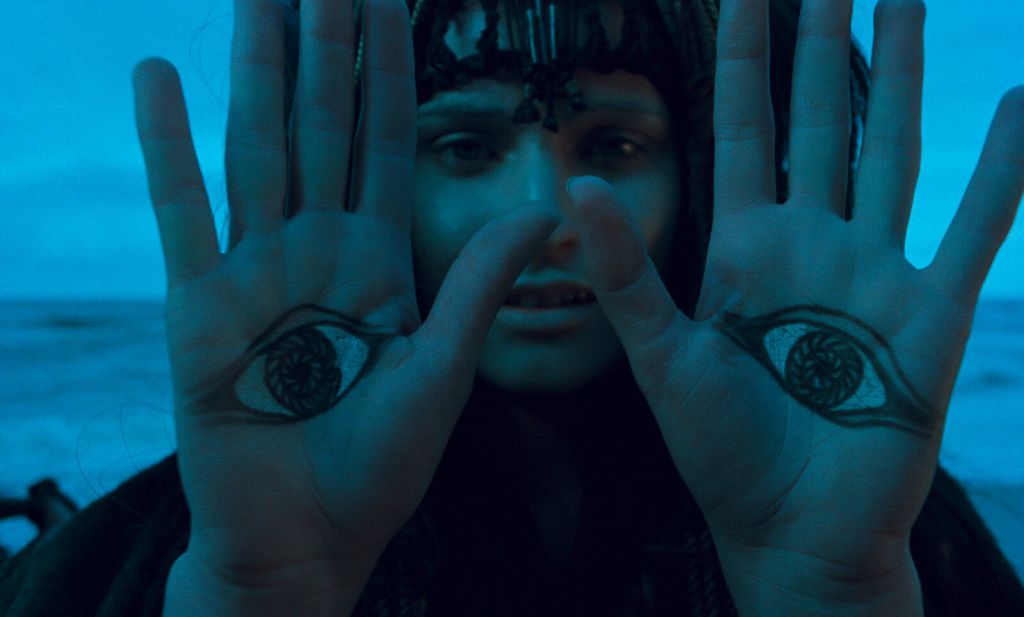
- Sociopolitical Commentary: Often veiled or allegorical, his films like The Devil and On the Silver Globe critique oppressive systems, reflecting his struggles with the Polish government.
- Existentialism and Alienation: Possession and Cosmos, in particular, grapple with characters confronting existential dread, emphasising human isolation in a seemingly indifferent universe.
- The Dichotomy of Civilization vs. Primitivism: On the Silver Globe showcases a society evolving from scratch, presenting the juxtaposition of primitive rituals against the backdrop of a higher civilisation.
- Descent into Madness: Whether through the literal horror lens of Possession or the societal collapse in On the Silver Globe, Żuławski’s protagonists often find themselves on the brink of psychological disintegration.
- Frenetic Camera Work: His films often utilise a restless camera, creating an almost disorienting atmosphere that mirrors the internal chaos of his characters.
- Visceral Intensity: Żuławski’s films are not for the faint-hearted. He revels in raw, emotional intensity, pushing both his characters and audience to their limits.
- Non-linear Storytelling: Fragmented narratives, exemplified by films like On the Silver Globe, challenge the audience to engage actively, piecing together the overarching story from its disparate parts.
- Surreal Imagery: Żuławski isn’t afraid to venture into the abstract. His visuals, whether the otherworldly beings of Possession or the alien landscapes of On the Silver Globe, often blur the line between reality and dream.
- Uncompromising Vision: Despite facing numerous challenges, from film bans to production halts, Żuławski never diluted his artistic vision to appease critics or authorities.
- Collaboration with Actresses: Żuławski had a unique knack for eliciting powerhouse performances from his lead actresses, like Isabelle Adjani in Possession or Romy Schneider in That Most Important Thing: Love.
- Anarchy in Structure: If there’s one word to encapsulate Żuławski’s directorial approach, it’s ‘anarchy’. He delighted in breaking norms, whether it was through narrative structure, visual presentation, or thematic exploration.
- Alejandro Jodorowsky
- Dario Argento
- David Cronenberg
- David Lynch
- Gaspar Noe
- Jean-Pierre Mocky
- Krzysztof Zanussi
- Lars von Trier
- Nicolas Roeg
- Nicolas Winding Refn
- Peter Strickland
- Philippe Grandrieux
- Piotr Szulkin
- Roman Polanski
- Shin’ya Tsukamoto
- Shuji Terayama
- Toshio Matsumoto
- Wojciech Has
Read More About Andrzej Żuławski
- Interview: Andrzej Żuławski by Margaret Barton-Fumo, Film Comment
- Romantic Trauma: Andrzej Żuławski Remembered by Agata Pyzik, The Quietus
- Film Comment Selects: Andrzej Żuławski by Daniel Bird, Film Comment
- Andrzej Żuławski and the Powerlessness of Language by Alexandra Heller-Nicholas, Overland Literary Journal
- The Nerve-Fraying Dilemmas of Andrzej Żuławski by Simon Abrams, Politco