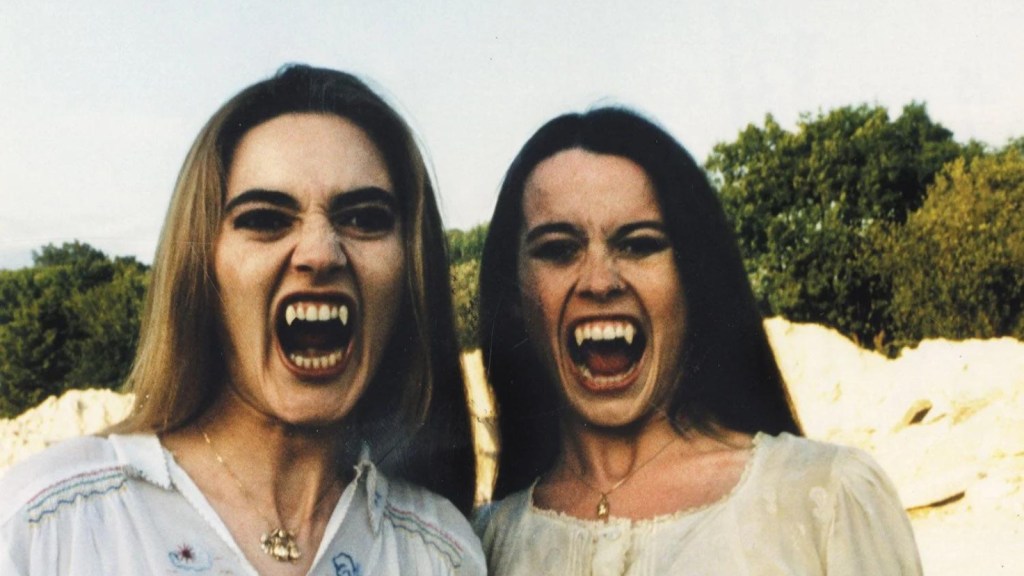
Jean Rollin made films that no one else would have made, for reasons no one else would have had. The vampire films he produced through the late 1960s and 1970s occupy a category that doesn’t quite exist elsewhere: too poetic for exploitation, too low-budget and strange for art cinema, too erotic for horror purists, too horror-adjacent for the surrealist tradition he was clearly working within. They fell between every available classification and found their audience eventually, through midnight screenings and cult VHS circulation and a gradual critical reappraisal that is still ongoing.
He grew up on Louis Feuillade‘s serials and French surrealism and the pulp comics of the postwar years, and that combination is exactly what his films contain: The serial melodrama, the dreamlike image, the cheap thrills. The Rape of the Vampire in 1968 was essentially a short film expanded with new footage to feature length when it found an audience, and the seams show, but so does everything that would define him: the Normandy beach locations, the female vampires moving through mist, the complete indifference to conventional narrative logic.
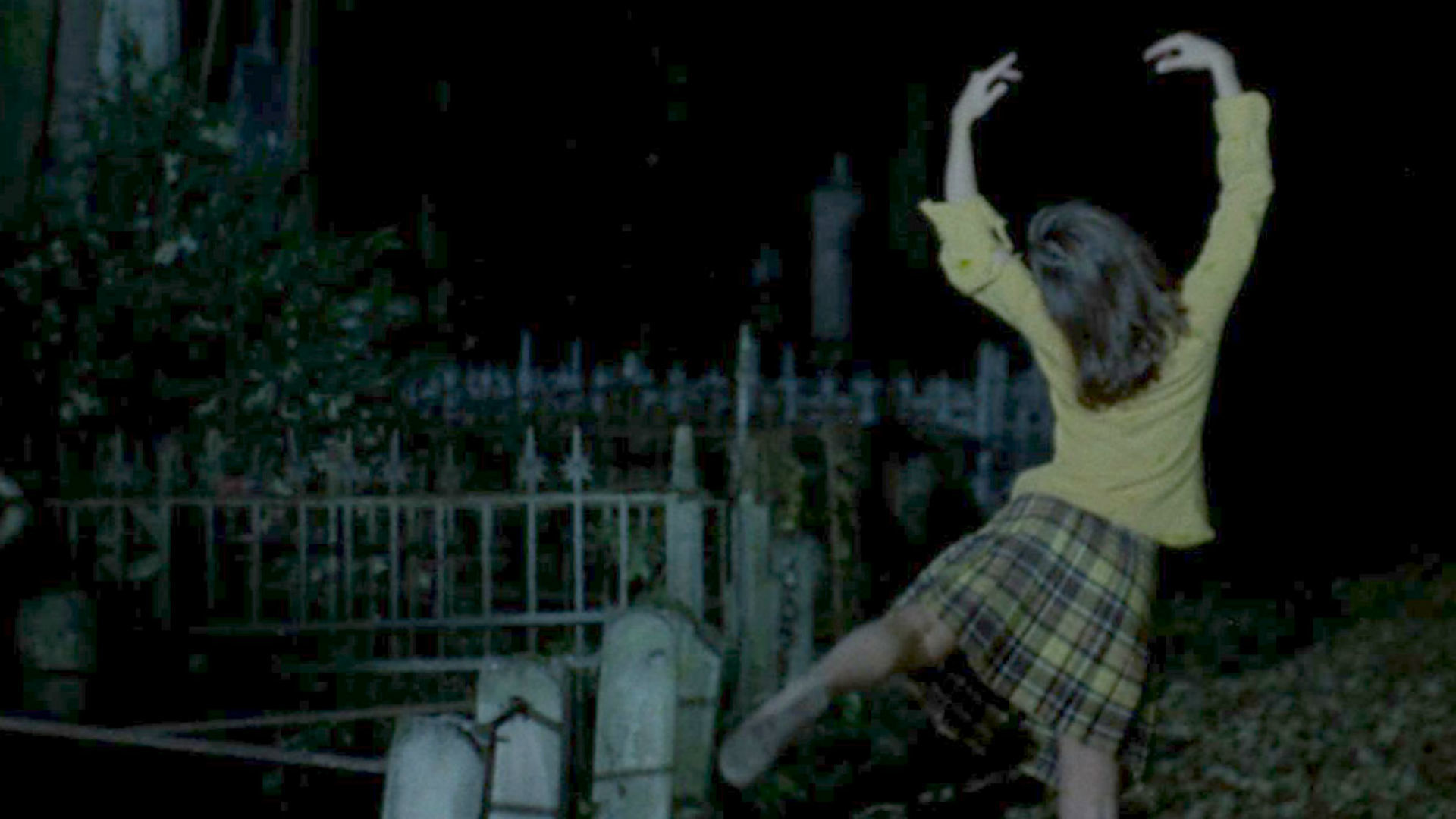
The films he made across the 1970s, The Shiver of the Vampires, Lips of Blood, Fascination, The Iron Rose, slowly seemed to convalesce into something personal. The Iron Rose is the film which best demonstrates what he was capable of. A couple trapped overnight in a cemetery, the girl increasingly unwilling to leave, the film tilting slowly into something that feels less like horror than like a meditation on death as seduction. It is genuinely strange, yet also good.
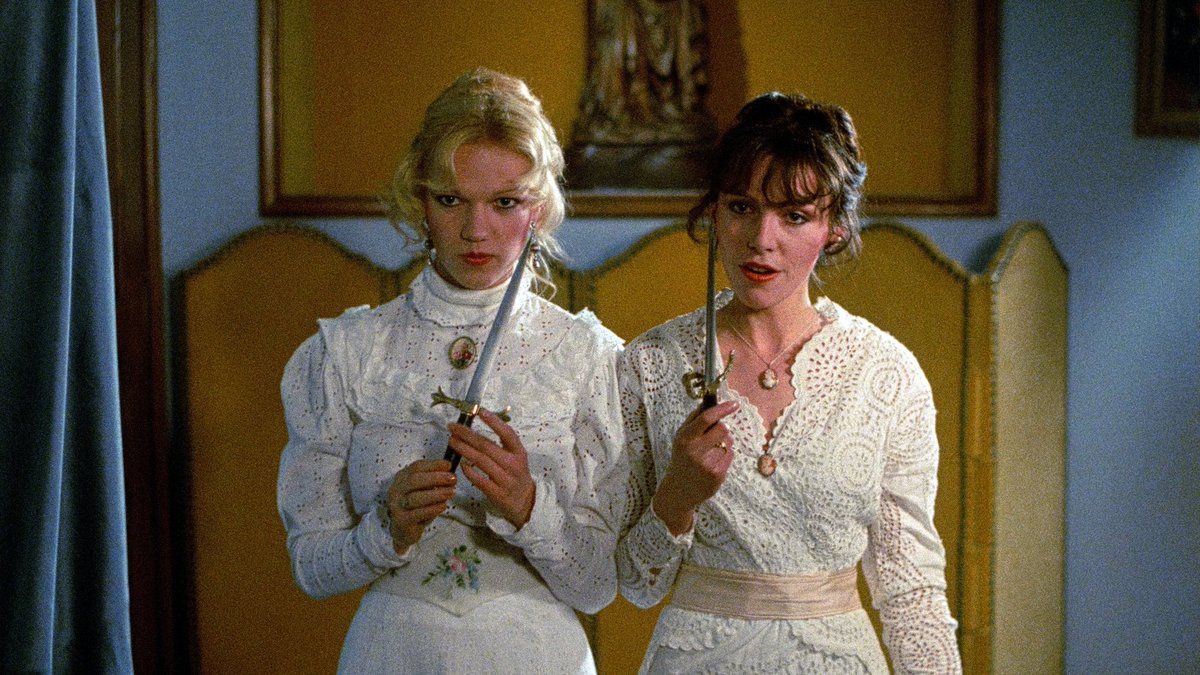
Jean Rollin (1938 – 2010)
- 1968 – The Rape of the Vampire
- 1970 – The Nude Vampire
- 1971 – The Shiver of the Vampires
- 1971 – Requiem for a Vampire
- 1973 – The Iron Rose
- 1973 – Schoolgirl Hitchhikers
- 1974 – The Demoniacs
- 1974 – Bacchanales Sexuelles
- 1975 – Lips of Blood
- 1975 – Phantasmes
- 1978 – The Grapes of Death
- 1979 – Fascination
- 1980 – The Night of the Hunted
- 1981 – The Escapees
- 1981 – Zombie Lake
- 1982 – The Living Dead Girl
- 1984 – The Sidewalks of Bangkok
- 1989 – Lost in New York
- 1993 – Killing Car
- 1997 – Two Orphan Vampires
- 2002 – Dracula’s Fiancée
- 2007 – The Night of the Clocks
- 2009 – The Mask of Medusa
- Eros and Thanatos as the Same Impulse: Death and desire are inseparable in Rollin’s world. The vampire mythology is ideal for this because it literalises the connection, but it runs through everything: The beach sequences where figures drift between the living and the dead, the cemeteries as erotic spaces. Rollin’s films treat mortality as the condition of desire rather than its opposite.
- Dream Logic: Conventional plot causality is simply not present in the Rollin film. Characters arrive and depart without explanation, locations shift without transition, and time behaves unreliably. This is not incompetence; it’s dream logic, where the dream image is more truthful than logical reality.
- The Normandy Landscape: Rollin returns to Normandy: Its beaches, cliffs and grey northern light. He does this for economic reasons partially, but also because these qualities give his films a sense of melancholy and timelessness.
- Female Protagonists as Mythological Figures: His women are rarely characters in the conventional sense. They’re figures of myth or fairy tales who are defined by their relationship to death and desire rather than by psychology or motivation. This has attracted feminist readings that go both ways.
- Low Budget as Aesthetic: The limitations of his production conditions became the style: minimal dialogue, location shooting, and non-professional or semi-professional actors. His atmosphere came from poverty.
- Alain Robbe-Grillet
- Alejandro Jodorowsky
- Claude Mulot
- Jesus Franco
- Jose Ramon Larraz
- Lucio Fulci
- Mario Bava
- Paul Morrissey
- Terence Fisher
- Walerian Borowczyk
Biography
Coming soon

