
Jacques Becker is one of French cinema’s great unlucky figures. He was the kind of director who never made a bad film, had all the connections you could hope for and was critically respected. Then, at the dawn of a new cinematic age, one heralded by men like Jacques Rivette who’d been his assistant, Becker died at the age of 54 with his masterpiece, Le Trou, barely in the can. Ever since then, his reputation has been consistently undersold despite nearly universal critical praise.
The films he’s best known for form a loose trilogy of male loyalty and its costs: Touchez pas au Grisbi, Casque d’Or, Le Trou. All these films take an otherwise standard genre (Crime, romance, prison) and grant it an elegiac quality of circumstance. Le Trou, his final film, is perhaps the most purely Becker of all; stripped down, almost documentarian, watching a group of prisoners attempt to tunnel out with a patience and precision that feels like a statement of values.
The New Wave critics loved him, which is the right instinct. He’s the bridge between poetic realism and what came next. The not-so-missing link between Renoir and Truffaut.
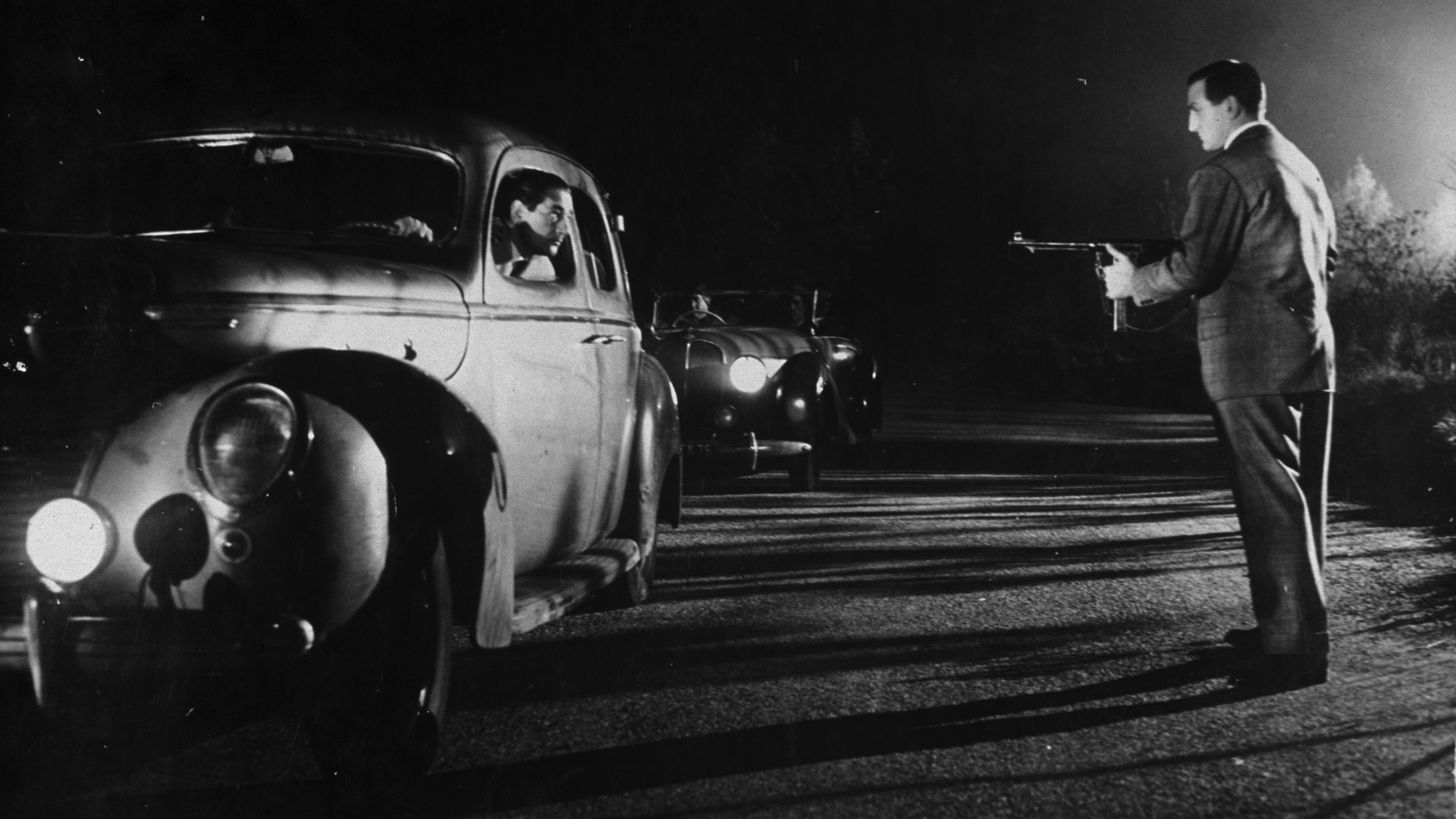
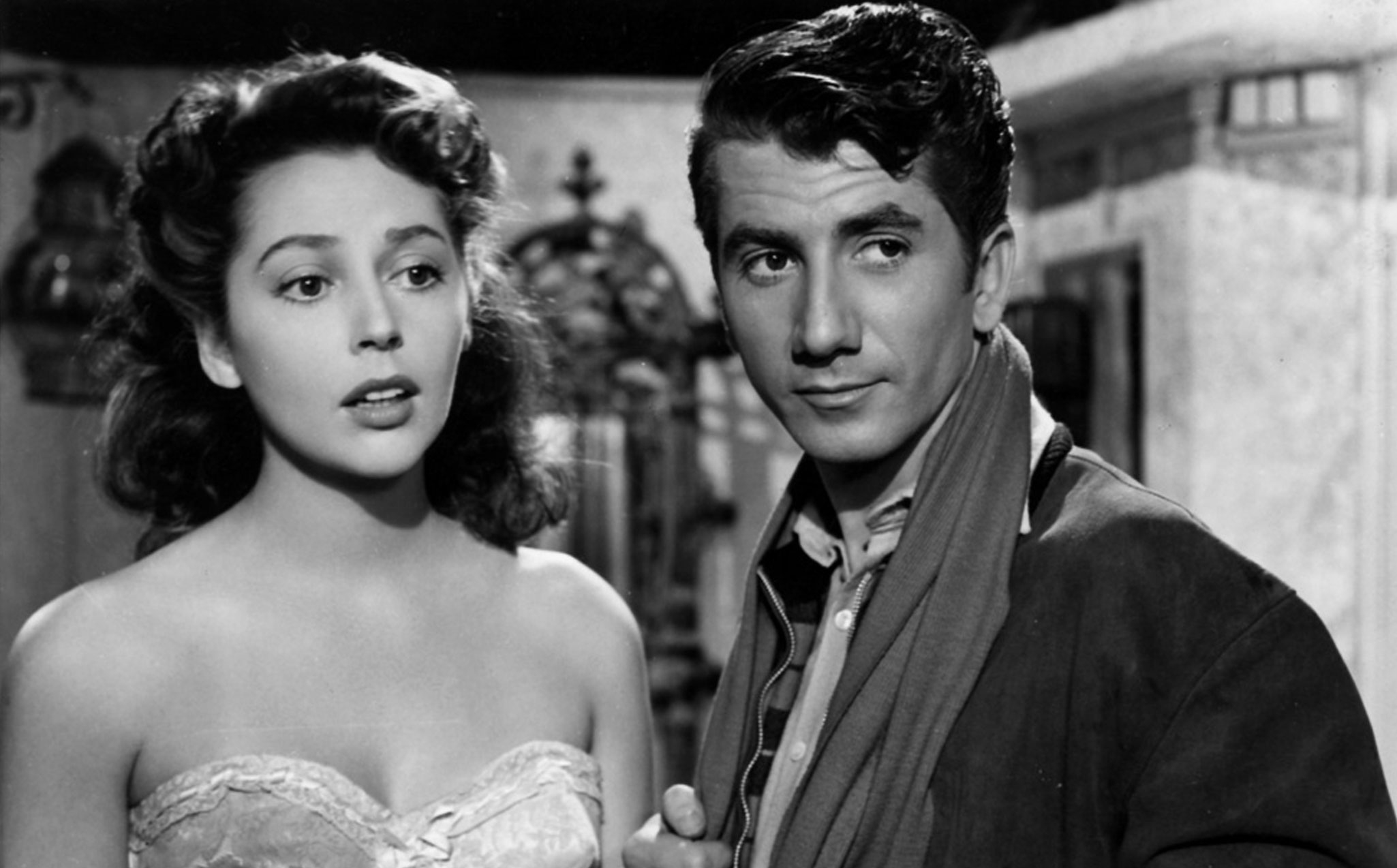
Jacques Becker (1906 – 1960)
- 1936 – La Vie est à nous
- 1943 – Goupi mains rouges
- 1945 – Falbalas
- 1947 – Antoine and Antoinette
- 1949 – Rendez-vous de juillet
- 1951 – Édouard et Caroline
- 1952 – Casque d’or
- 1953 – Rue de l’Estrapade
- 1954 – Touchez pas au grisbi
- 1956 – The Adventures of Arsène Lupin
- 1958 – Montparnasse 19
- 1960 – Le Trou
- Male Loyalty Under Pressure: Becker returns repeatedly to groups of men bound by codes of friendship, honour or necessity and to what happens when those codes meet the indifferent reality of age, circumstance or betrayal. It’s the emotional engine of Grisbi and Le Trou both.
- Period Texture as Character: His historical films aren’t costume dramas in the pejorative sense. The recreation of Belle Époque Paris in Casque d’Or or the prison environment in Le Trou functions as active storytelling, the physical world bearing down on the characters’ choices.
- Naturalism Inherited from Renoir: Deep focus, location shooting where possible, performances that avoid theatrical heightening; Becker absorbed his mentor’s methods and applied them with his own precision. His films feel inhabited rather than staged.
- Genre as Humanist Vehicle: Becker worked in comedies, crime films and romances without ever losing that essential essence. To him, a genre was a container for observing how people treat one another under constraint.
- Restraint and Economy: Becker doesn’t oversell emotion. The tragedy in Casque d’Or lands because it’s underplayed; the tension in Le Trou comes from silence and procedure rather than dramatic scoring. He trusts the material.
- Betrand Tavernier
- Claude Sautet
- François Truffaut
- Giles Grangier
- Henri-Georges Clouzot
- Jean-Pierre Melville
- Jean Renoir
- Louis Malle
- Pierre Chenal
- Rene Clement
Biography
Coming soon

