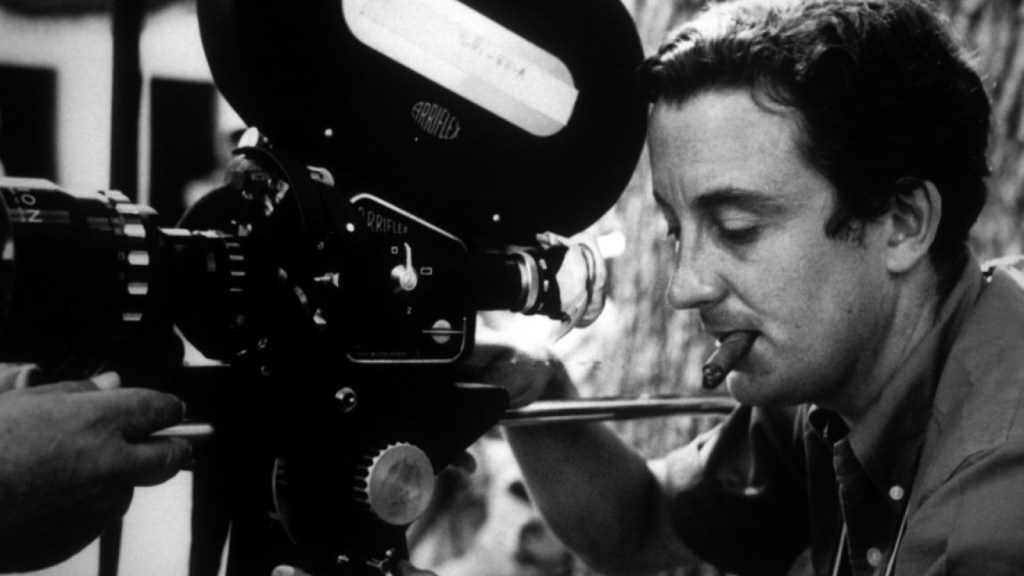
Louis Malle is the French director who never quite belonged anywhere, which turned out to be his greatest asset. He was adjacent to the New Wave without being of it: Too interested in craft and accessibility for the radicals, too restless and provocative for the mainstream. The result is one of the most genuinely varied careers in French cinema, spanning undersea documentary, jazz noir, Occupation drama, American theatre, and a nine-hour documentary about India, and somehow maintaining a consistent sensibility across all of it.
He first came to notice in 1958 with Elevator to the Gallows in 1958. One of the great French noirs. One of the great soundtracks by Miles Davis and one of the great performances by Jeanne Moreau. The movie announced a director who understood atmosphere and image with an unusual maturity, given he was just 26. And within months, he’d made Les Amants, which would cause hysteria internationally.
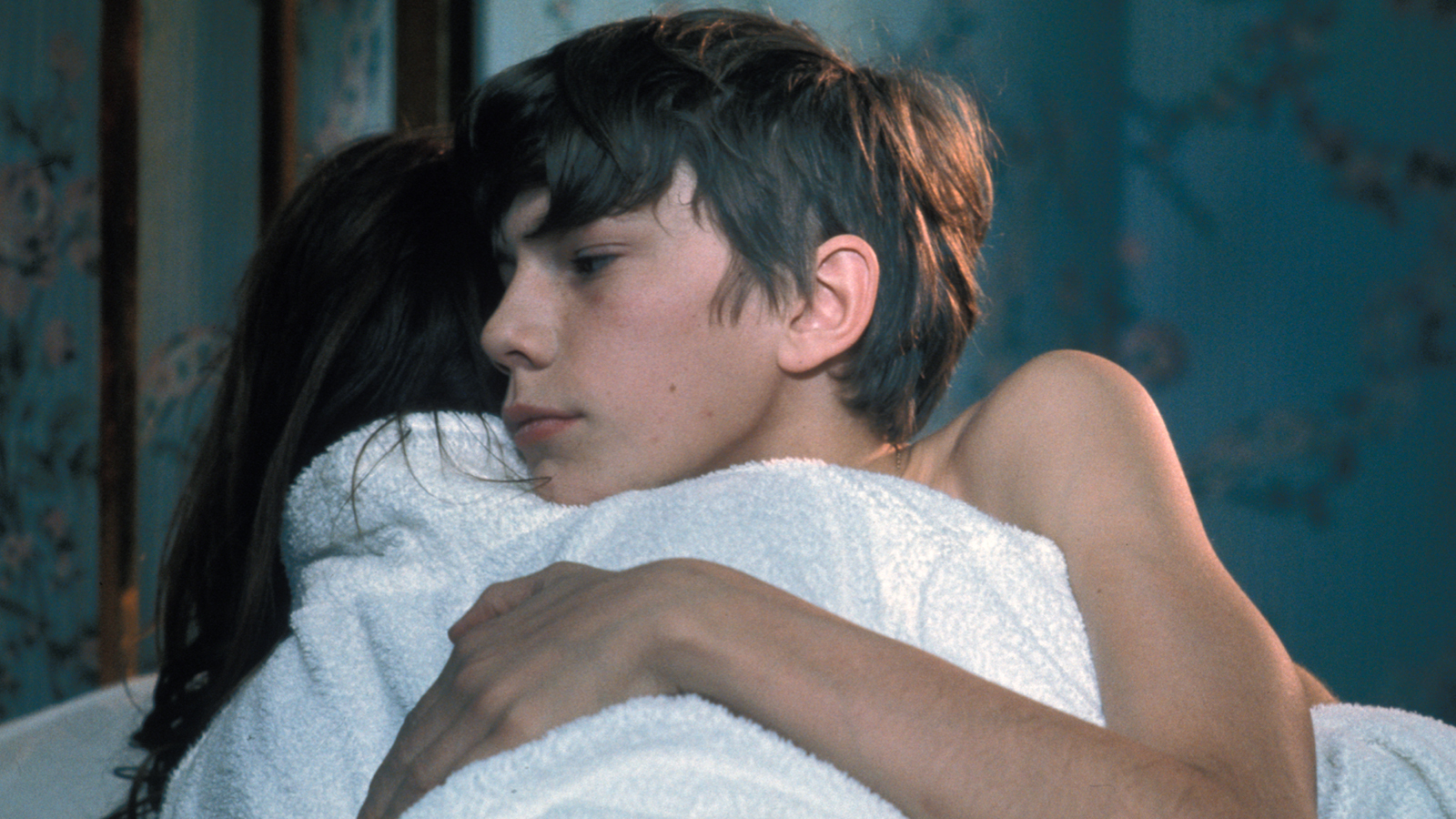
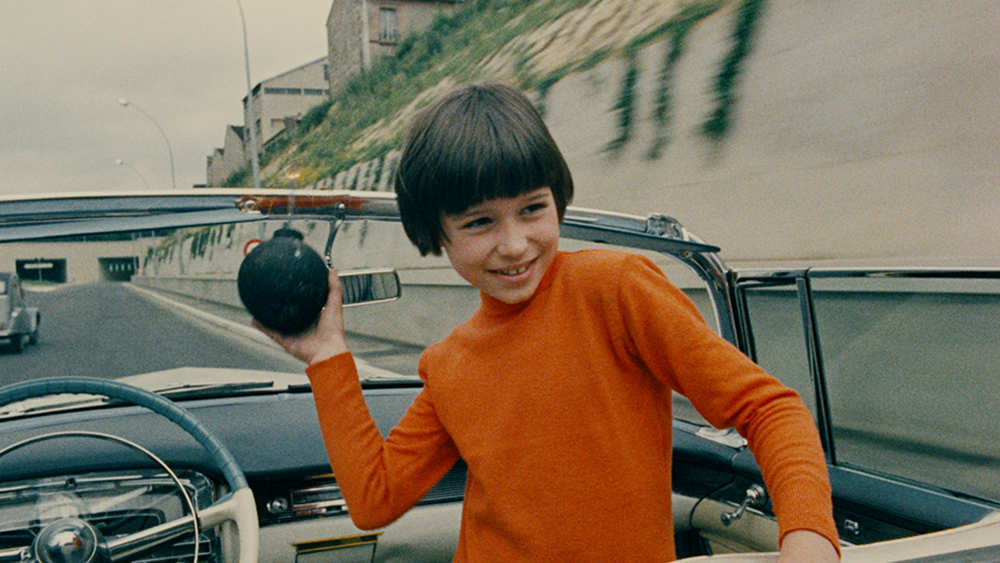
What followed was deliberately unpredictable. He made anarchic comedies (Zazie dans le Métro), unbearable dramas (The Fire Within), incest comedies (Murmur of the Heart), war films (Lacombe Lucien), crime dramas (Atlantic City), and talk-heavy films (My Dinner with Andre). Unusually for French directors of his generation, he really succeeded in America.
Then there’s Au Revoir les enfants. Based on his own wartime childhood, about a Jewish schoolfriend taken away by the Gestapo and the guilt that he’d lived with ever since. It’s the film where his restlessness stops.
Louis Malle (1932 – 1995)
- 1956 – The Silent World
- 1958 – Elevator to the Gallows
- 1958 – The Lovers
- 1960 – Zazie dans le métro
- 1962 – A Very Private Affair
- 1962 – Vive le tour
- 1963 – Le Feu follet
- 1965 – Viva Maria!
- 1967 – The Thief of Paris
- 1968 – Spirits of the Dead
- 1969 – Calcutta
- 1969 – Phantom India [TV]
- 1971 – Murmur of the Heart
- 1974 – Lacombe, Lucien
- 1975 – Black Moon
- 1978 – Pretty Baby
- 1980 – Atlantic City
- 1981 – My Dinner with Andre
- 1985 – Alamo Bay
- 1985 – God’s Country [TV]
- 1987 – Au revoir les enfants
- 1989 – May Fools
- 1992 – Damage
- 1994 – Vanya on 42nd Street
- Moral Complexity Without Judgment: If there’s one thing that repeats across Malle’s films, it’s that he puts his characters in morally indefensible positions and refuses to adjudicate: Lacombe Lucien, Murmur of the Heart, Pretty Baby. The empathy is total, uncomfortable and deliberate.
- The Occupation: Malle was a boy during the Nazi Occupation of France, and it is a subject he returned to periodically. This might feel logical from today’s perspective, but it must be remembered that in the 1970s, when Malle made Lacombe Lucien, films about collaboration weren’t just disliked; they were disapproved of on a state level. And Malle made it regardless. And more, he didn’t make collaborators cartoonish villains.
- Genre: Louis Malle worked in more-or-less every genre (Noir, documentary, comedy, war, drama), and he used these genres with looseness. Which is why the career looks so varied from the outside and so consistent from the inside.
- The Documentary Eye in Fiction: Malle got his break as an IDHEC graduate working with Jean-Jacques Cousteau, and this left a permanent mark on him. There’s an observational quality to even his most constructed fictional films, a willingness to let scenes run and watch what happens. Phantom India and God’s Country show the documentary sensibility at full extension, but it’s present throughout.
- Childhood and the Formation of Conscience: Where Malle stops being smart and starts being emotionally naked is in his coming-of-age films (Murmur of the Heart, Au Revoir les Enfants, Lacombe Lucien). He consistently shows youth as a formative moment of moral character. Au Revoir les Enfants is ultimately about a moment of childhood failure that he spent his whole life trying to understand.
Biography
Coming soon

