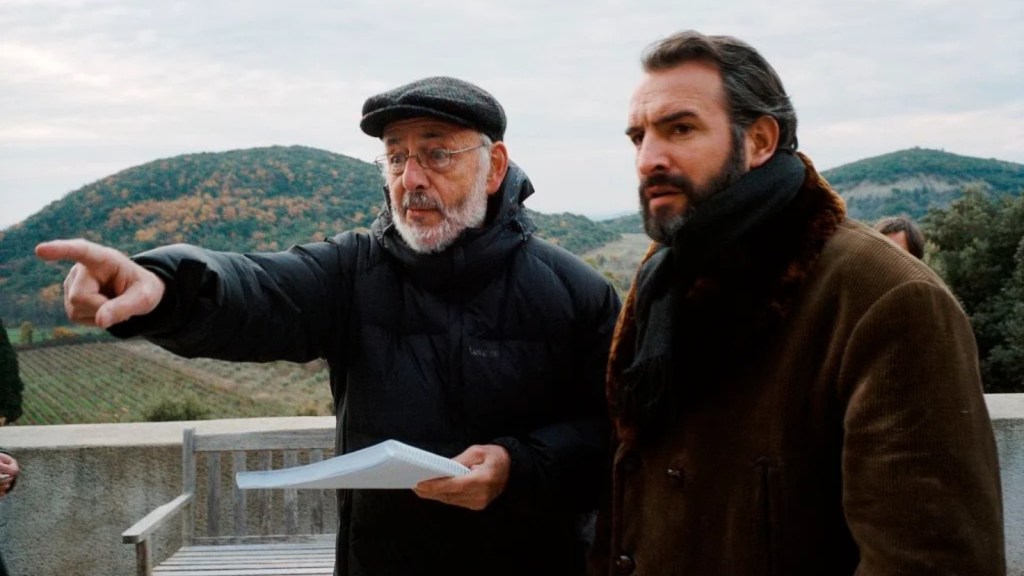
Bertrand Blier was one of France’s great cinema provocateurs. He spent over fifty years making audiences uncomfortable in ways they frequently found funny, which is a harder trick than it sounds. Blier was the son of famous actor Bernard Blier, so he literally grew up in the industry, and from this unique background came a disrespect for the conventions of French cinema.
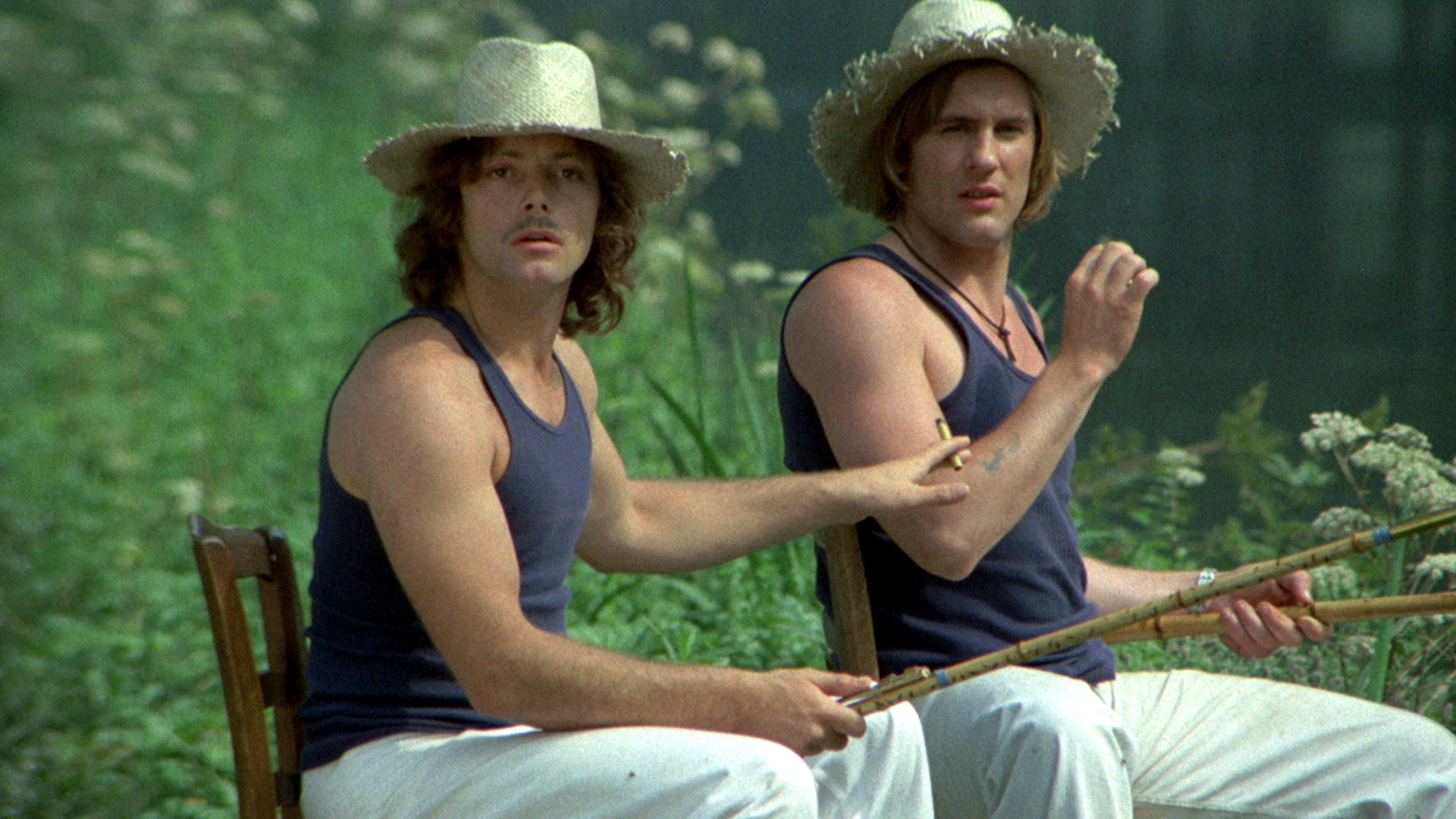
Les Valseuses in 1974 made him immediately notorious; two young men drifting across France, taking what they want, treating the world as their property. The film’s sexual politics are genuinely troubling, and Blier didn’t particularly care, which is part of the point. What saved it from being merely offensive was Depardieu and Dewaere, both ferociously alive onscreen, and a streak of black comedy that kept undercutting any straightforward reading. It’s the film that launched Depardieu’s career and fixed Blier’s reputation in a single move.
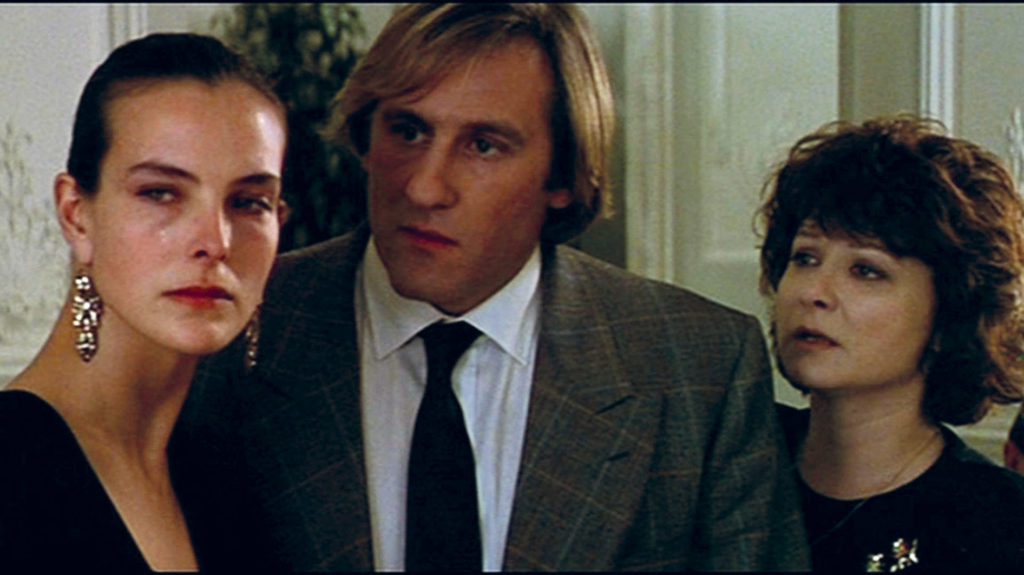
The films that followed refined the approach. Buffet Froid is probably his purest work; an absurdist murder comedy set in a brutalist housing estate where nothing is explained, and consequence has been abolished. Trop belle pour toi stripped back the provocation and found something almost tender underneath. Tenue de soirée went in the opposite direction entirely. He kept working into his eighties, with diminishing returns but no loss of the fundamental perversity. A director who always knew exactly what he was doing, even when, especially when, the audience wished he’d stop.
Bertrand Blier (1939 – 2025)
- 1967 – If I Were a Spy
- 1974 – Going Places
- 1976 – Calmos
- 1978 – Get Out Your Handkerchiefs
- 1979 – Buffet Froid
- 1981 – Beau-pere
- 1983 – My Best Friend’s Girl
- 1984 – Our Story
- 1986 – Menage
- 1989 – Too Beautiful for You
- 1993 – 1, 2, 3 Sun
- 1996 – My Man
- 2000 – Actors
- 2003 – Les Côtelettes
- 2005 – How Much Do You Love Me?
- 2010 – The Clink of Ice
- 2019 – Convoi exceptionnel
- Masculinity as Problem: Blier doesn’t celebrate his male protagonists; he puts them in the frame and watches them fail, flounder, and expose themselves. The homosocial bonds between his men are always underlaid with something unresolved, whether that’s Les Valseuses’ barely suppressed desire or Tenue de soirée‘s explicit demolition of heterosexual assumptions.
- Bourgeois Society as Absurd Theatre: The respectable world in Blier’s films is always one thin surface away from chaos. He’s less interested in attacking the bourgeoisie than in revealing how arbitrary and fragile its rules are.
- Dialogue as Combat: His scripts are fast, vicious verbal jousting matches. His characters use language to dominate, deflect or destabilise rather than communicate. The theatrical quality is deliberate; he adapted his own novels repeatedly.
- Surrealism as Default Mode: Blier doesn’t signal when he’s moving from realism into dream logic; it just happens. This is closer to Buñuel than to Francis Veber, treating the irrational as simply another register.
- Depardieu as Alter Ego: More a signature than a theme, but worth noting. The Blier-Depardieu collaboration across eight films produced something that functions almost like a body of work within the body of work. Depardieu gave Blier’s anarchic writing a physical reality that grounded the provocation.
- Federico Fellini
- Francois Ozon
- Jean-Luc Godard
- Jean-Pierre Mocky
- Joel Seria
- Luis Bunuel
- Marco Ferreri
- Milos Forman
- Pedro Almodovar
- Roman Polanski
Biography
Coming soon
 Bronze Screen Dream