
Claude Sautet is one of the finest technical directors of his generation. Few directors could make as much across as long while balancing a perfect medium as he. His films are accessible without being simple, emotionally direct without being sentimental, and formally unshowy in ways that disguise considerable craft.
He started in crime films, Classe Tous Risques in 1960 is a genuinely excellent polar, unsentimental and precisely observed, with Lino Ventura at his best, and gradually moved inward, toward the relationship films that define his reputation. The Things of Life, César and Rosalie, Vincent, François, Paul et les Autres; these are ensemble films about groups of friends in their thirties and forties, negotiating love and loyalty and the particular difficulty of middle-class French life in the 1970s, and they do this with an accuracy and a lack of condescension that is rarer than it sounds.
The late career produced his two most formally refined works. Un Cœur en Hiver, about emotional incapacity dressed as principle, with Daniel Auteuil doing the most controlled piece of deliberate self-withholding in French cinema, and Nelly and Monsieur Arnaud, which watches two people not quite have a relationship with extraordinary patience. Both films understand that what people don’t do is as revealing as what they do, and both trust the audience to follow that argument without having it explained.
He was also, apparently, one of the great script doctors in French cinema. Directors brought him problem scripts for years, and he fixed them without credit. That generosity is consistent with what the films suggest about him.
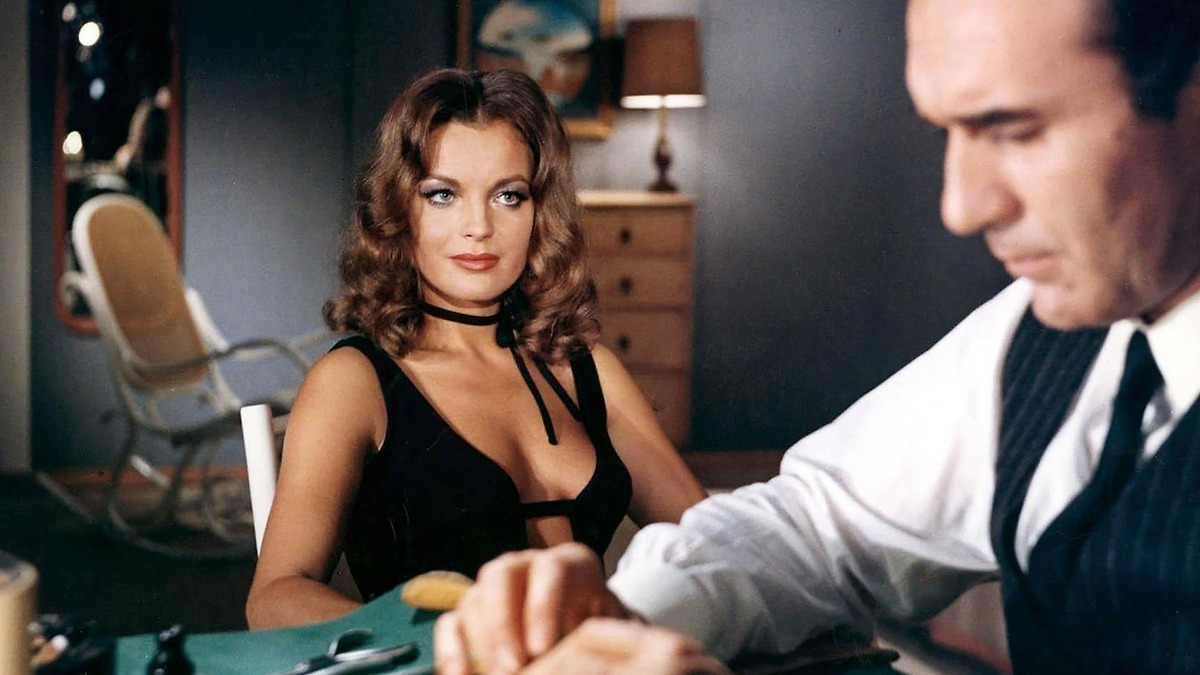
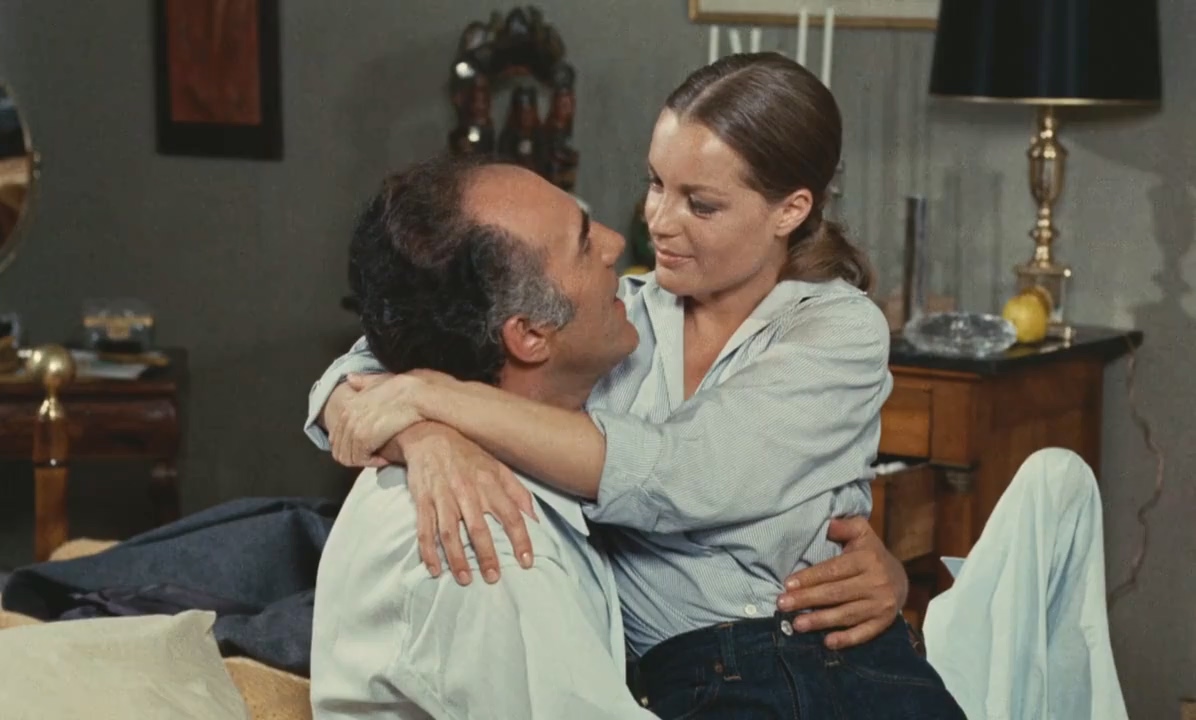
Claude Sautet (1924 – 2000)
- 1956 – Hello Smile!
- 1960 – Classe tous risques
- 1965 – The Dictator’s Guns
- 1970 – The Things of Life
- 1971 – Max and the Junkmen
- 1972 – César and Rosalie
- 1974 – Vincent, François, Paul and the Others
- 1976 – Mado
- 1978 – A Simple Story
- 1980 – A Bad Son
- 1983 – Waiter!
- 1988 – A Few Days with Me
- 1992 – A Heart in Winter
- 1995 – Nelly and Mr Arnaud
- Middle-Class Life as Moral Terrain: Sautet treats the domestic and professional world of bourgeois France not as a comfortable backdrop but as a site of genuine ethical difficulty: loyalty, desire, professional compromise, and the cost of stability. The films take their characters’ problems seriously without inflating them into tragedy.
- Emotional Reticence as Character: His protagonists, particularly in the late films, are defined by what they can’t or won’t express. Un Cœur en Hiver is the purest version, a film about a man who has organised his life around emotional unavailability and the damage this does to everyone around him, but the theme of feeling withheld rather than expressed runs through the whole career.
- Group Dynamics and Male Friendship: The ensemble films of the 1970s are particularly interested in how men relate to each other — the loyalty and the competition, the way friendship groups absorb and distribute romantic tension, the difficulty of honesty between people who have known each other for decades.
- The Early Crime Films as Foundation: Sautet’s early films, Classe Tous Risques and Max and the Junkman, aren’t juvenilia. They’re an early showing in his interest in moral compromise and the gap between how people present themselves and what they actually do. The polar sensibility never entirely left the relationship films.
- Unobtrusive Craft: Sautet’s visual style is elegant, precise, and undemonstrative. Sautet didn’t want the camera to draw attention to itself, which means his films can look effortless in ways that conceal the control behind them.
- Andre Techine
- Bertrand Tavernier
- Claude Miller
- François Truffaut
- Jacques Deray
- Krzysztof Kieslowski
- Maurice Pialat
- Michel Deville
- Pierre Granier-Deferre
- Stephane Brize
Biography
Coming soon

