
Bertrand Tavernier came up as a critic and a cinephile; he co-wrote one of the essential reference books on American cinema in France, ran a press office for producers, absorbed everything, and when he finally made films, the depth of that knowledge showed immediately. The Clockmaker, in 1974, was the debut of someone who had spent years thinking about what French cinema was and what it could be, and it landed accordingly.
What distinguished him from the start was a refusal of the New Wave’s disdain for tradition. He liked quality cinema, liked craft, liked the well-made script and the actor given proper material, and he rehabilitated those values without making them conservative. The films range across historical drama, crime, jazz, contemporary social realism, colonial Africa, and the First World War, and they’re all recognisably by the same person: someone who does serious research, who cares about how France got to be the way it is, who finds the political in the personal without lecturing.
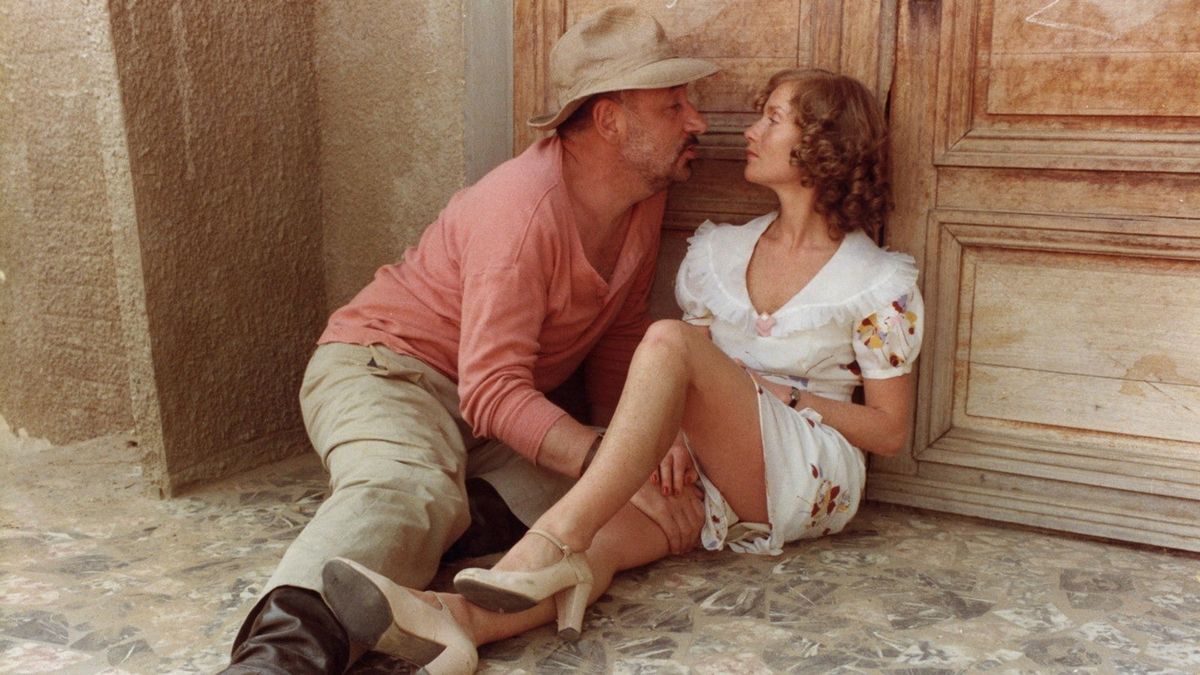
A Sunday in the Country is probably his most purely beautiful work, shot by Bruno de Keyzer to look like the paintings its protagonist makes, elegiac and precise. Life and Nothing But is the most ambitious, following the effort to identify the unknown soldier after World War One. Noiret is magnificent and worn as the officer who has seen too much. Coup de Torchon, Thompson’s Pop. 1280 transposed to French colonial Africa, is the most surprising, a black comedy about a corrupt policeman that is also a critique of colonial complicity that stings.
He also made My Journey Through French Cinema, a four-hour documentary about the films he loved, which is one of the best films ever made about cinema and proof that the critic never stopped running alongside the director.
Bertrand Tavernier (1941 – 2021)
- 1974 – The Clockmaker of St Paul
- 1975 – Let Joy Reign Supreme
- 1976 – The Judge and the Assassin
- 1977 – Spoiled Children
- 1980 – Death Watch
- 1980 – A Week’s Vacation
- 1981 – Coup de Torchon
- 1983 – Mississippi Blues
- 1984 – A Sunday in the Country
- 1986 – ‘Round Midnight
- 1987 – Beatrice
- 1989 – Life and Nothing But
- 1990 – Daddy Nostalgia
- 1992 – La guerre sans nom
- 1992 – L.627
- 1994 – Revenge of the Musketeers
- 1995 – The Bait
- 1996 – Captain Conan
- 1997 – De l’autre côté du périph
- 1999 – It All Starts Today
- 2001 – Histoires de vies brisées
- 2002 – Safe Conduct
- 2004 – Holy Lola
- 2009 – In the Electric Mist
- 2010 – The Princess of Montpensier
- 2013 – The French Minister
- 2016 – My Journey Through French Cinema
- France’s Historical Conscience: Tavernier returns repeatedly to the moments when France failed its own values (the First World War’s industrial slaughter, colonial exploitation, the Occupation, postwar poverty) and does so without simplifying the moral picture. His historical films are about how ordinary people are implicated in systems they didn’t entirely choose.
- The Humanist Tradition Continued: He positioned himself explicitly as the heir to Renoir, Becker and Grémillon and made good on that positioning. The characters in his films are treated with a seriousness and a generosity that is the direct inheritance of that tradition.
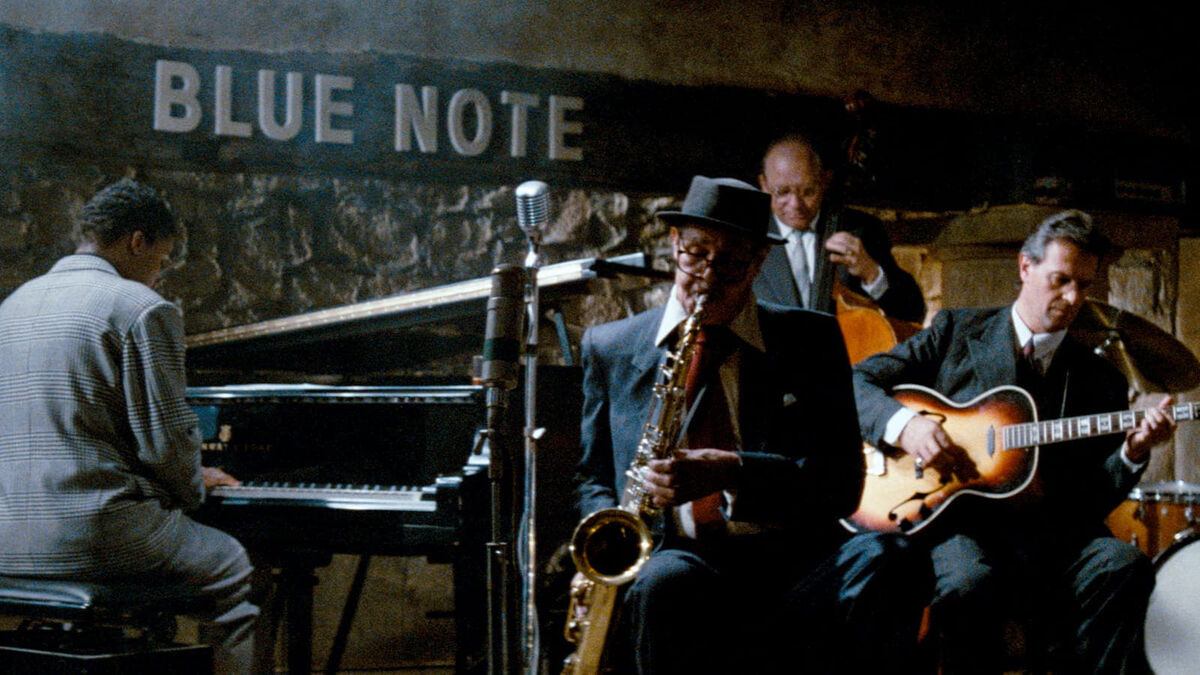
- Genre as Social X-Ray: The crime film, the period drama, the jazz film… Tavernier used genre as Becker did, as a container for social observation rather than an end in itself. Coup de Torchon is ostensibly a noir and is actually about colonial violence. Round Midnight is ostensibly a music film and is actually about exile and self-destruction.
- The Weight of History on the Present: Even the contemporary films carry a sense of how France’s past bears on its present; the social problems in It All Starts Today are connected to longer histories of deindustrialisation and neglect. History isn’t a backdrop, it’s causation.
- Cinephilia: The depth of film knowledge shows in the work; in the visual references, in the casting choices, in the genre literacy. Unlike some cinephile directors for whom this becomes self-indulgent, Tavernier’s knowledge is always in service of what the film is trying to say rather than what it wants to be seen to know.
- Alain Corneau
- Claude Chabrol
- Claude Sautet
- François Truffaut
- Jacques Audiard
- Jacques Becker
- Jean Grémillon
- Louis Malle
- Maurice Pialat
- Philippe Faucon
Biography
Coming soon

