
Claude Chabrol spent fifty years methodically dissecting the French bourgeoisie with the calm precision of someone who genuinely enjoyed the work. He was one of the Cahiers du Cinema critics and was, in fact, the first of the cohort to transition into cinema, making Le Beau Serge in his home village with his wife’s inheritance. While he’d quickly lose the limelight to Truffaut and Godard, he’d remain, quietly, prolific from 1958 up until 2009, never losing his focus.
The Hitchcock comparison that follows him around is accurate but incomplete. Yes, the suspense machinery is borrowed, the murders are domestic and the settings provincial; the camera occasionally echoes specific shots. But Chabrol’s real subject isn’t tension — it’s contempt. His bourgeois characters are observed with a cold anthropological interest that occasionally tips into something close to disgust, though always expressed through surfaces: the right furniture, the right meals, the right social performance concealing the rot underneath. The comedy in his films is very dark and usually directed at people who don’t know they’re funny.
Le Boucher is probably his masterpiece: a serial killer and a schoolteacher in a rural village, and a film that withholds moral clarity with almost sadistic patience. La Cérémonie, made 25 years later with Isabelle Huppert and Sandrine Bonnaire, is the most devastating of his class-war films, ending with a violence that feels both shocking and completely inevitable.
He made a lot of films, and his uneven reputation is real. But few directors can claim to have had as many hot streaks as him over the course of a half-century either: The late fifties, the late sixties, the Huppert collaborations. He was one of the sharpest eyes French cinema had.
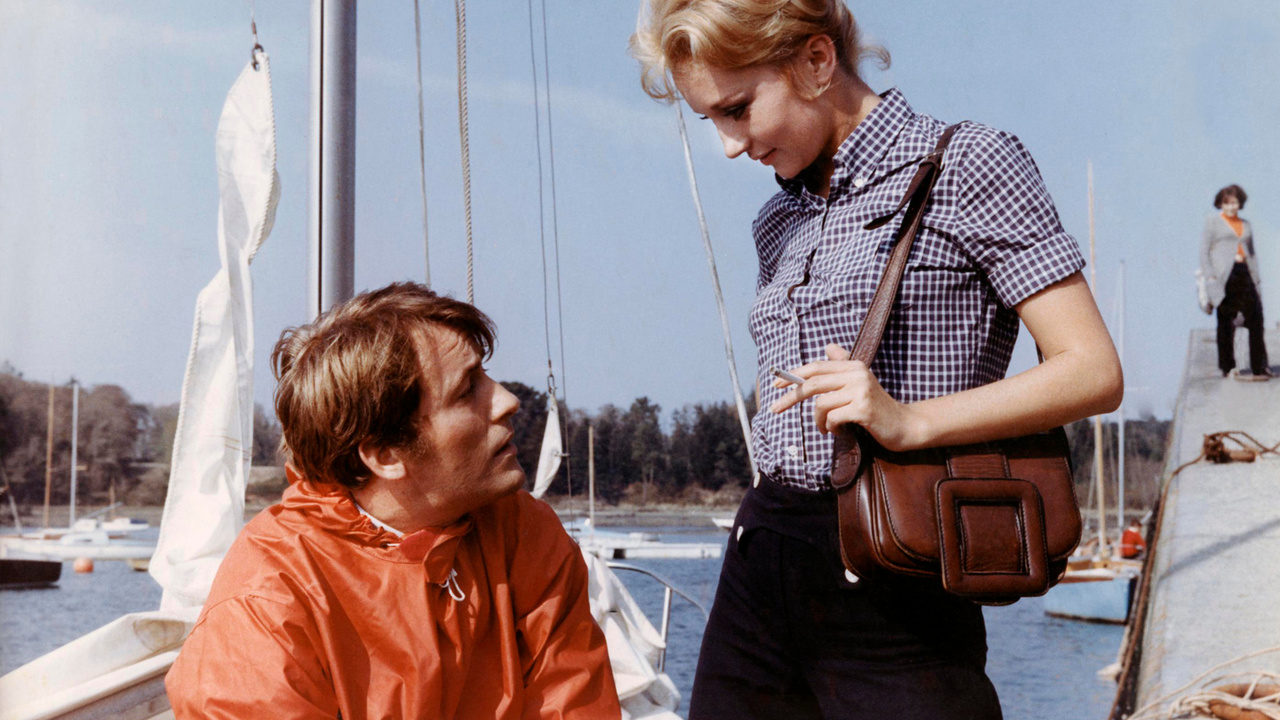
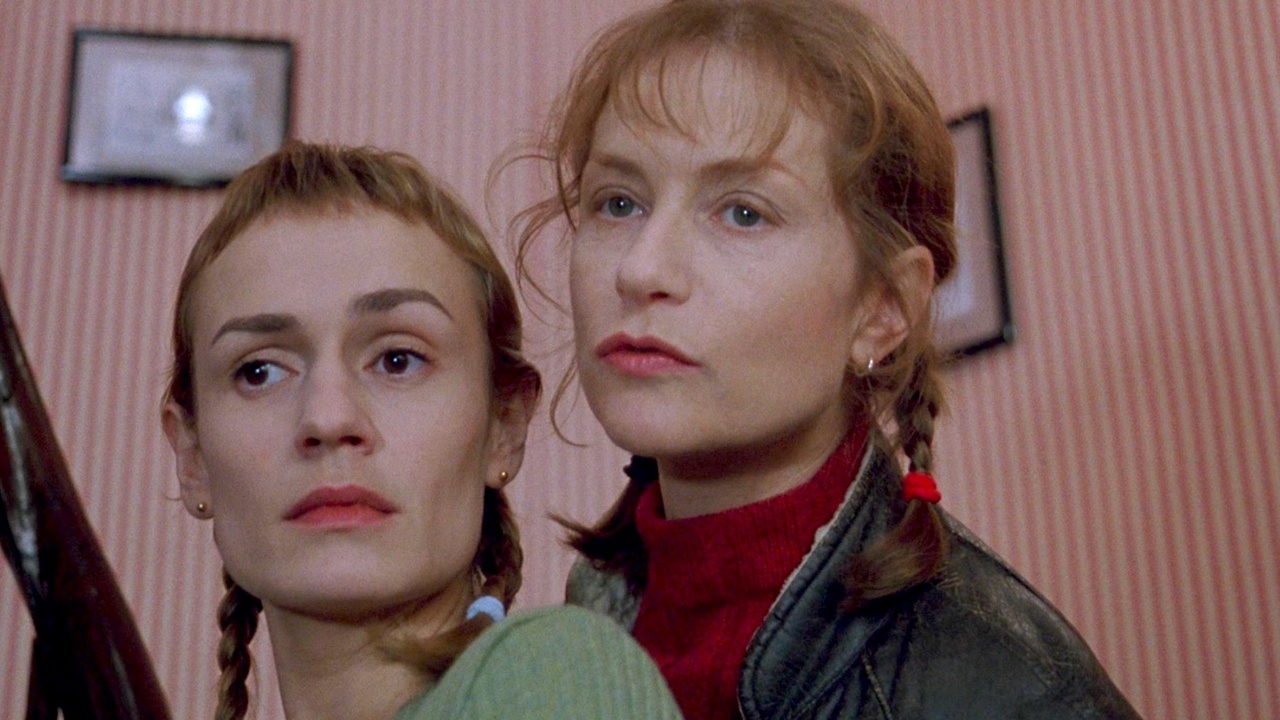
Claude Chabrol (1930 – 2010)
- 1958 – Le Beau Serge
- 1959 – À double tour
- 1959 – Les Cousins
- 1960 – Les Bonnes femmes
- 1961 – Wise Guys
- 1962 – The Third Lover
- 1963 – Ophélia
- 1965 – Paris vu par…
- 1966 – Line of Demarcation
- 1967 – The Champagne Murders
- 1967 – The Road to Corinth
- 1968 – Les Biches
- 1969 – La Femme infidèle
- 1969 – This Man Must Die
- 1970 – Le Boucher
- 1970 – La Rupture
- 1971 – Just Before Nightfall
- 1971 – Ten Days Wonder
- 1973 – Wedding in Blood
- 1974 – Nada
- 1975 – Innocents with Dirty Hands
- 1975 – Pleasure Party
- 1977 – Alice or the Last Escapade
- 1978 – Blood Relatives
- 1978 – Violette
- 1984 – Cop au Vin
- 1986 – Inspecteur Lavardin
- 1987 – The Cry of the Owl
- 1987 – Masques
- 1988 – Story of Women
- 1991 – Madame Bovary
- 1992 – Betty
- 1994 – L’Enfer
- 1995 – La Cérémonie
- 1997 – Rien ne va plus
- 1998 – The Colour of Lies
- 2000 – Merci pour le chocolat
- 2002 – The Flower of Evil
- 2004 – The Bridesmaid
- 2005 – A Comedy of Power
- 2006 – A Girl Cut in Two
- 2009 – Inspector Bellamy
- The Bourgeoisie as Crime Scene: Chabrol’s subject across fifty years is essentially one: the comfortable French middle class, its hypocrisies, its capacity for violence, and the thin membrane between social respectability and moral corruption. The crime in his films is usually less interesting than the social world that produces it.
- Hitchcock’s Machinery, Chabrol’s Agenda: Claude Chabrol literally wrote the book on Hitchcock, and ever since his debut, people compared him and Hitchcock’s filmmaking, but this is something of a distraction. Where Hitchcock uses his techniques to generate anxiety, Chabrol uses them to create irony. Audiences know that sitting down to watch a Chabrol, they’re watching something coldly amusing, which is distinctly un-Hitchcockian.
- Provincial France as Pressure Cooker: The choice of rural or small-town settings isn’t picturesque — it’s strategic. The provincial bourgeoisie is more exposed in a village, its pretensions more visible, its violence more shocking against the backdrop of normality. Le Boucher‘s Périgord and La Cérémonie‘s Breton household are menacing precisely because they look so pleasant.
- The Cold Eye and the Withheld Judgment: Chabrol refused moral commentary of his characters. He held them with such a fine anthropological detachment that you’re never told what to think of a character, which often makes the films feel dirtier and more disturbing.
- The Huppert Collaboration as Late Career Peak: His nine films with Isabelle Huppert produced some of his most concentrated work — she gave his cold observation a human instrument capable of opacity and intensity simultaneously. La Cérémonie, Merci pour le chocolat, and The Colour of Lies form a loose trilogy of dangerous women that represents his final major statement.
Biography
Coming soon

