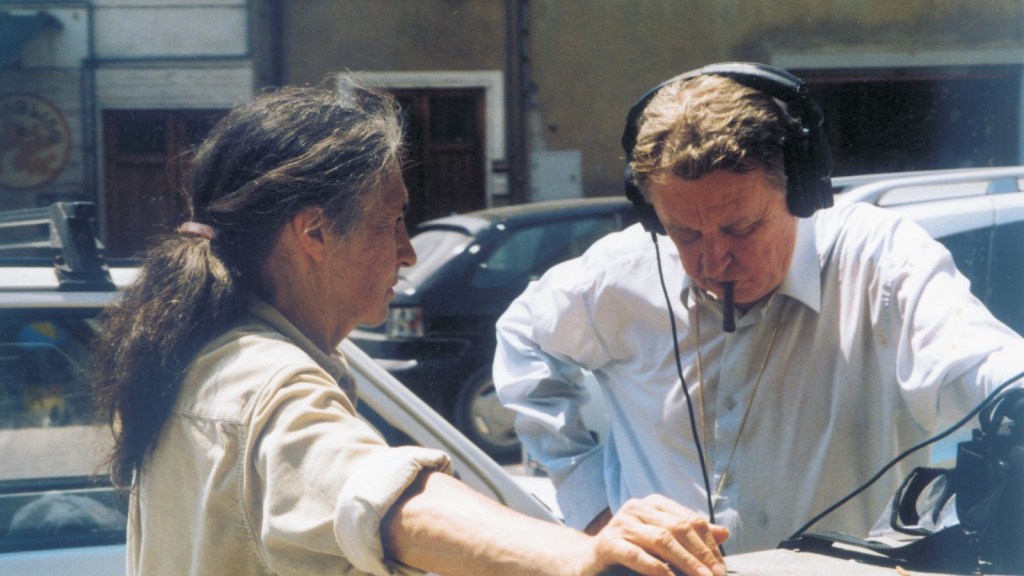
Jean-Marie Straub and Danièle Huillet made films together for forty years, and the collaboration was so total that separating their contributions was never really possible or, they insisted, meaningful. When Huillet died in 2006, Straub continued working but described the films as diminished. They were one filmmaker with two bodies.
What they made was genuinely difficult and genuinely uncompromising in a way that even other difficult filmmakers weren’t. The method was deceptively simple: take a text (Bach’s manuscripts, Schoenberg’s opera, Böll’s novel, Brecht’s plays, Hölderlin’s Empedocles) and film it with absolute fidelity, on location, with direct sound, in long static takes that refuse to smooth the material into conventional cinema. The result is films that make you work, not as a kind of cinematic hazing but because the work is the point. The difficulty is inseparable from the argument.
The entry point for most is the Chronicle of Anna Magdalena Bach. But don’t take the term ‘entry point’ to mean ‘easy.’ It is formally extraordinary. It uses Bach’s actual manuscripts and period performance practice to reconstruct a life through music rather than narrative. Moses and Aaron see them film Schoenberg’s unfinished opera in the Roman amphitheatre at Albano, and it is one of the more remarkable things done with an opera camera ever. Too Early, Too Late is almost purely landscape and history, Egypt and France observed until the political geology of those places becomes visible.
They left France for Germany when Straub refused military service during the Algerian War, a political decision that inflected everything that followed. The films are not decorative political objects; they’re made by people for whom politics was a condition of existence, which is rarer than it sounds.
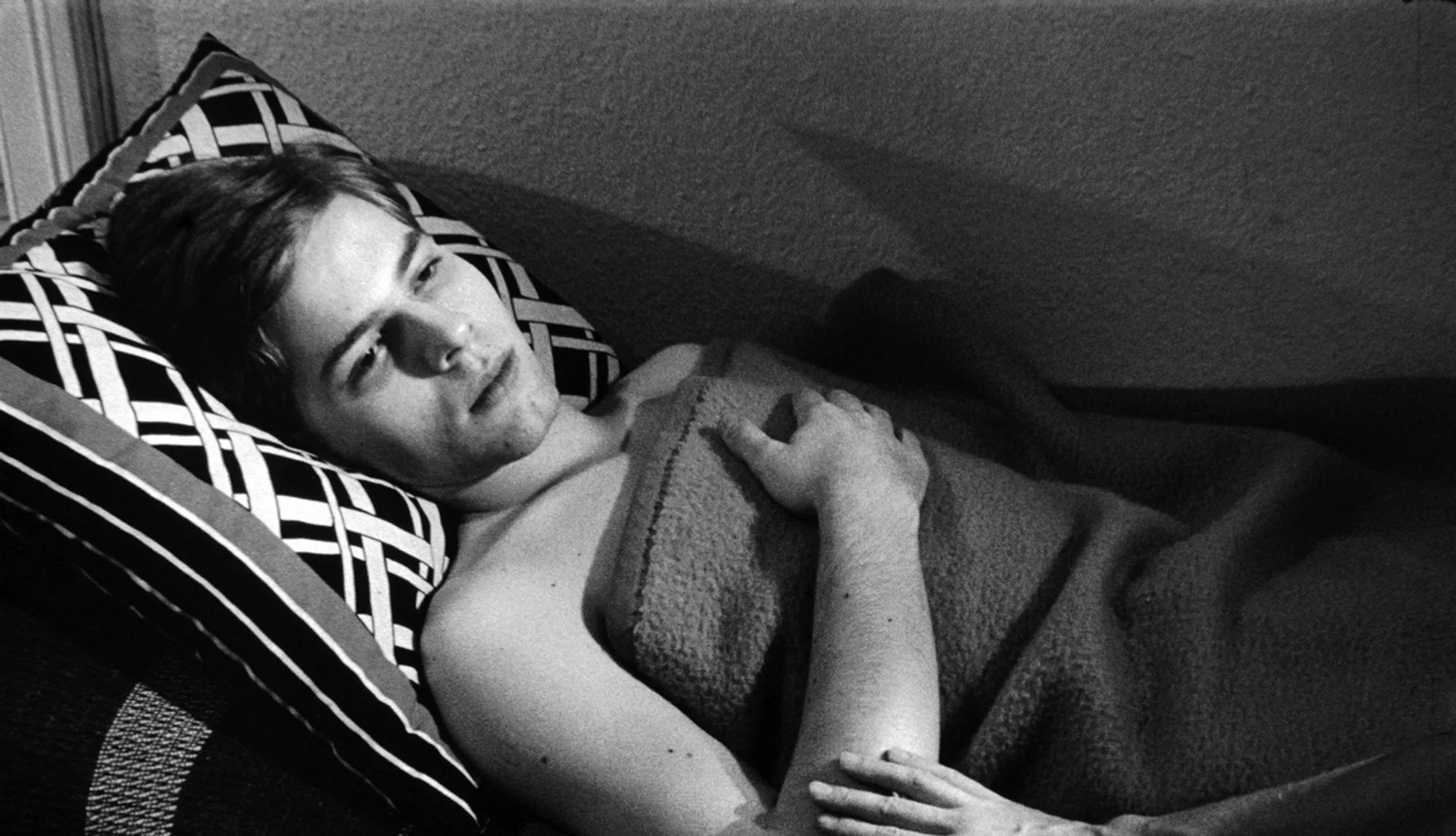
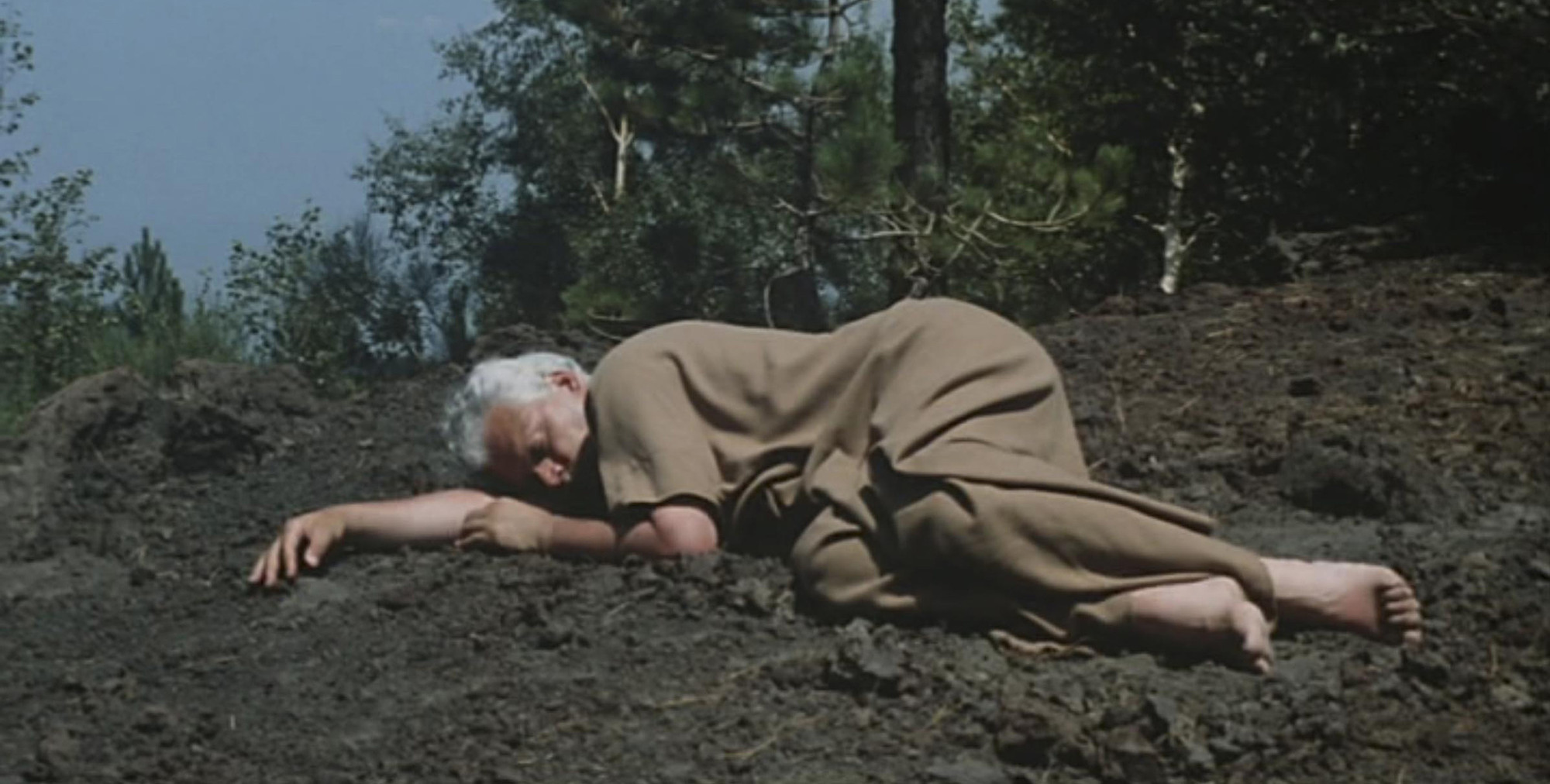
Jean-Marie Straub (1933 – 2022) and Daniele Huillet (1936 – 2006)
- 1963 – Machorka-Muff
- 1965 – Not Reconciled
- 1968 – The Bridegroom, the Comedienne and the Pimp
- 1968 – Chronicle of Anna Magdalena Bach
- 1970 – Othon
- 1972 – History Lessons
- 1973 – Introduction to Arnold Schoenberg’s Accompaniment to a Cinematic Scene
- 1975 – Moses and Aaron
- 1976 – Fortini/Cani
- 1979 – From the Clouds to the Resistance
- 1981 – Too Early/Too Late
- 1982 – En rachâchant
- 1984 – Class Relations
- 1987 – The Death of Empedocles
- 1990 – Black Sin
- 1990 – Cézanne – Conversation with Joachim Gasquet
- 1992 – Antigone
- 1997 – From Today Until Tomorrow
- 1999 – Sicilia!
- 2001 – Operai, contadini
- 2003 – Il ritorno del figlio prodigo
- 2004 – Une visite au Louvre
- 2006 – Quei loro incontri
- 2008 – Artemis’ Knee
- 2008 – Itinéraire de Jean Bricard
- 2011 – Schakale und Araber
- 2012 – La Madre
- 2013 – Un conte de Michel de Montaigne
- 2013 – Dialogue of Shadows
- 2014 – La Guerre d’Algérie!
- 2014 – Kommunisten
- 2018 – Gens du lac
- 2020 – La France contre les robots
- The Text as Film: Straub-Huillet’s primary method was taking literary texts and filming them with minimal alteration, which sounds straightforward but was, in fact, formally radical. The insistence on verbal and textual precision is a refusal of cinema’s tendency to digest and domesticate its sources. You are made to hear language as language rather than as transparent communication.
- Brechtian Alienation as Practice: The Brecht influence isn’t decorative; it’s structural. Non-professional actors deliver texts at a deliberate remove, the camera refuses point-of-view identification, and the films resist emotional absorption. The goal is the same as Brecht’s: a spectator who thinks rather than feels their way through.
- Landscape as Historical Sediment: Their locations are never neutral. The Sicilian landscape of Sicilia!, the Egyptian fields of Too Early, Too Late, the German forests carry the weight of specific histories – labour, colonialism, fascism = that the films make visible through sustained attention rather than explanation.
- Direct Sound as Political Commitment: Straub-Huillet recorded sound on location and refused post-synchronisation fixes. By accepting ambient noise and imperfection, they made a distinct aesthetic choice and a statement about authenticity and labour. The sound in their films is the actual sound of the place and the actual voice of the person.
- Collaboration: Jean-Marie Straub and Daniele Huillet insisted their films were equally made. They weren’t a director and collaborator. This was itself a political position about authorship. Jean-Marie Straub made good films after Daniele Huillet’s passing, but they lost something central. Huillet’s editing, her interrogation of actors.
- Alexander Kluge
- Chantal Akerman
- Harun Farocki
- Jean-Claude Rousseau
- Jean-Luc Godard
- Jean-Pierre Gorin
- Manoel de Oliveira
- Marguerite Duras
- Pedro Costa
- Robert Bresson
Biography
Coming soon

