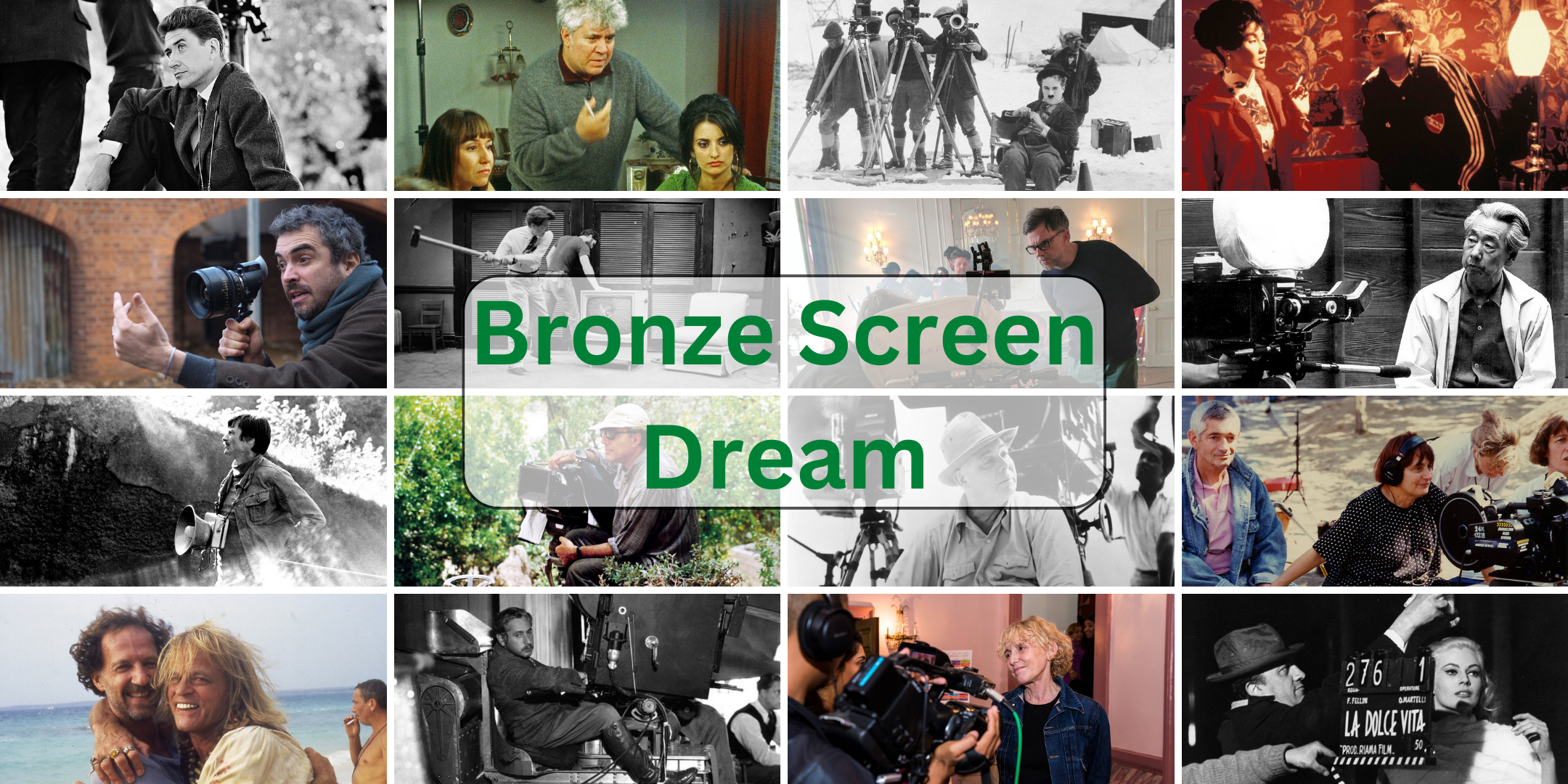
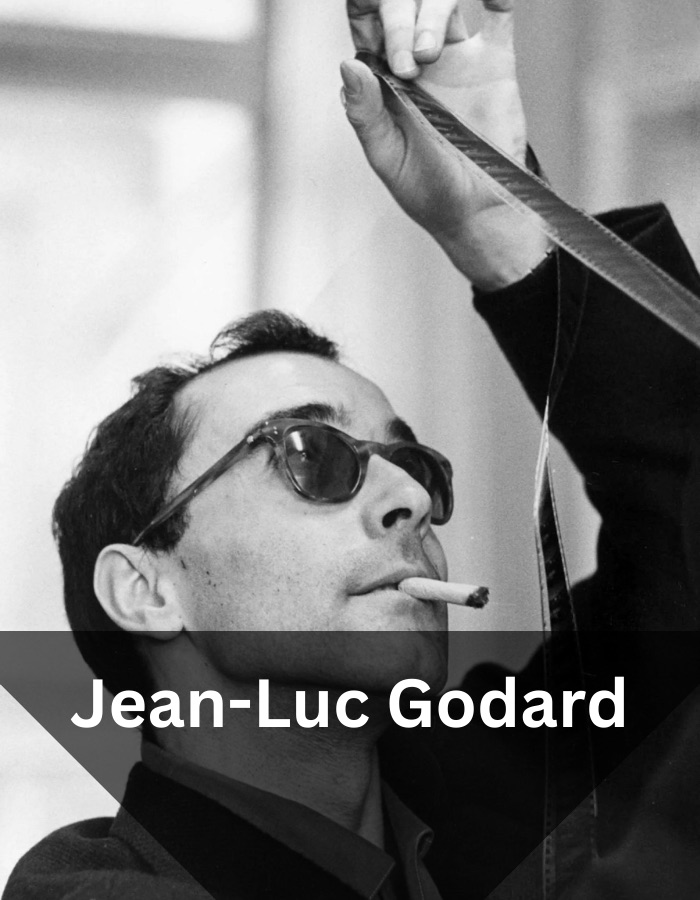
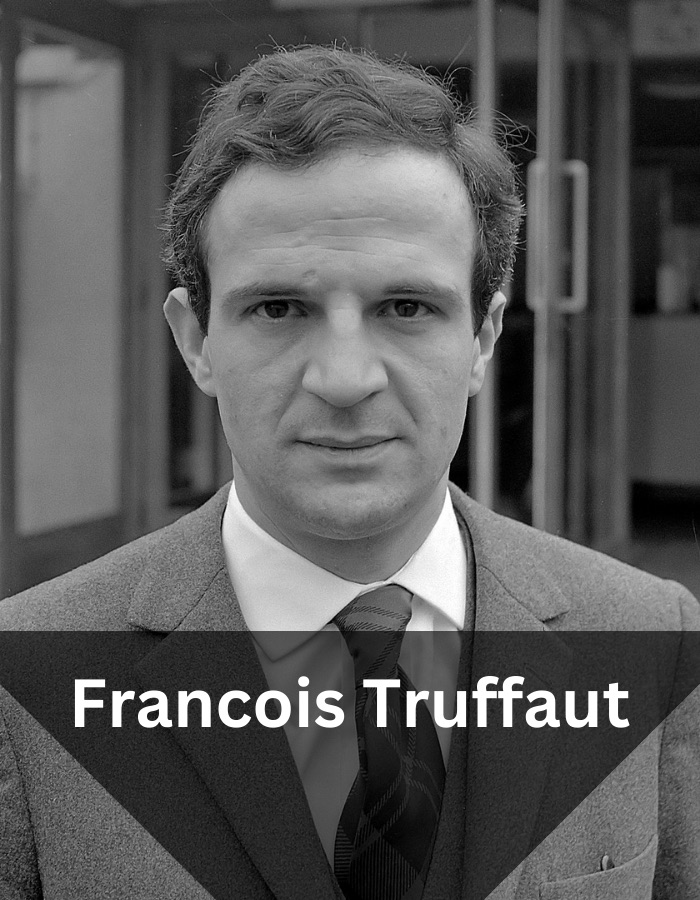
This 1930s generation of directors brought forth a wave of innovation and rebellion against the established norms of filmmaking, leading to new movements and styles that have made a lasting impact on the industry. Among these influential filmmakers were Jean-Luc Godard and François Truffaut, key figures in the French New Wave known for their stylistic experimentation and narrative innovations. Godard’s work, such as “Breathless” and Truffaut’s “The 400 Blows,” showcased a fresh cinematic language that broke away from classical forms and explored new possibilities in storytelling and visual composition.
The French New Wave
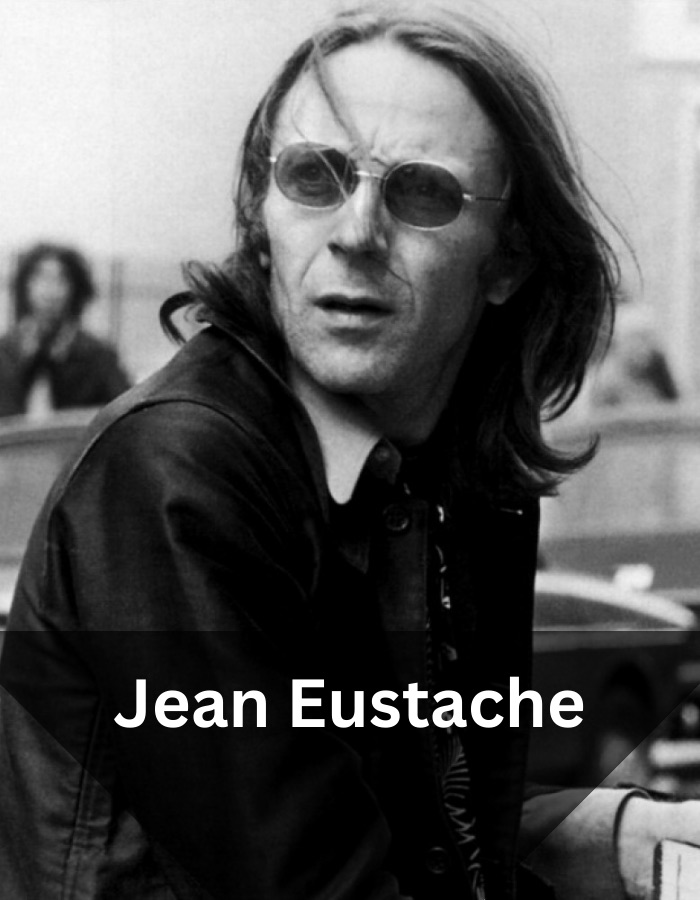
France, in particular, was a hotspot with directors like Jacques Demy, Louis Malle, and Jean Eustache emerging. Demy’s “The Umbrellas of Cherbourg” brought a whimsical yet poignant touch to the musical genre, while Malle’s diverse body of work, which includes “Au Revoir Les Enfants,” often confronted social and moral complexities. Eustache’s “The Mother and the Whore” became a landmark in portraying the intricacies of human relationships.
New Hollywood
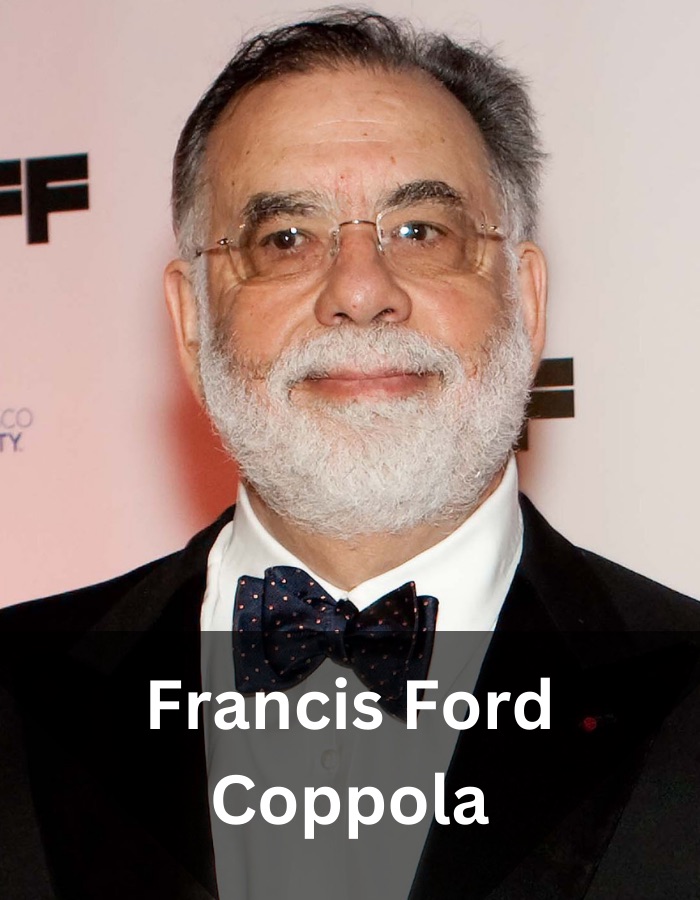
In Italy, filmmakers like Ermanno Olmi and Pier Paolo Pasolini were painting their own strokes on the cinematic canvas. Olmi’s “The Tree of Wooden Clogs” employed non-professional actors and naturalistic settings to remarkable effect. Pasolini’s raw and often controversial storytelling in films like “Salo, or the 120 Days of Sodom” challenged viewers and critics alike. Meanwhile, across the Atlantic, American directors such as Francis Ford Coppola, Clint Eastwood, and Woody Allen brought diverse genres and storytelling to Hollywood. Coppola’s “The Godfather” series redefined the gangster genre, Eastwood’s “Unforgiven” revitalised the western, and Allen’s “Annie Hall” offered a new take on romantic comedies.
Third Cinema
The influence of the 1930s-born directors was not confined to Europe and North America. In Eastern Europe and Latin America, filmmakers like Andrei Tarkovsky, Elem Klimov, Glauber Rocha, and Theo Angelopoulos crafted cinematic works that were both personal and deeply reflective of their nations’ turbulent histories. Tarkovsky’s poetic and metaphysical films like “Stalker” and “Solaris,” Klimov’s unflinching portrayal of war in “Come and See,” Rocha’s politically charged “Entranced Earth,” and Angelopoulos’s epic “The Travelling Players” all continue to be considered among the greatest films ever.
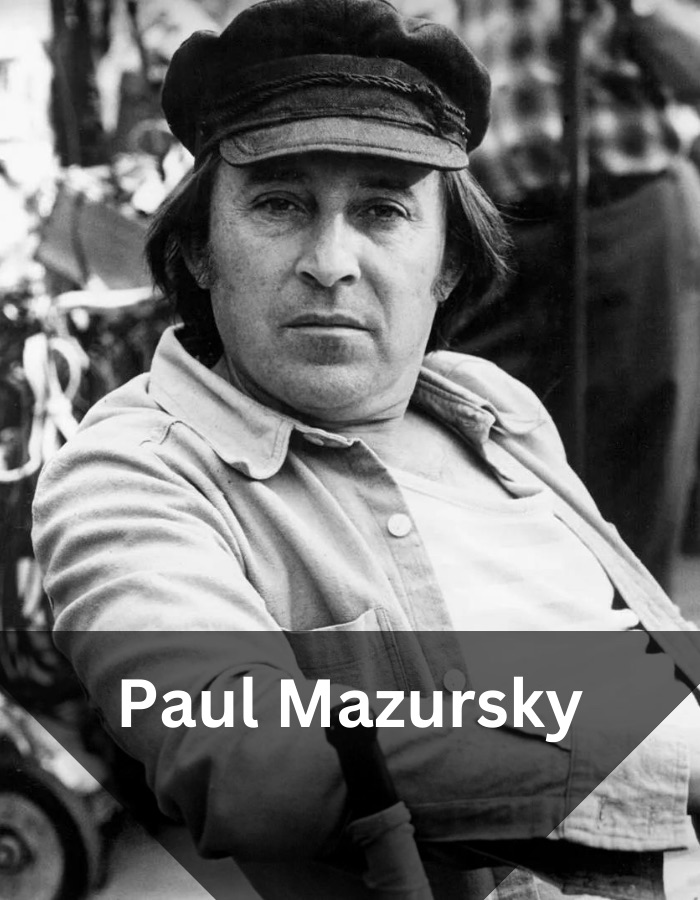
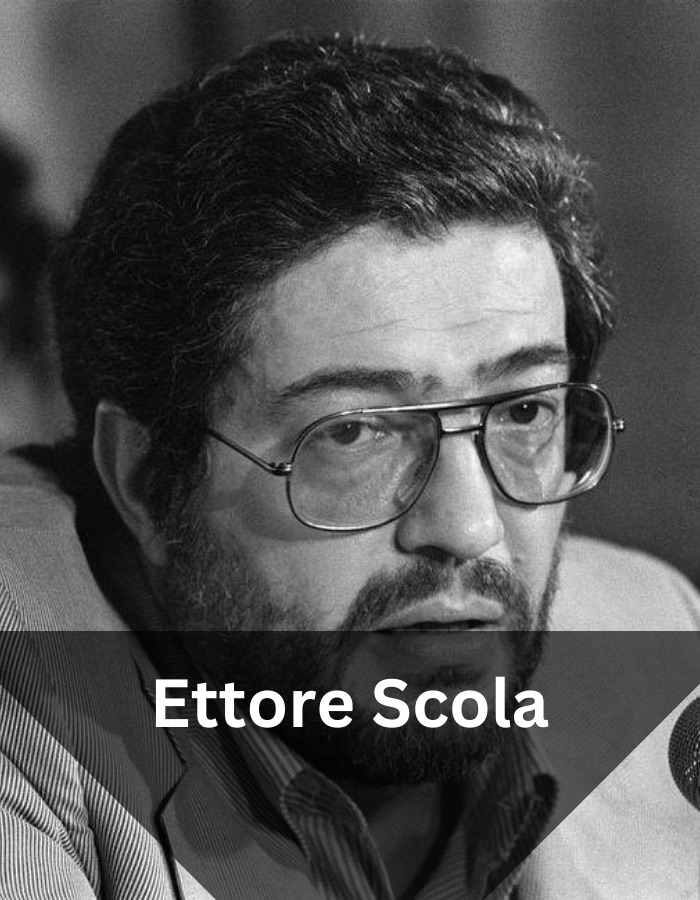
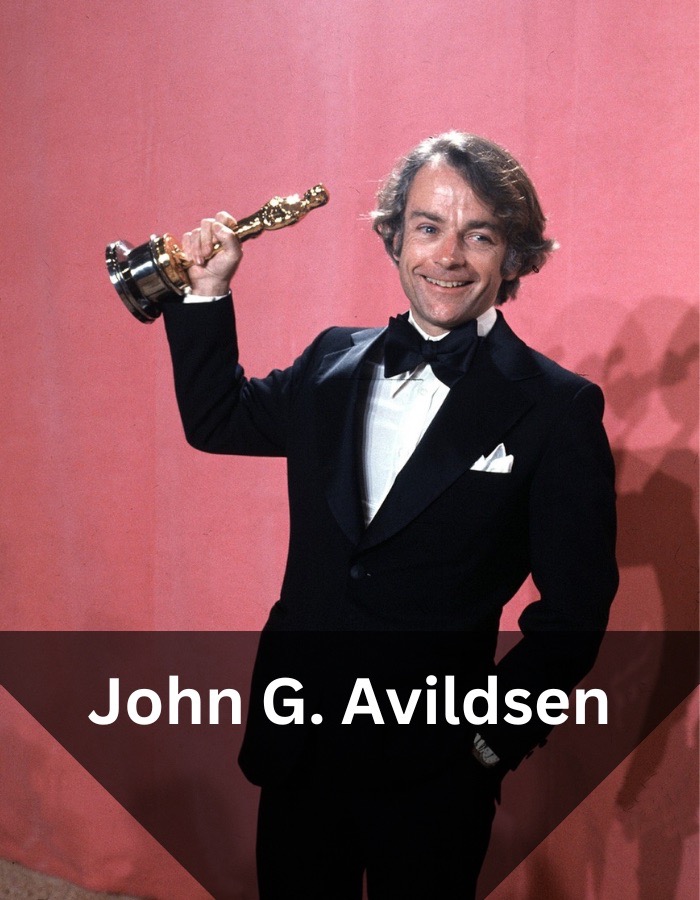
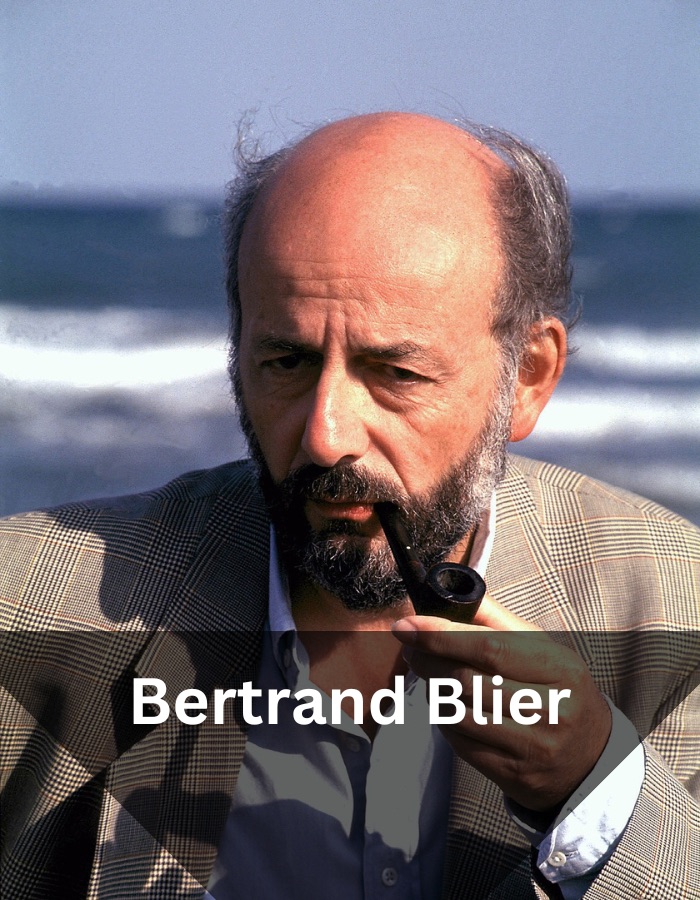
Click on the directors’ pictures to look at their profiles.




















































 Bronze Screen Dream