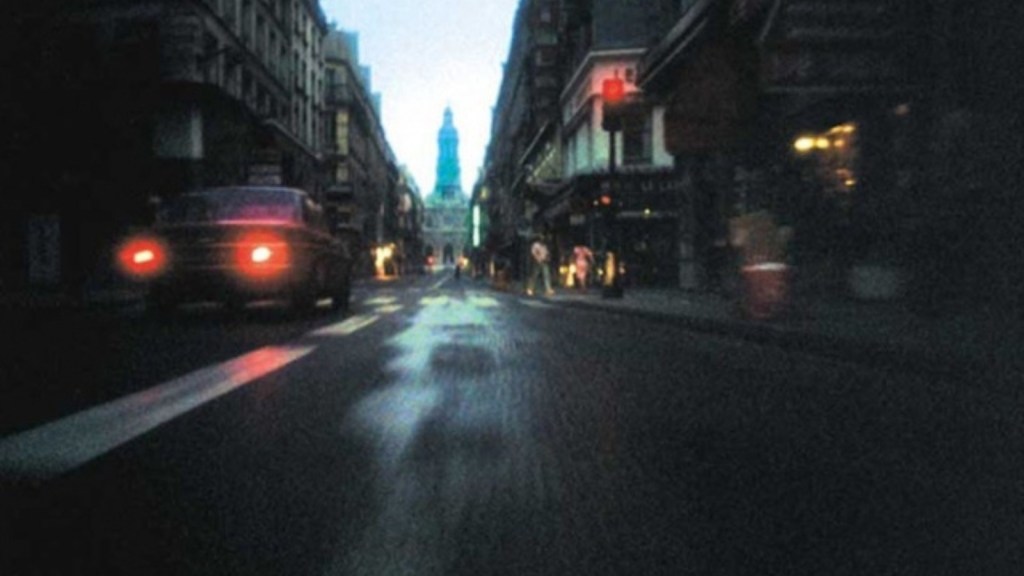
Claude Lelouch is one of French cinema’s most commercially successful directors. In 1965, he was a nobody; in 1966, he had somehow leapfrogged Truffaut, Godard and every other name you can think of to American acclaim by making A Man and a Woman, which won the Palme d’Or and two Oscars. He has spent the decades since reliably producing and churning out his own work while being slightly condescended to by the critical establishment: Too romantic, too accessible, too emotionally direct. These criticisms have a point, but they’re also worth resisting as he knows exactly what he’s doing.
He came up fast, self-taught, shooting newsreel and advertising before making features, and the commercial instincts and the handheld spontaneity both stayed. His films have the quality of someone who learned to work quickly and never lost the habit. He’s never formally radical like a deliberate filmmaker; he’s more willing to be emotional, his films are often more alive and loose. This meant he was always at the French cinema table, but rarely treated as an equal. His films simply aren’t austere, something he’d likely view as a positive.
The characteristic Lelouch film moves between tones and timelines fluidly, uses music as a structural device as much as an emotional one and returns obsessively to the same territory: two people who find each other, lose each other, or find each other again. The variations are wide. Happy New Year wraps this in a heist film. Les Uns et les Autres stretches it across decades and continents. Itinerary of a Spoiled Child is the most personal statement and one of his best.
He is still making films in his mid-eighties, still working with the same improvisational energy, still not particularly bothered by what critics think.
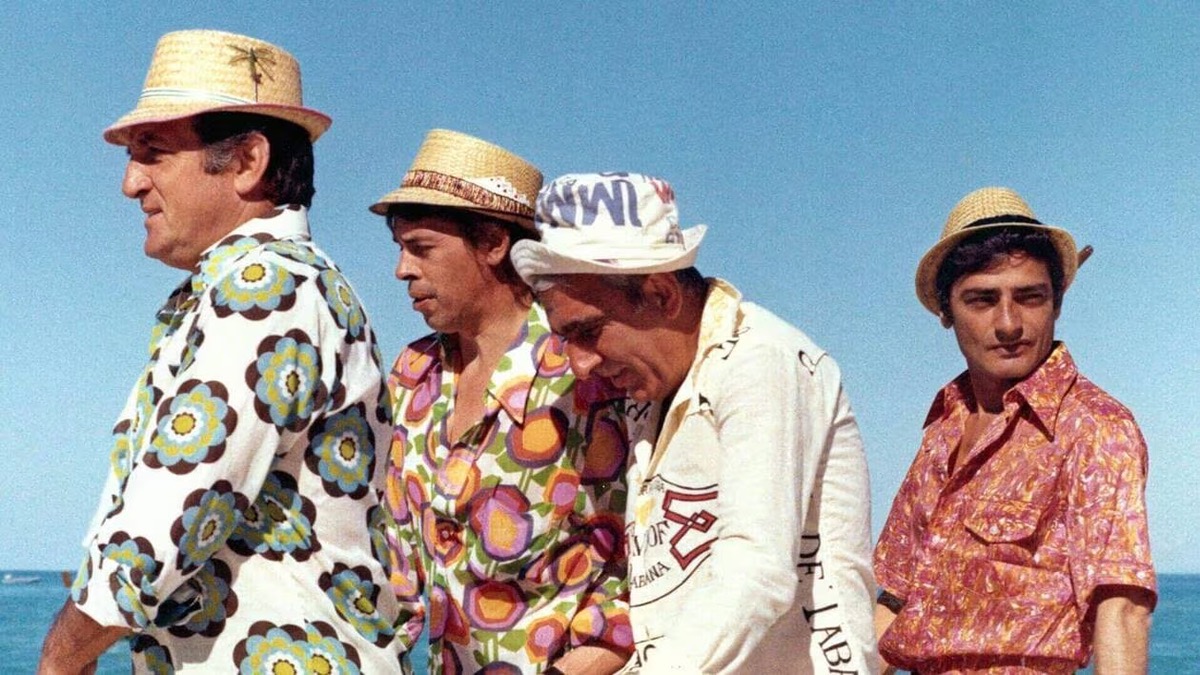
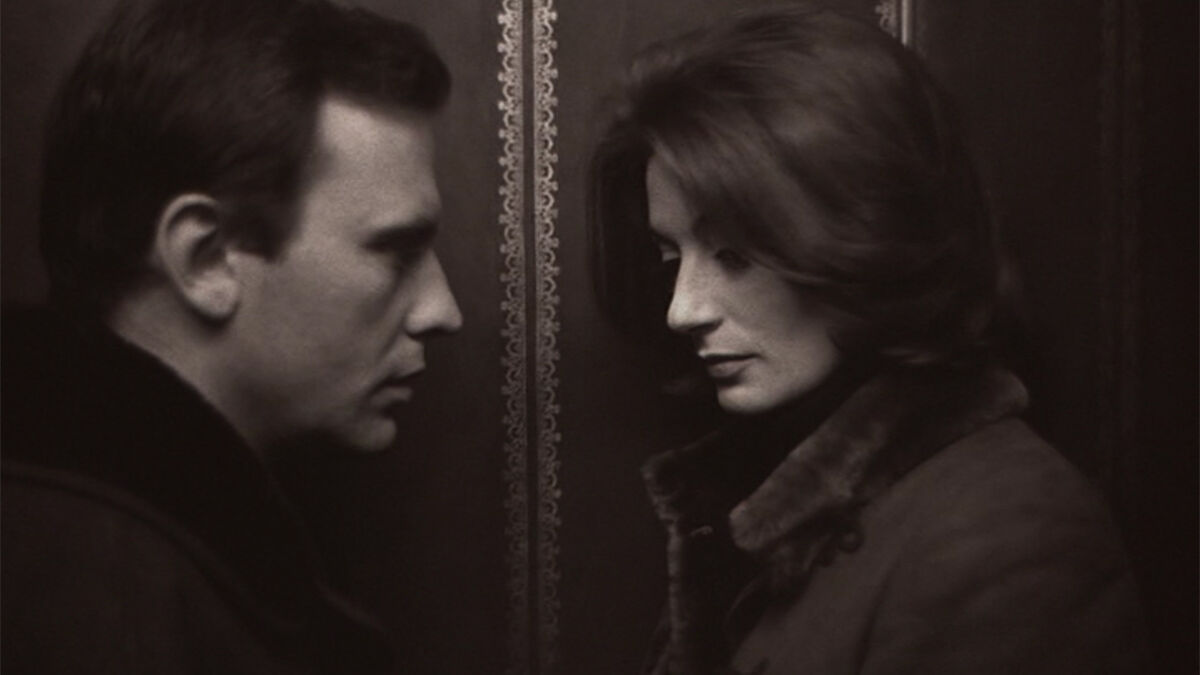
Claude Lelouch (1937–)
- 1960 – Le Propre de l’homme
- 1962 – In the Affirmative
- 1964 – La femme spectacle
- 1965 – Une fille et des fusils
- 1965 – Les Grands Moments
- 1966 – A Man and a Woman
- 1967 – Live for Life
- 1968 – 13 Days in France
- 1969 – Life Love Death
- 1969 – Love Is a Funny Thing
- 1970 – The Crook
- 1971 – Smic Smac Smoc
- 1972 – L’aventure, c’est l’aventure
- 1973 – Happy New Year
- 1974 – And Now My Love
- 1974 – Marriage
- 1975 – Cat and Mouse
- 1976 – The Good and the Bad
- 1976 – Second Chance
- 1977 – Another Man, Another Chance
- 1978 – Robert et Robert
- 1979 – Us Two
- 1981 – Les uns et les autres
- 1983 – Édith et Marcel
- 1984 – Viva la vie
- 1985 – Partir, revenir
- 1986 – A Man and a Woman: 20 Years Later
- 1987 – Attention bandits!
- 1988 – Itinerary of a Spoiled Child
- 1990 – There Were Days… and Moons
- 1992 – La Belle Histoire
- 1993 – All That… for This?!
- 1995 – Les Misérables
- 1996 – Men, Women: A User’s Manual
- 1998 – Chance or Coincidence
- 1999 – One 4 All
- 2002 – And Now… Ladies and Gentlemen
- 2004 – Les Parisiens
- 2005 – Le courage d’aimer
- 2007 – Roman de Gare
- 2010 – What War May Bring
- 2011 – D’un film à l’autre
- 2014 – We Love You, You Bastard
- 2015 – Un plus une
- 2017 – Everyone’s Life
- 2019 – The Best Years of a Life
- 2021 – Love Is Better Than Life
- 2024 – Finalement
- Love as the Central Fact: Lelouch’s films usually feature romance, but he doesn’t do it in a typical way. Instead, he uses love as a prism through which to filter his subjects (History, fate, class, chance). This makes his films deliberately, but unapologetically, sentimental.
- Fate and Coincidence: His films return persistently to the idea that lives are shaped by accidents of timing; a chance encounter, a near-miss, a moment that could have gone differently. A Man and a Woman is built on this, and so is most of what followed. There’s a philosophical position here about whether we control our lives or are controlled by them.
- The Francis Lai Score as Co-author: The collaboration with Lai (and later Michel Legrand) is structural rather than decorative. His soundtracks don’t underscore the films; they produce the sentimentality that drives them. It’s a technique that either works on you or doesn’t.
- Handheld Spontaneity and Documentary Texture: Lelouch’s style makes use of a fluid, improvisational, often handheld camera. This approach, paired with his use of natural light, gives his films a sense of aliveness that survives their occasional structural looseness.
- The Long View of Relationships: Lelouch is interested in what happens after the beginning: how love ages, how people return to each other across years, how the same feeling looks different at different points in a life. Les Uns et les Autres, the A Man and a Woman sequel, the late career films returning to earlier characters — all of this is the same fascination.
- Alain Cavalier
- Claude Sautet
- Ettore Scola
- François Truffaut
- Jacques Demy
- Louis Malle
- Patrice Leconte
- Philippe de Broca
- Richard Linklater
- Yves Robert
Biography
Coming soon

