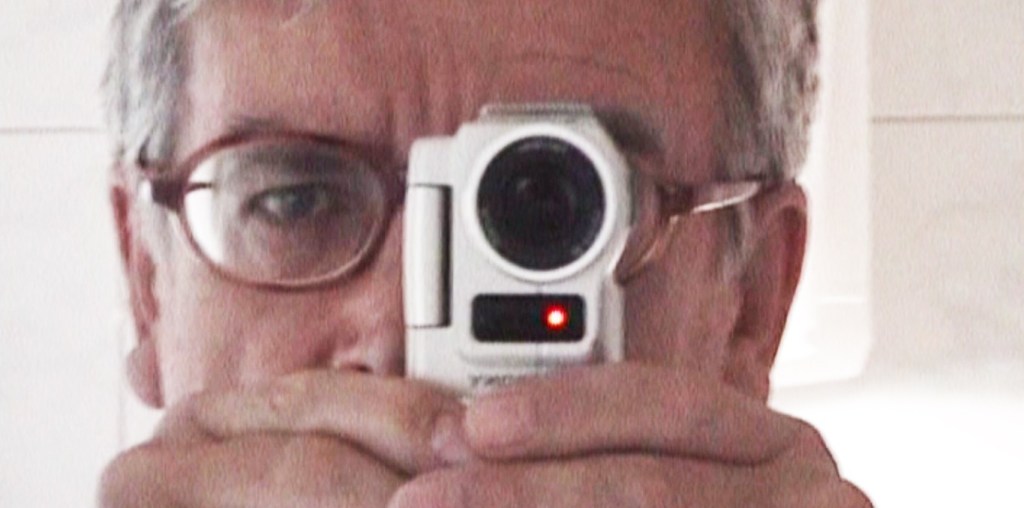
Alain Cavalier has spent sixty years slowly shedding everything that wasn’t essential to what he was doing and what he arrived at. The trajectory from his early features, polished New Wave-adjacent thrillers and literary adaptations, to the late video diaries is so complete that they barely feel like the same filmmaker. Except they are, and the continuity becomes visible once you understand that the erosion was always the direction of travel.
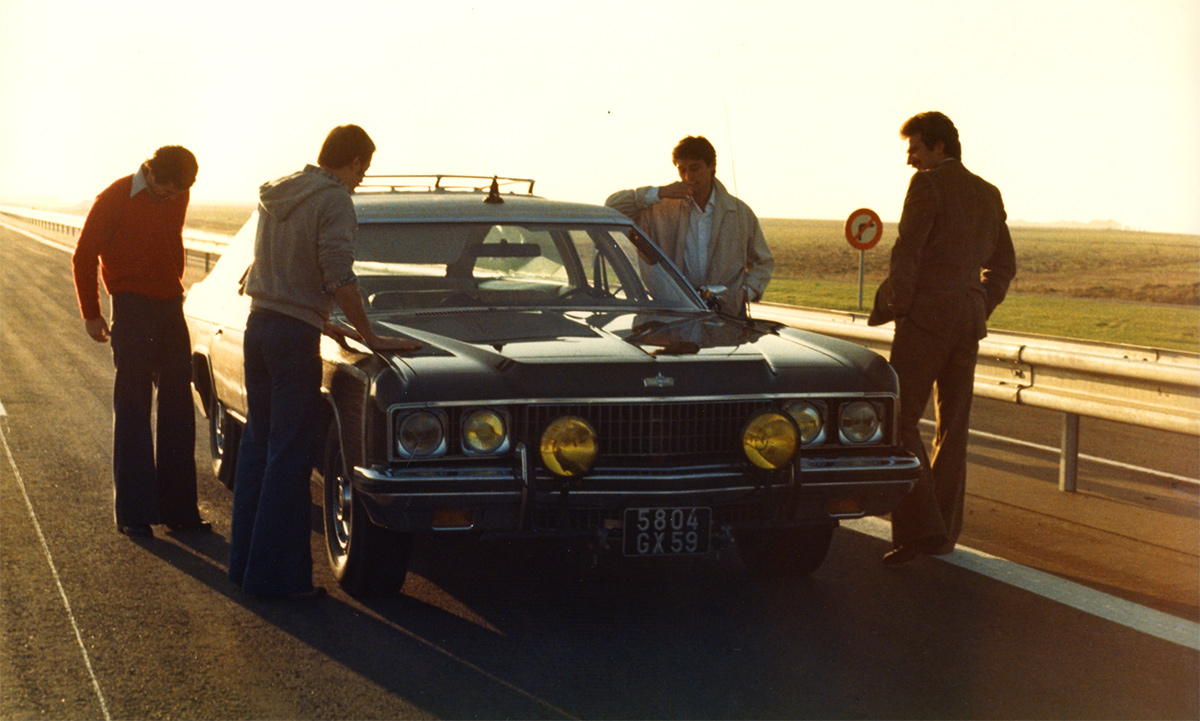
He studied at IDHEC, assisted Malle on Elevator to the Gallows, made his own early features in the industry’s conventional terms, Le Combat dans l’île, L’Insoumis, La Chamade, and was good at it without being quite himself. The turning point was the death of his partner Irène Tunc in a car accident in 1972, a loss whose reverberations run through decades of subsequent work. Ce répondeur ne prend pas de messages in 1978, in which he films himself for seven days in his apartment painting everything (walls, windows, floor) progressively black, is where the industrial Cavalier ends and the filmeur begins.
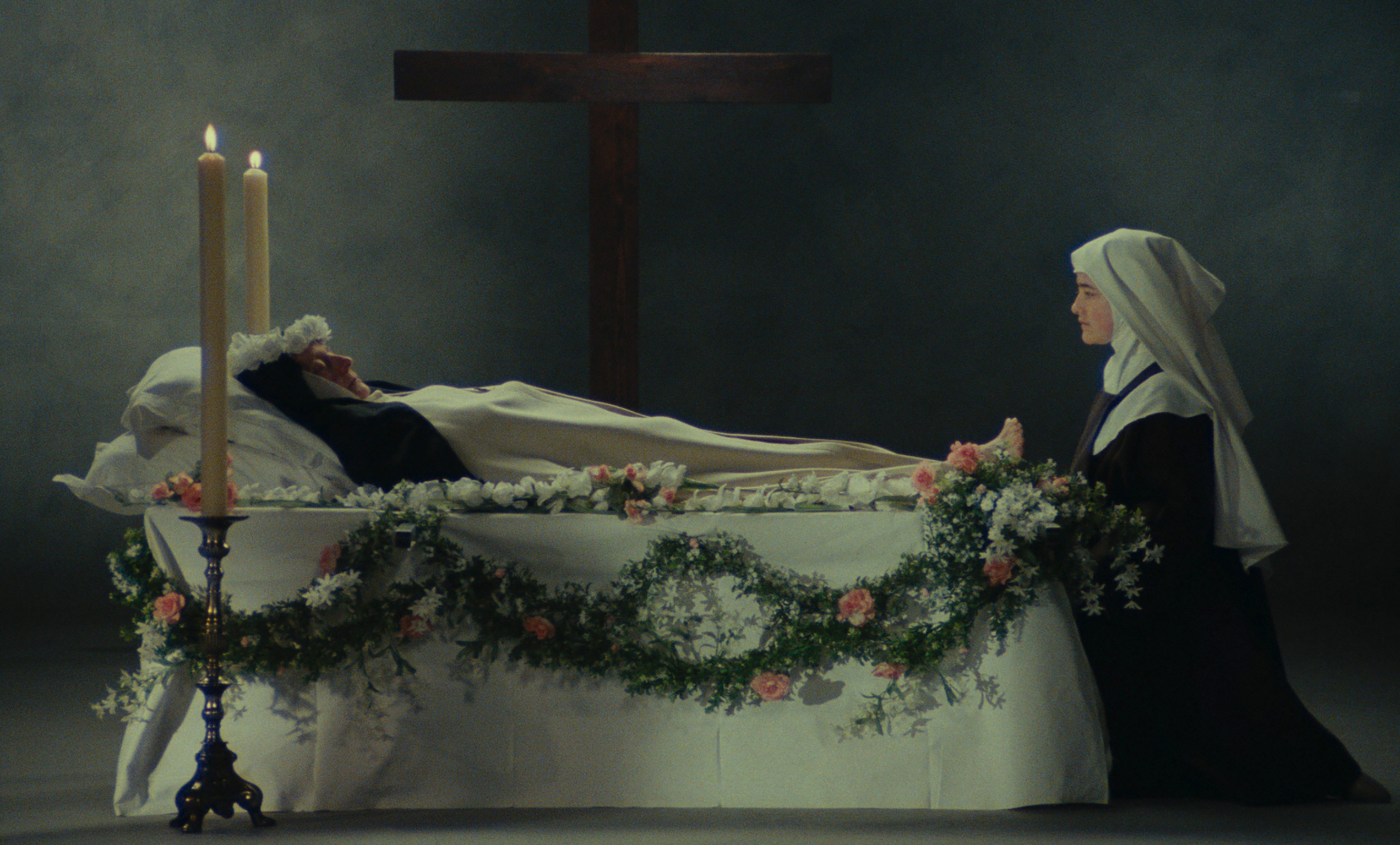
Thérèse in 1986 is the anomaly that proves the rule; a César-winning account of the life of Thérèse of Lisieux, stripped of period spectacle, shot in austere studio conditions with non-professional lighting, closer in spirit to Bresson than to the heritage film. It was a mainstream success made by someone already moving away from mainstream methods. Libera me, shot on video in 1993 without dialogue or conventional narrative, confirmed the direction. The 24 short portraits of women in manual trades (a mattress-maker, a seamstress, a butcher) that he made through the late 1980s showed what the handheld intimate camera could do when pointed at work and faces with complete attention and no agenda beyond looking.
Le Filmeur, Irène, Pater, Le Paradis, the continuing Six Portraits XL; the late career is now itself a body of work as significant as anything he did before it. He is ninety-four and still filming.
Alain Cavalier (1931–)
- 1958 – Un Américain
- 1962 – Combat dans l’île
- 1964 – The Unvanquished
- 1967 – Mise à sac
- 1968 – La Chamade
- 1976 – Fill ‘Er Up with Super
- 1978 – Martin et Léa
- 1979 – This Answering Service Takes No Messages
- 1981 – Un étrange voyage
- 1986 – Thérèse
- 1988 – 24 portraits d’Alain Cavalier (Series)
- 1993 – Libera Me
- 1996 – La Rencontre
- 2000 – Vies
- 2002 – René
- 2005 – Le Filmeur
- 2007 – J’aimerais partager le printemps avec quelqu’un
- 2009 – Irène
- 2011 – Pater
- 2014 – Le Paradis
- 2015 – Le Caravage
- 2017 – Six portraits XL
- 2019 – Être vivant et le savoir
- 2022 – L’Amitié
- 2026 – Thanks for Coming
- The Filmeur: From the 1990s onward, Cavalier abandoned crew, budget and conventional production entirely to become what he calls a filmeur. Operating alone with lightweight handheld digital equipment, dissolving the barrier between filming and living. The camera becomes a daily ritual rather than a professional instrument, the act of recording inseparable from the act of existing. Le Filmeur documents nine years of this practice; the method has not changed since.
- Radical Minimalism and Deliberate Subtraction: The trajectory of the career is one of continuous shedding: Artificial lighting, external scores, complex editing, professional actors, then eventually crew, then budget, then conventional narrative altogether. What remains is natural light, ambient sound, long takes, and the unadorned texture of reality. Thérèse already demonstrated this instinct within a conventional feature framework; the later work takes it to its logical conclusion.
- Faces, Hands and Objects: Cavalier describes himself not as a documentary filmmaker but as an enthusiast of faces, hands and objects. The extreme close-ups of household tools, a piece of fish on a counter, the precise movements of hands performing manual labour; these transform ordinary tasks into something close to ritual. The 24 portraits of women in manual trades are the purest expression of this, but the attention runs throughout the late work as a consistent moral position about what deserves to be filmed.
- The Video Diary, Intimacy and Mortality: The autobiographical films navigate loss, ageing and the passage of time not through melodrama but through the accumulation of quiet daily images. The death of Irène Tunc haunts decades of work, surfacing explicitly in Irène; his parents’ deaths are filmed directly in Le Filmeur; his own ageing face and body appear regularly, stripped of vanity. The camera becomes the instrument through which mortality is approached rather than avoided.
- Director, Subject and Spectator: Cavalier simultaneously occupies all three positions in his late films; peaking from behind the lens in warm real-time commentary, stepping in front of it to expose his own face and imperfections, and watching himself watching. The traditional authority of the director dissolves into something closer to mutual witness.
- Agnes Varda
- Claude Sautet
- Eugene Green
- Jean-Luc Godard
- Jean-Paul Civeyrac
- Jonas Mekas
- Kirsten Johnson
- Louis Malle
- Margaret Tait
- Ross McElwee
Biography
Coming soon

