John Frankenheimer

John Frankenheimer arrived from live television in the late 1950s and brought its discipline with him — the tight scheduling, the pressure, the instinct for performance over polish. What he added was a visual restlessness that television couldn’t contain: wide-angle lenses pushed into faces, deep-focus compositions that made interiors feel like traps, editing rhythms that created paranoia before the plot had earned it.
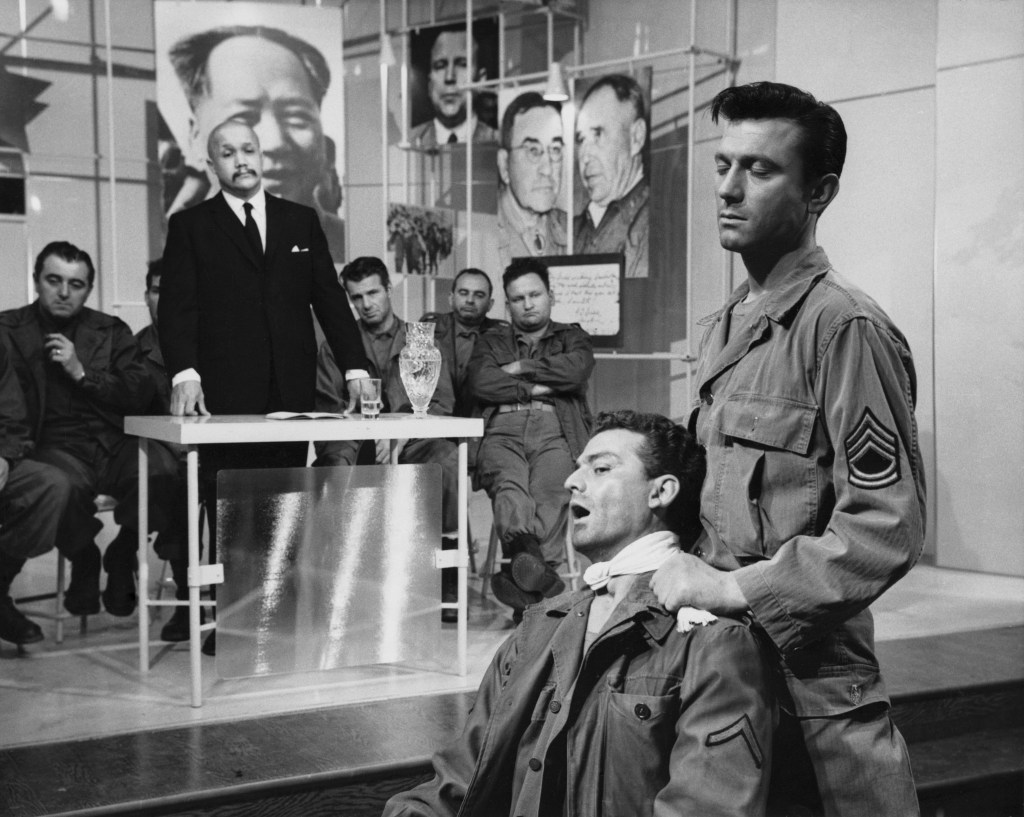
The Manchurian Candidate in 1962 is the film that defines him and probably always will. It’s one of those rare political thrillers that feels genuinely dangerous — a film about brainwashing, assassination and maternal manipulation that was pulled from circulation after Kennedy’s death and returned years later seeming if anything more unsettling. The visual style, all canted angles and dreamlike communist pageantry, is inseparable from the content. Frankenheimer wasn’t decorating a thriller; he was making the form enact the subject.
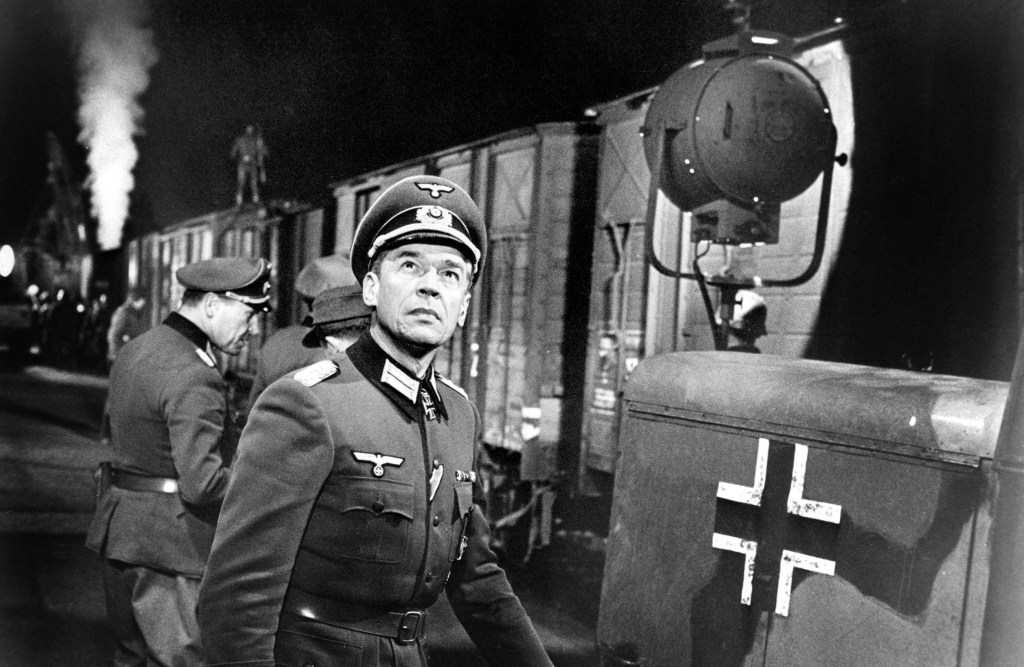
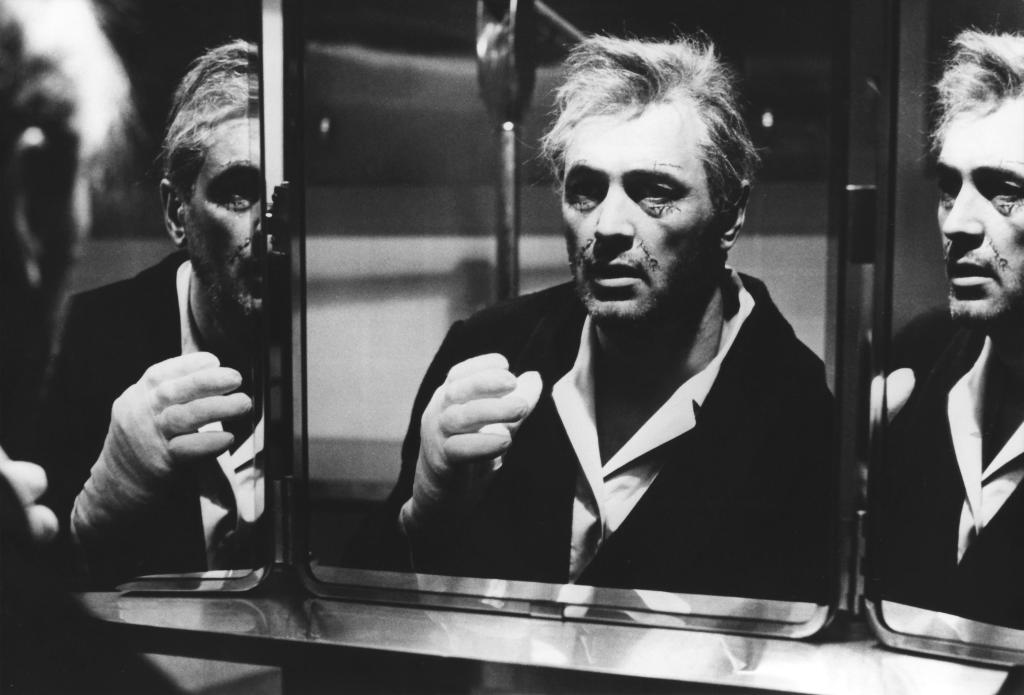
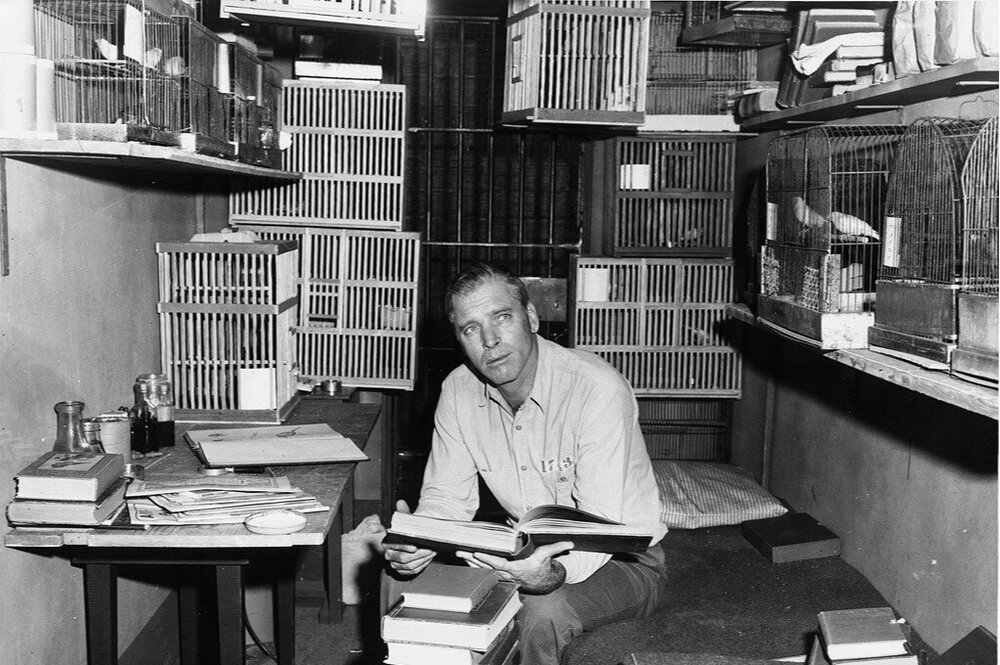
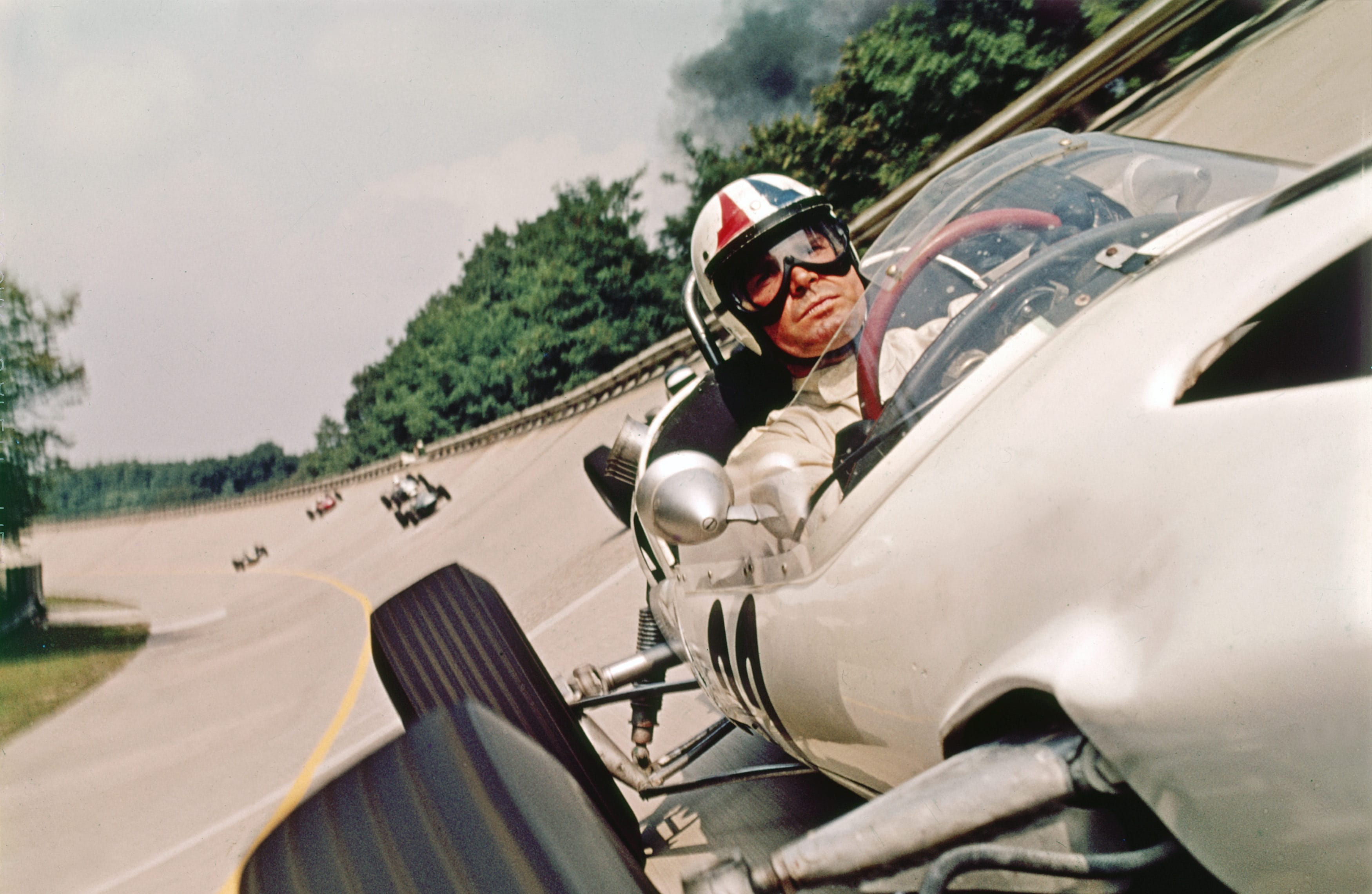
The run that followed is remarkable: Birdman of Alcatraz, Seven Days in May, The Train, Seconds, Grand Prix — five years of films across completely different genres, each one technically ambitious and each one working the same underlying anxiety about institutions, control and what gets done to men by systems larger than themselves. Seconds in particular, with its story of a middle-aged man who buys a new identity and finds it as hollow as the old one, is the kind of film that gets rediscovered every decade or so and recognised as stranger and more disturbing than remembered.
His later career was uneven — there were genuine misfires alongside Black Sunday and Ronin — but the 1960s work alone would secure the reputation. He remains one of the most technically inventive directors Hollywood produced.
John Frankenheimer (1930 – 2002)
- 1961 – The Young Savages
- 1962 – All Fall Down
- 1962 – Birdman of Alcatraz
- 1962 – The Manchurian Candidate
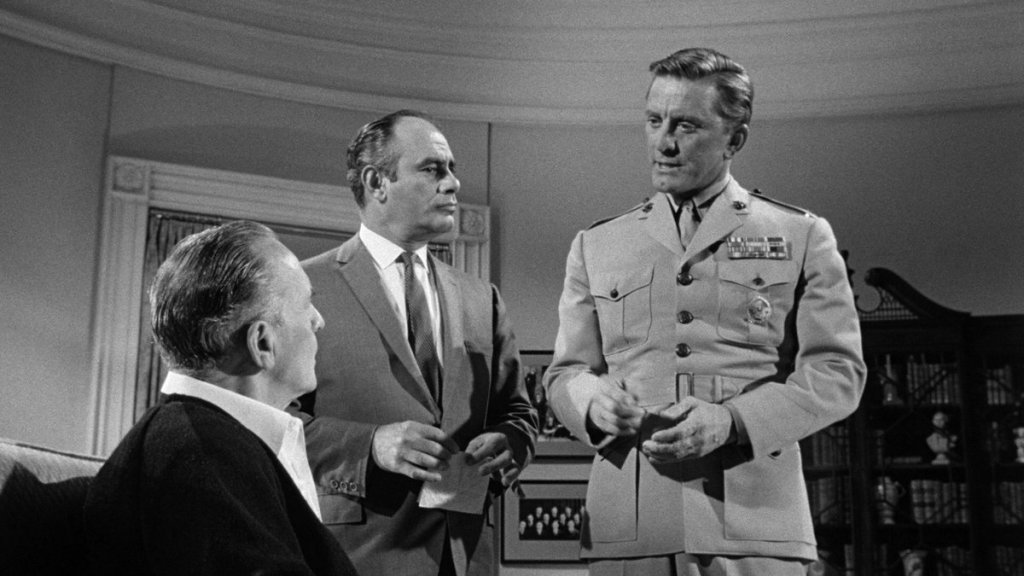
- 1964 – Seven Days in May
- 1964 – The Train
- 1966 – Grand Prix
- 1966 – Seconds
- 1968 – The Fixer
- 1969 – The Gypsy Moths
- 1970 – I Walk the Line
- 1973 – The Iceman Cometh
- 1974 – 99 and 44/100% Dead!
- 1975 – French Connection II
- 1977 – Black Sunday
- 1979 – Prophecy
- 1986 – 52 Pick-Up
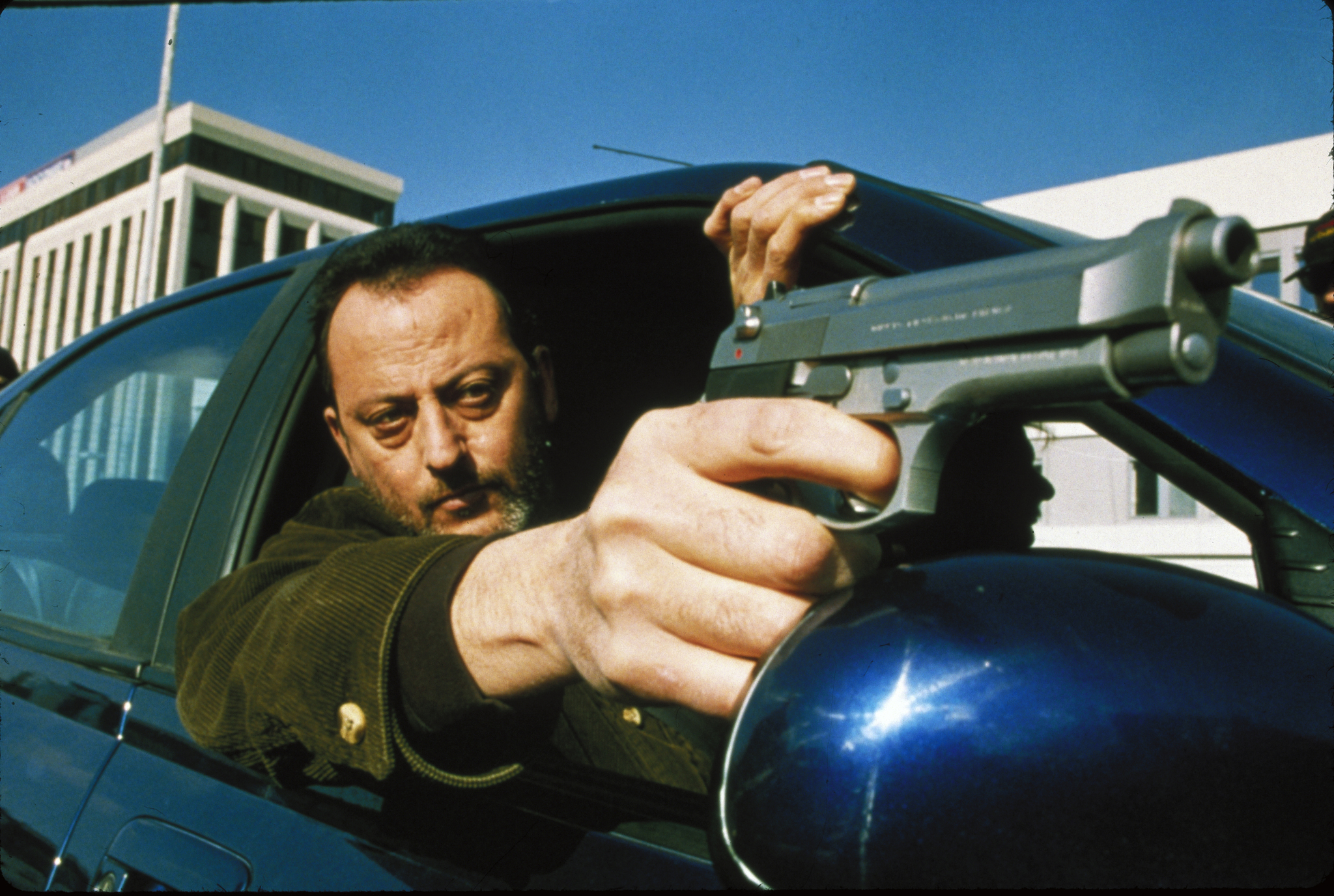
- 1998 – Ronin
- 2000 – Reindeer Games
- 2002 – Path to War [TV]
- Paranoia and Conspiracy: Frankenheimer returns obsessively to the figure of the individual caught inside a system that is manipulating them without their knowledge. The Manchurian Candidate, Seconds, Black Sunday and Ronin all operate on the premise that nothing is quite what it appears and that institutions — political, corporate, familial — cannot be trusted.
- Identity and Transformation: Several of his best films are essentially about what happens when a man tries to become someone else. Seconds is the most explicit, but the brainwashed soldier of The Manchurian Candidate and the compromised agent of Ronin are variations on the same anxiety about whether the self is stable or constructed.
- Political Power and Its Abuses: From the military coup of Seven Days in May to the terrorism of Black Sunday, Frankenheimer was consistently drawn to the mechanisms by which power operates outside democratic accountability. These aren’t action films that happen to have political settings — the politics is the subject.
- Masculinity and Professionalism: His male protagonists are typically defined by competence — soldiers, drivers, operatives — whose professional codes are tested to destruction by the situations they find themselves in. The question is whether the code holds when the institution it serves has been corrupted.
- The American Establishment as Threat: Running through much of the 1960s work is a specifically American anxiety — the enemy isn’t foreign but domestic, embedded in the Senate, the military, the family itself.
- Wide-Angle and Deep-Focus Photography: Frankenheimer’s most distinctive visual signature is his use of wide-angle lenses at close range, distorting faces and spaces in ways that create unease before the narrative has justified it. Combined with deep focus, this gives his frames a pressurised quality — everything is in the shot, nothing can be escaped.
- Claustrophobic Interiors: Even in films with large-scale action sequences, Frankenheimer’s instinct is to compress space. Rooms feel smaller than they are, corridors become tunnels, and the frame itself becomes a kind of confinement.
- Kinetic Action Sequences: The racing sequences in Grand Prix, the train pursuit in The Train, the car chase in Ronin — Frankenheimer approached action with a documentarian’s instinct for physical reality, using multiple cameras and practical locations to create sequences that feel genuinely dangerous.
- Television Naturalism: The live television background gave him an ear for performance — his films tend to privilege actors over visual spectacle, and the best scenes are often the quietest, two people in a room where the tension comes from what isn’t being said.
- Expressionist Lighting: Particularly in Seconds and The Manchurian Candidate, Frankenheimer used shadow and high-contrast lighting to create a psychological atmosphere closer to German Expressionism than mainstream Hollywood thriller convention.
- The Corrupt Institution: Almost every Frankenheimer film features an institution — the military, the government, the corporation, the family — that turns out to be the source of threat rather than the source of protection. This is his fundamental subject expressed through whatever genre he’s working in.
- The Trapped Protagonist: His heroes are rarely free agents. They are embedded in systems, following orders, operating inside structures that constrain and ultimately betray them. The dramatic engine is usually the moment when they realise the trap they’re in.
- Technical Showmanship in Service of Tension: Unlike directors whose technical ambition is primarily aesthetic, Frankenheimer’s formal choices are consistently functional — the distorting lens increases paranoia, the deep focus makes escape impossible, the multiple cameras in action sequences make violence feel real rather than choreographed.
- The Political Thriller as Serious Form: Frankenheimer treated the genre with a seriousness that was unusual for Hollywood. His political films aren’t entertainments that happen to have political settings — they’re genuine engagements with how power operates, made at a moment when that felt urgent.
- Collaboration with Actors: Coming from live television, he had an unusual respect for performance and rehearsal. His films tend to be strongly acted in ways that distinguish them from more director-centred work of the same period — Lancaster, Douglas, De Niro and Nolte all did some of their best work for him.
- Alan J. Pakula
- Arthur Penn
- Costa-Gavras
- Cy Endfield
- Don Siegel
- Franklin J. Schaffner
- John Boorman
- Joseph Sargent
- Michael Mann
Read More About John Frankenheimer
Coming soon as posts added