Ermanno Olmi

Ermanno Olmi is one of Italian cinema’s quiet giants — a filmmaker so unshowy in his methods that it’s easy to underestimate what he’s actually doing. He came up making industrial documentaries for Edison Volta, filming workers and factory floors, and that origin never really left him. His features have the same quality: a patient attention to ordinary people doing ordinary things, and a conviction that this is enough, that it is in fact everything.
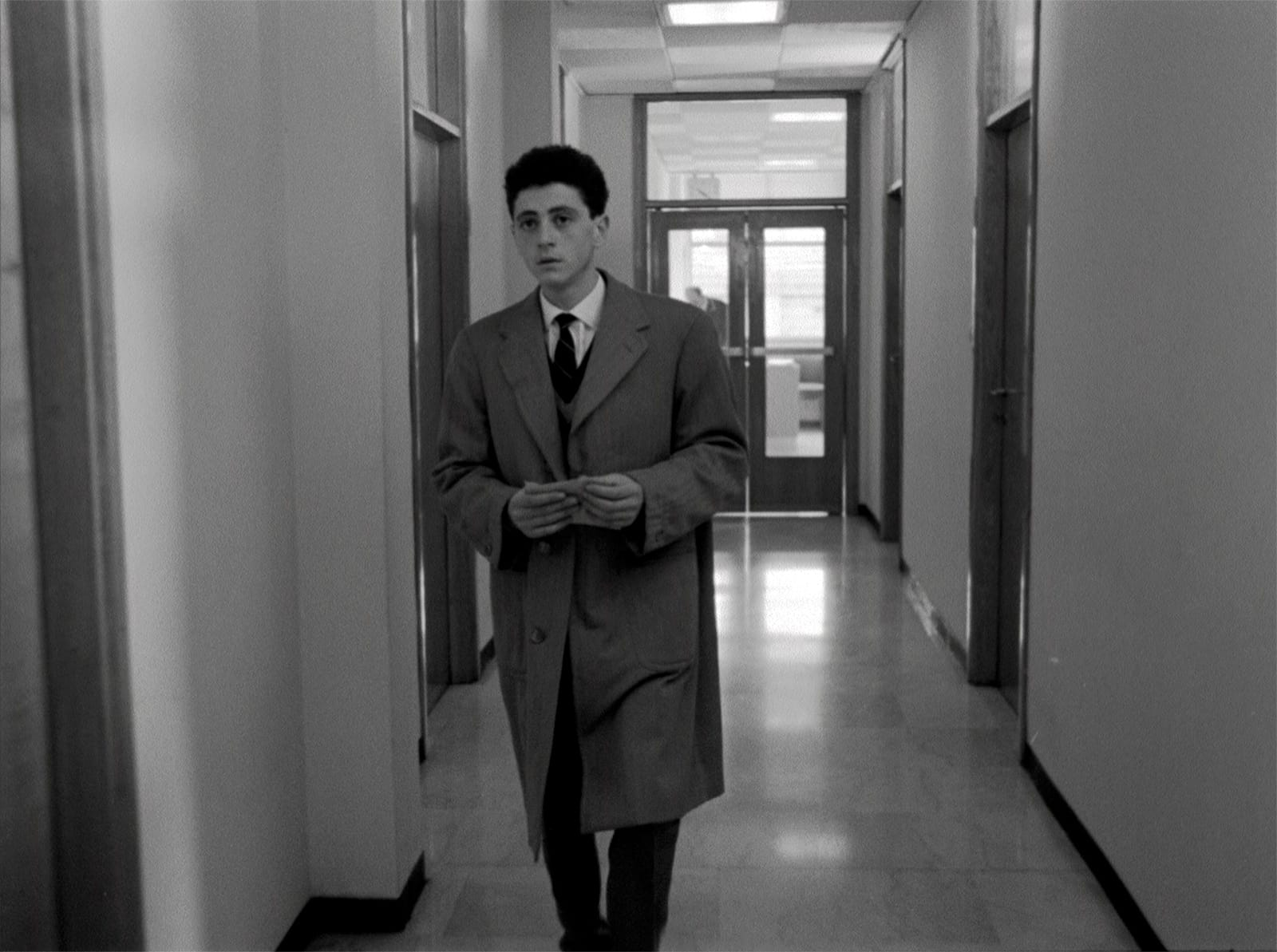
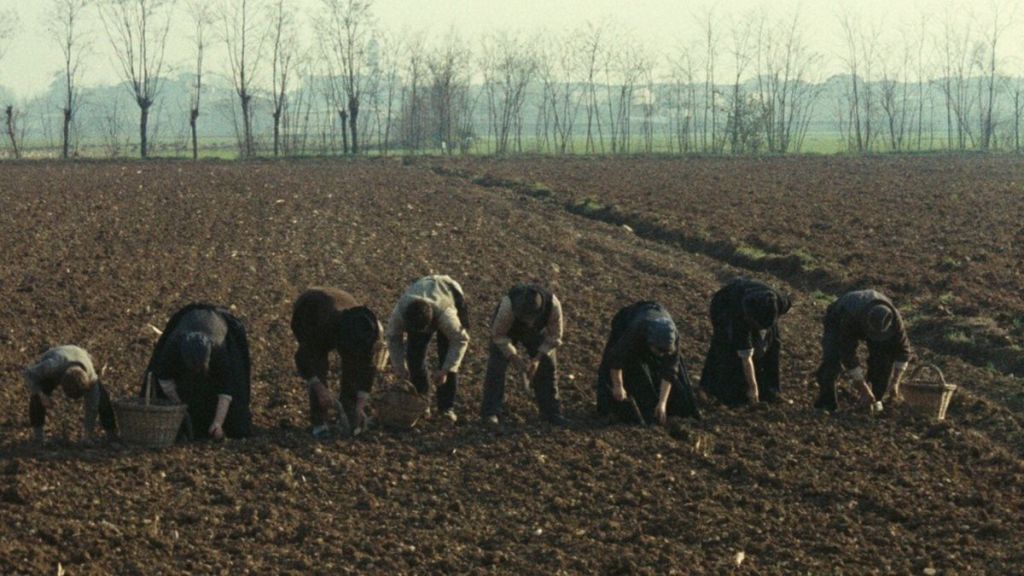
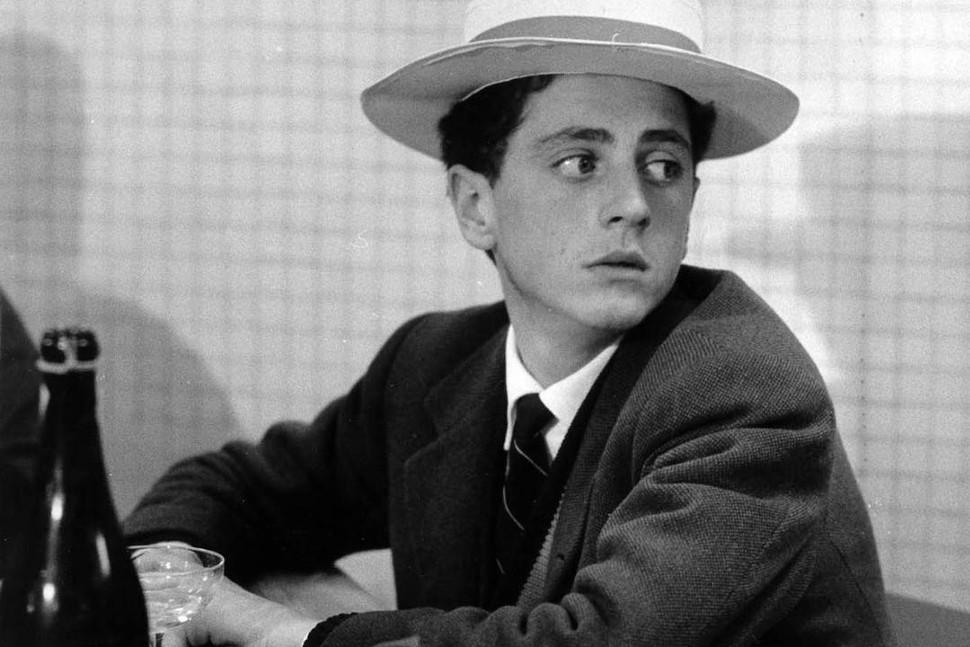
Il Posto — about a young man from the provinces navigating his first job in a Milan office — is one of the great films about work, bureaucracy and the quiet suffocation of modest ambition. It’s gentle and devastating in equal measure. The Tree of Wooden Clogs goes further back, to nineteenth century Lombardy, and unfolds across four hours with the unhurried rhythm of the agricultural life it depicts. That it won the Palme d’Or feels both entirely right and slightly surprising given how resolutely uncommercial it is.
His Catholicism runs through everything but never as doctrine — it’s more a quality of attention, a sense that each person onscreen deserves to be seen fully. That’s rarer than it sounds.
Ermanno Olmi (1931 – 2018)
- 1959 – Time Stood Still
- 1961 – Il Posto
- 1963 – I Fidanzati
- 1968 – One Fine Day
- 1971 – Durante l’estate
- 1973 – La Circostanza [TV]
- 1978 – The Tree of Wooden Clogs
- 1983 – Walking, Walking
- 1984 – Milano ’83 [TV]
- 1987 – Long Live the Lady!
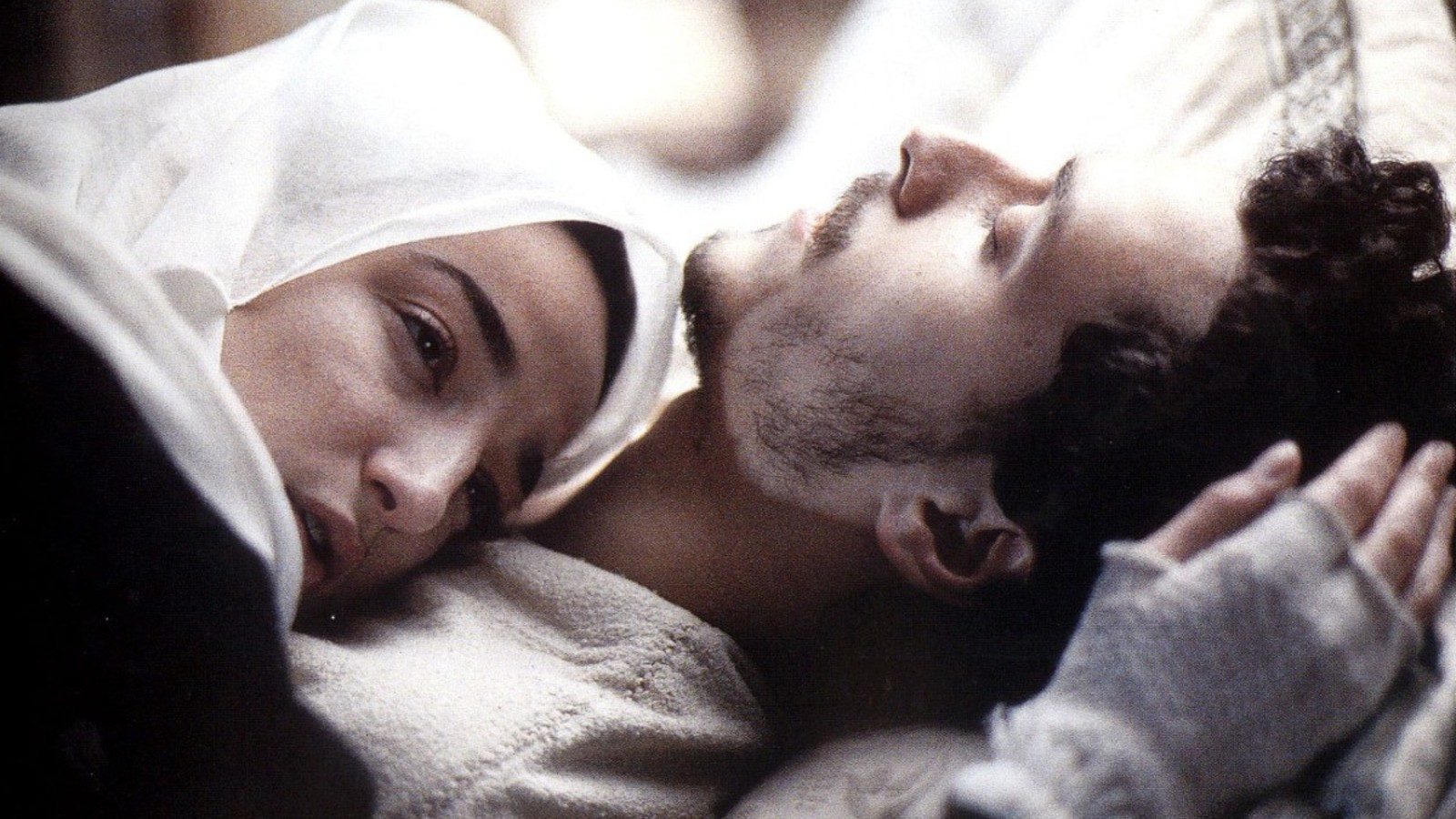
- 1988 – The Legend of the Holy Drinker
- 1993 – Il Segreto del bosco vecchio
- 1994 – Genesis: The Creation and the Flood
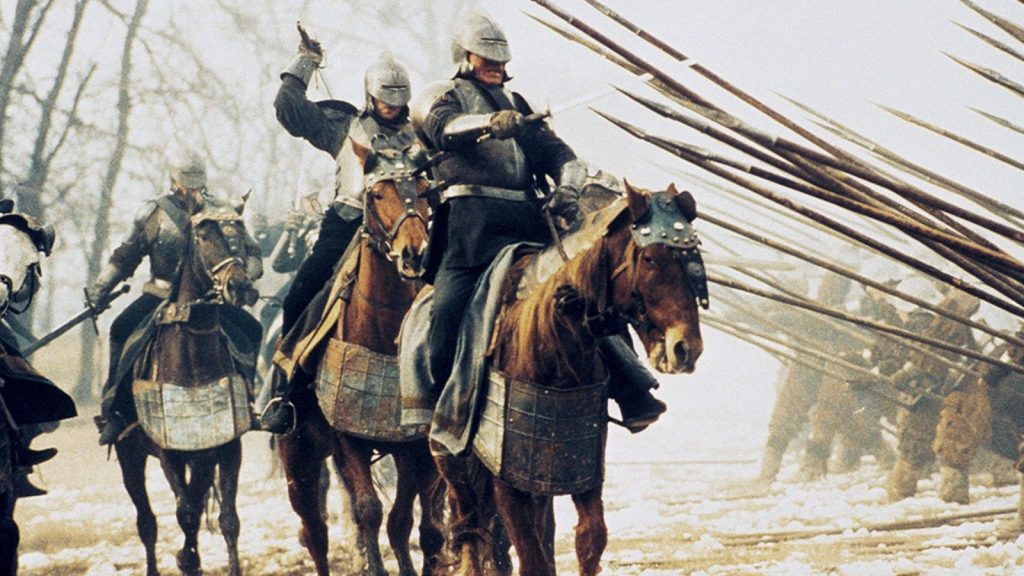
- 2001 – The Profession of Arms
- 2003 – Singing Behind Screens
- 2005 – Tickets
- 2007 – One Hundred Nails
- 2011 – The Cardboard Village
- 2014 – Torneranno i prati
- Ordinary Lives: Olmi was known for spotlighting the everyday lives of normal people. His films often revolve around common people, their routines, and the subtle moments of beauty and tragedy woven through their daily experiences.
- Social Realism: Many of his works exhibit a strong inclination towards social realism. Olmi delves into the socio-economic conditions, depicting the struggles and aspirations of working-class characters, often with a critical yet compassionate lens.
- Spirituality: There is a recurring exploration of spiritual themes in Olmi’s works. He examines the intertwining of faith, morality, and the human condition, reflecting on the deeper, intangible aspects of existence.
- Nature: The natural environment plays a crucial role in Olmi’s films. Nature is not merely a backdrop but a character in itself, often mirroring or contrasting the emotional states and destinies of the human characters.
- Visual Style: Olmi’s visual approach is noted for its simplicity and eloquence. He employs a naturalistic style of cinematography, utilising natural light and minimalist composition to create an atmosphere that is both authentic and poetic.
- Narrative Technique: He adopts a contemplative narrative style, often avoiding dramatic plot twists or sensational events. Instead, Olmi’s stories unfold gradually, revealing the depth and complexity of characters and situations through subtle, nuanced storytelling.
- Non-professional Actors: Olmi frequently worked with non-professional actors to achieve a high degree of realism and authenticity in performances. This choice also reinforces the director’s commitment to representing the lives of ‘real’ people on screen.
- Humanistic Approach: At the heart of Olmi’s directorial signature is a deeply humanistic approach. His films resonate with empathy and understanding towards the characters, portraying their flaws, virtues, and dilemmas with equal importance.
- Visual Poetry: Despite their simplicity, Olmi’s films are visually poetic. Every frame is meticulously crafted to convey not just the visual but also the emotional and spiritual dimensions of the story. The use of light, shadow, and colour is subtle yet powerful in evoking mood and atmosphere.
- Subtle Storytelling: Olmi’s storytelling is marked by subtlety and restraint. He doesn’t resort to overt dramatisation or spectacle but relies on the quiet strength of his characters and the eloquence of visual language to engage the audience.
- Integration of Sound & Music: Sound and music are integrated seamlessly into his films to enhance the emotional depth and atmospheric quality of the narrative. Olmi uses soundscapes and musical scores that are understated yet deeply resonant, further immersing the viewer in the world of the film.
- Abbas Kiarostami
- Alice Rohrwacher
- Bahram Beyzai
- Bill Forsyth
- Carl Th. Dreyer
- Dardenne Brothers
- Ettore Scola
- Francesco Rosi
- Gianni Amelio
Read More About Ermanno Olmi
Coming soon as posts added


 Bronze Screen Dream