
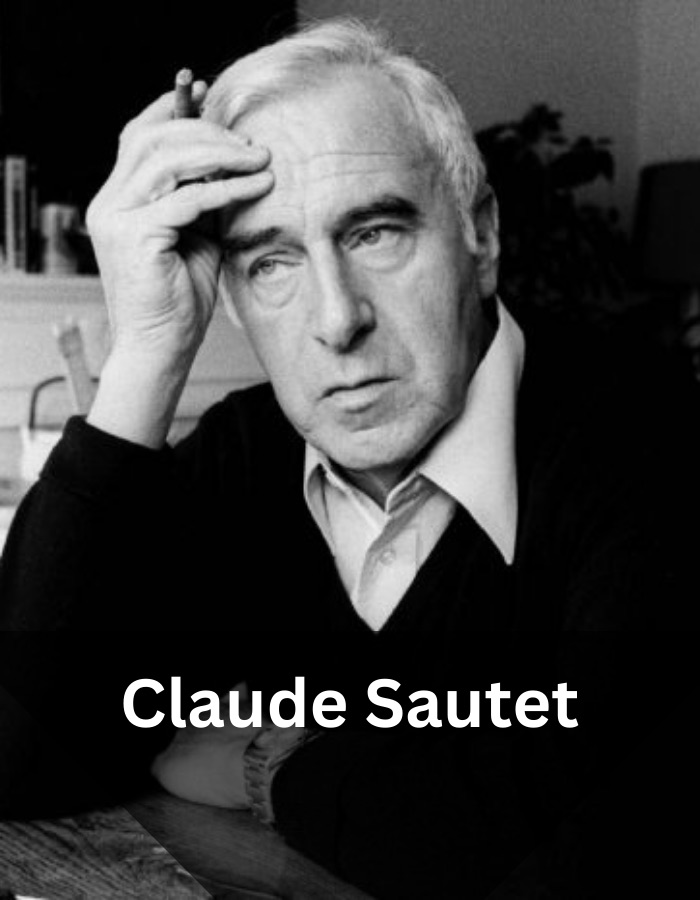
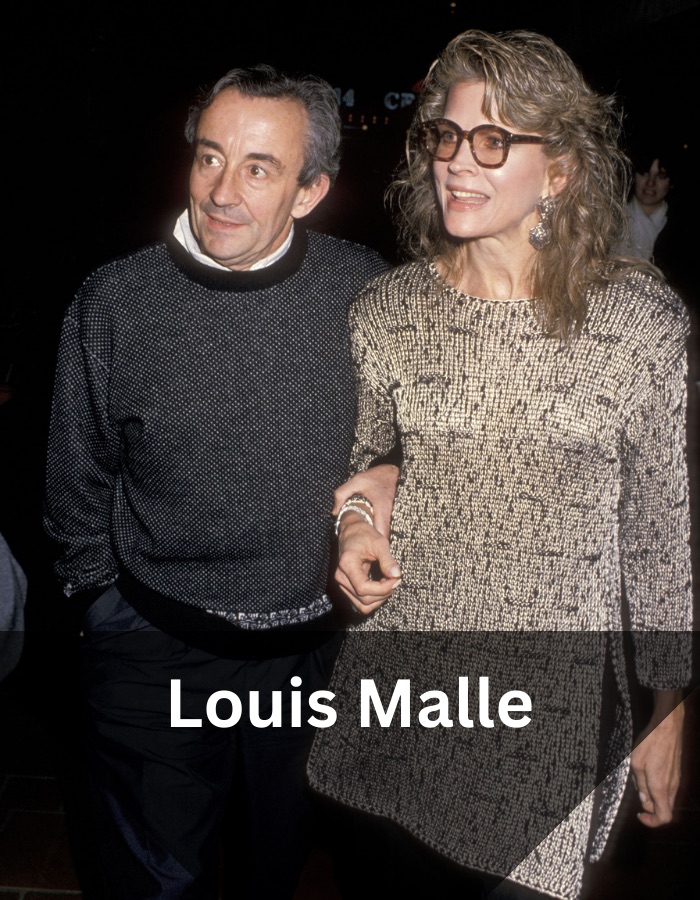
Below are some of the best French directors ever. Click on their pictures to discover more about them. This category covers the classic French genre filmmakers of the 1940s – 1970s.






A Brief History of French Genre Films
The French film industry, particularly from the 1940s to the 1970s, was rich in genre films that extended beyond the famous New Wave movement. This period saw a surge in various genres like crime, drama, comedy, and fantasy, all of which reflected the social and political landscapes of the time.
In the 1940s and 1950s, French cinema was heavily influenced by the aftermath of World War II, leading to a rise in crime and noir films. These films often dealt with themes of existential angst and moral ambiguity, mirroring the country’s grappling with its recent history. Directors like Henri-Georges Clouzot and Jacques Becker were prominent in this era. Clouzot’s “Quai des Orfèvres” and “Les Diaboliques” are exemplary, known for their suspenseful narratives and psychological depth. Becker’s “Touchez Pas au Grisbi” and “Le Trou” similarly offered a gritty look at the criminal underworld, emphasising character development and social realism.
The 1960s saw a diversification in genres, with an increase in popular comedies and adventurous fantasy films. This era’s comedies often contained satirical elements that subtly critiqued contemporary French society. Directors like Philippe de Broca and Pierre Étaix made significant contributions to this genre. De Broca’s “That Man from Rio” is a notable example, combining action, adventure, and humour. Étaix, both a director and a comedian, brought a unique blend of visual comedy and whimsy to films like “Yoyo”, which showcased his talent for physical comedy and narrative innovation.
During the same period, fantasy and surreal films also gained prominence, offering an escape from the conventional. Directors like Georges Franju and Jean Rollin explored these genres with a distinctive style. Franju’s “Eyes Without a Face” is a classic, blending horror and poetic realism. Rollin, known for his work in the latter part of the 1960s and into the 1970s, brought a unique, dreamlike quality to his films, often merging fantasy with Gothic elements, as seen in “The Rape of the Vampire”.
The 1970s marked a period of transition and experimentation in French genre cinema. Directors like Claude Chabrol, who started during the New Wave era, began exploring more conventional genres with a subversive twist. His psychological thrillers, such as “Le Boucher” and “Just Before Nightfall”, reflected a matured approach to storytelling, focusing on character psychology and societal undercurrents.
 Bronze Screen Dream