
Claude Lelouch is a French filmmaker best known for his deeply emotional and romantic storytelling, often exploring themes of love, fate, and the passage of time. He rose to international fame with A Man and a Woman (1966), a poignant romance that captivated audiences with its nonlinear structure and innovative use of flashbacks, earning him the Palme d’Or and two Academy Awards. Lelouch’s films are known for their sentimental yet sophisticated portrayals of human relationships, frequently blending personal moments with grand historical or societal events, creating a distinct mix of intimacy and spectacle.
Throughout his career, Lelouch has consistently returned to themes of love, chance encounters, and the intertwining of personal lives with broader historical currents. In La Belle Histoire (1992), he presents the idea of reincarnation and explores how love transcends different lives and eras. Similarly, in Les Uns et les Autres (1981), he weaves together multiple family stories against the backdrop of significant 20th-century events, using music and dance to create emotional resonance. His interest in fate and destiny is also evident in Itinerary of a Spoiled Child (1988), where a man’s search for purpose takes him through a journey of self-discovery that feels both personal and universal. These recurring motifs give Lelouch’s work a philosophical undertone, often questioning whether individuals control their destinies or are simply swept along by time.
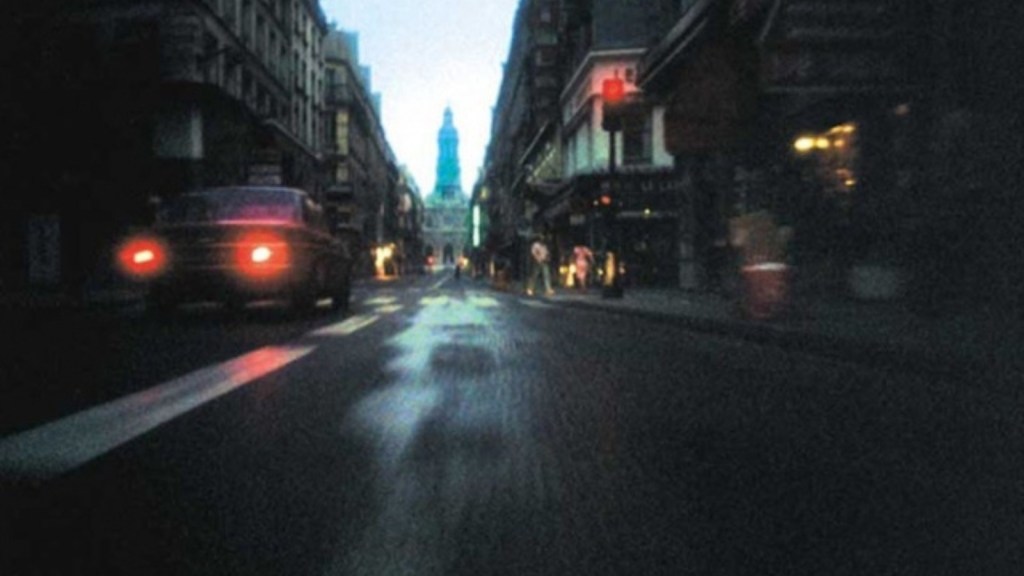
Visually, Lelouch is known for his fluid, dynamic camerawork, often using long, uninterrupted takes to heighten the emotional impact of a scene. His use of natural light and handheld camera techniques adds a documentary-like realism to his otherwise stylised films. This approach can be seen in Vivre pour Vivre (1967), where Lelouch’s camera roams freely, capturing spontaneous moments between characters, creating an almost voyeuristic experience. His ability to fuse improvisation with a meticulously structured narrative is a hallmark of his style, allowing for an organic emotionality that feels both authentic and cinematic.
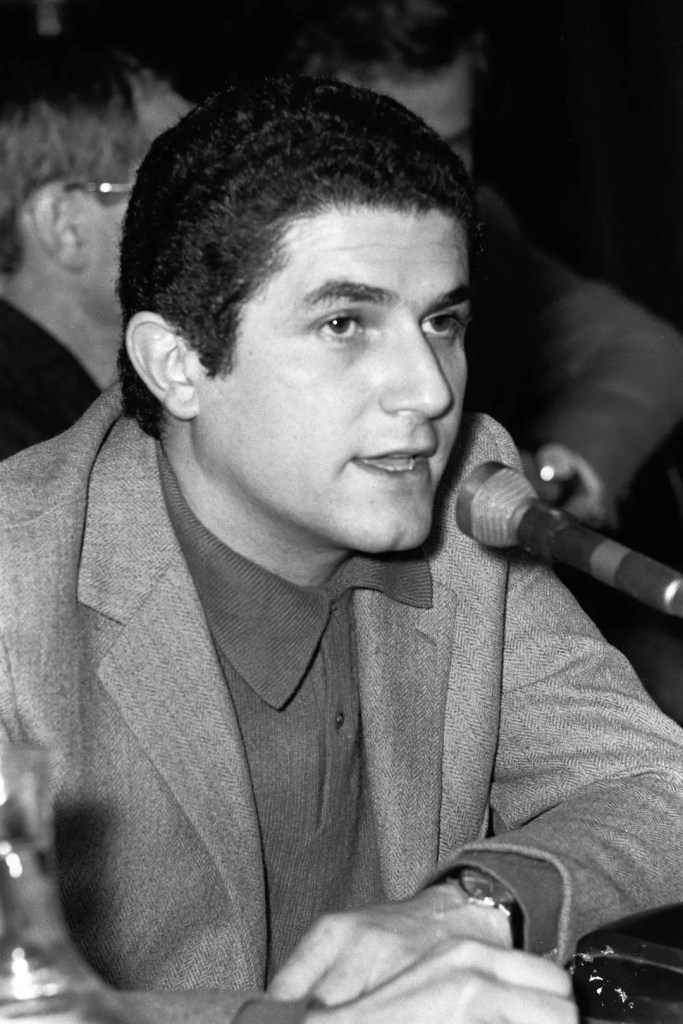
Claude Lelouch (1937 –)
Calculated Films:
- NA
Similar Filmmakers
- Agnes Varda
- Alain Cavalier
- Bertrand Blier
- Bertrand Tavernier
- Claude Sautet
- Eric Rohmer
- Michelangelo Antonioni
- Patrice Leconte
- Philippe de Broca
- Richard Linklater
- Woody Allen
- Yves Robert
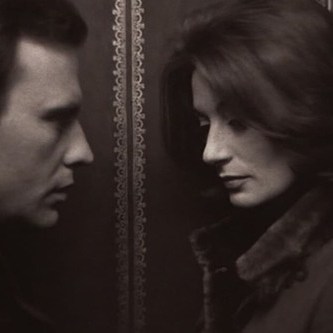
Claude Lelouch’s Top 5 Films Ranked
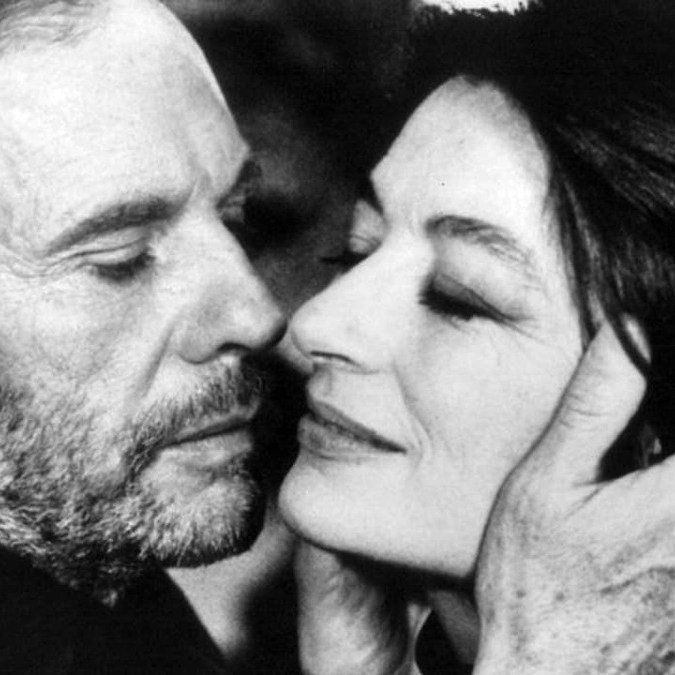
1. A Man and a Woman (1966)
Genre: Romance, Melodrama

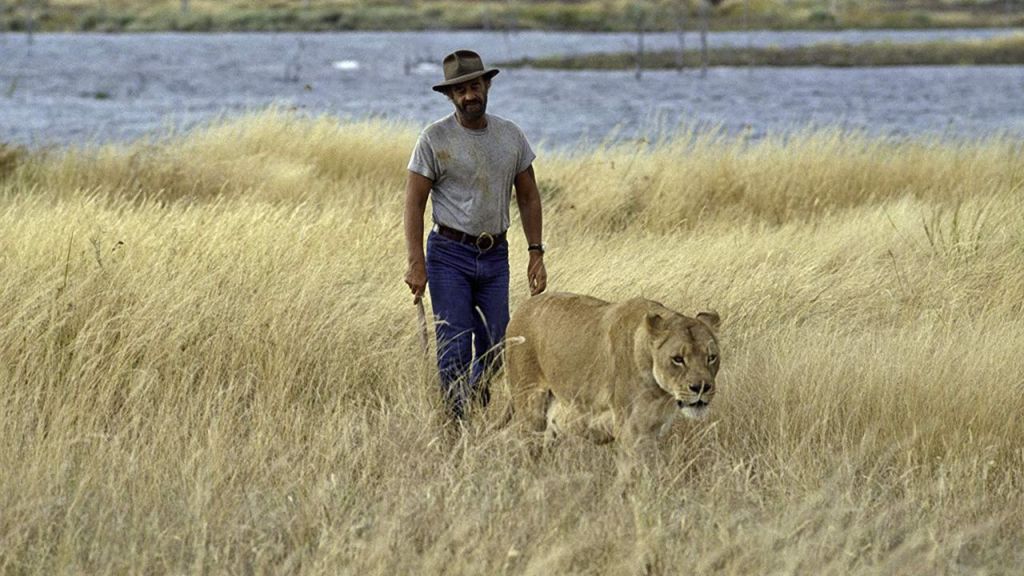
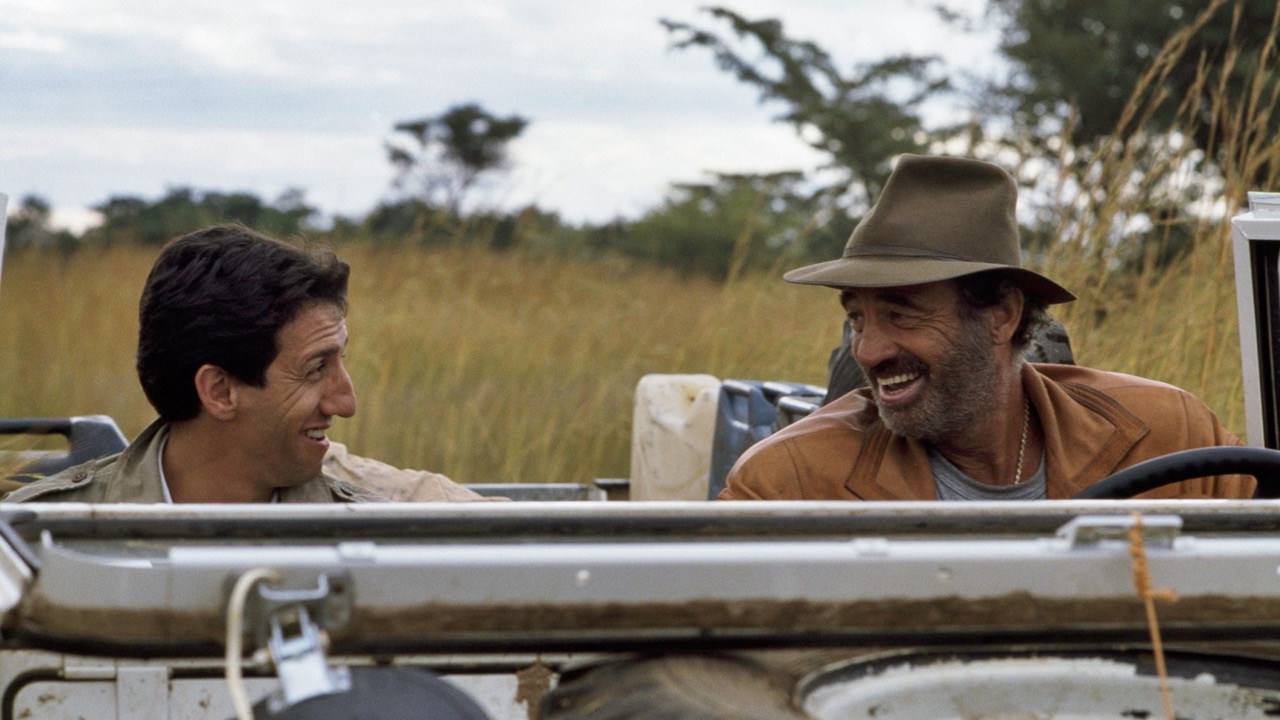
2. Itinerary of a Spoiled Child (1988)
Genre: Drama
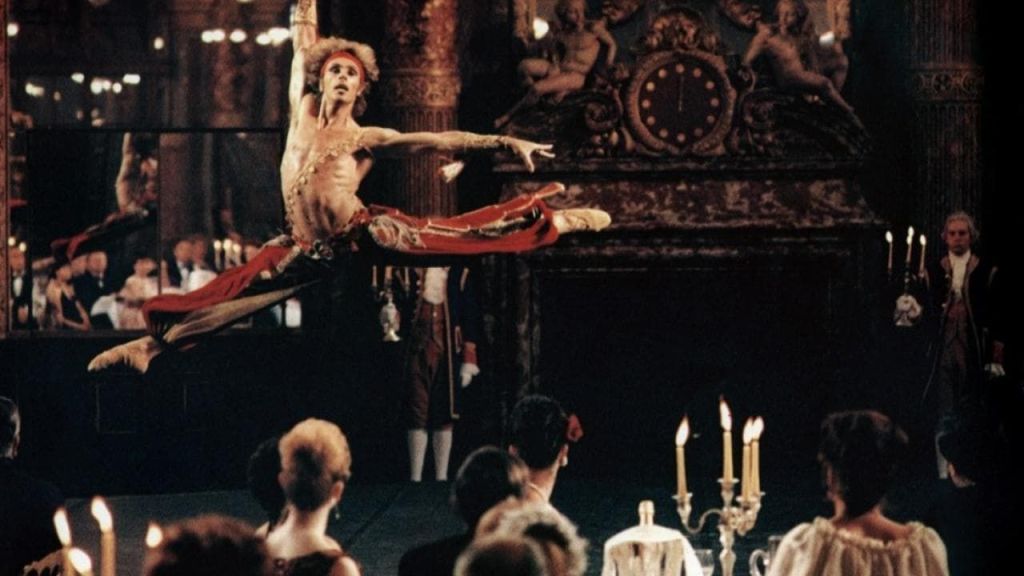
3. Bolero: Dance of Life (1981)
Genre: Drama, Hyperlink Cinema
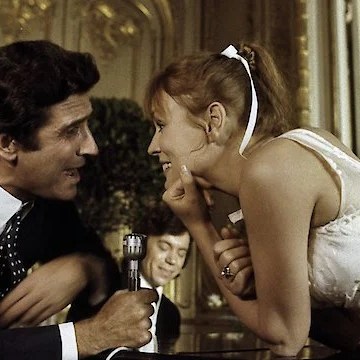
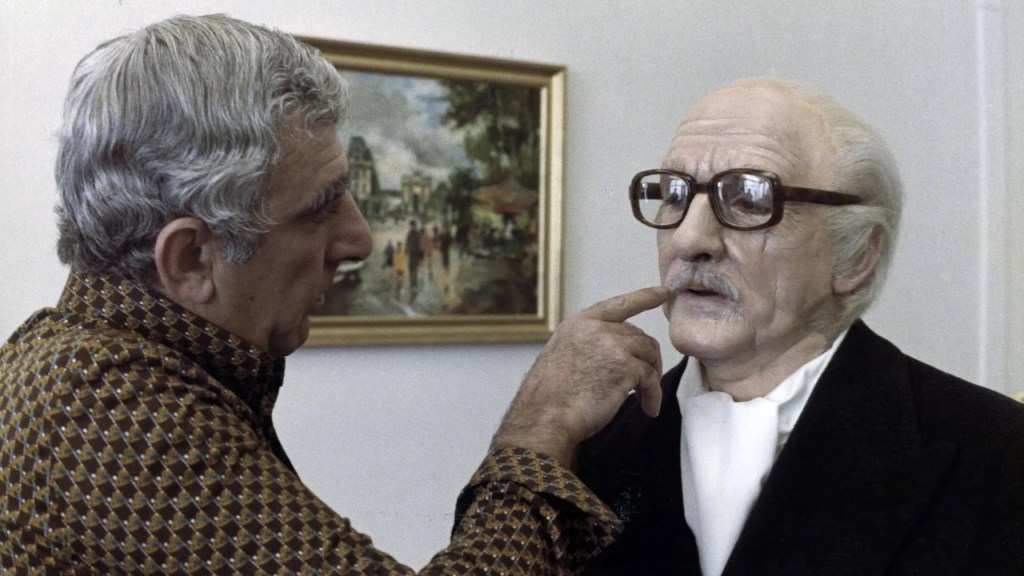
4. Happy New Year (1973)
Genre: Heist Film, Romance
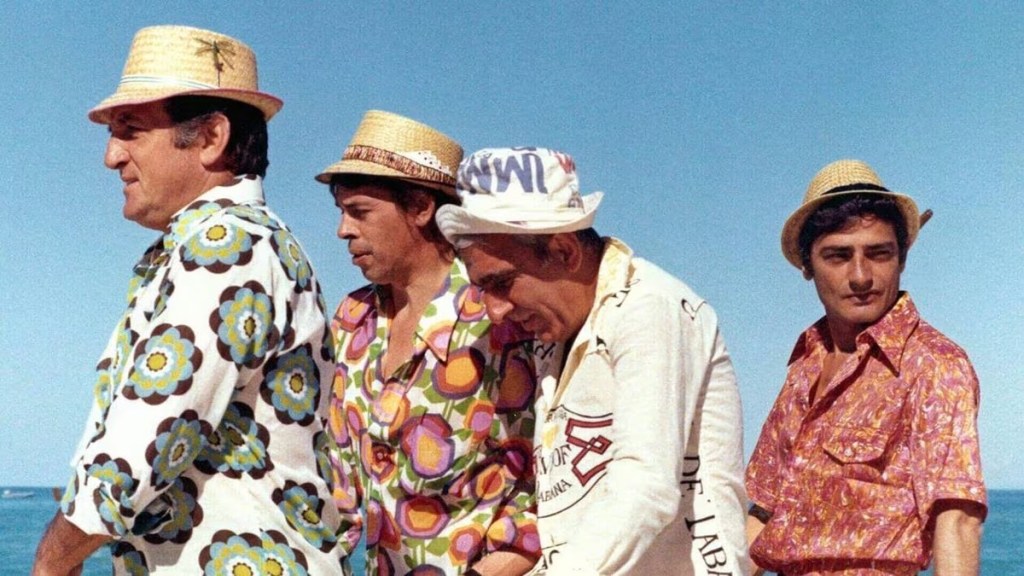
5. Money Money Money (1972)
Genre: Comedy, Satire
Claude Lelouch: Themes and Style
Themes:
- Love and Romance: Lelouch often explores the complexities of love and romantic relationships in his films, such as in A Man and a Woman and Love Is a Funny Thing. His characters navigate the joys, challenges, and heartbreaks of love, revealing the depth of human emotions and connections.
- Fate and Chance: Many of Lelouch’s films, like Les Misérables and La Belle Histoire, delve into the role of fate and chance in shaping the lives of his characters. He explores how seemingly random events can have profound impacts on individuals and their relationships.
- Social Commentary: Lelouch often uses his films to provide commentary on various social issues. For example, Les Uns et les Autres examines the impact of war on individuals and society, while La Bonne Année touches on themes of class and social inequality.
- Human Resilience: Lelouch’s characters often face significant challenges and adversity, but they demonstrate remarkable resilience and determination. Films like Un + Une and Roman de Gare showcase the strength of the human spirit in overcoming obstacles.
- Passage of Time: The passage of time and its effect on individuals and relationships is a recurring theme in Lelouch’s work. Films such as Ces amours-là and Il y a des jours… et des lunes explore how characters and their relationships evolve and change over the years.
Styles:
- Nonlinear Storytelling: Lelouch often employs nonlinear storytelling techniques, weaving together multiple storylines and timelines. This style is evident in films like Toute une vie and Les Uns et les Autres, where he masterfully connects seemingly disparate narratives.
- Visually Poetic: Lelouch’s films are known for their visually poetic style, with striking cinematography and carefully composed shots. He often uses imagery and symbolism to convey emotions and themes, as seen in A Man and a Woman and La Belle Histoire.
- Emotional Depth: Lelouch’s films are characterised by their emotional depth and intensity. He explores the inner lives of his characters, delving into their hopes, fears, and desires. This emotional richness is evident in films like Roman de Gare and Un + Une.
- Music and Montage: Music plays a significant role in Lelouch’s films, often serving as a narrative device and emotional anchor. He frequently uses montage sequences set to music to convey the passage of time, character development, and emotional shifts, as seen in A Man and a Woman and Les Uns et les Autres.
- Improvisation and Spontaneity: Lelouch encourages improvisation and spontaneity on set, allowing his actors to bring their own interpretations to the characters. This approach contributes to the natural, authentic feel of his films, as evident in La Bonne Année and Itinéraire d’un enfant gâté.
Directorial Signature:
- Recurrent Themes and Motifs: Throughout his career, Lelouch has consistently explored themes of love, fate, social issues, and the passage of time. These recurrent themes and motifs create a cohesive body of work that reflects his unique perspective and artistic vision.
- Collaboration with Composers: Lelouch has a history of close collaboration with renowned composers, such as Francis Lai and Michel Legrand. These collaborations result in memorable, emotionally resonant scores that become integral to the films’ identities, as exemplified in A Man and a Woman and Les Uns et les Autres.
- Exploration of Relationships: Lelouch’s films often focus on the dynamics of human relationships, particularly romantic ones. He explores the nuances, challenges, and evolution of these relationships over time, as seen in A Man and a Woman, Un + Une, and many of his other works.
- Blending Reality and Fiction: Lelouch often blurs the lines between reality and fiction in his films, incorporating elements of his own life experiences and those of his actors. This approach adds a layer of authenticity and personal connection to his stories, as evident in Itinéraire d’un enfant gâté and Roman de Gare.
- Improvised and Experimental: Lelouch is known for his improvisational and experimental approach to filmmaking. He often works without a strict script, allowing the story and characters to evolve organically during production. This spontaneity contributes to the unique energy and realism of his films.
Claude Lelouch – Great Director


 Bronze Screen Dream