
The 1900s decade witnessed the birth of some of the most influential filmmakers in the history of cinema. Directors like Akira Kurosawa, Ingmar Bergman, and Orson Welles not only defined the aesthetic and narrative aspects of their respective national cinemas but also contributed to the global cinematic language with their unique styles and philosophical inquiries. These auteurs were born in a time of great change, witnessing the aftermath of the First World War, the rise of modernism, and the precursors to the political upheavals that would define the 20th century. Their films often grappled with existential questions, moral ambiguities, and the human condition, reflecting the complexities of the era in which they lived.
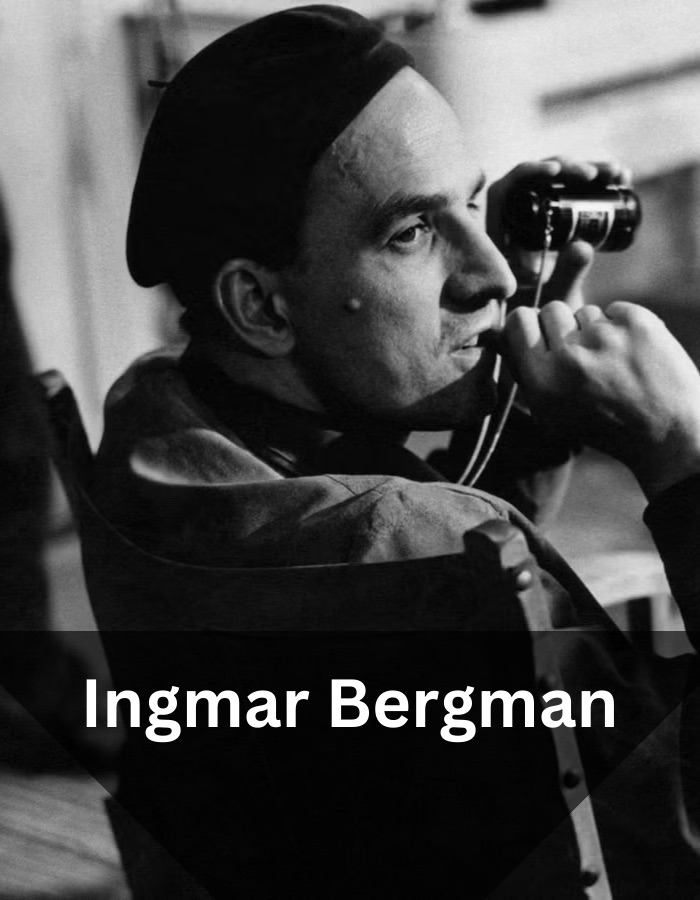
Akira Kurosawa of Japan and Ingmar Bergman of Sweden, for instance, were both deeply concerned with the ethical dimensions of human life. Kurosawa’s “Seven Samurai” and Bergman’s “The Seventh Seal” are timeless meditations on morality, mortality, and the human spirit, albeit set in vastly different cultures. Orson Welles, with his groundbreaking work “Citizen Kane,” introduced narrative and technical innovations that have influenced countless filmmakers. Like Kurosawa and Bergman, Welles was interested in the intricacies of the human psyche, power, and the facades people build around themselves.
Italian director Michelangelo Antonioni and French filmmaker Jean-Pierre Melville brought a sense of cool existentialism and modernist ambiguity to their work. Antonioni’s “L’Avventura” and Melville’s “Le Samouraï” explored alienation and identity in the modern world with a style that was both detached and aesthetically rich. On the other hand, directors like Nicholas Ray and Robert Wise in the United States pushed the boundaries of genre filmmaking, with Ray’s “Rebel Without a Cause” and Wise’s “West Side Story” reflecting social issues of the time through the lenses of a teen drama and a musical respectively.
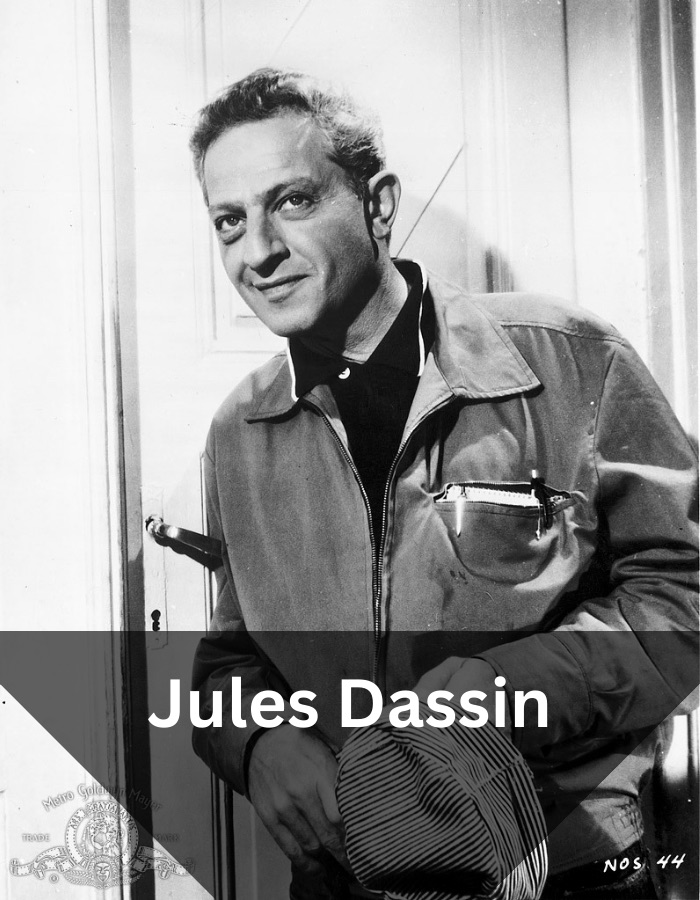
Japanese director Masaki Kobayashi and Italian filmmaker Mario Monicelli shared a penchant for critiquing societal norms and institutions. Kobayashi’s “The Human Condition” trilogy is an epic critique of militarism, while Monicelli’s comedies often contained sharp social commentary. Similarly, Jules Dassin and Robert Aldrich in Hollywood tackled genres like film noir and action to comment on societal ills, as seen in Dassin’s “Night and the City” and Aldrich’s “Kiss Me Deadly.”
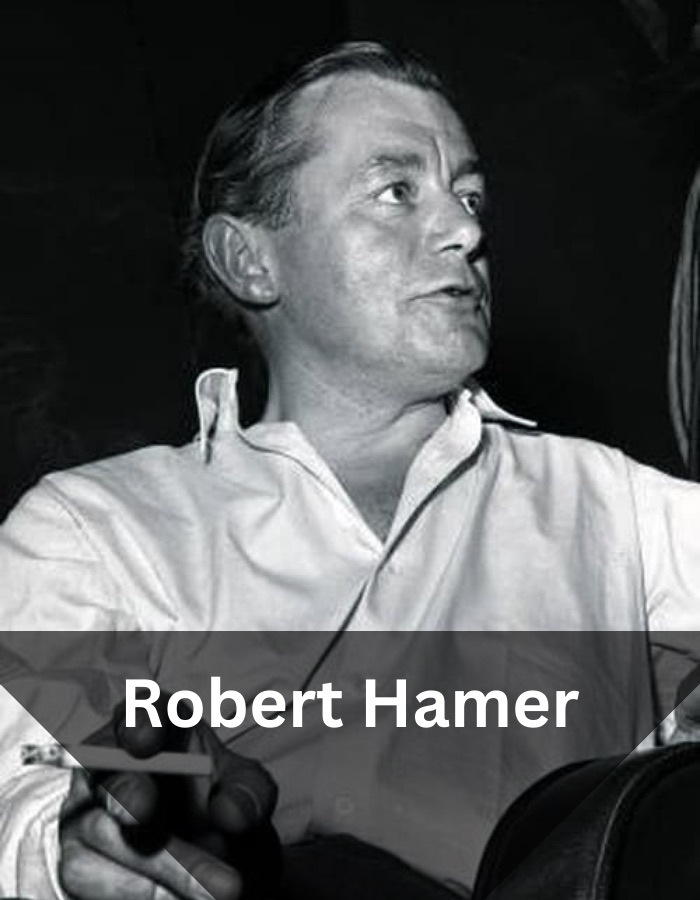
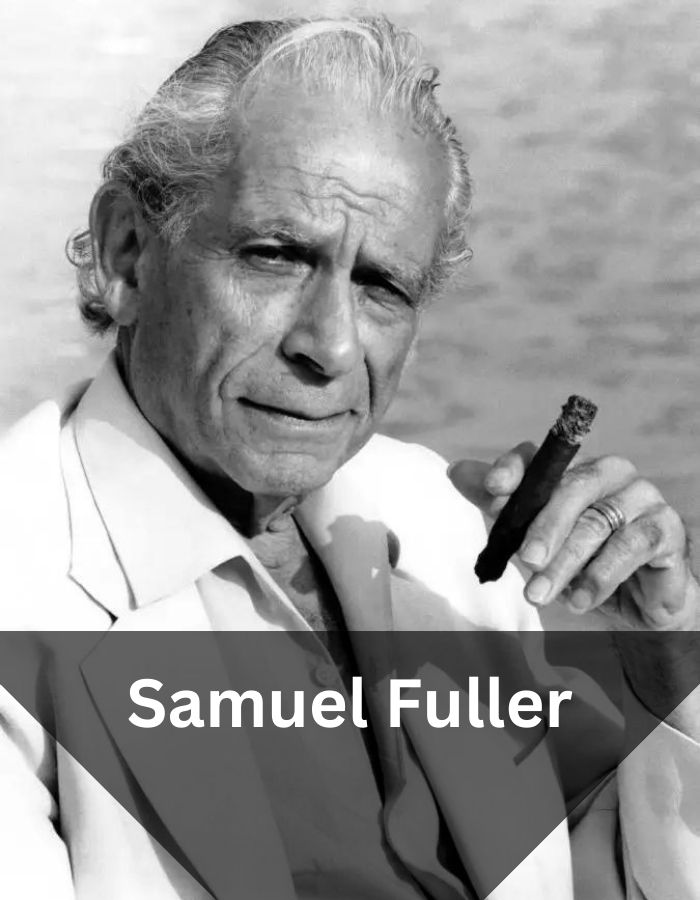
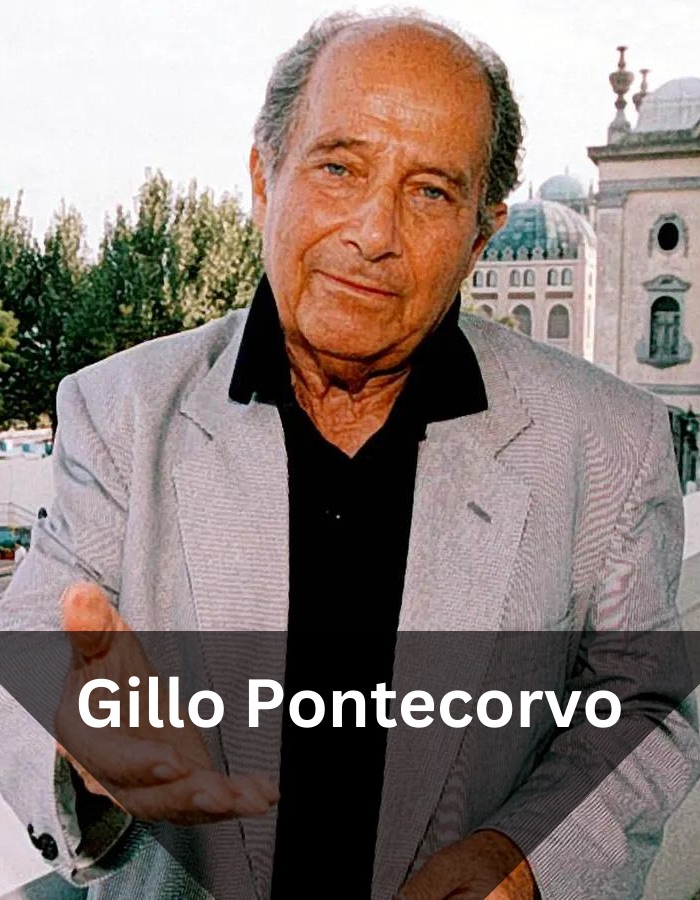
The group of directors born in the 1900s also includes notable figures such as Samuel Fuller, Don Siegel, Robert Hamer, Alexander Mackendrick, Gillo Pontecorvo, Kon Ichikawa, Kaneto Shindo, Stanley Kramer, John Sturges, Georges Franju, and others. They were filmmakers who varied in style and thematic preoccupations but were united by a post-war sensibility that sought to explore and sometimes critique the human experience. Fuller’s sharp-edged narratives, Siegel’s influential thrillers, Mackendrick’s satirical edge, Pontecorvo’s political dramas, Ichikawa’s versatile storytelling, Shindo’s haunting tales, Kramer’s social awareness, Sturges’s adventure films, and Franju’s poetic horror all contributed to a rich tapestry of mid-20th-century cinema.
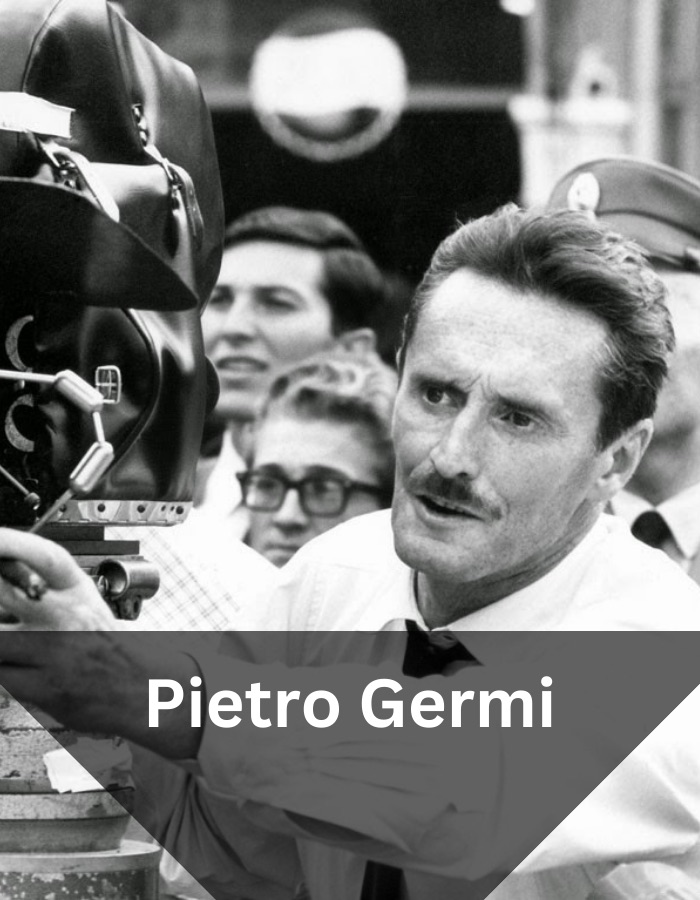
Click on the directors’ pictures to look at their profiles.




























 Bronze Screen Dream