Kon Ichikawa
Kon Ichikawa is one of those directors whose reputation suffers slightly from his own versatility. A filmmaker with a signature obsession is easier to canonise than one who moves fluently between satirical comedy, war film, historical melodrama and documentary with apparently equal conviction. Ichikawa did all of these things at the highest level and got somewhat less credit than he deserved precisely because no single label stuck.
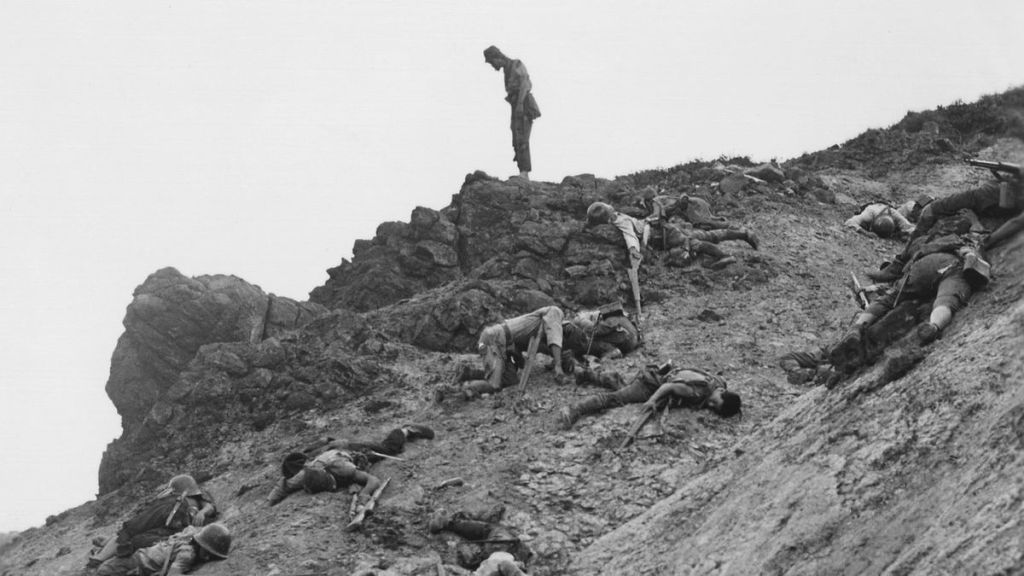
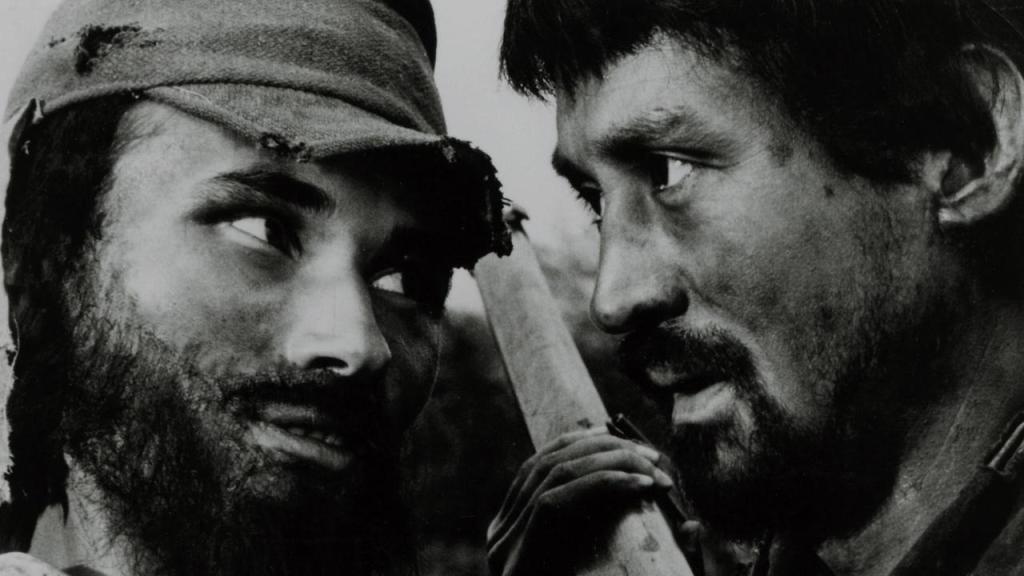
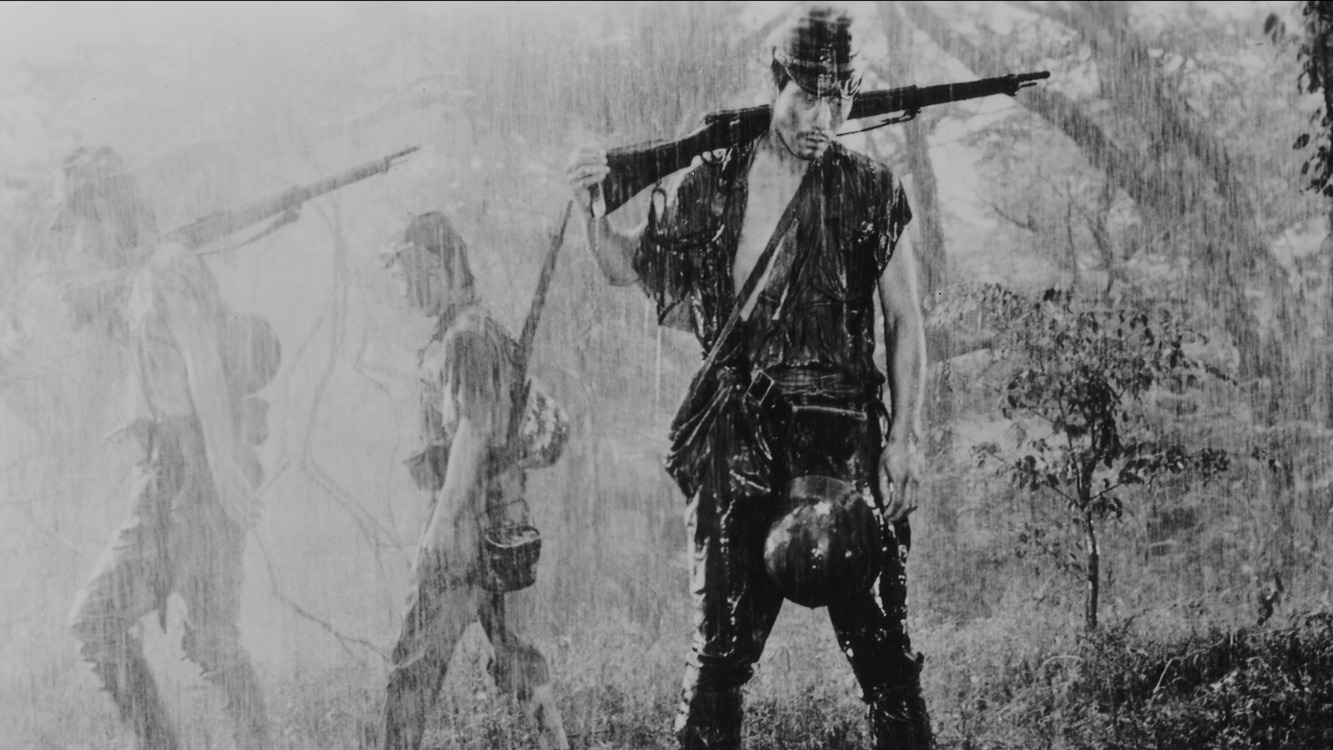
The war films are where the international reputation was built. The Burmese Harp and Fires on the Plain arrived within two years of each other in the late 1950s and between them constitute one of the most serious cinematic reckonings with the human cost of the Pacific War. They’re not the same film — The Burmese Harp is elegiac, almost spiritual, while Fires on the Plain is closer to horror, a vision of starvation and moral disintegration that remains genuinely difficult to watch. That the same director made both, and made them so differently, is already remarkable.
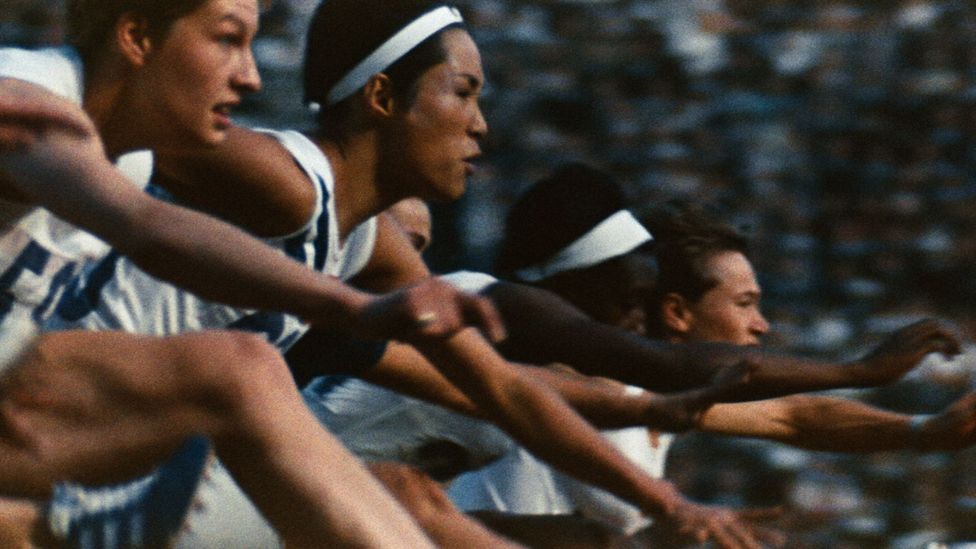
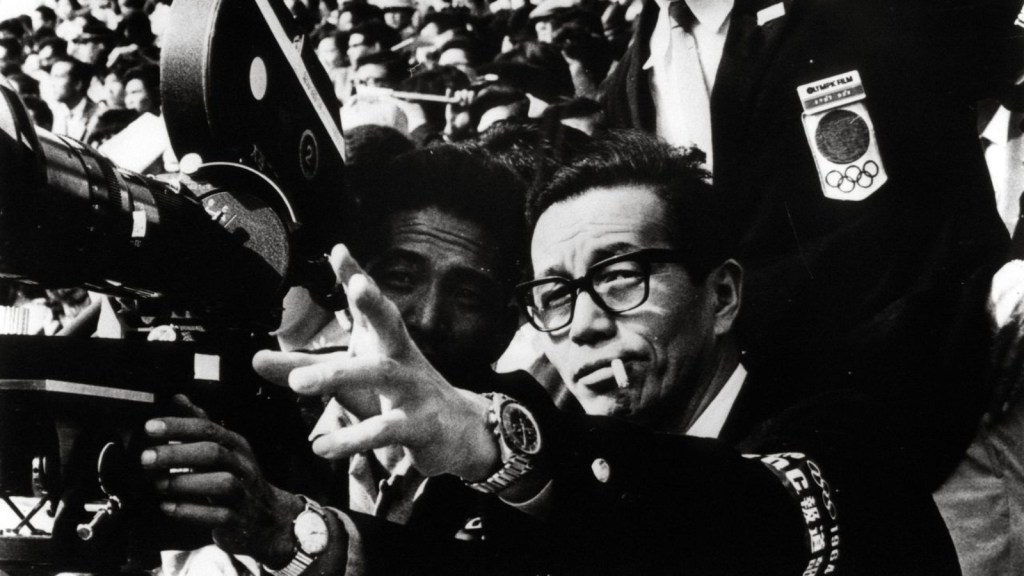
Tokyo Olympiad in 1964 is the other landmark and the one that demonstrated the full scope of his visual ambition. Commissioned as an official record of the Tokyo Olympics, it became something far stranger and more beautiful — less interested in who won than in the human body under extreme pressure, in the faces of competitors and spectators, in the textures and geometries of athletic effort. The Japanese Olympic Committee reportedly hated it. It’s one of the greatest documentaries ever made.
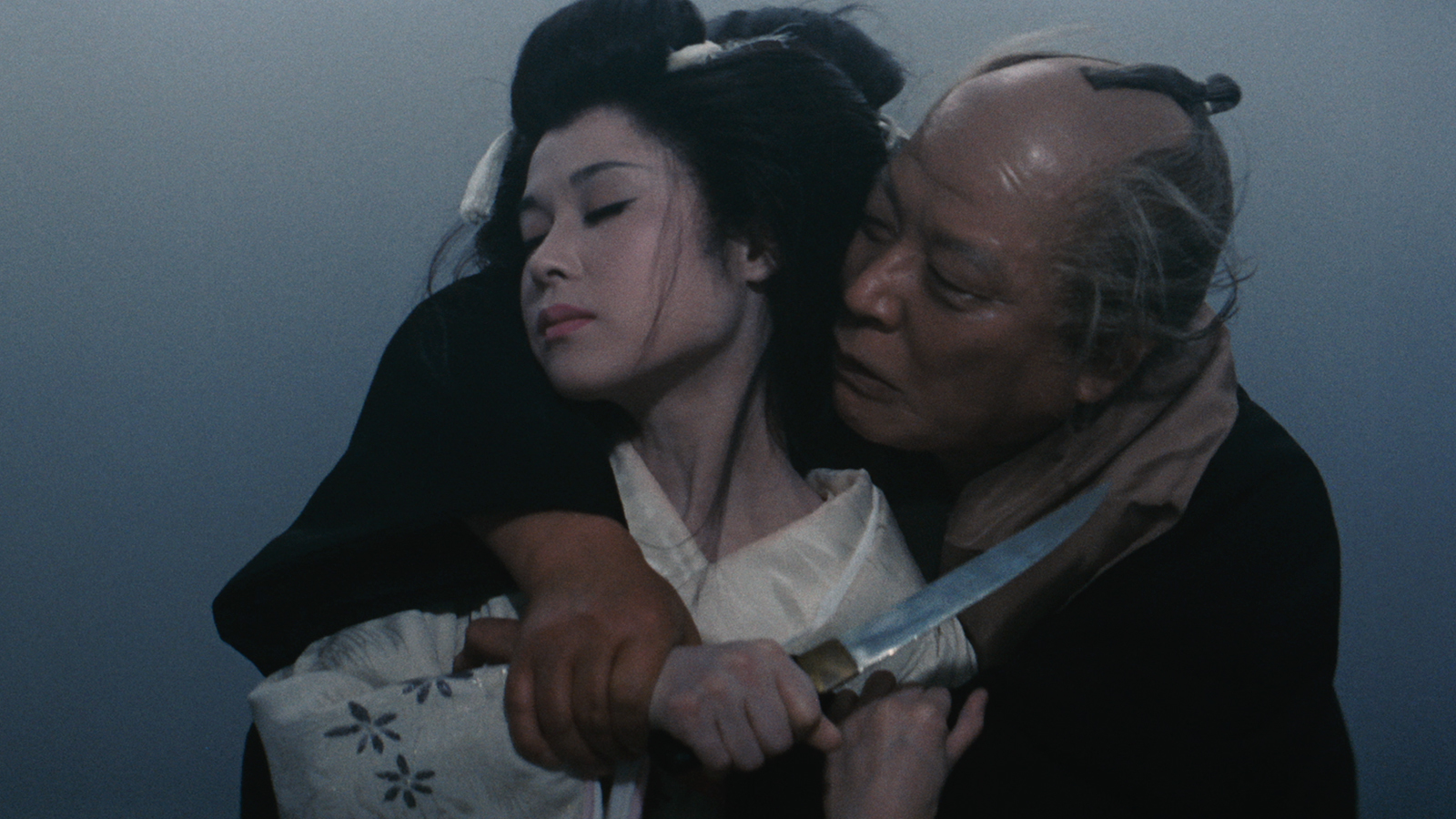
An Actor’s Revenge is almost defiantly different — a lurid, stylised kabuki revenge story shot in widescreen with a visual excess that seems to comment on its own theatricality. The range is almost provocative.
Kon Ichikawa (1915 – 2008)
- 1955 – Kokoro
- 1956 – The Burmese Harp
- 1958 – Conflagration
- 1959 – Fires on the Plain
- 1959 – Odd Obsession
- 1960 – Brother
- 1961 – Ten Dark Women
- 1963 – An Actor’s Revenge
- 1963 – Alone on the Pacific
- 1965 – Tokyo Olympiad
- 1973 – Visions of Eight
- 1973 – The Wanderers
- 1976 – The Inugami Family
- 1977 – The Devil’s Ballad
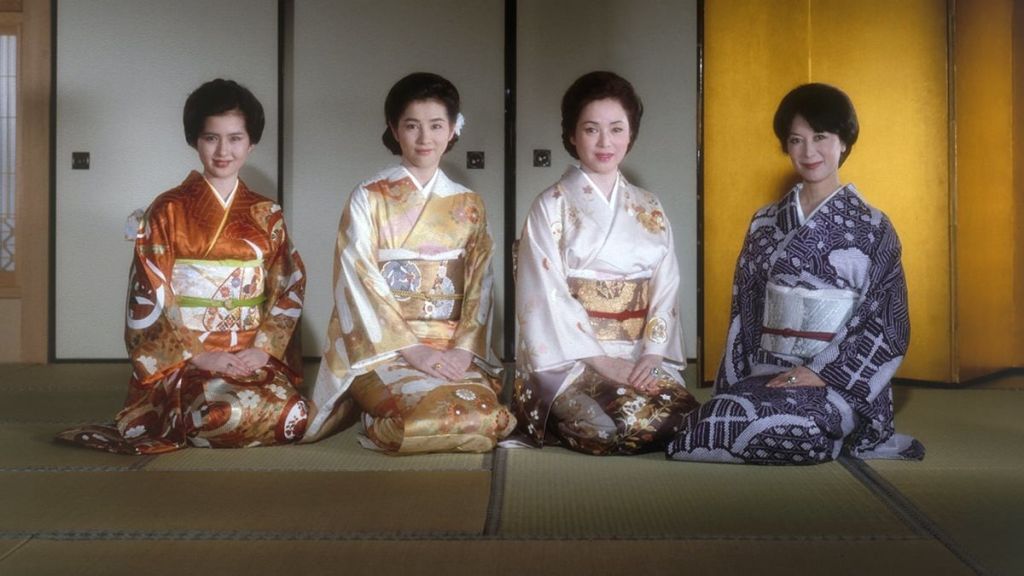
- 1983 – The Makioka Sisters
- 1984 – Ohan
- 2000 – Dora-heita
- The Cost of War on the Individual: Ichikawa’s war films aren’t interested in strategy or heroism — they’re forensic examinations of what combat and its aftermath do to individual human beings. The Burmese Harp follows a soldier who cannot leave the dead behind; Fires on the Plain documents the progressive moral disintegration of a man pushed past every limit. The institution of war is indicted through the particular rather than the general.
- Tradition versus Modernity: Running through much of his work is a sense of Japan in painful transition — the old codes of loyalty, duty and aesthetic refinement colliding with a rapidly modernising society that has little use for them. An Actor’s Revenge makes this tension its explicit subject; it runs as undercurrent through many others.
- The Outsider and Social Conformity: Ichikawa’s protagonists are frequently figures who don’t fit — the soldier who becomes a monk, the actor who lives as a woman offstage, the athlete who exists in a world of one. Japanese social conformity is consistently presented as a pressure that shapes and sometimes destroys individual identity.
- The Human Body Under Pressure: Tokyo Olympiad makes this explicit — the documentary eye trained on bodies at their absolute limit — but the theme runs through the war films too, where physical endurance and its failure are moral as well as narrative subjects.
- Dark Comedy and Social Satire: The grimmer reputation obscures the fact that Ichikawa was a genuinely funny filmmaker whose satires of Japanese bourgeois life are as sharp as his war films are devastating. The Key and Odd Obsession operate in a register of darkly comic perversity that has almost nothing in common with Fires on the Plain beyond the same director’s sensibility.
- Widescreen Composition as Expression: Ichikawa was among the first Japanese directors to fully exploit the expressive possibilities of the widescreen format — using it to isolate figures in vast landscapes in the war films, to create theatrical tableaux in An Actor’s Revenge, to capture the geometry of athletic movement in Tokyo Olympiad. The format is never just a container but an active element.
- Visual Contrast and Tonal Extremity: His films move between bleached-out, almost overexposed images of suffering and richly saturated colour, between documentary restraint and kabuki stylisation. The tonal range within individual films can be as extreme as the range across his career.
- The Documentary Eye in Fiction: Even in his most stylised fiction films, Ichikawa brings a documentarian’s attention to observed detail — faces, textures, the physical reality of bodies in space. Tokyo Olympiad is the purest expression of this but it inflects the war films too.
- Psychological Close-Up: Like Bergman, Ichikawa was drawn to the face as the primary site of drama — using extended close-ups to hold characters in moments of extremity, making the viewer inhabit their experience rather than observe it.
- Genre as Vehicle: Ichikawa used genre conventions the way a writer uses familiar forms — as structures within which to do something unexpected. The war film, the revenge drama, the sports documentary are all recognisable enough to orient the audience and then subverted from within.
- Moral Seriousness Across Comic and Tragic Registers: The most distinctive thing about Ichikawa is that the same ethical intelligence operates in his darkest films and his funniest ones. The satirical comedies are genuinely playful and the war films are genuinely devastating, but the underlying moral attention is identical.
- The Unheroic Protagonist: His central figures rarely win, rarely triumph, frequently disintegrate. The soldier in Fires on the Plain survives through an act he cannot name; the hero of The Burmese Harp chooses to remain among the dead rather than return to life. These are not stories of overcoming.
- Collaboration with Natto Wada: His wife and frequent screenwriter Natto Wada shaped the literary and thematic ambitions of his best work — The Burmese Harp, Fires on the Plain, An Actor’s Revenge all carry her sensibility alongside his. It’s one of the great director-writer partnerships in Japanese cinema.
- The Olympic Film Reinvented: Tokyo Olympiad didn’t just document the 1964 Games — it redefined what a sports documentary could be, influencing every major sporting event film that followed. The decision to treat the athletes as human subjects rather than competitive performers was radical and remains influential.
- Versatility as Artistic Statement: In a critical culture that rewards identifiable signatures, Ichikawa’s refusal to be pinned down reads as a statement in itself — a conviction that the subject should determine the form, that no single style can be adequate to the full range of human experience worth depicting.
- Masahiro Shinoda
- Minoru Shibuya
- Nagisa Oshima
- Shohei Imamura
- Susumu Hani
- Tai Kato
- Teinosuke Kinugasa
- Yasuzo Masumura
- Yuzo Kawashima
Read More About Kon Ichikawa
Coming soon as posts added