Ingmar Bergman

Ingmar Bergman grew up in the house of a Lutheran minister, and he never really left it. The guilt, the silence, the demanding God who may or may not be there — these aren’t just themes in his work, they’re the atmosphere it breathes. Sixty-odd films across six decades, and the same questions keep returning: what do we owe each other, what happens when faith fails, can two people ever really know one another at all.
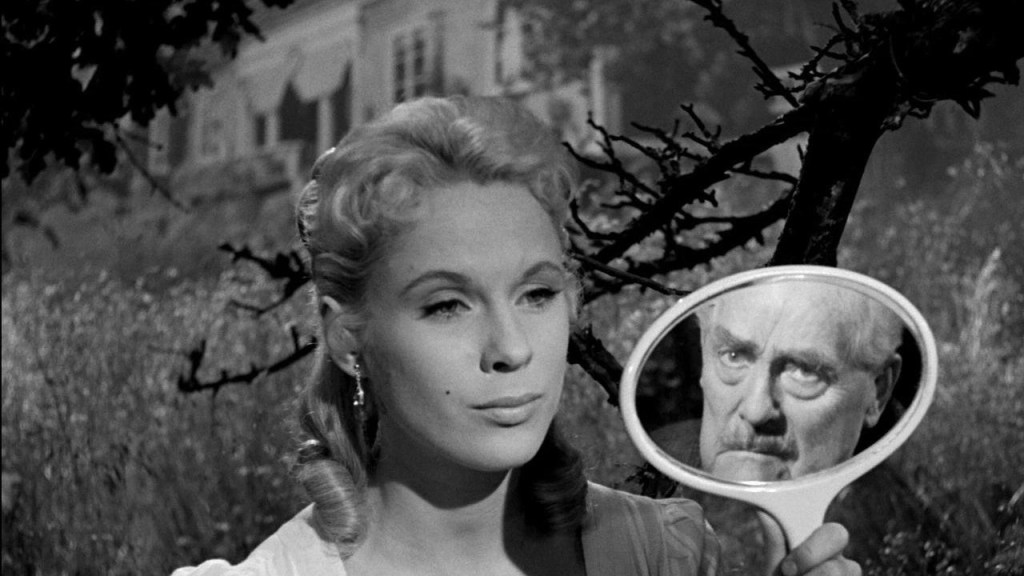
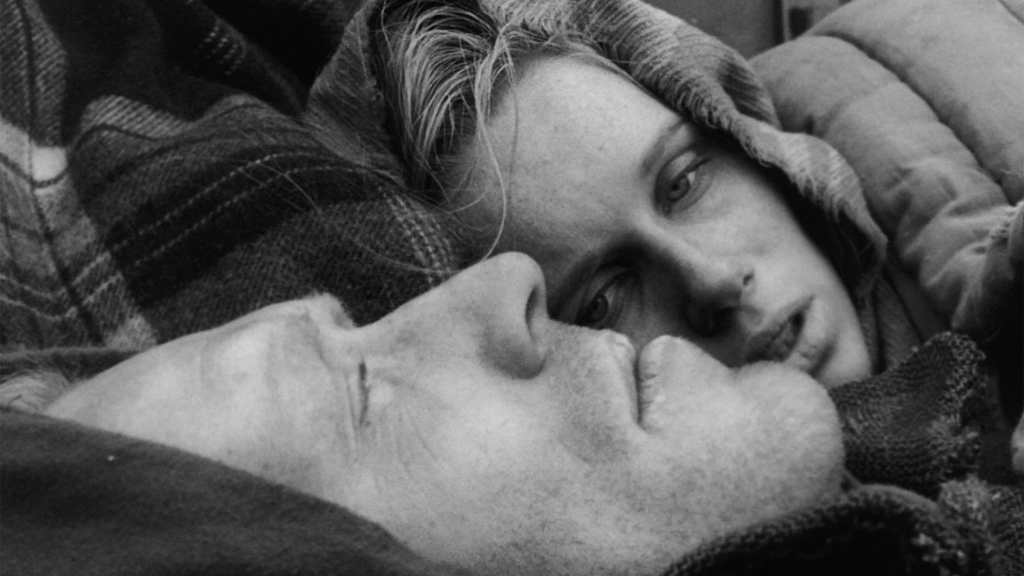
He came to film through theatre, which shows in the best possible way. His films are intensely actor-centred, built around faces — Bergman and his long-time cinematographer Sven Nykvist between them essentially invented a grammar of the close-up as psychological instrument. The face in extreme close-up, held longer than comfort allows, becomes something strange and revelatory. Persona takes this as far as it goes, two faces literally merging, the film itself appearing to break.
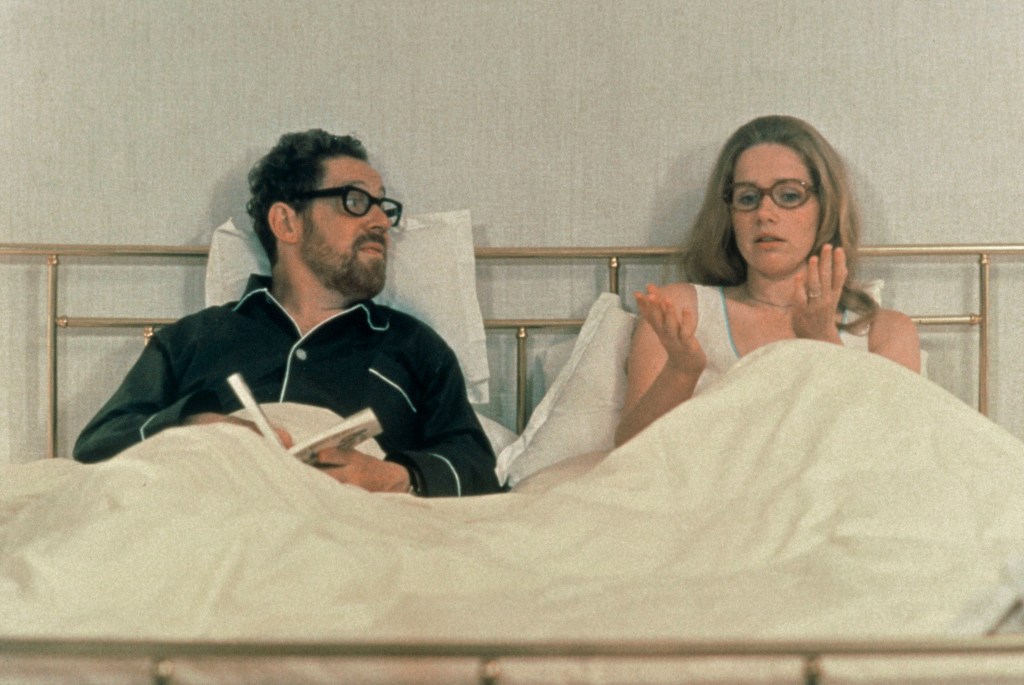
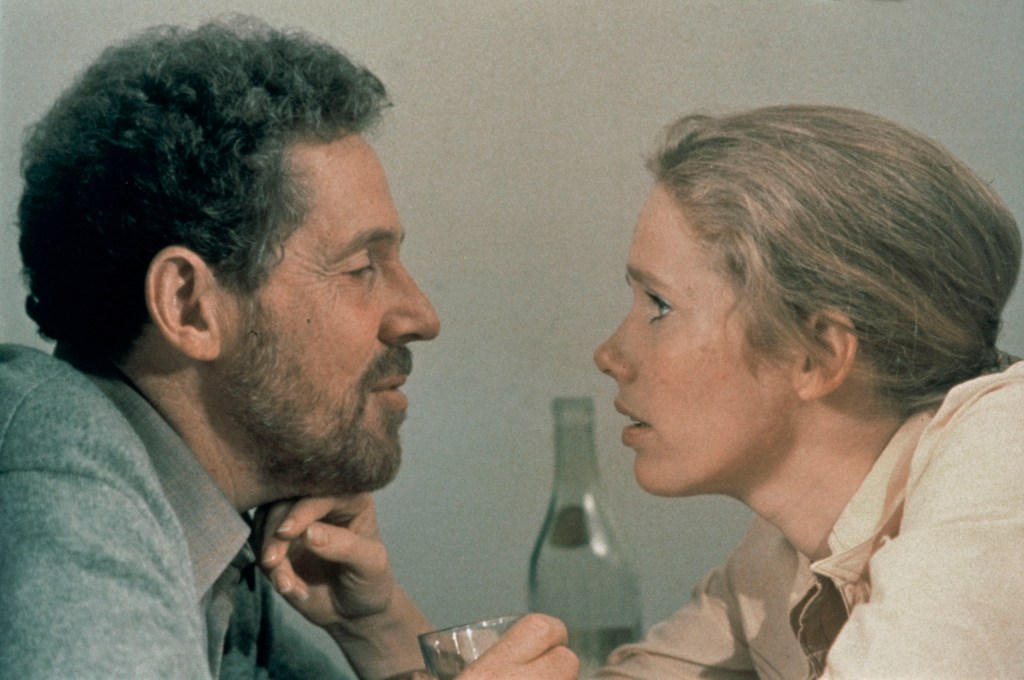
The early work is more conventionally dramatic — Smiles of a Summer Night, The Seventh Seal, Wild Strawberries all came within a few years of each other in the late 1950s, an extraordinary run. The middle period gets darker and more formally rigorous: the chamber films, Through a Glass Darkly, Winter Light, The Silence, are stripped of almost everything except the essential confrontation. Then Persona, which is in a category of its own. Then Cries and Whispers, Scenes from a Marriage, and eventually the relative warmth of Fanny and Alexander as a kind of farewell.
He said Fanny and Alexander would be his last film and largely kept to that, retreating to Fårö island. The discipline of knowing when to stop is its own kind of statement.

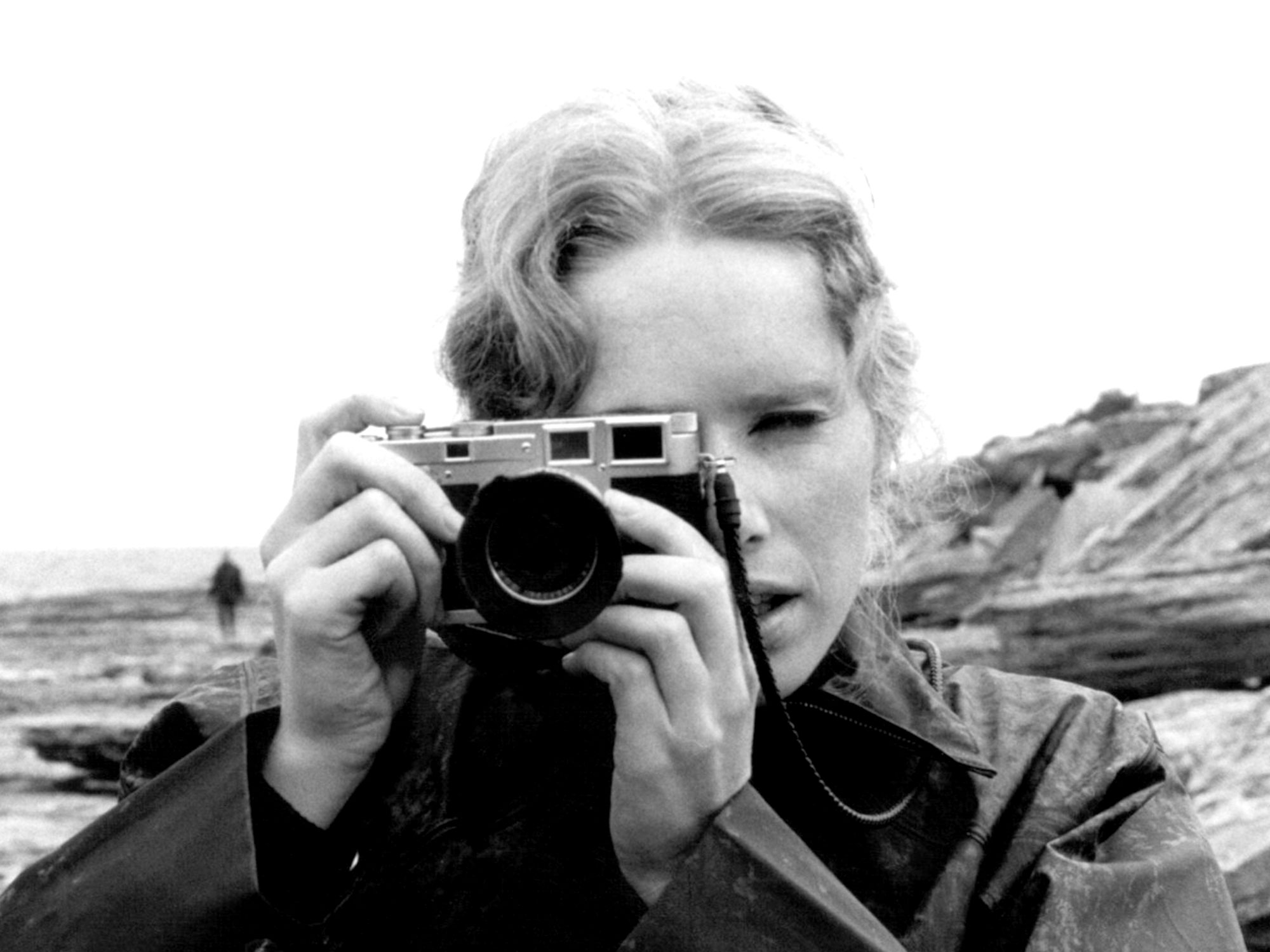
Ingmar Bergman (1918 – 2007)
- 946 – Crisis
- 1946 – It Rains on Our Love
- 1949 – Prison
- 1949 – Thirst
- 1950 – To Joy
- 1951 – Summer Interlude
- 1952 – Waiting Women
- 1953 – Sawdust and Tinsel
- 1953 – Summer with Monika
- 1954 – A Lesson in Love
- 1955 – Dreams
- 1955 – Smiles of a Summer Night
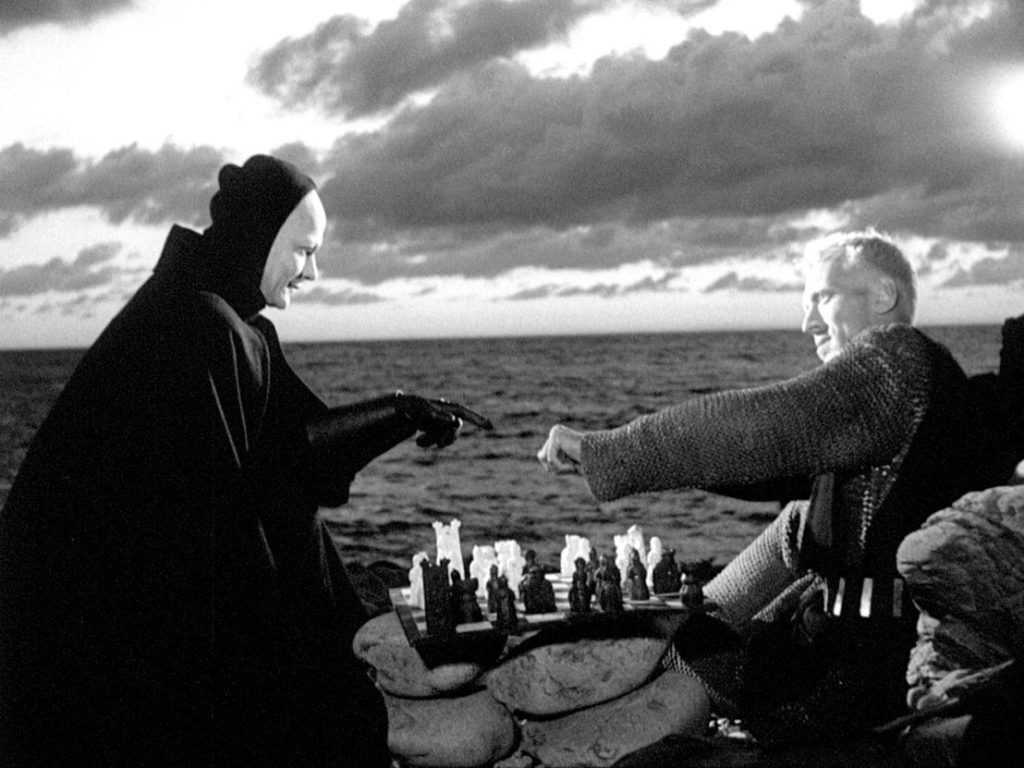
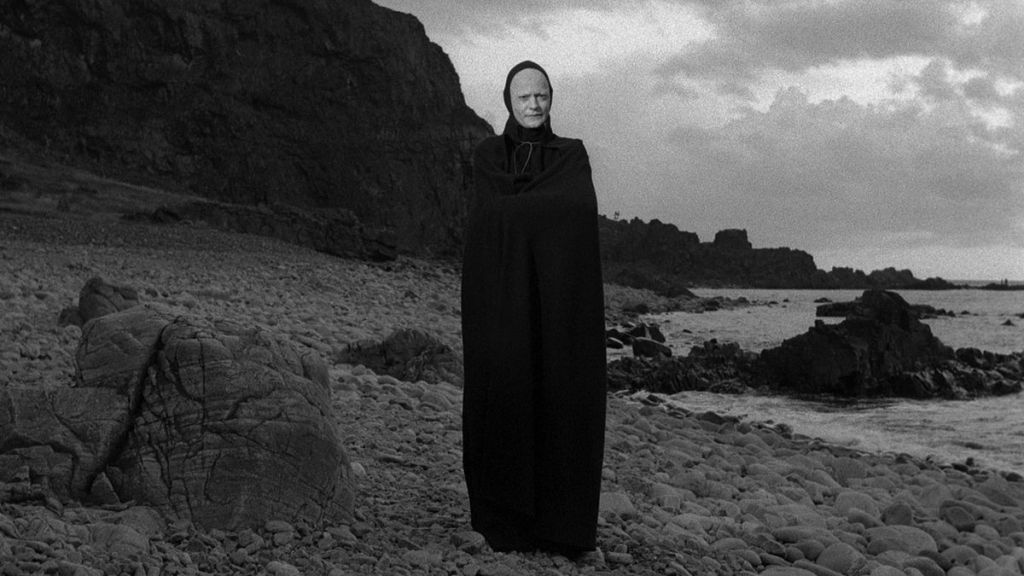
- 1957 – The Seventh Seal
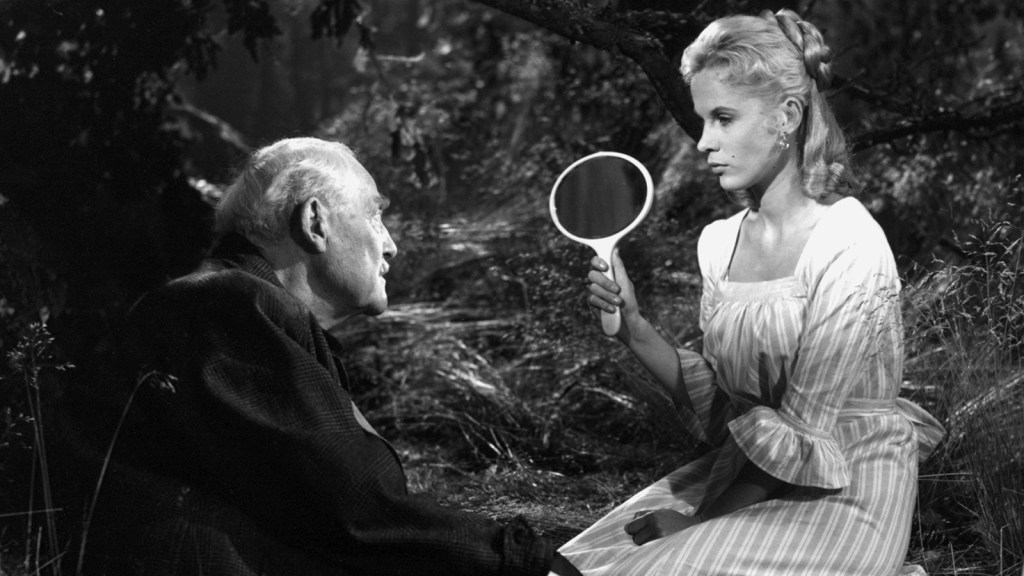
- 1957 – Wild Strawberries
- 1958 – Brink of Life
- 1958 – The Magician
- 1960 – The Devil’s Eye
- 1960 – The Virgin Spring
- 1961 – Through a Glass Darkly
- 1963 – The Silence
- 1963 – Winter Light
- 1964 – All These Women
- 1966 – Persona
- 1968 – Hour of the Wolf
- 1968 – Shame
- 1969 – The Passion of Anna
- 1969 – The Rite [TV]
- 1970 – Faro Document [TV]
- 1971 – The Touch
- 1972 – Cries and Whispers
- 1973 – Scenes from a Marriage
- 1975 – The Magic Flute [TV]
- 1976 – Face to Face
- 1977 – The Serpent’s Egg
- 1978 – Autumn Sonata
- 1980 – From the Life of the Marionettes
- 1982 – Fanny and Alexander
- 1984 – After the Rehearsal
- 1997 – In the Presence of a Clown [TV]
- 2003 – Saraband
- Existential Questions and the Human Psyche: Bergman frequently explored profound existential questions, delving into the complexities of the human psyche. In The Seventh Seal, characters grapple with the meaning of life, death, and the silence of God.
- Faith and Doubt: Religious belief and personal doubt intersect in his work, often reflecting Bergman’s struggles with spirituality. Winter Light reveals a pastor’s crisis of faith, emblematic of modern man’s spiritual desolation.
- Isolation and Communication: Many of Bergman’s characters are isolated, struggling to communicate and connect. In Persona, the interplay between a mute actress and her nurse exemplifies the challenges and paradoxes of human interaction.
- The Nature of Performance: Bergman, who was also a prominent theatre director, was fascinated by the performative aspects of daily life. Films like After the Rehearsal address the thin line between the characters’ real selves and their theatrical facades.
- The Family Dynamic: Dysfunctional family relationships are a recurring theme, where he examines the family as a microcosm of larger societal issues. Fanny and Alexander portray the complexities of family life through the eyes of children.
- Minimalist Sets and Cinematography: Bergman often utilised minimalist set designs and cinematography to focus attention on the characters and their inner turmoil, as seen in the stark visuals of The Silence.
- Close-ups and Faces: He frequently employed extreme close-ups to capture the subtle nuances of his actors’ performances, creating an intimate connection with the viewer. The faces in Cries and Whispers are crucial to conveying the film’s emotional depth.
- Allegorical and Symbolic Imagery: Bergman’s use of allegory and symbolism imbues his films with layers of meaning. The chess game with Death in The Seventh Seal has become an iconic cinematic metaphor for the human struggle against mortality.
- Long Takes and Deep Focus: He favoured long takes and deep focus to allow scenes to unfold naturally, enabling the audience to immerse themselves in the emotional landscape, exemplified by the unbroken monologue in Autumn Sonata.
- Intersecting Realities: Bergman often blurred the lines between reality, dreams, and memories, creating a disorienting experience that questions the nature of existence, as in the labyrinthine narrative of Wild Strawberries.
- Ensemble Casts: Bergman frequently worked with an ensemble of recurring actors, such as Liv Ullmann, Max von Sydow, and Bibi Andersson, whose faces and performances became synonymous with his cinematic universe.
- Psychological Intensity: His directorial approach often involved intense psychological scrutiny, pushing actors to explore the depths of their characters’ emotional landscapes, creating a palpable tension on screen.
- Interrogation of the Self: A Bergman film often serves as an interrogation of the self, with characters who undergo profound introspection, as seen in the existential musings of Through a Glass Darkly.
- Theatricality: His background in theatre deeply influenced his cinematic style, with a strong emphasis on dialogue and dramatic monologues that resonate with theatrical intensity, as in the conversations of Scenes from a Marriage.
- Visual Poetry and Metaphor: Bergman’s films are rich in visual poetry and metaphor, crafting a distinctive aesthetic that turns each frame into a canvas, where every shot is meticulously composed, much like the haunting tableaux in The Virgin Spring.
Read More About Ingmar Bergman
Coming soon as posts added