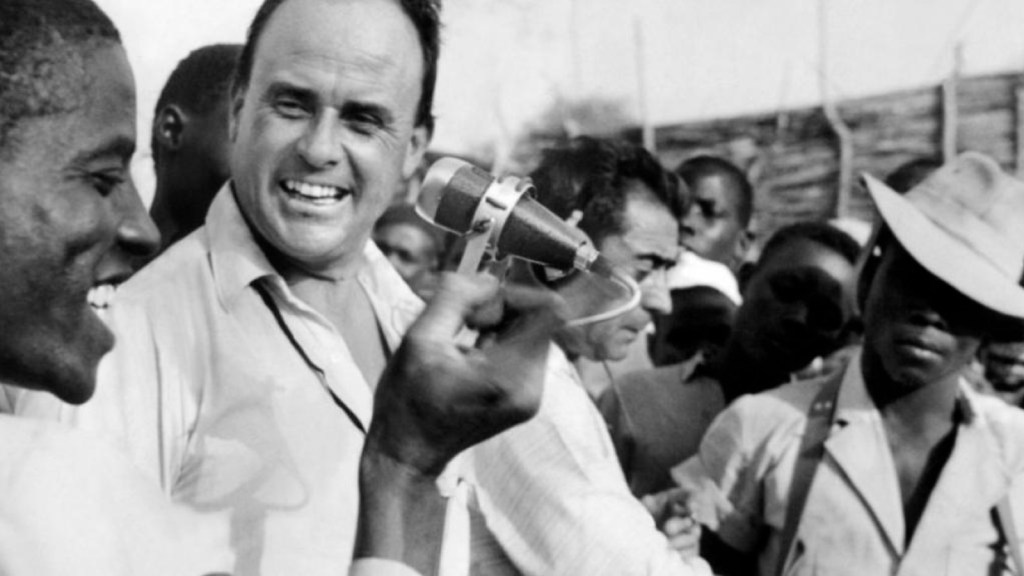
Jean Rouch came to filmmaking as an anthropologist and never stopped being one, which is what makes him genuinely unusual in the history of documentary cinema. He used film as a research instrument, a way of being present with his subjects that traditional ethnography couldn’t achieve. The camera, in his hands, wasn’t a recording device so much as a catalyst, something whose presence changed the situation and whose job was to capture that change honestly.
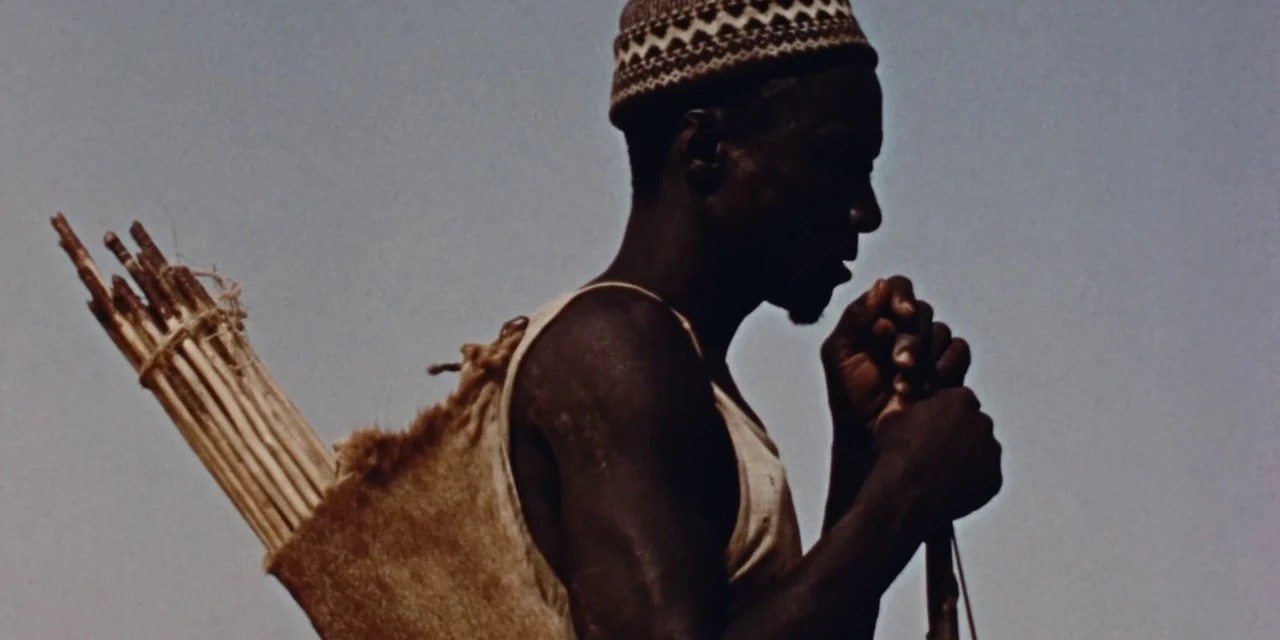
He went to Niger in 1941 as an engineer on a colonial infrastructure project and stayed, in various senses, for the rest of his life. The West African films that resulted over the following decades, Les Maîtres Fous, Jaguar, Moi, un Noir, The Lion Hunters, are the work of someone who had earned the right to film what he was filming through years of relationship and genuine understanding. That doesn’t exempt them from the questions that surround any European filming of African subjects, and Rouch was aware of those questions, but it distinguishes them from the extractive ethnography they’re sometimes compared to.
Les Maîtres Fous is the film that announced his seriousness. A document of the Hauka possession ceremonies in which Ghanaian migrants ritually inhabit the bodies of their colonial oppressors, filmed without mediation, with Rouch’s commentary trying to understand what he’d witnessed rather than explain it away. It disturbed everyone who saw it for different reasons, which is one measure of its honesty.
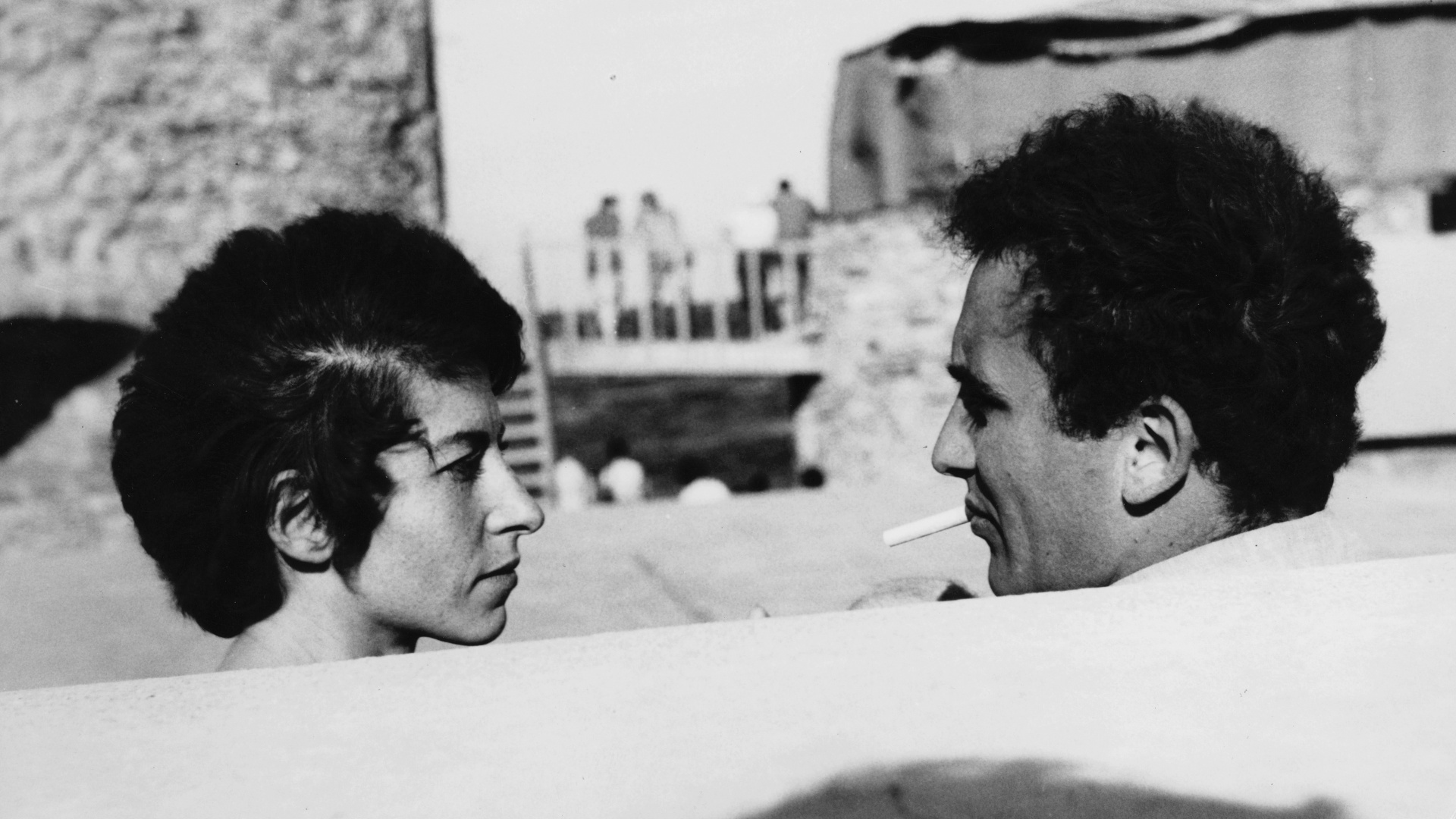
Chronicle of a Summer, made with Edgar Morin in Paris in 1961, turned the ethnographic method on French society itself: asking strangers on the street whether they were happy, then watching what happened, and, in doing so, helped define cinéma vérité as a practice. The film ends with the filmmakers watching the footage with their subjects and debating whether it’s true, which is the most honest ending a documentary has ever had.
Jean Rouch (1917 – 2004)
- 1947 – Au pays des mages noirs
- 1948 – Initiation à la danse des possédés
- 1950 – Cemetery in the Cliff
- 1951 – The Men Who Make the Rain
- 1954 – Mammy Water
- 1955 – The Mad Masters
- 1958 – Moi, un noir
- 1961 – The Human Pyramid
- 1961 – Chronicle of a Summer
- 1962 – The Punishment
- 1964 – Gare du Nord
- 1965 – The Lion Hunters
- 1967 – Jaguar
- 1969 – Little by Little
- 1971 – Tourou and Bitti: The Drums of the Past
- 1973 – The Year 01
- 1974 – Cocorico! Monsieur Poulet
- 1976 – Babatu
- 1979 – Funeral at Bongo: Old Anaï
- 1984 – Dionysos
- 1986 – Folie ordinaire d’une fille de Cham
- 1990 – Freedom, Equality, Fraternity—And Then What?
- 1992 – Madame l’Eau
- 2002 – Le rêve plus fort que la mort
- Ethnofiction: Rouch’s most significant invention is the ethnofiction, a kind of hybridisation of the documentary and fiction where subjects play themselves within situations that are real.
- The Camera as Participant: Rouch rejected the invisible camera of classical documentary. His camera is acknowledged, incorporated, and made part of what the film is about. Chronicle of a Summer ends with the subjects watching themselves onscreen, which collapses the distance between filmmaker and filmed entirely.
- Post-Colonial Africa: The West African films are not neutral, but they insist on the complexity and sophistication of the societies they document at a time when that insistence was genuinely unusual. Les Maîtres Fous refuses to make the possession ceremonies legible as pathology — it demands that the viewer do the interpretive work.
- Spontaneity and Improvisation: The lightweight camera, the handheld movement, the non-scripted situation. Rouch helped develop this toolkit with Godard’s cameraman Raoul Coutard and others, and the formal innovations were inseparable from the ethical ones. If you wanted to film people honestly, you had to film them the way he filmed them.
- The Documentary as Question Rather Than Answer: Rouch’s films consistently refuse resolution. They offer no explanation, no certainty. They open questions; they never close them.
- Chris Marker
- David and Judith MacDougall
- Dziga Vertov
- Jean-Marie Teno
- John Marshall
- Kazuo Hara
- Ousmane Sembene
- Pierre Perrault
- Robert Flaherty
- Safi Faye
Biography
Coming soon

