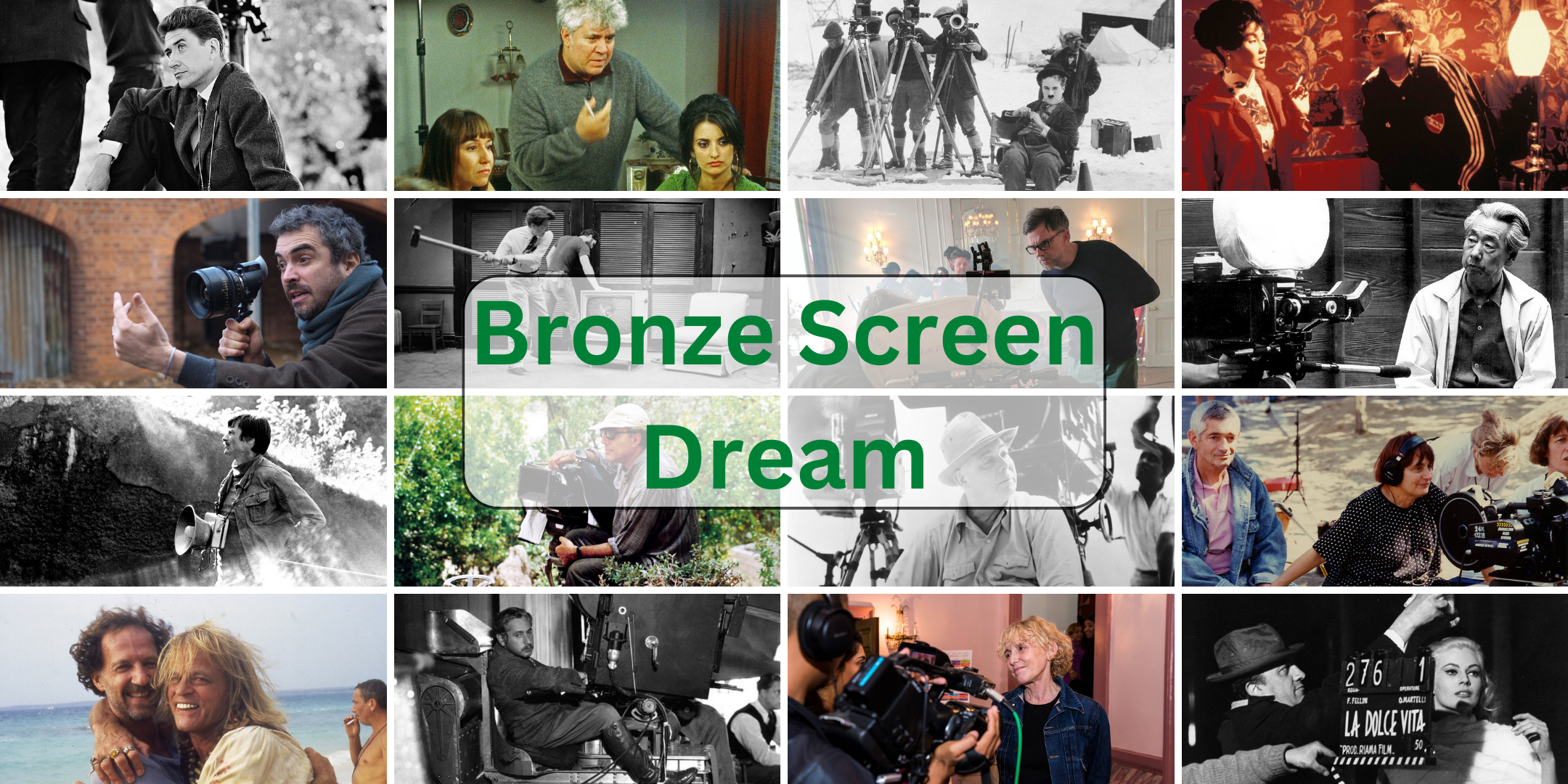
Below are some of the best French directors ever. Click on their pictures to discover more about them.
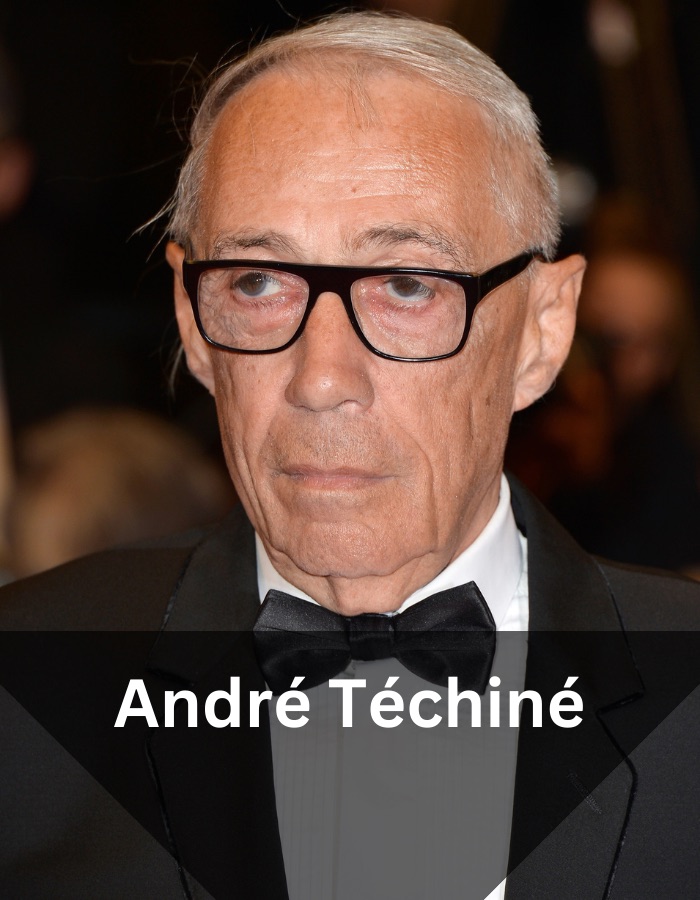
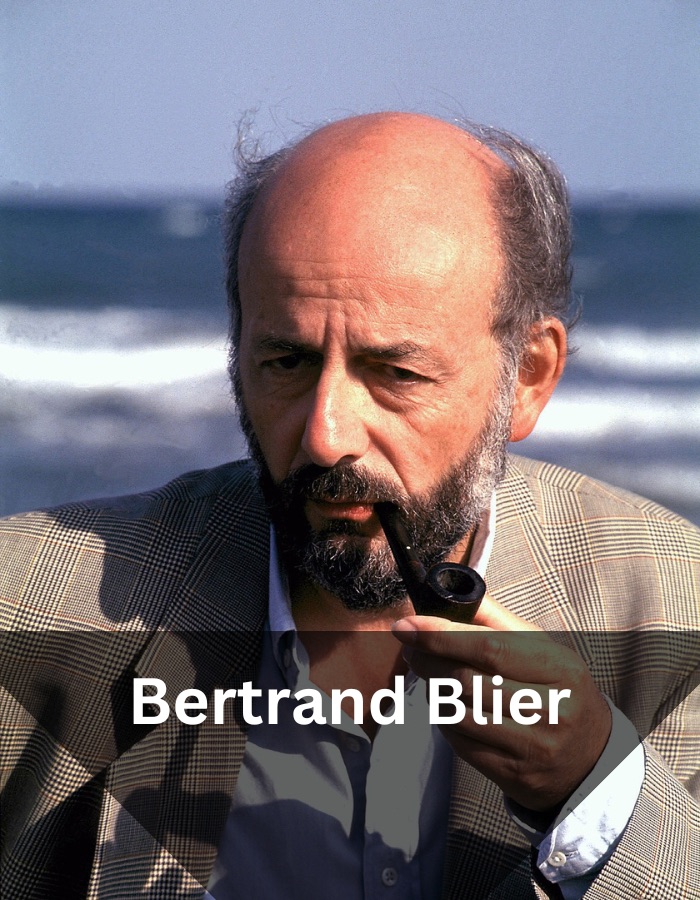

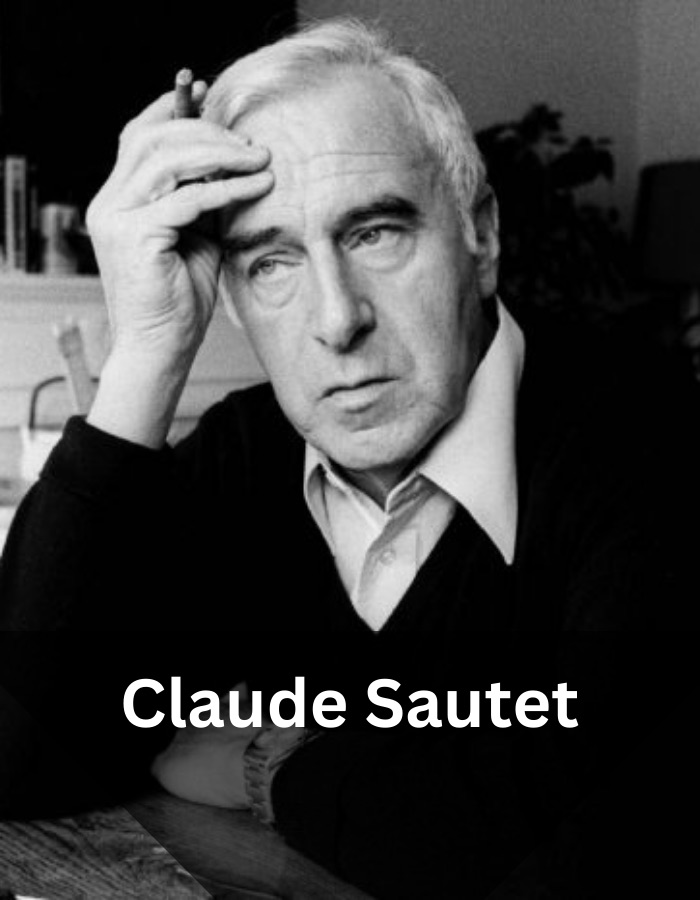
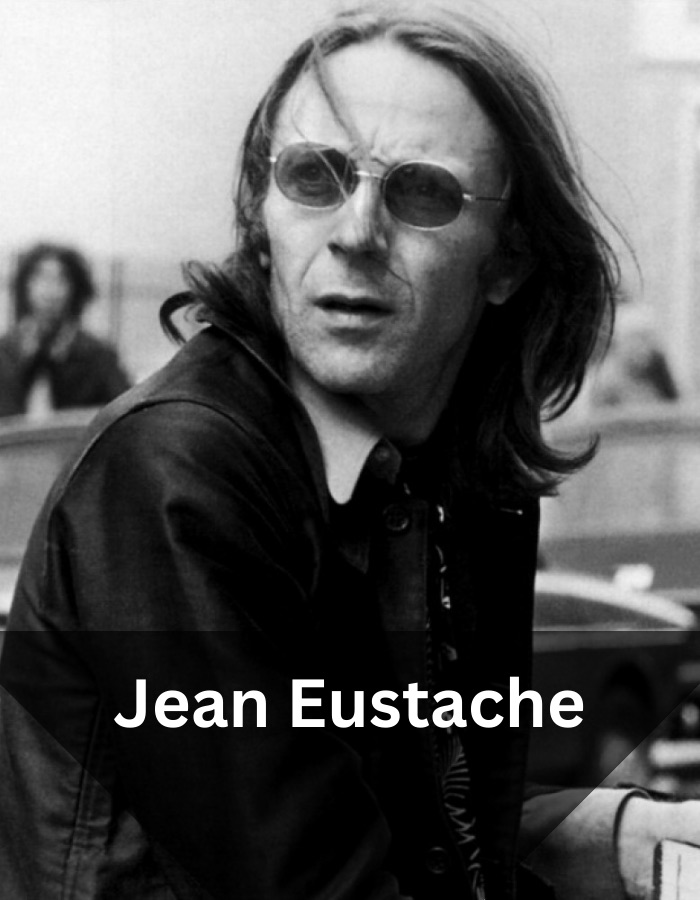
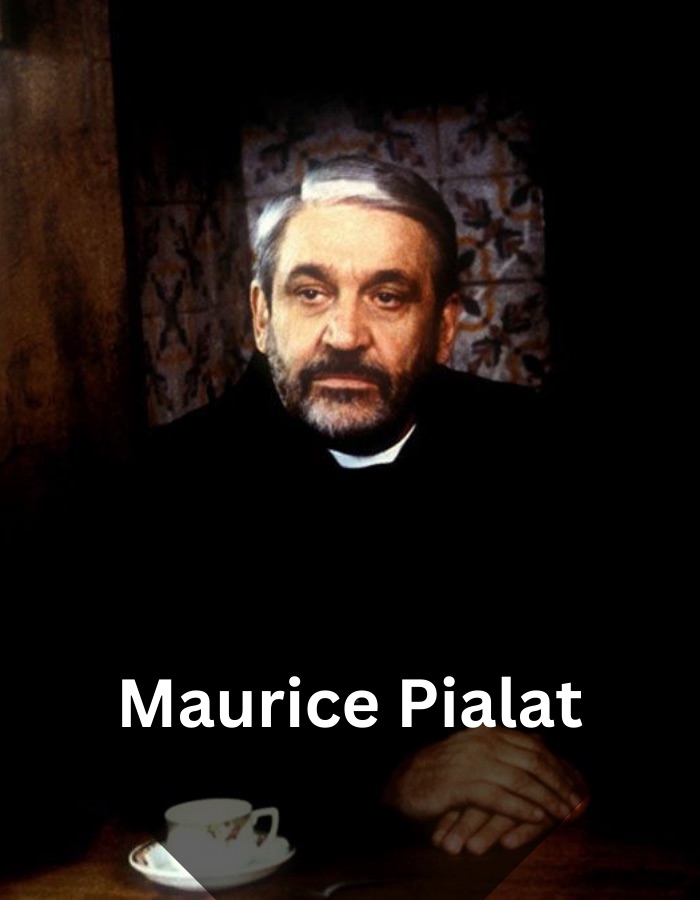


A Brief History of Post-New Wave Cinema
The late 1960s, particularly May 1968, marked a pivotal moment in French society and culture, profoundly impacting the New Wave movement in cinema. The widespread protests and social upheavals of May 1968, reflecting deep-seated discontent with the status quo, resonated deeply with filmmakers. This period catalysed a shift in the New Wave, pushing some of its directors, like Jean-Luc Godard, towards more radical cinema and some, like Francois Truffaut, towards less extreme fare.
This post-New Wave era was not a clean break from its predecessor but rather an evolution. Filmmakers began to explore more diverse and complex narratives, often reflecting the introspective and disillusioned mood of the post-1968 generation. The focus shifted from the stylistic rebelliousness and youth-centric themes of the New Wave to a broader exploration of societal issues, personal identity, and the human condition. This era saw filmmakers experimenting with narrative structures and delving into deeper psychological and social themes.
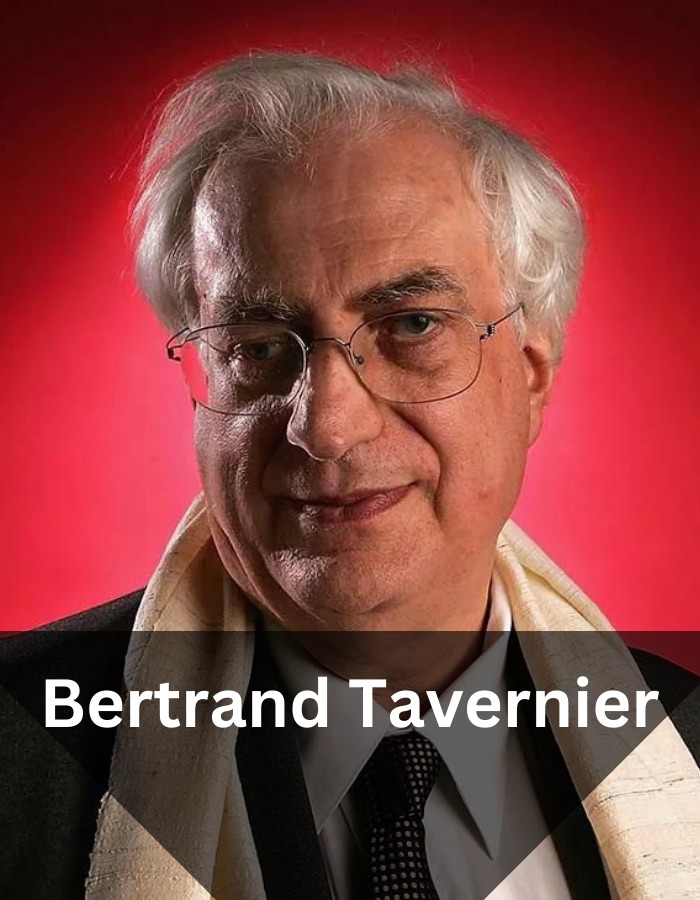
Among the significant directors of this period was Bertrand Tavernier, who brought a unique blend of social realism and historical depth to his films. His works, such as “The Clockmaker of St. Paul” and “The Judge and the Assassin”, reflected a nuanced understanding of human relationships set against larger socio-political backdrops. Maurice Pialat also emerged as a key figure with his raw and visceral storytelling style. His film “Loulou” exemplified his approach to capturing the complexities of human emotions.
The new post-New Wave generation held true to the movement’s ethos of innovation and reinvention. Still, it did revert slightly, often reflecting more conservative viewpoints, focusing on realism and incorporating elements of popular genres the New Wave had shrugged off.
 Bronze Screen Dream