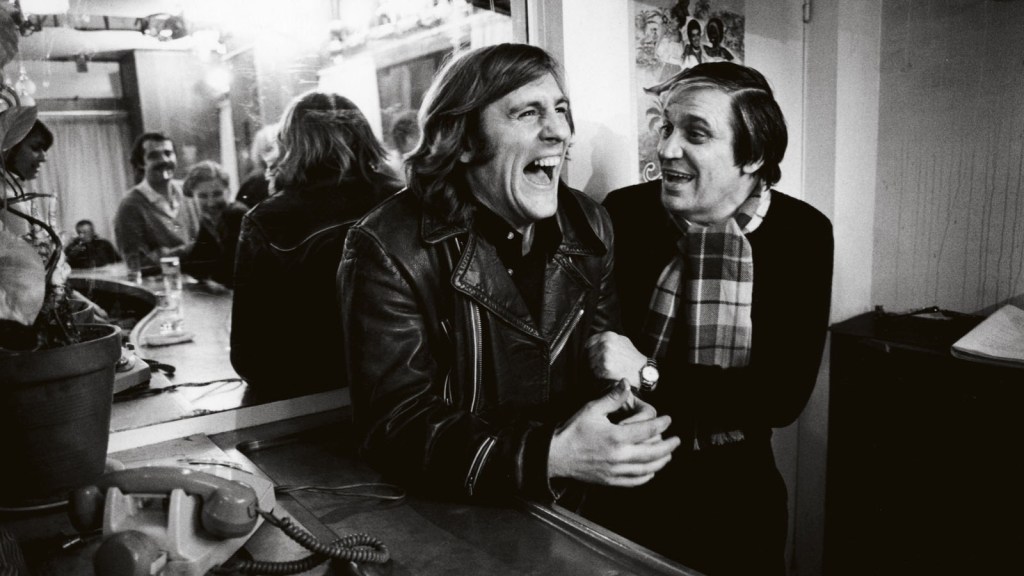
Maurice Pialat is the director people mean when they say French cinema can be brutal about human relationships without being cruel about them, though his sets were reportedly brutal in a more straightforward sense. He was famously difficult, frequently hostile to his actors, and not much interested in whether anyone enjoyed the experience of watching his films. What he was interested in was whether the films were honest, and by that standard, his record is nearly unimpeachable.
Pialat came to film late. He didn’t make his debut feature until he was 43 with Naked Childhood. But what a debut. It showed someone neither sentimental nor clinical, just accurate. The semi-autobiographical material was already there from the start. Then he followed it up with one of the most unflinching filmographies in cinema
We Won’t Grow Old Together is a relationship film that shows a relationship destroying itself in real time, with Pialat himself playing the male lead, which tells you something about his relationship to self-exposure. The Mouth Agape watches a family cope with a mother dying of cancer, not the dying, specifically, but the particular domestic texture of life around dying, the boredom and the guilt and the difficulty of sustaining grief. A Nos Amours gives Sandrine Bonnaire one of the great performances of French cinema, playing a teenager whose sexual freedom is partly freedom and partly flight from something the film identifies without diagnosing.
When Under the Sun of Satan won the Palme d’Or at Cannes in 1987, Pialat was booed on stage. He turned to face the audience and told them if they didn’t like him, he didn’t like them either. It was entirely in character.
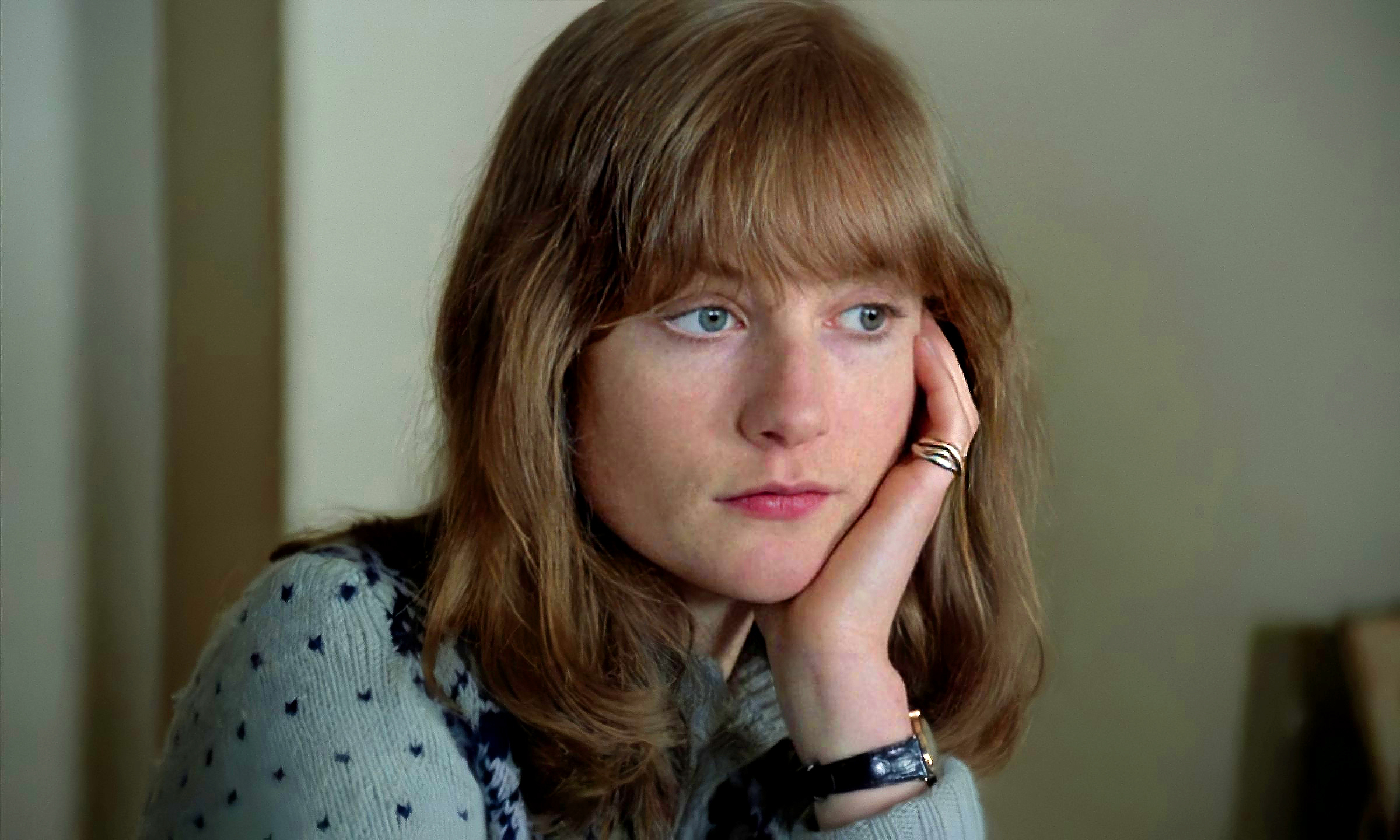
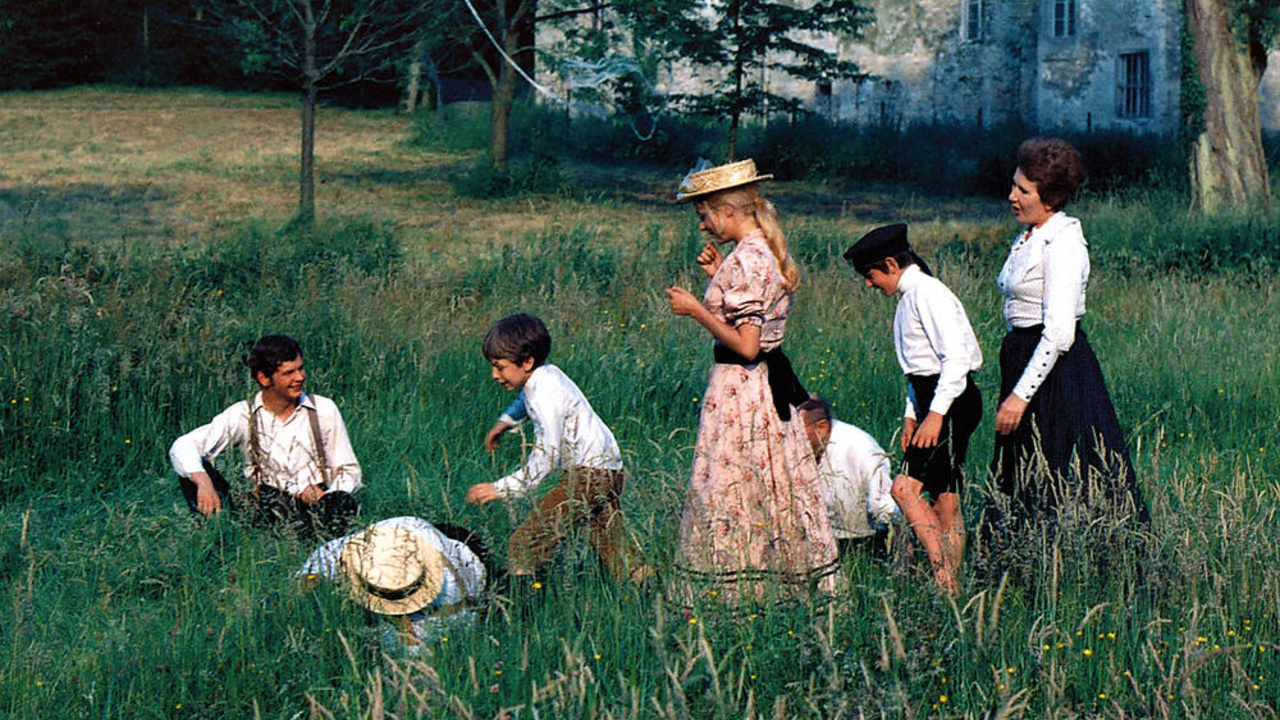
Maurice Pialat (1925 – 2003)
- 1957 – Drôles de bobines
- 1960 – L’Amour existe
- 1964 – Byzance
- 1966 – La Camargue
- 1968 – L’Enfance nue
- 1971 – La Maison des bois [TV]
- 1972 – We Won’t Grow Old Together
- 1974 – The Mouth Agape
- 1978 – Passe ton bac d’abord…
- 1980 – Loulou
- 1983 – À nos amours
- 1985 – Police
- 1987 – Under the Sun of Satan
- 1991 – Van Gogh
- 1995 – Le Garçu
- Relationships as Attrition: Pialat’s couples don’t have dramatic confrontations that resolve things; they erode each other across scenes that feel too long for comfort, which is the point. Love in his films is a site of damage as much as connection, and he refuses to make that damage legible or cathartic.
- The Autobiographical Without Distance: Pialat appears as an actor in his own films. He uses his own experiences. He makes the boundary between Pialat the person and Pialat the filmmaker deliberately permeable.
- Death and the Body: The Mouth Agape is the most direct engagement, but mortality runs through the whole filmography: the body’s vulnerability, the indignity of dying, the impossible task of being present for someone else’s death. He observes these things with a doctor’s attention and a painter’s eye and no consolation whatsoever.
- Disruptive Editing as Emotional Truth: His cuts are famous for being wrong by conventional standards. Scenes end before their resolution, begin after their setup, and jump across time without announcement. The effect is of memory rather than narrative, of emotional logic overriding chronological logic.
- Working-Class France Without Sociology: Pialat was interested in the texture of working and lower-middle-class French life, not as a social document but as the simple nature of life. The specific interiors, the particular speech rhythms, the way people actually inhabit their circumstances.
Biography
Coming soon
 Bronze Screen Dream