
André Téchiné has been making films since the late 1960s and is still going, which makes him one of the longest continuous careers in French cinema and one of the more consistently undervalued ones outside France. Sure, international critics know a few films, and the attention has always been there. But it arrives in bursts around a particular film and then recedes for the next few.
He came through Cahiers du Cinéma as a critic, then IDHEC as a student, and his early features of the 1970s are experimental and somewhat difficult. He was finding his way through the aftermath of the New Wave and the political cinema it had generated, trying to work out what came next. What came next, it turned out, was a form of lyrical naturalism that borrowed the New Wave’s freedom of movement and discarded its theoretical self-consciousness, replacing it with a sustained attention to the emotional lives of people who are usually young, often confused, and frequently in motion.
The landscape in a Téchiné film is always doing something special. It’s in the light, the heat, that particular quality of provincial France. Techine isn’t always called an auteur, but look at his recurring focuses: Aids, desire, homosexuality, and ageing. Consistency over five decades is the definition of an auteur.
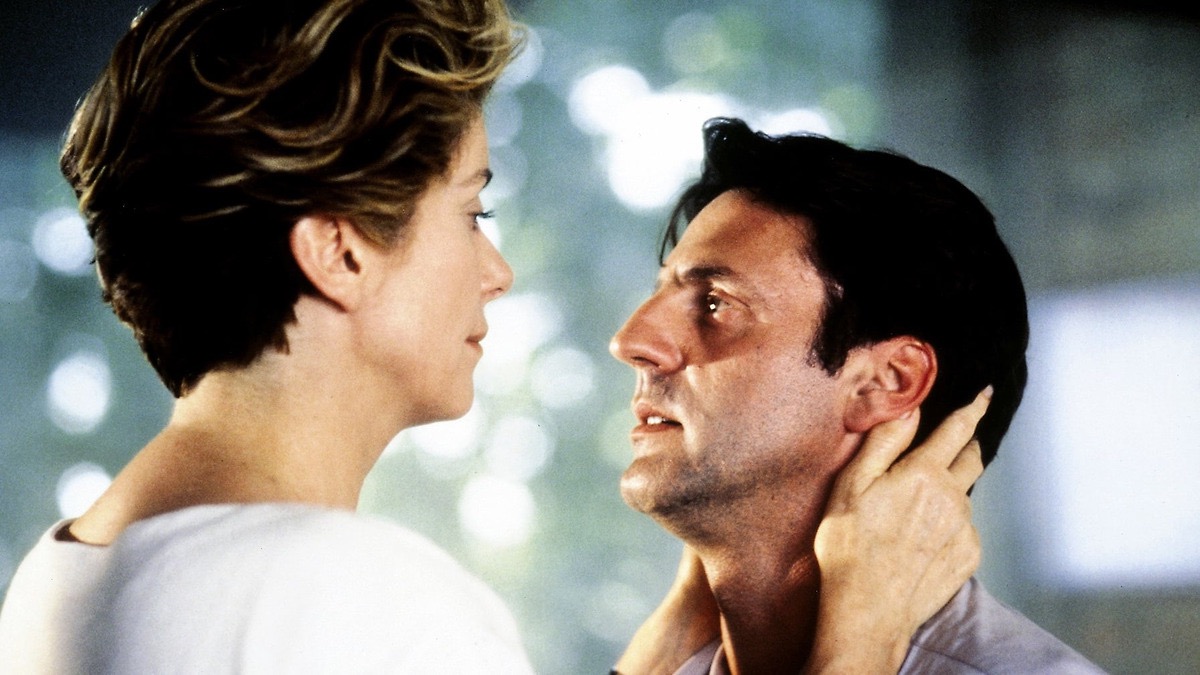
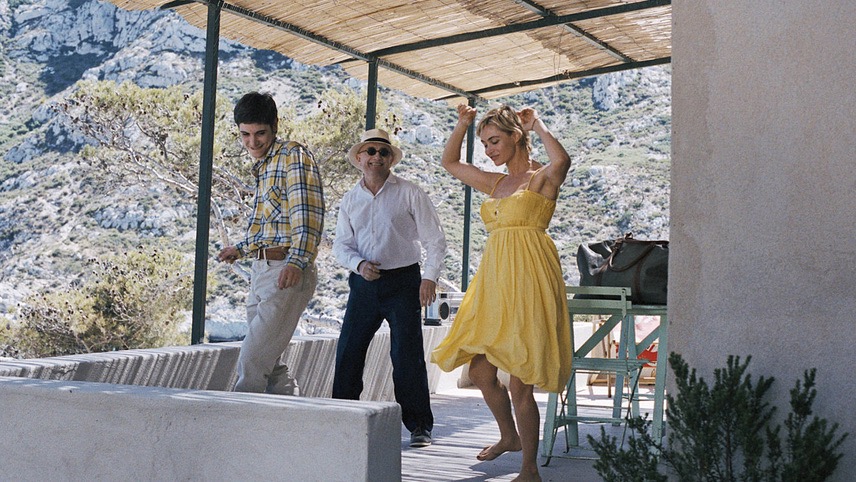
Andre Techine (1943–)
- 1969 – Paulina Is Leaving
- 1975 – French Provincial
- 1976 – Barocco
- 1979 – The Brontë Sisters
- 1981 – Hotel America
- 1985 – Rendez-vous
- 1986 – Scene of the Crime
- 1987 – Les Innocents
- 1991 – I Don’t Kiss
- 1993 – My Favourite Season
- 1994 – Wild Reeds
- 1996 – Les Voleurs
- 1998 – Alice and Martin
- 2001 – Far
- 2003 – Strayed
- 2004 – Changing Times
- 2007 – The Witnesses
- 2009 – The Girl on the Train
- 2011 – Unforgivable
- 2014 – In the Name of My Daughter
- 2016 – Being 17
- 2017 – Golden Years
- 2019 – Farewell to the Night
- 2023 – Soul Mates
- 2024 – My New Friends
- Desire as the Primary Force: Téchiné’s films treat desire as the engine of human behaviour rather than a complication of it. The characters are moved by what they want and don’t want, and the films follow those movements without moralising.
- History as Emotional Context: Teshine’s films consistently use history as a backdrop for personal lives. The political shapes the personal without the films becoming a political thesis.
- The South-West as Emotional Geography: The landscape of his childhood region recurs as a site of emotional intensity. His France is not Paris, or not only Paris, and the difference matters for what his characters are allowed to feel and do.
- Ensemble and the Tangle of Relationships: Techine’s films typically follow four or five people in a web of desire and loyalty and rivalry, and the meaning emerges from the interactions between them rather than from any single character’s arc. The ensemble form reflects a view of how desire actually works; messily, between people, with no clear centre.
- Naturalism and Lyrical Speed: The visual style is fluid and quick. Téchiné moves the camera like someone following rather than composing, and the editing has a restlessness that matches the emotional temperature of the characters. The lyricism isn’t slowness but a particular quality of attention, present even in scenes that move fast.
- Alain Guiraudie
- Arnaud Desplechin
- Benoit Jacquot
- Claire Denis
- Christophe Honore
- Mia Hansen-Love
- Olivier Assayas
- Patrice Chereau
- Philippe Garrel
- Robin Campillo
Biography
Coming soon

