
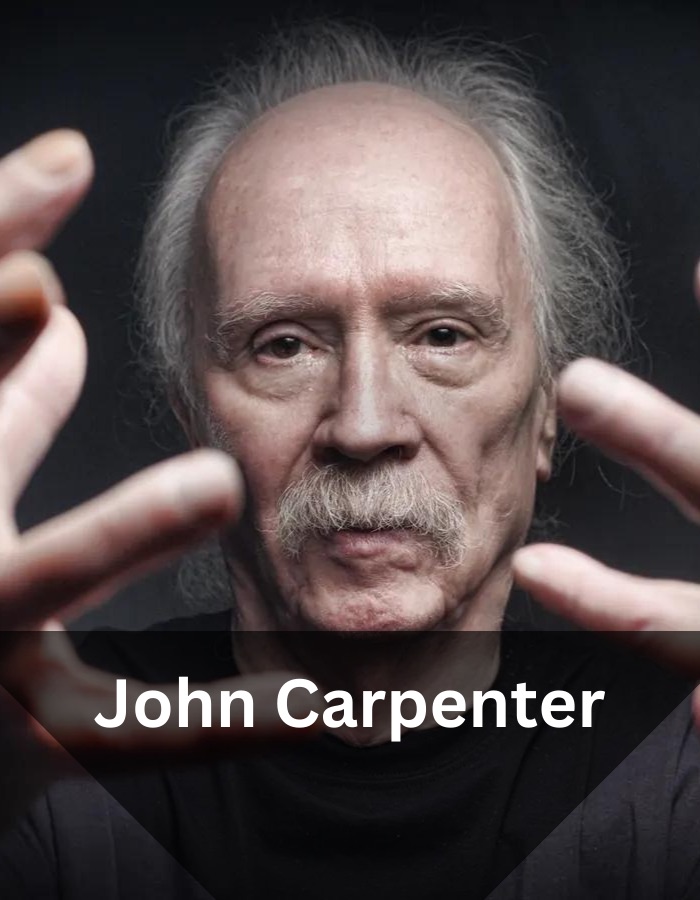
The 1940s produced a number of film directors who were to redefine cinema in various genres and styles. George A. Romero became a pioneer of the modern zombie genre by adding social commentary to his undead sagas. His contemporary, Dario Argento, became an Italian master of horror film and giallo, known for his stylistic flourishes and suspenseful narratives. John Carpenter’s iconic works, such as “Halloween” and “The Thing”, cemented his reputation in the horror and science fiction genres, which he imbued with an indelible sense of horror and innovation.
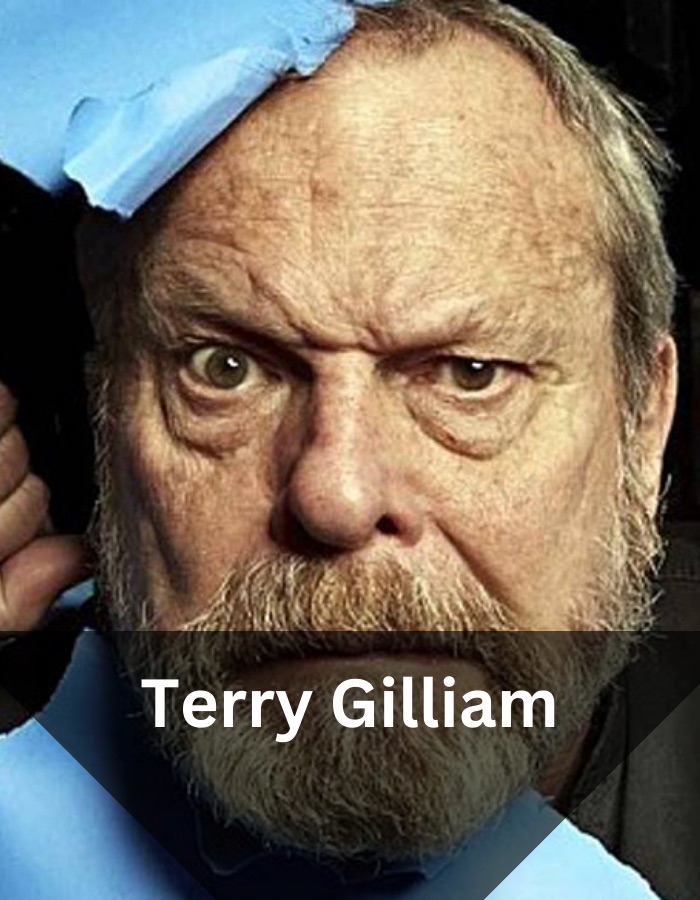
Visionaries like Terry Gilliam pushed the boundaries of the surreal, and his films became synonymous with imaginative and fantastical imagery. Hayao Miyazaki’s richly animated fantasy films have garnered worldwide admiration for their storytelling and artistry. David Lynch’s unique filmography, characterised by surreal and startling narratives, has invited viewers into the depths of the subconscious. Directors such as Peter Greenaway, known for their visual symmetry and unconventional storytelling, have also left a lasting mark on the film industry with their particular approach to cinema.
Dramas and intimate narratives found their masters in directors such as Abbas Kiarostami, who set a new standard for the art form with his poetic humanism. Víctor Erice’s lyrical style and Brian De Palma’s thematic exploration of crime and guilt brought complex characters and stories to the forefront of cinema. Mike Leigh’s improvisation techniques and Terence Davies’ autobiographical influences produced films of great emotional depth, while Claire Denis stood out for her intimate and tactile approach to filmmaking.
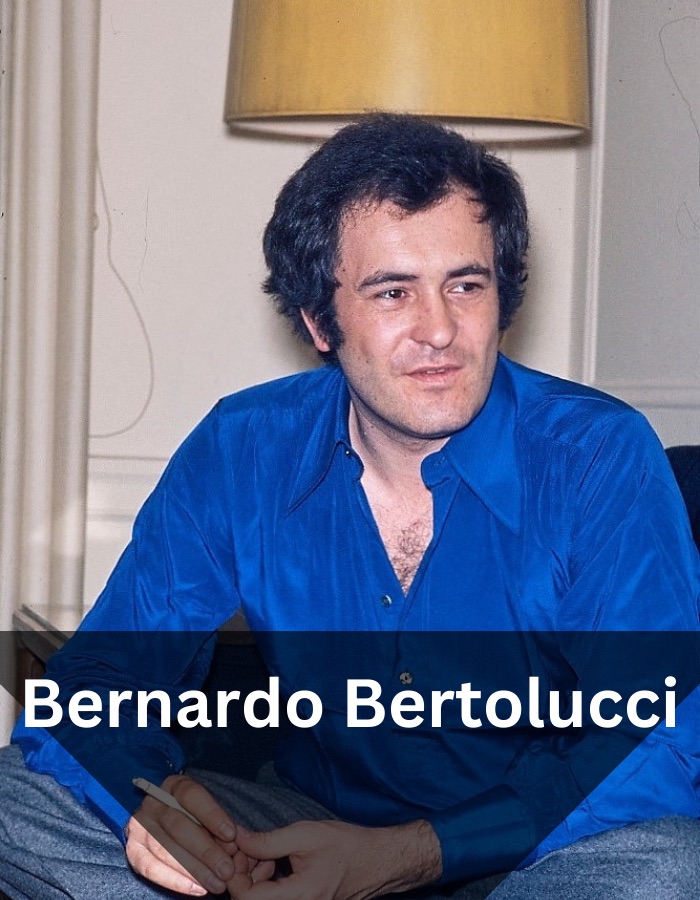
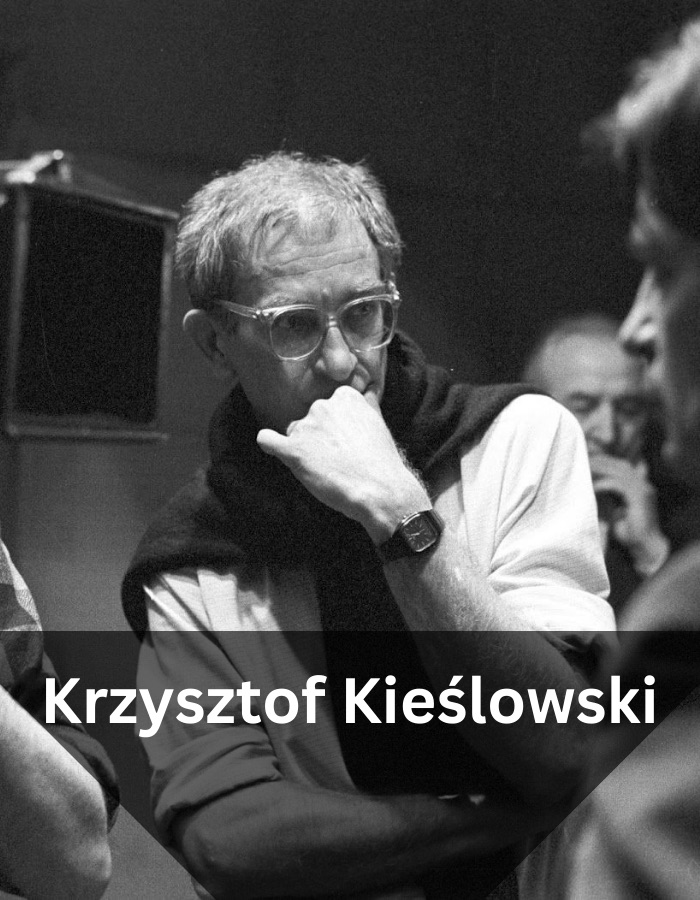
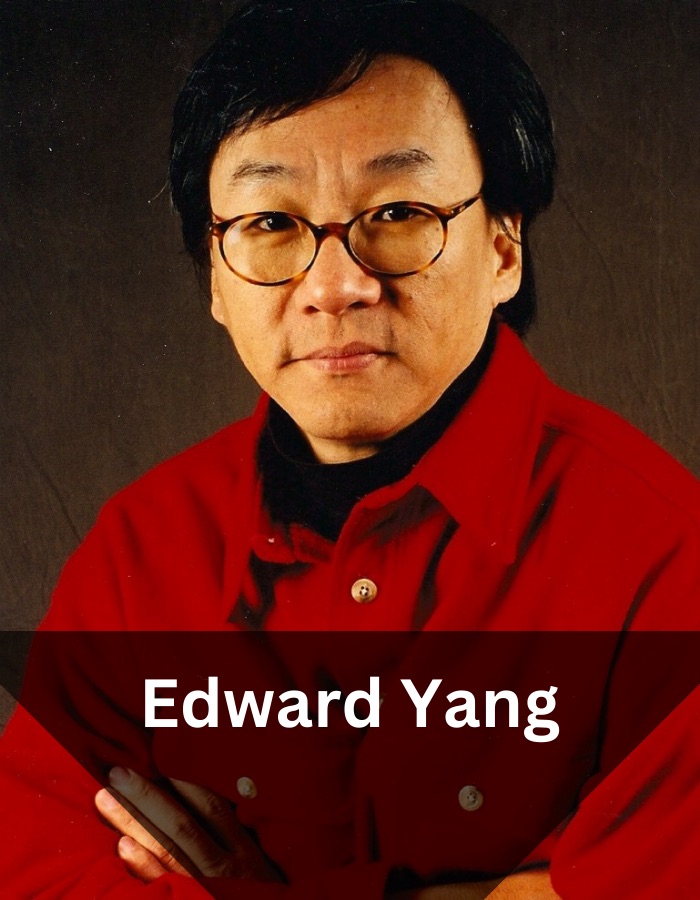
The international scene was no less dynamic, with directors such as Bernardo Bertolucci and Krzysztof Kieslowski offering epic narratives and cultural introspection in their films. The characteristic narratives of Werner Herzog, the colourful melodramas of Pedro Almodóvar and the experimental style of Djibril Diop Mambéty enriched the diversity of cinema. In the meantime, the New Taiwan Cinema movement was characterised by filmmakers such as Hou Hsiao-Hsien and Edward Yang, who brought a uniquely Taiwanese perspective to the screen.
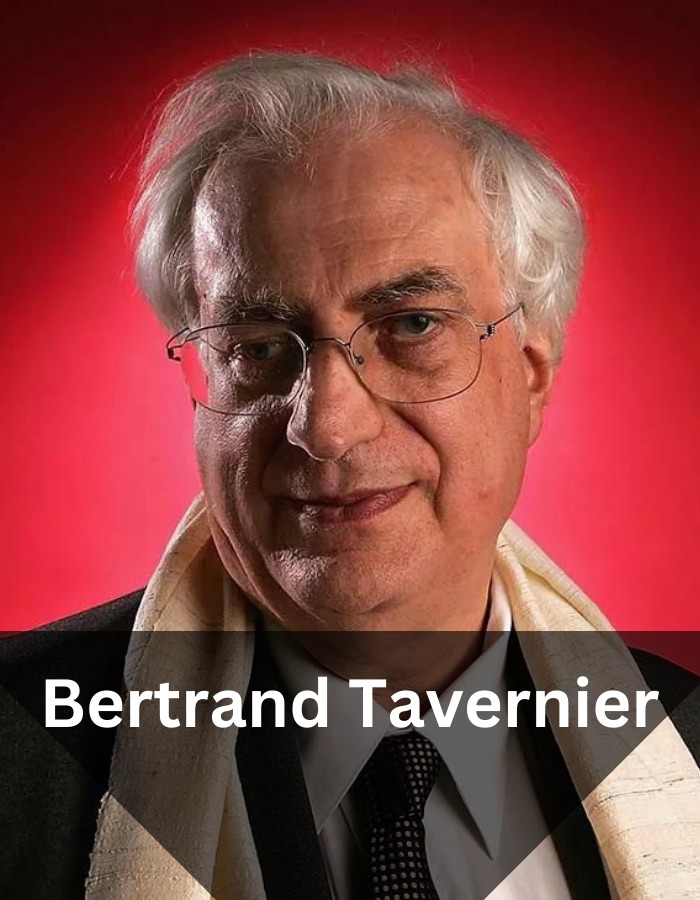
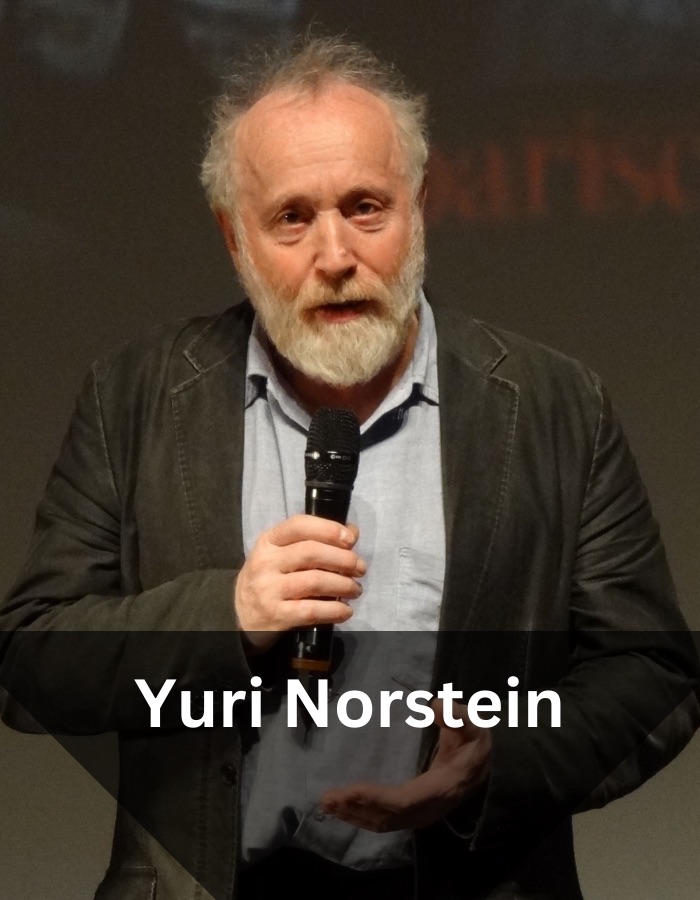
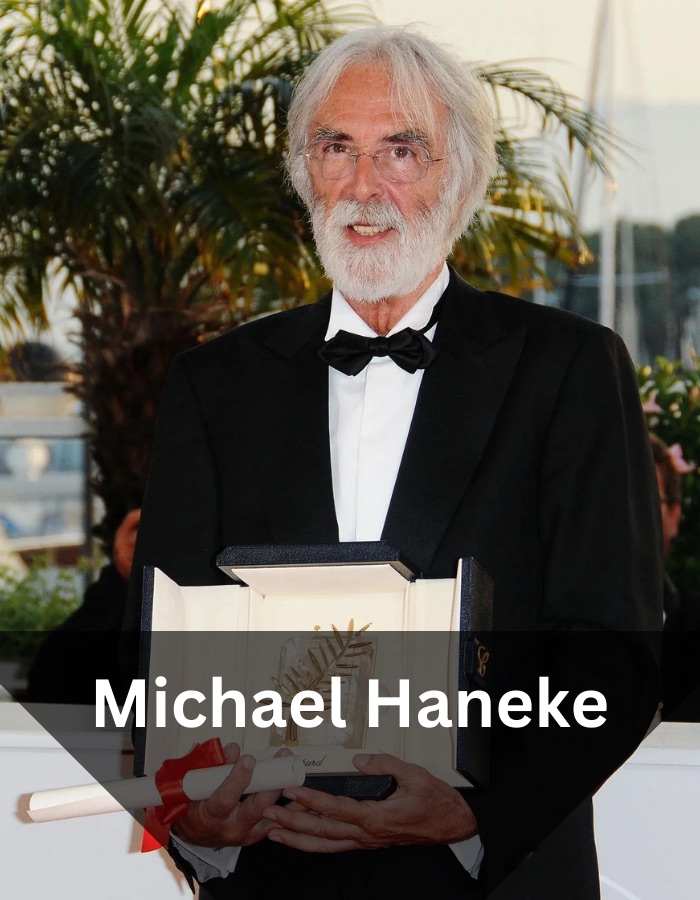
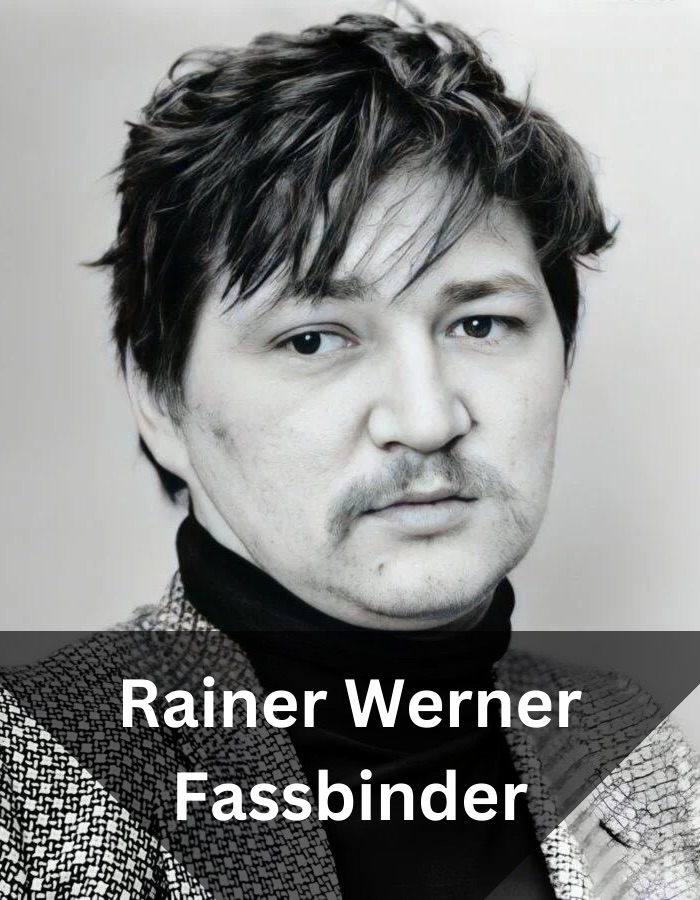
Finally, documentary filmmakers and advocates of political cinema, such as Patricio Guzmán and Michael Haneke, criticised social issues with strong realism. Rainer Werner Fassbinder’s socio-critical films dealt with the complex conditions in post-war Germany. These directors, along with innovative storytellers and technicians such as Bertrand Tavernier, Raúl Ruiz and Yuri Norstein, as well as blockbuster giants Steven Spielberg and George Lucas, have expanded the language of cinema and left a legacy that extends beyond the New Hollywood generation they emerged from. Their contributions have not only shaped the industry but have also had a lasting impact on the cultural zeitgeist.
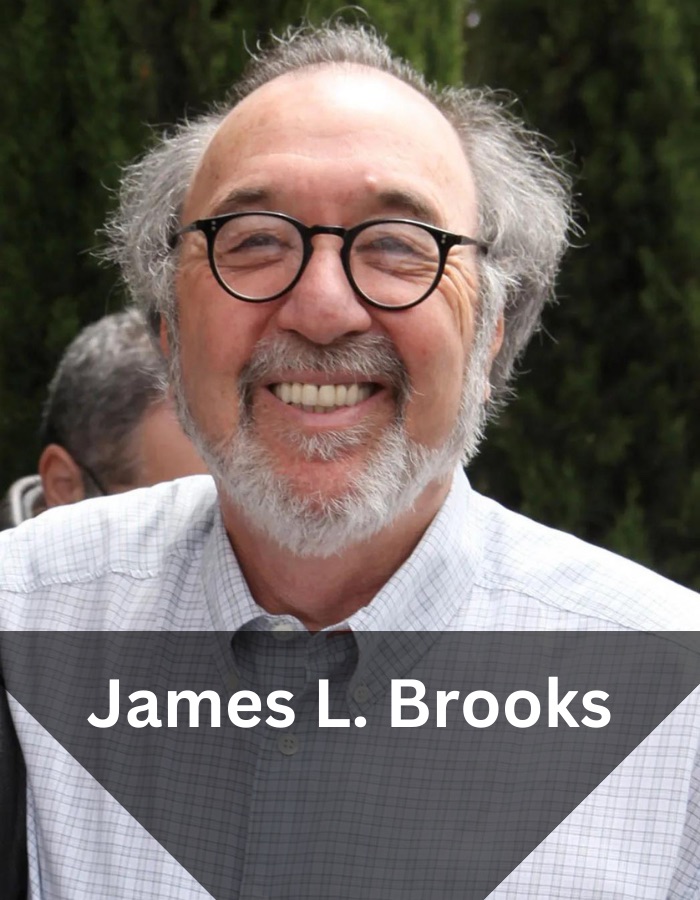
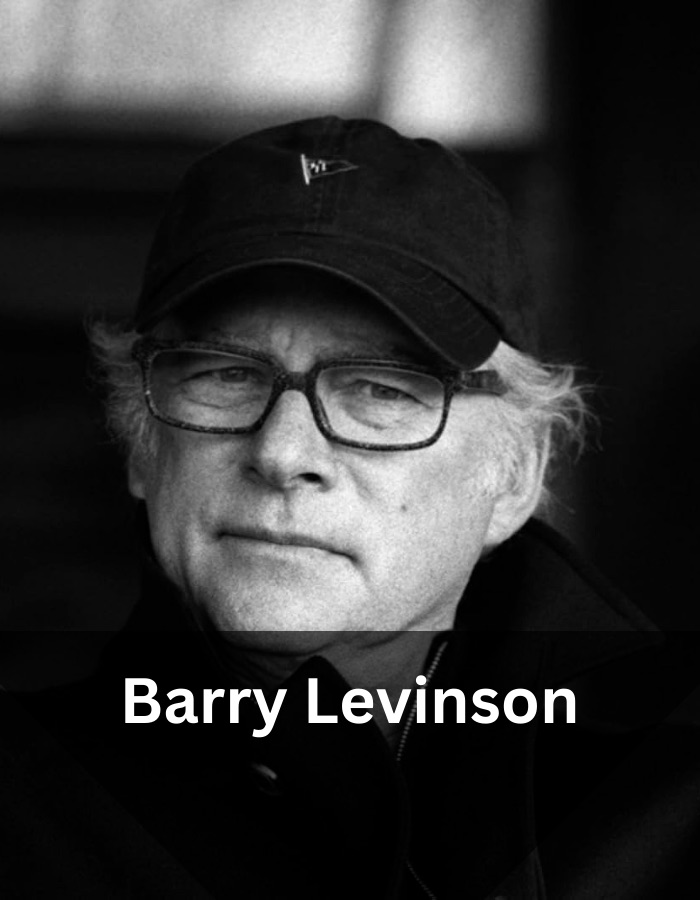
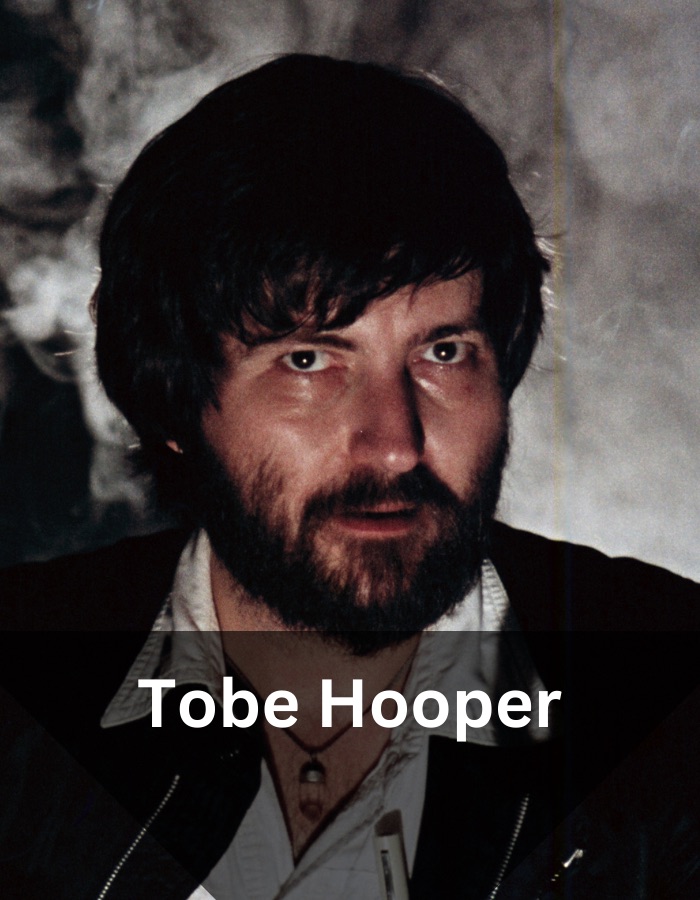
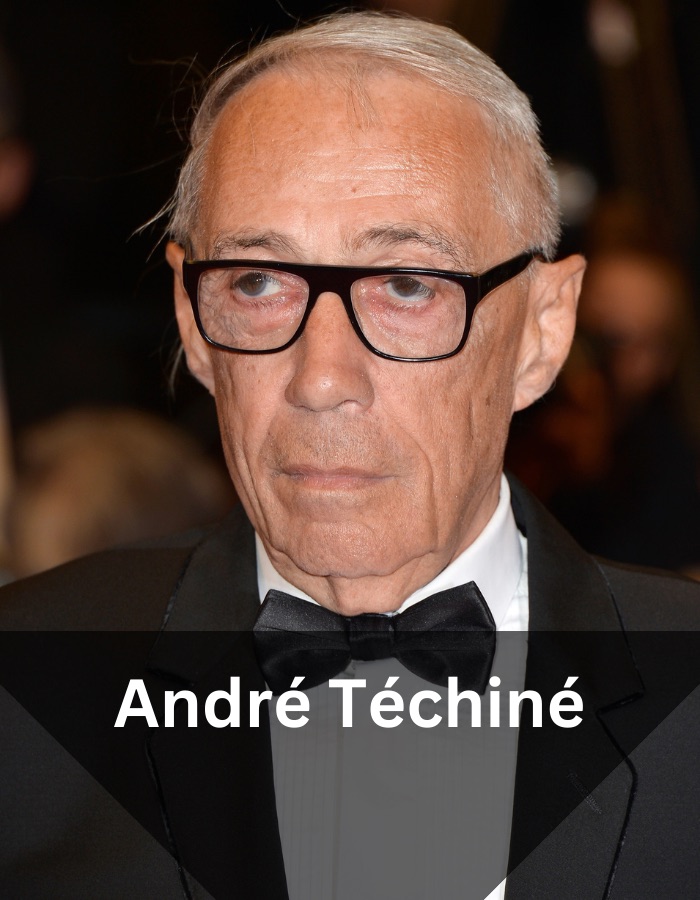
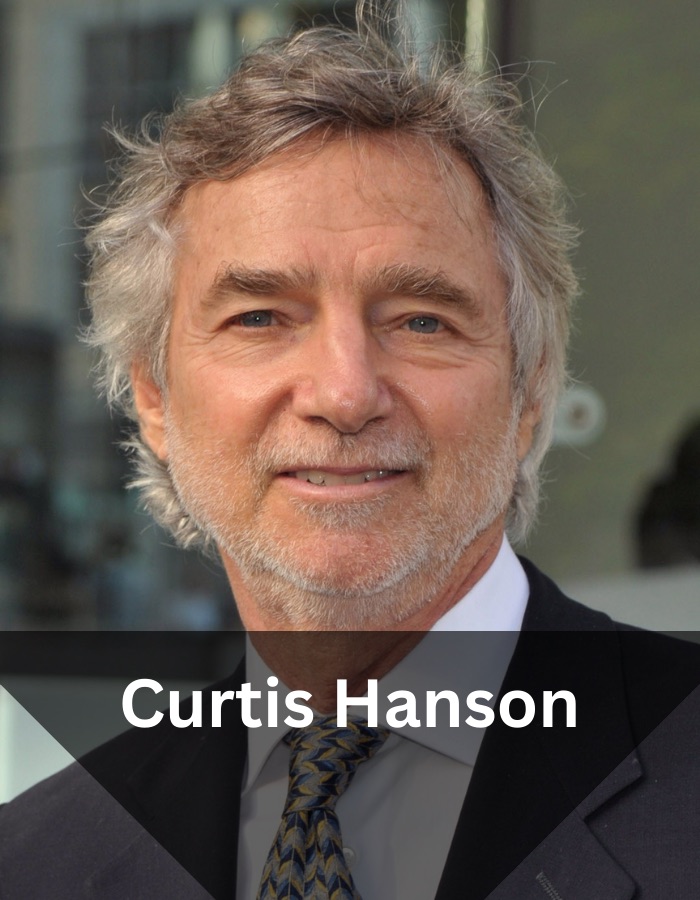
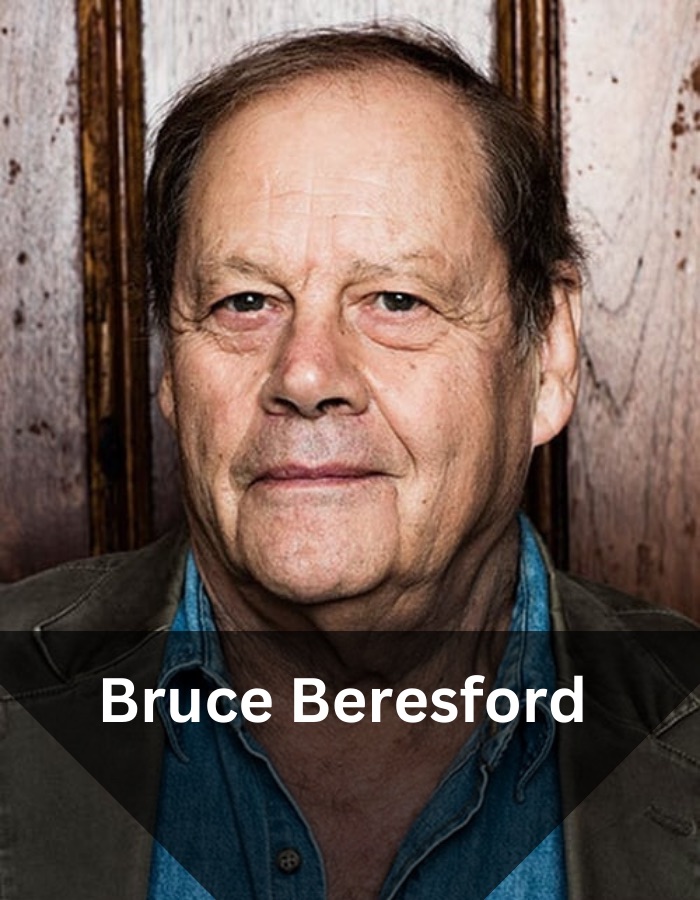
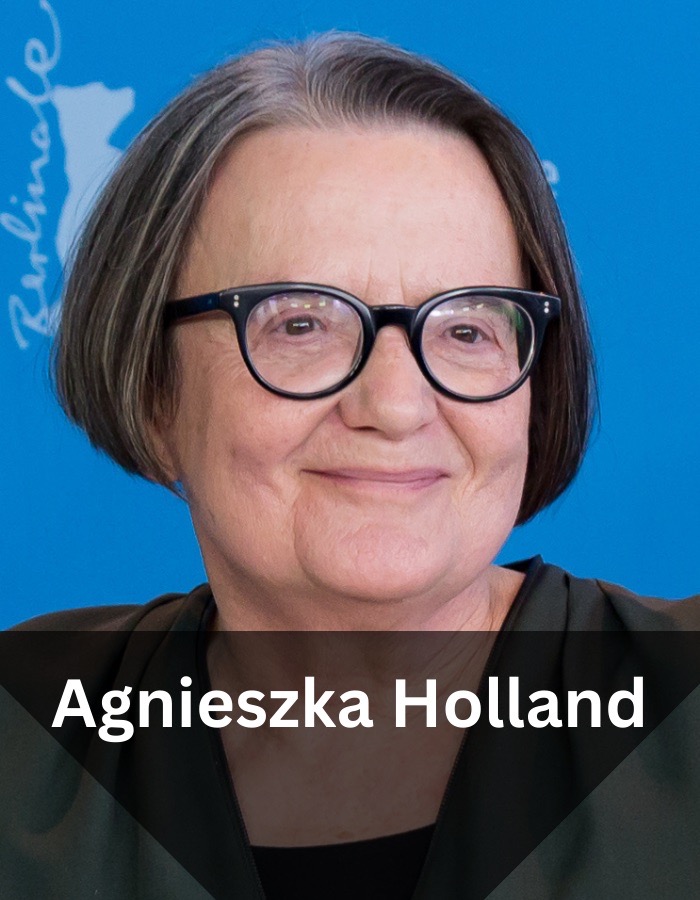
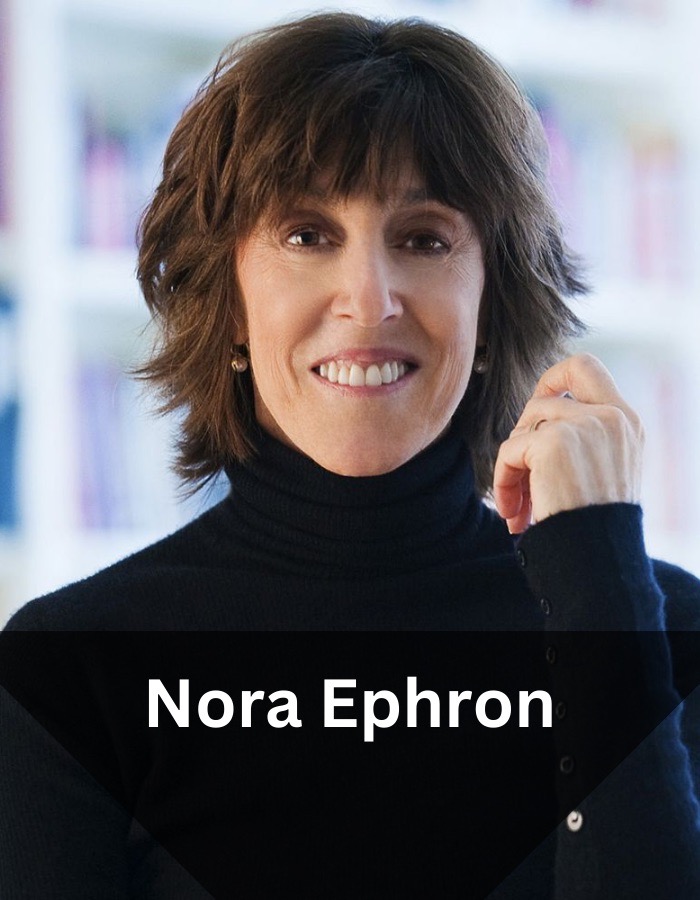
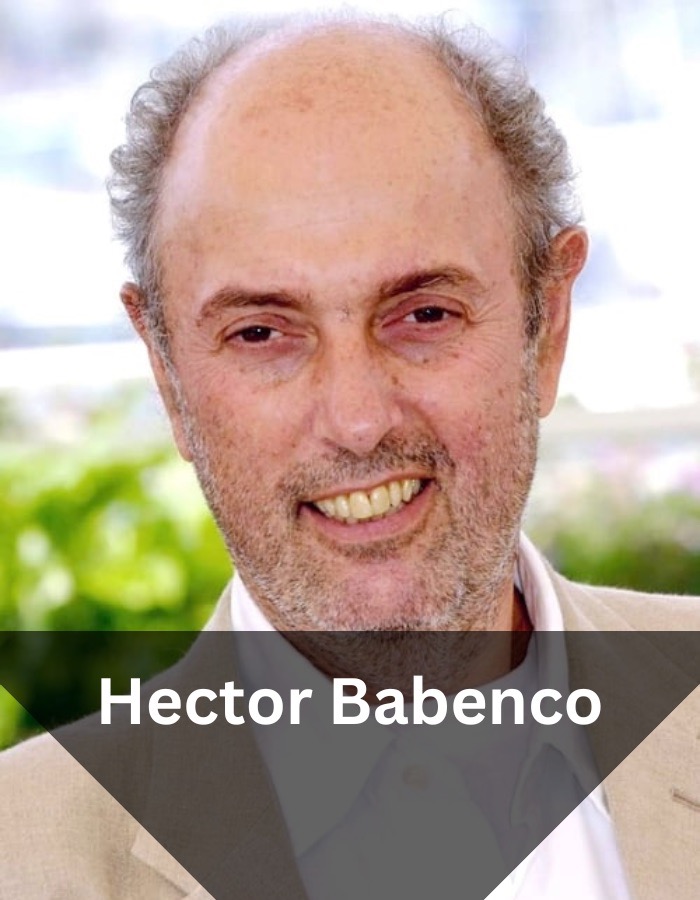
Click on the directors’ pictures to look at their profiles.





































 Bronze Screen Dream