Martin Scorsese

Martin Scorsese grew up in Little Italy watching movies through a window because asthma kept him off the street, and that combination — the outsider’s intensity of observation, the Catholic neighbourhood’s codes of guilt and loyalty and violence — never left his films. He is the most cinephilic of major directors, a man who has spent sixty years simultaneously making films and campaigning for the preservation of the ones other people made, and the love shows in every frame.
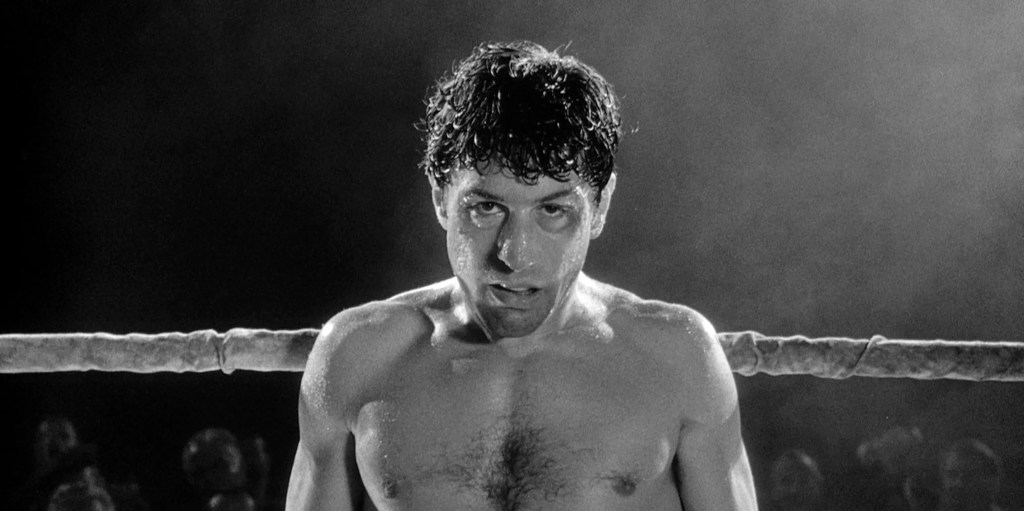
The New York films of the 1970s are where the legend was forged. Mean Streets established the template — handheld intimacy, sourced music used as emotional argument, Catholic guilt worn like a second skin. Taxi Driver took that world and pressed it through Travis Bickle’s disintegrating consciousness until it became something close to expressionism. Raging Bull in 1980, shot in black and white against every commercial instinct, is probably the summit: a film about self-destruction so formally rigorous that the boxing sequences feel like abstract art.
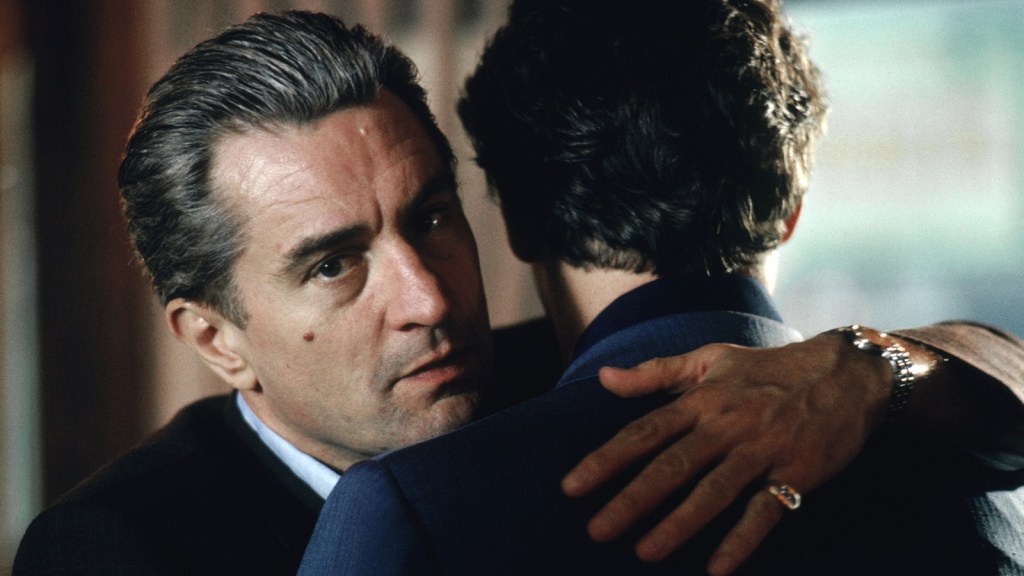
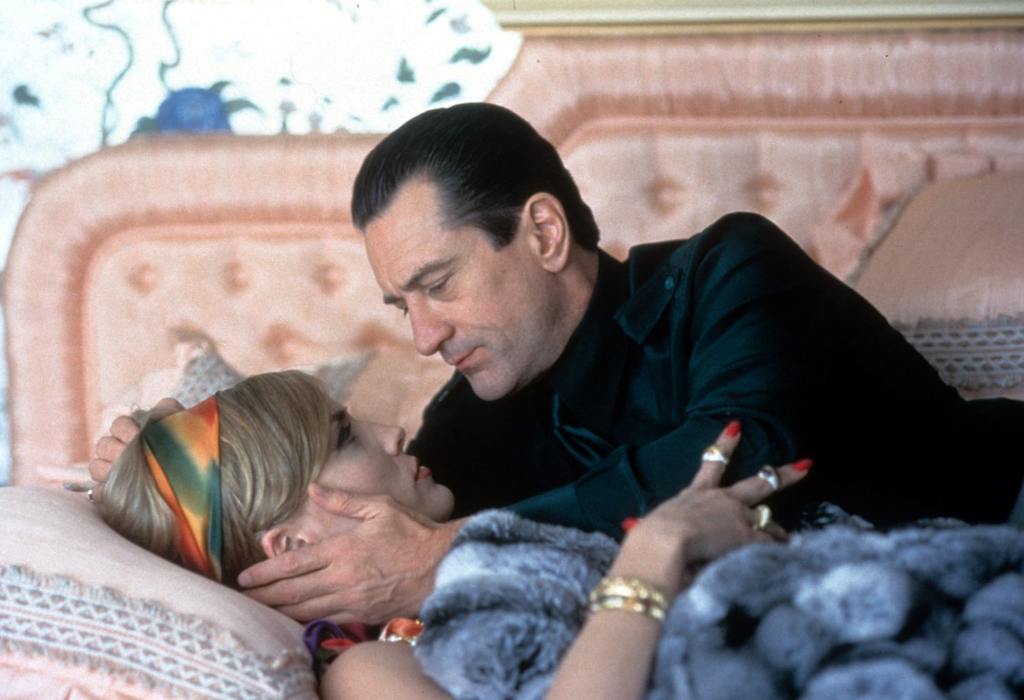
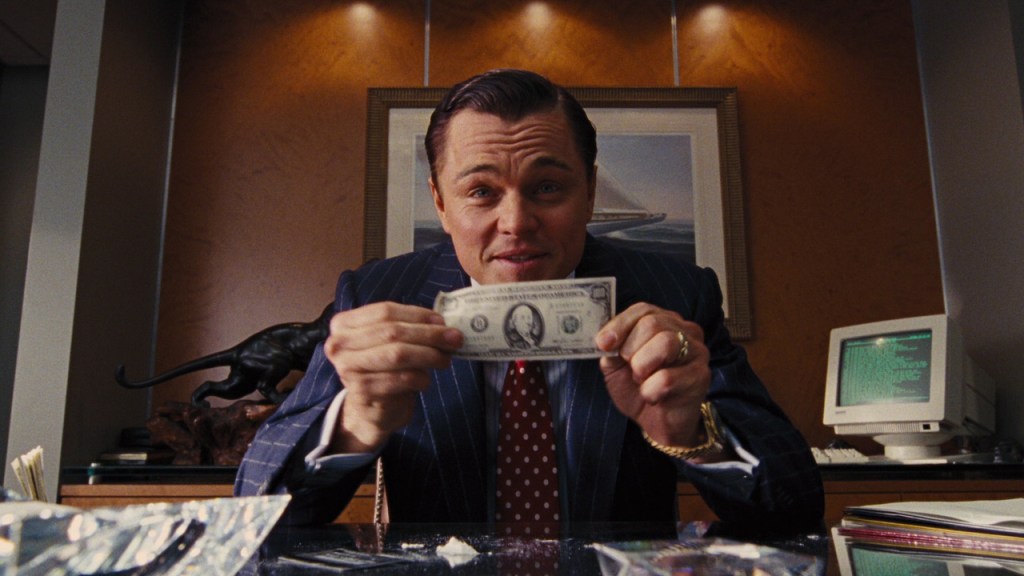
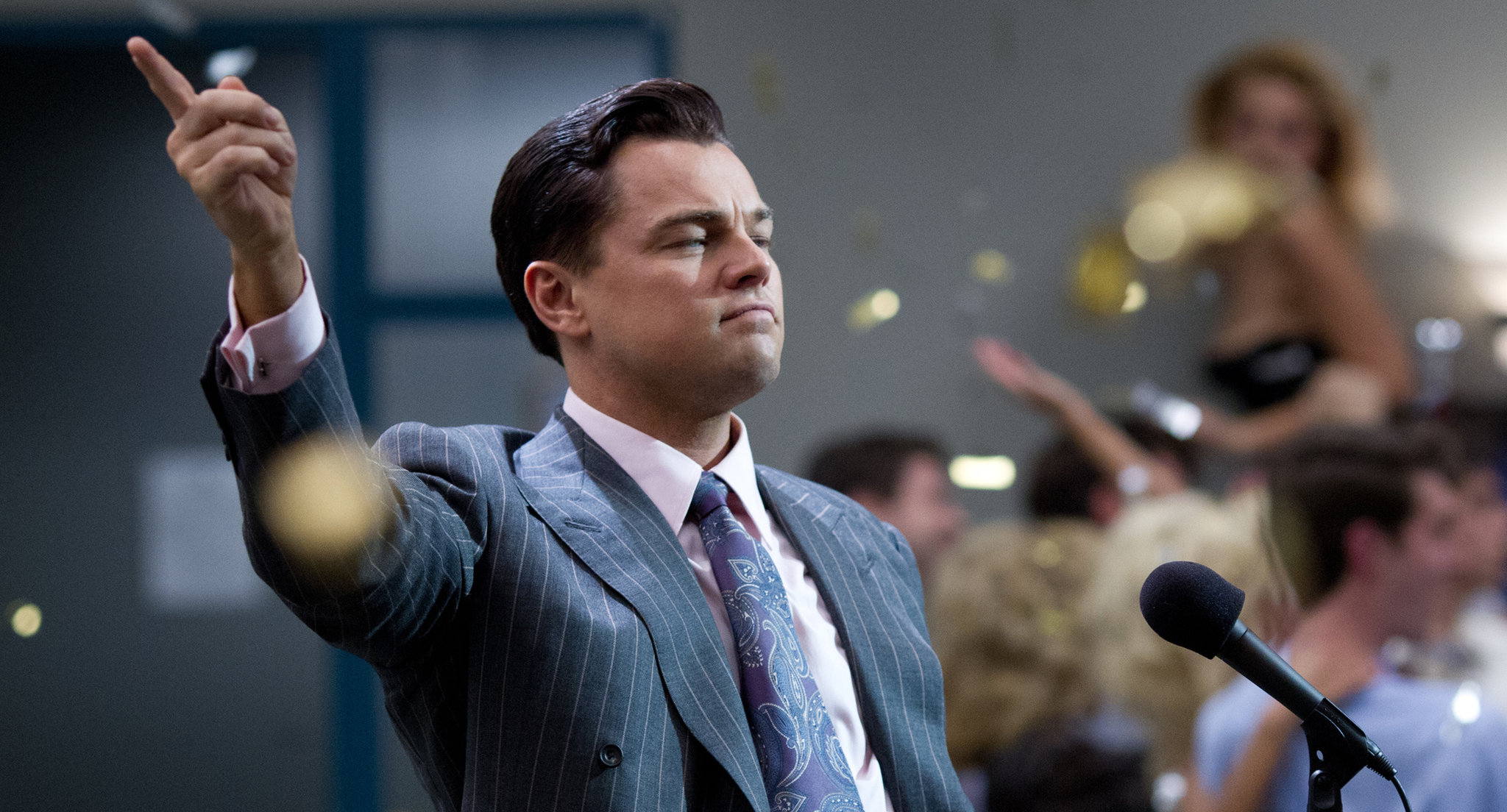
What followed is the career of a filmmaker who refused to become his own monument. The King of Comedy was misunderstood on release and looks prescient now. Goodfellas reinvented the gangster film so thoroughly that everything since has had to negotiate with it. The Age of Innocence surprised everyone who thought they had him figured out — a corseted Wharton adaptation of genuine delicacy. Gangs of New York, The Departed, The Wolf of Wall Street, The Irishman — each one a serious engagement with American violence and its mythology, each one formally distinctive.
He is also, not incidentally, the reason a significant portion of world cinema has been preserved and restored. The Film Foundation has saved films that would otherwise be lost. That’s not a footnote to the directorial career; it’s continuous with it — the same belief that images matter and deserve to survive.
Martin Scorsese (1942–)
- 1963 – What’s a Nice Girl Like You Doing in a Place Like This?
- 1967 – The Big Shave
- 1968 – Who’s That Knocking at My Door?
- 1972 – Boxcar Bertha
- 1973 – Mean Streets
- 1974 – Alice Doesn’t Live Here Anymore
- 1974 – Italianamerican
- 1976 – Taxi Driver
- 1977 – New York, New York
- 1978 – American Boy: A Profile of Steven Prince
- 1978 – The Last Waltz
- 1980 – Raging Bull
- 1982 – The King of Comedy
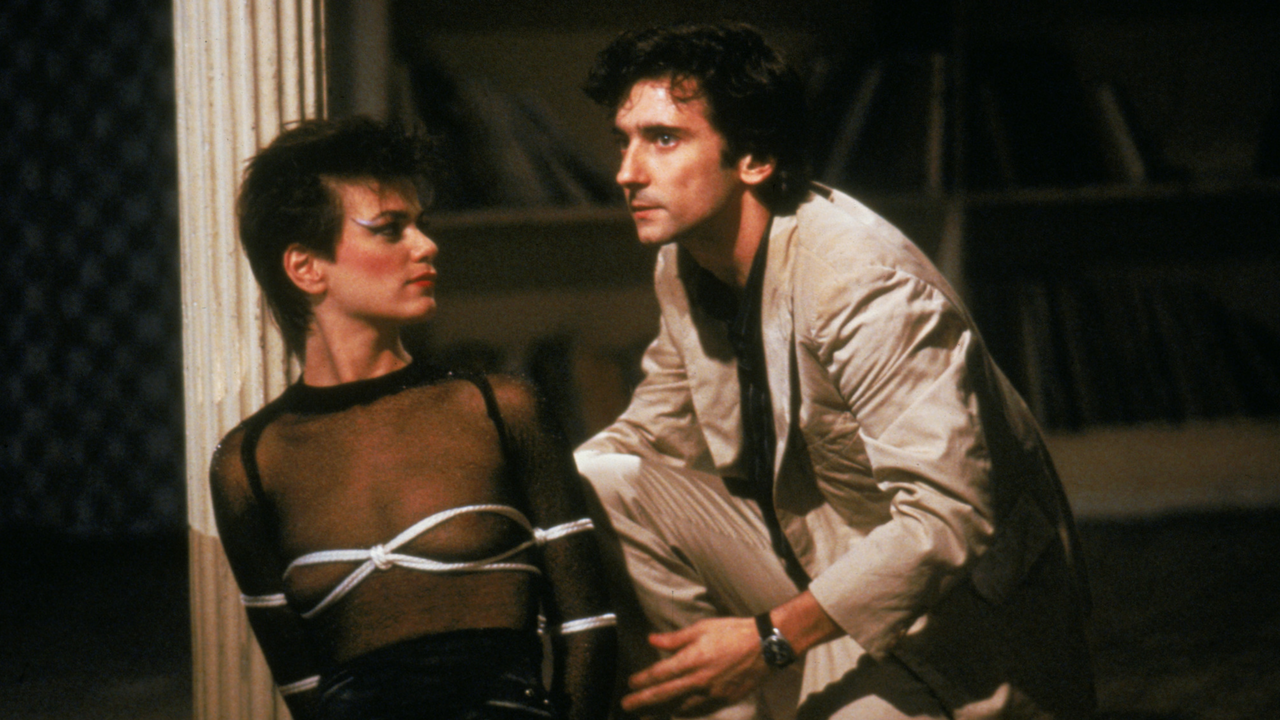
- 1985 – After Hours
- 1986 – The Color of Money
- 1988 – The Last Temptation of Christ
- 1989 – New York Stories
- 1990 – GoodFellas
- 1991 – Cape Fear
- 1993 – The Age of Innocence
- 1995 – Casino
- 1995 – A Personal Journey with Martin Scorsese Through American Movies [TV]
- 1997 – Kundun
- 1999 – Bringing Out the Dead
- 1999 – My Voyage to Italy
- 2002 – Gangs of New York
- 2004 – The Aviator
- 2005 – No Direction Home: Bob Dylan [TV]
- 2006 – The Departed
- 2008 – Shine a Light
- 2010 – A Letter to Elia
- 2010 – Public Speaking
- 2010 – Shutter Island
- 2011 – George Harrison: Living in the Material World
- 2011 – Hugo
- 2013 – The Wolf of Wall Street
- 2016 – Silence
- 2019 – The Irishman
- 2019 – Rolling Thunder Revue: A Bob Dylan Story by Martin Scorsese
- 2023 – Killers of the Flower Moon
- Catholic Guilt and Redemption: Scorsese’s Catholicism isn’t background colour — it’s structural. His protagonists are almost always caught between sin and the possibility of grace, between what they’ve done and what they might yet become. The confessional logic runs through Mean Streets, Taxi Driver, Raging Bull, Bringing Out the Dead and Silence alike, even when the setting is ostensibly secular.
- Masculine Identity and Self-Destruction: His male protagonists tend to be men whose sense of self is so fragile and so violently defended that it becomes the instrument of their own undoing. Jake LaMotta, Travis Bickle, Howard Hughes, Jordan Belfort — the self-destructive pattern varies in its expression but not in its underlying logic.
- The American Dream as Seduction and Trap: Scorsese’s gangster films in particular treat the American Dream with clear eyes — it’s real as aspiration, corrupt as achievement. Goodfellas makes the life look genuinely appealing before showing what it costs. The Wolf of Wall Street does the same for legitimate capitalism with arguably more damning implications.
- Loyalty, Betrayal and Codes of Honour: The communities in his films — the mob, the boxing world, the neighbourhood — operate according to codes that are taken seriously even as they’re shown to be brutal and ultimately untenable. Betrayal in Scorsese is never simple; it’s always the collapse of something that had genuine value.
- Cinema as Memory and History: Particularly in the later work, Scorsese is interested in how stories get told and who gets to tell them. The Irishman is as much about the unreliability of the narrator as it is about the events narrated. Hugo is literally about film preservation. The medium itself keeps becoming the subject.
- Music as Emotional Architecture: Scorsese doesn’t score his films in the conventional sense — he builds sequences around pre-existing recordings chosen from an encyclopaedic personal knowledge of popular music. The Stones, Clapton, Nilsson — the songs don’t illustrate the action, they reframe it, often creating an ironic counterpoint between what the music feels like and what we’re watching.
- The Tracking Shot as Immersion: The Copacabana shot in Goodfellas, the Raging Bull ring entrances, the opening of Gangs of New York — Scorsese uses extended tracking shots not just as technical display but as a way of placing the viewer inside a world before the narrative has fully established it.
- Freeze Frame and Voiceover: The combination of freeze frame, direct address and voiceover that structures Goodfellas and The Wolf of Wall Street creates a specific relationship with the audience — complicit, seduced, implicated. The narrator is unreliable and the form makes you aware of the unreliability.
- Editing as Rhythm: The collaboration with Thelma Schoonmaker across four decades has produced a house style of extraordinary precision — cuts that fall on musical beats, sequences that compress time through rapid montage, action scenes that use slow motion not for beauty but for weight.
- Expressionist Violence: Violence in Scorsese is never casual or purely functional. The ear scene in Reservoir Dogs — wrong director. The Pesci scenes in Goodfellas, the final shoot-out in Taxi Driver, the fights in Raging Bull — each is staged to make the violence felt rather than just seen, its consequences physical and moral simultaneously.
- The Cinephile’s Cinema: More than any other director of his generation, Scorsese makes films saturated with film history — Powell, Minnelli, Rossellini, Cassavetes all surface as visible presences. This isn’t pastiche; it’s a filmmaker thinking through his influences in public, making the tradition part of the conversation.
- New York as Moral Universe: Even when Scorsese leaves the city — Gangs, The Aviator, Silence — his films carry a New York moral geography, a world of neighbourhoods and codes and loyalties where geography determines destiny.
- The Collaboration as Constant: Scorsese’s career is defined by sustained creative partnerships — De Niro across eight films, DiCaprio across six, Schoonmaker across virtually everything. These aren’t just working relationships; they’re the films themselves, the accumulated trust producing performances and editing rhythms that couldn’t exist otherwise.
- The Religious Film in Secular Clothing: Goodfellas is a morality play. Taxi Driver is a descent and incomplete ascent. Silence makes the theological argument explicit that most of his films leave implicit. The Catholic framework organises his cinema even when God is nowhere in the frame.
- Advocacy as Extension of Practice: The Film Foundation, the World Cinema Project, the championing of specific filmmakers in essays and documentaries — Scorsese’s public role as cinema’s conscience is continuous with his filmmaking, not separate from it. Both come from the same conviction that films matter and that the past is worth preserving.
Read More About Martin Scorsese
Coming soon as posts added