
The decade of the 1900s heralded the birth of a cohort of filmmakers who would go on to be pivotal in the evolution of cinema, each bringing their unique vision and style to the silver screen. This era saw the emergence of directors like Luis Buñuel, David Lean and Elia Kazan, who would push the boundaries of storytelling and technical innovation in film. Their works spanned from the golden age of Hollywood to the neorealist streets of Italy, showcasing a range of genres and styles that were as diverse as their backgrounds.
David Hand, an animator and director best known for his work with Walt Disney Studios, contributed significantly to the early animation classics, including “Snow White and the Seven Dwarfs.” Across the Atlantic, Spanish director Luis Buñuel was forging a path with his surrealist masterpieces, often filled with sharp social commentary and dream-like sequences that challenged viewers’ perceptions of reality. Jean Negulesco made his mark in Hollywood with film noirs and romances, while Robert Siodmak’s thrillers would help define the film noir genre with their moody atmospherics and complex narratives.
The Italian Vittorio De Sica and Frenchman Robert Bresson were instrumental in the evolution of cinematic realism. De Sica’s films, such as “Bicycle Thieves,” were poignant in their simplicity and powerful in their emotional impact, becoming cornerstones of Italian neorealism. Bresson’s minimalist approach to narrative and performance would influence generations of filmmakers with his belief in the “cinematography” that transcends traditional theatre. German-born Max Ophüls was renowned for his fluid camera movements and complex storytelling, while a blend of humour and humanity marked Boris Barnet’s contributions to Russian cinema.
American cinema, too, was shaped by the talents of this generation. William Wyler’s “Ben-Hur” and “The Best Years of Our Lives” showcased an epic scale and deep humanism. Vincente Minnelli’s flair for vibrant musicals and melodramas was evident in classics like “Meet Me in St. Louis.” Their contemporary, John Huston, known for “The Maltese Falcon” and “The Treasure of the Sierra Madre,” displayed a knack for gritty realism and compelling character studies.
In contrast to these epic and realist narratives, filmmakers like Jacques Tati and Henri-Georges Clouzot brought their distinct touch to European cinema. Tati’s playful, almost dialogue-free comedies commented on modernity and tradition, while Clouzot’s thrillers, such as “The Wages of Fear,” were tense and psychological. Meanwhile, British directors such as David Lean were creating sweeping epics like “Lawrence of Arabia,” which showcased the vast potential of the cinematic landscape.
This diverse group of directors, born at the dawn of the 20th century, shared a common pursuit: to explore the human condition through the lens of their cultural and personal experiences. They were all storytellers at heart, seeking to convey truth, beauty, drama, and sometimes humour through a medium that was coming of age along with them. Their legacies are found not only in the films they left behind but also in the inspiration they provided for future generations of filmmakers who continue to draw from their innovations and visions.
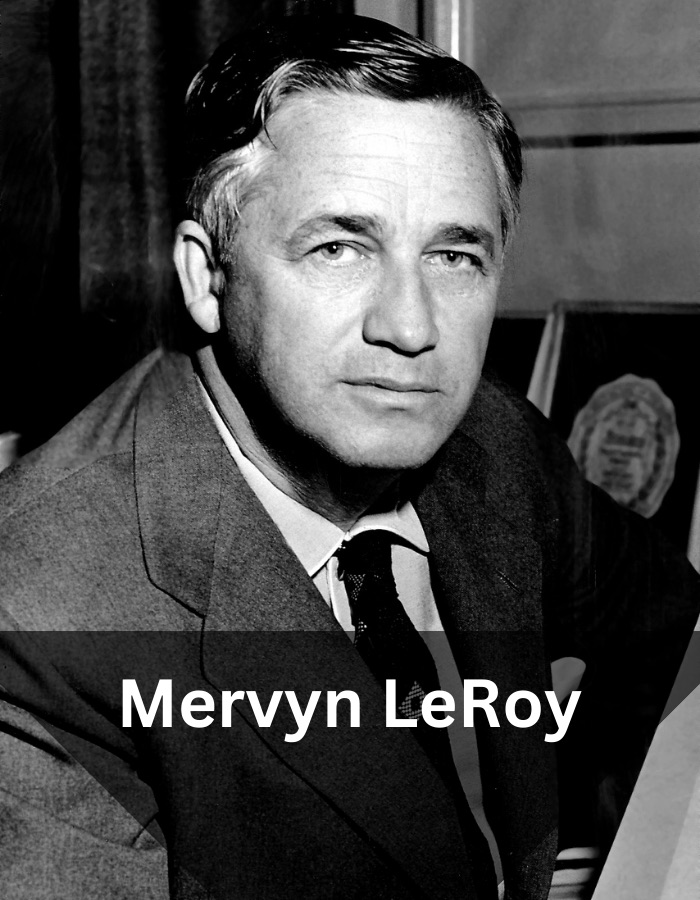
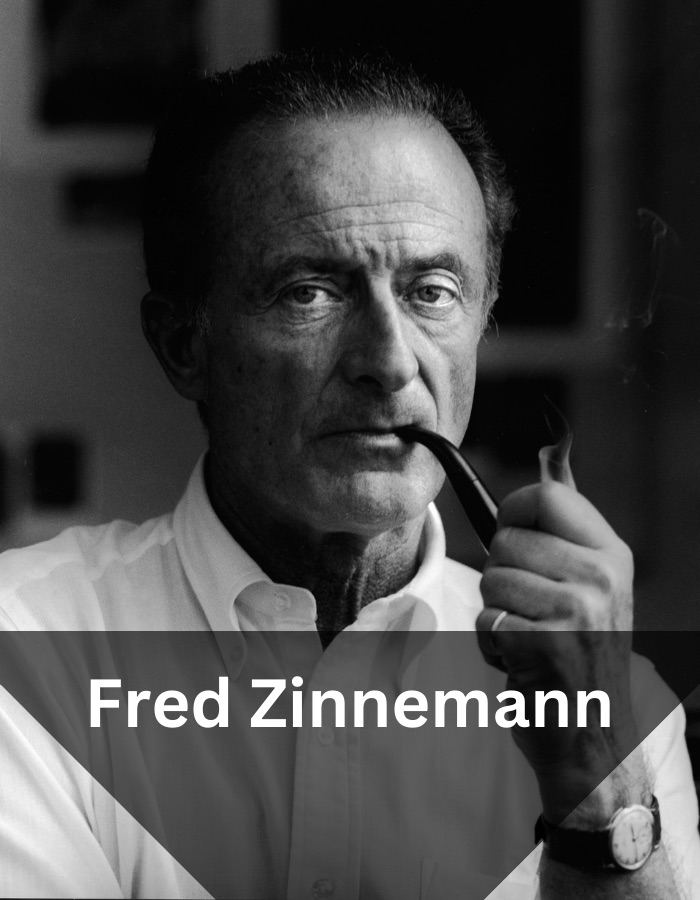
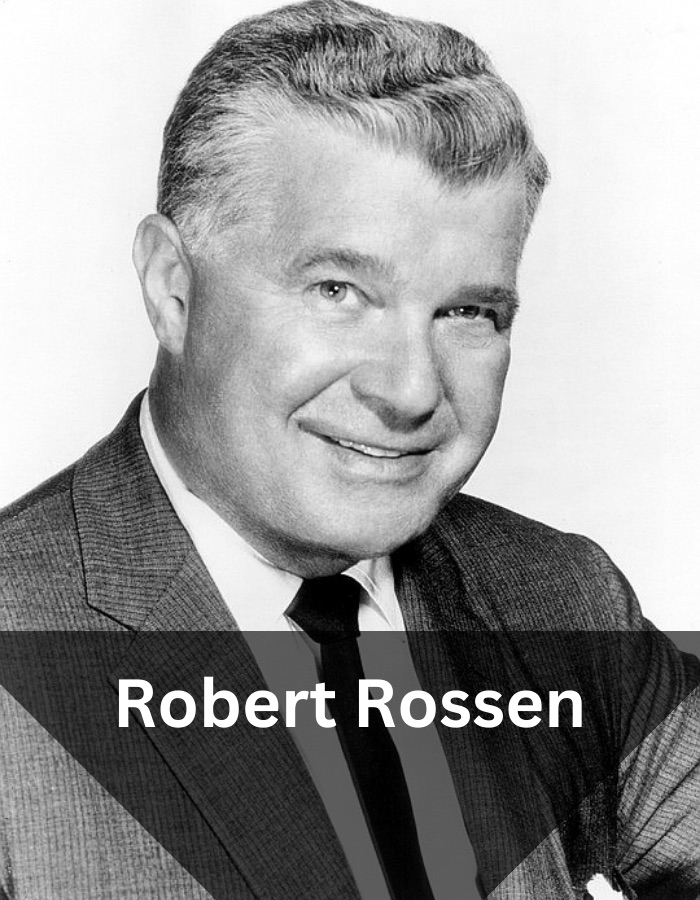
Click on the directors’ pictures to look at their profiles.







































 Bronze Screen Dream