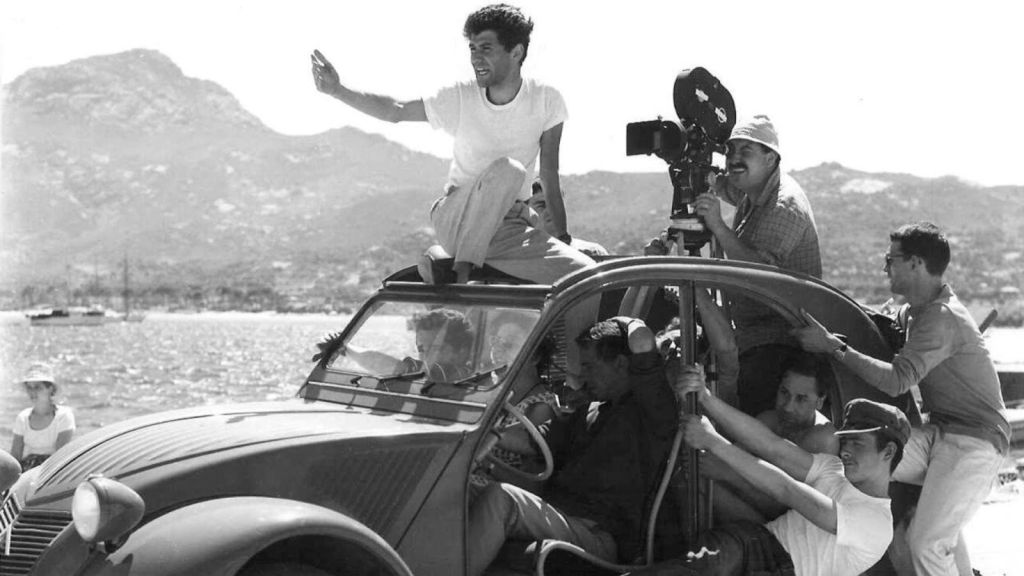
Jacques Rozier made five features across forty years, which tells you something about both his working method and his relationship with the French film industry. He was admired by Godard, championed by Truffaut, praised by Pialat, cited by directors across multiple generations as an essential figure, and then largely unable to get his films funded. The reputation and the filmography exist in a ratio that makes no conventional sense, except that the films themselves, once seen, make the reputation entirely comprehensible.
He came up through the early shorts, La Rentrée des Classes, Blue Jeans, that showed him already doing what he’d spend his career doing: dropping a camera into the middle of young people living their lives and following what happened with complete attentiveness and minimal interference.
The film that tied him forever with the New Wave was Adieu Philippine in 1962. It had a lot in common with the movement; the same handheld style, Paris, non-professional casts, but it replaced the existential urgency of the movement with lightness and joy. A young TV technician spends his last weeks before military service in the company of two inseparable women, and the Algerian War looms at the edge of everything without ever breaking into the foreground. Truffaut called it a masterpiece; typically, then, it was a commercial failure.
The nine years between Adieu Philippine and Du côté d’Orouët are mostly production difficulties and abandoned projects, a pattern that would repeat. Du côté d’Orouët, three young women on a Brittany holiday, a 16mm observational work that unfolds at the pace of an actual holiday, emerged and then largely disappeared until its rediscovery. Maine Océan in 1986, his most purely comic work, is now considered his masterpiece by many: ticket inspectors, a Brazilian dancer, a maritime lawyer, the Atlantic coast, and a film that finds the absurdity and warmth of human contact in the gaps between plot.
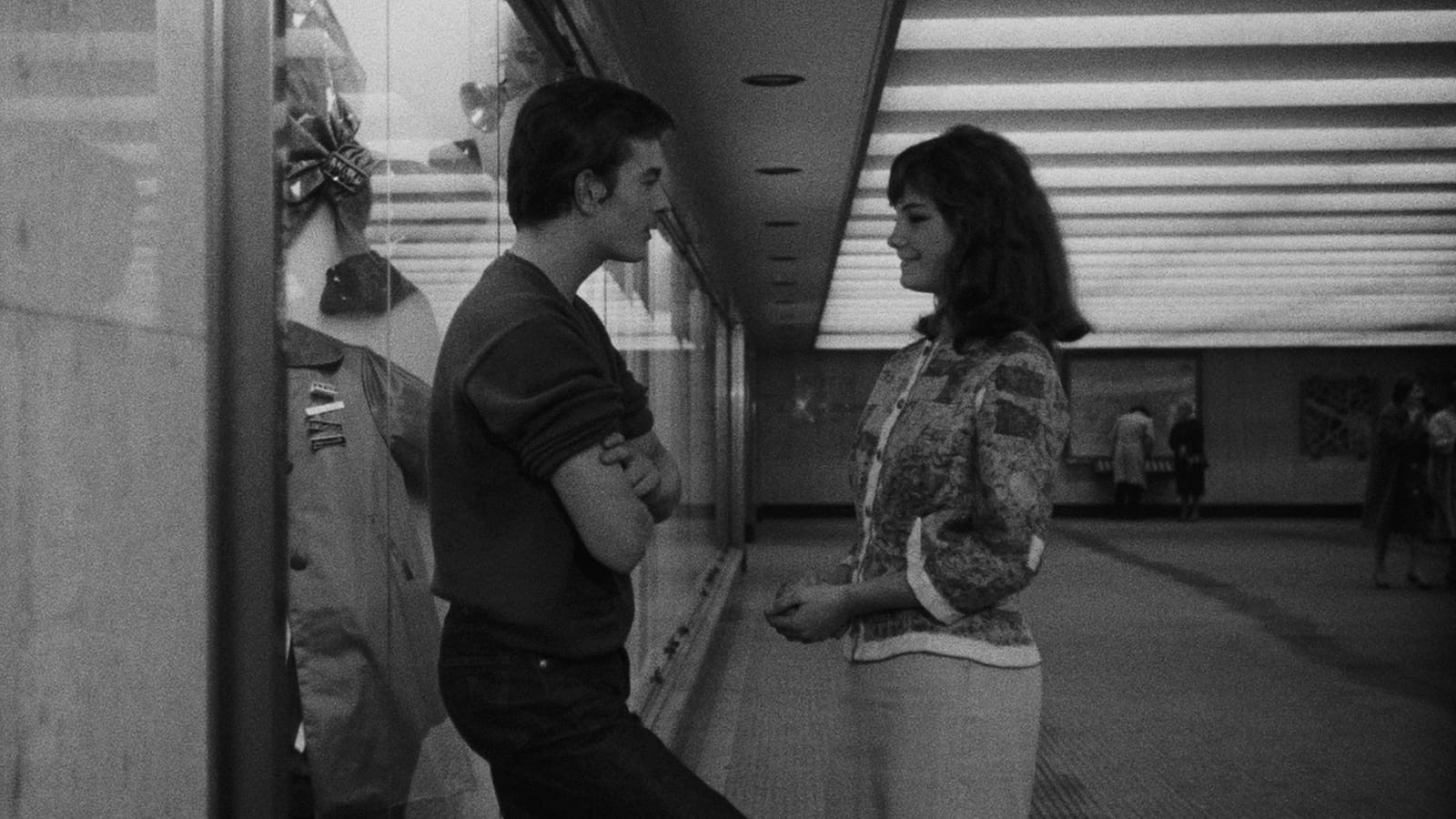
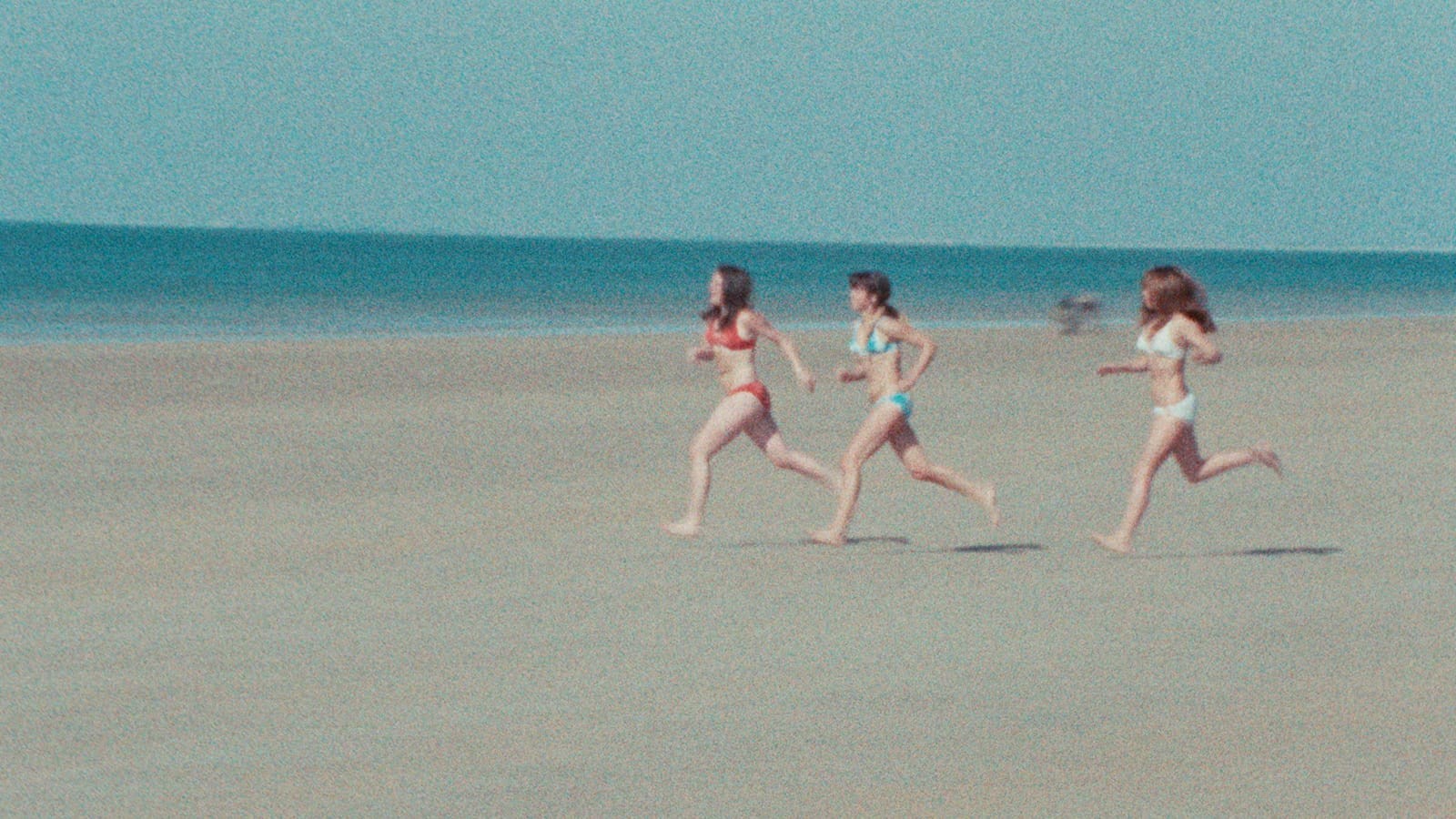
Jacques Rozier (1926 – 2023)
- 1955 – Rentrée des classes
- 1962 – Adieu Philippine
- 1971 – Du Cote d’Orouet
- 1976 – The Castaways of Turtle Island
- 1986 – Maine Ocean
- 1992 – Revenez, plaisirs exilés! (Alceste) [TV]
- 2001 – Fifi Martingale
- Radical Spontaneity and Pure Improvisation: Rozier’s films aren’t rigid things. They feel real, they feel lived, not written. The narratives unfold with the same unpredictable, digressive quality as the days they depict.
- The Deferred Idyll and Illusory Utopias: The pursuit of a perfect, unreachable moment runs through everything. The summer holiday threatened by the encroachment of military service in Adieu Philippine, the coastal vacation drifting toward its end in Du côté d’Orouët, the absurdist island paradise of Les Naufragés de l’Île de la Tortue. Rozier extracts genuine emotional weight from the knowledge that the idyll is temporary or impossible, while occasionally finding it (unexpectedly) realised in moments of spontaneous human cooperation like those in Maine Océan.
- Carnivalesque Comic Lightness: Where the New Wave more typically reached for existential unease or political urgency, Rozier reached for comedy. The influence is Renoir’s humanism and Vigo’s surreal dailiness rather than Godard’s restlessness or Truffaut’s melancholy. The characters encounter bureaucratic absurdity, language barriers, the ordinary mishaps of travel, and the tone remains fiercely resistant to tragic or tidy resolution.
- Anarchic Treatment of Time and Pacing: Standard narrative economy was simply not a constraint Rozier accepted. Scenes stretch beyond their dramatic necessity to capture a mood; a kitchen sequence becomes a protracted rhythmic set-piece; transitions meander. The films are structured around episodic wandering rather than cause-and-effect plotting, allowing time to unfold at its own pace rather than the pace the industry expected. This earned him a reputation as a dilettante and produced some of the most purely alive French films of the period.
- Coastal Landscapes and the Geography of Freedom: The coast in Rozier’s films aren’t just a setting. They’re social structures that constrain his characters. Following the marine landscapes of Jean Epstein rather than the urban geography of most New Wave cinema, Rozier used the ocean and the coast as spaces where people are forced into the immediate present, identity loosened, movement the only constant.
- Emmanuel Mouret
- Eric Rohmer
- François Reichenbach
- François Truffaut
- Guillaume Brac
- Guy GIlles
- Jacques Demy
- Jean-Daniel Pollet
- Jean Renoir
- Luc Moullet
Biography
Coming soon

