
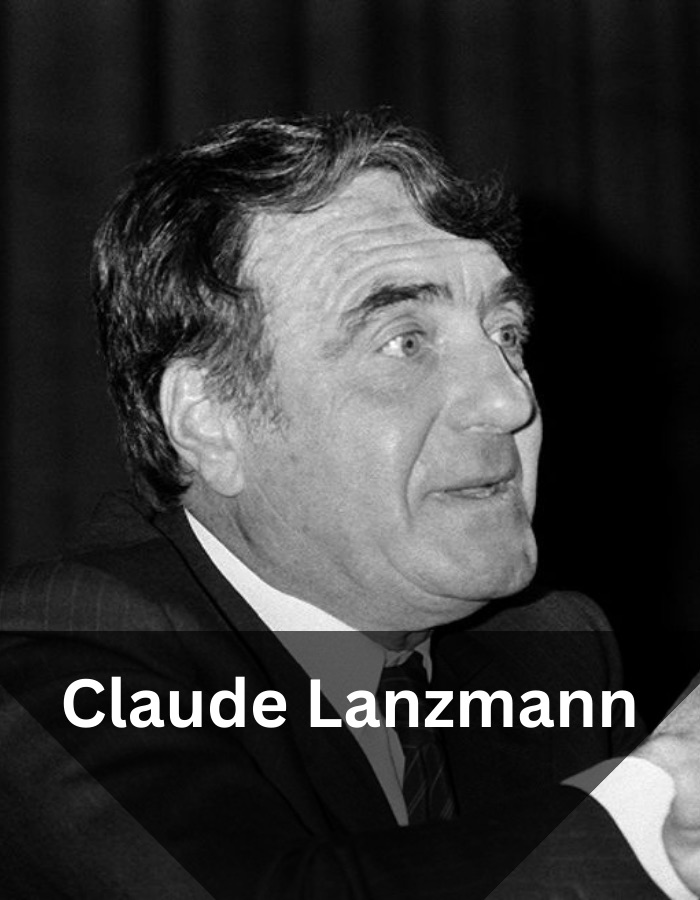
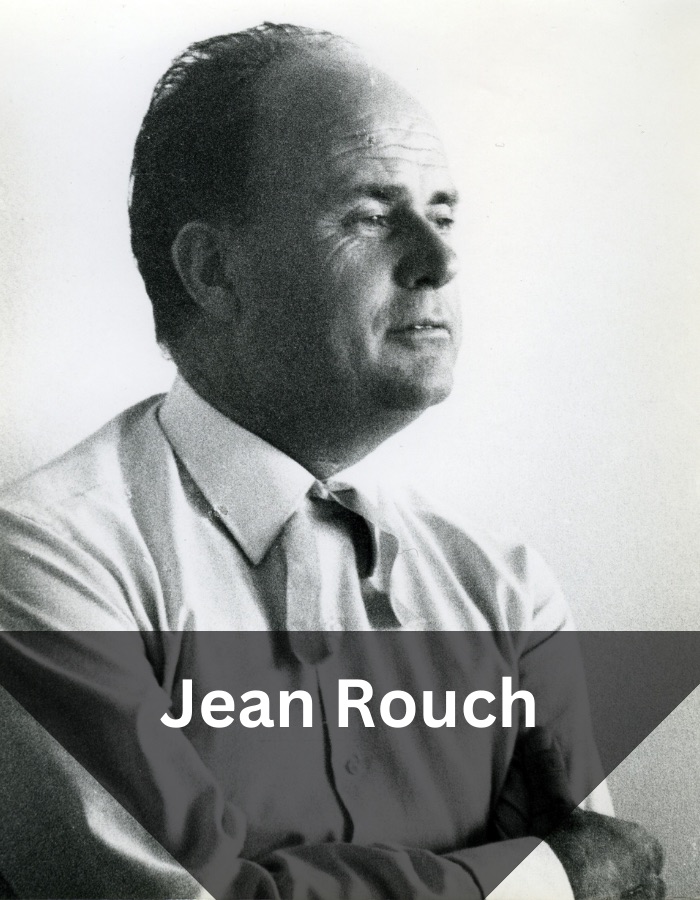
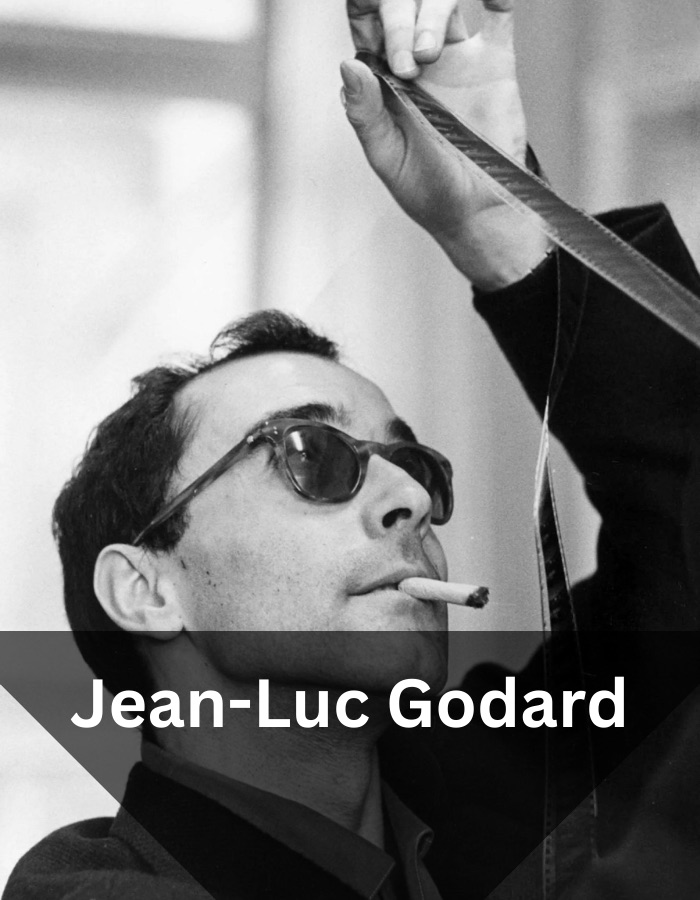
Below are some of the best French directors ever. Click on their pictures to discover more about them. This category covers a broad spectrum of directors.



A Brief History of the Cinema Verité
French cinema vérité, a film movement that emerged in the 1960s, represents a pivotal moment in the history of documentary filmmaking. This style, inspired by the concept of ‘truth’ in cinema, sought to present a more natural and authentic depiction of life, as opposed to the staged and scripted approach of traditional filmmaking. Pioneers like Jean Rouch and Edgar Morin played a significant role in defining this genre. Their works, such as “Chronique d’un été”, are exemplary, blending spontaneous interactions with minimal intervention from the filmmakers. This approach was revolutionary, as it captured the essence of real-life experiences and societal issues, making the audience more than mere observers but participants in a shared reality.
The technical aspects of cinema vérité also contributed to its distinctiveness. The use of handheld cameras and natural lighting, coupled with the absence of elaborate sets, enabled filmmakers to record events more organically and unobtrusively. This technical simplicity allowed for greater mobility and access to diverse locations and subjects. Furthermore, the emphasis on diegetic sound – sound naturally occurring in the scene – reinforced the authenticity of the films. This innovative use of technology not only shaped the aesthetics of cinema vérité but also influenced the evolution of documentary filmmaking globally.
In terms of thematic content, French cinema vérité often focused on social and political issues, reflecting the turbulent times of the 1960s. It delved into the lives of ordinary people, exploring their daily struggles, joys, and the complexities of human relationships. This focus on real-life scenarios provided a stark contrast to the escapist narratives prevalent in mainstream cinema. By highlighting societal issues and giving a voice to the marginalised, these films played a crucial role in social commentary and critique.
The influence of cinema vérité extends beyond its era and geographical origins. It has inspired numerous filmmakers around the world and has led to the emergence of similar movements, such as the Direct Cinema in North America. The principles of cinema vérité – such as the observer’s paradox, where the presence of the camera inevitably influences the subject – continue to be subjects of discussion and analysis in documentary filmmaking.
 Bronze Screen Dream