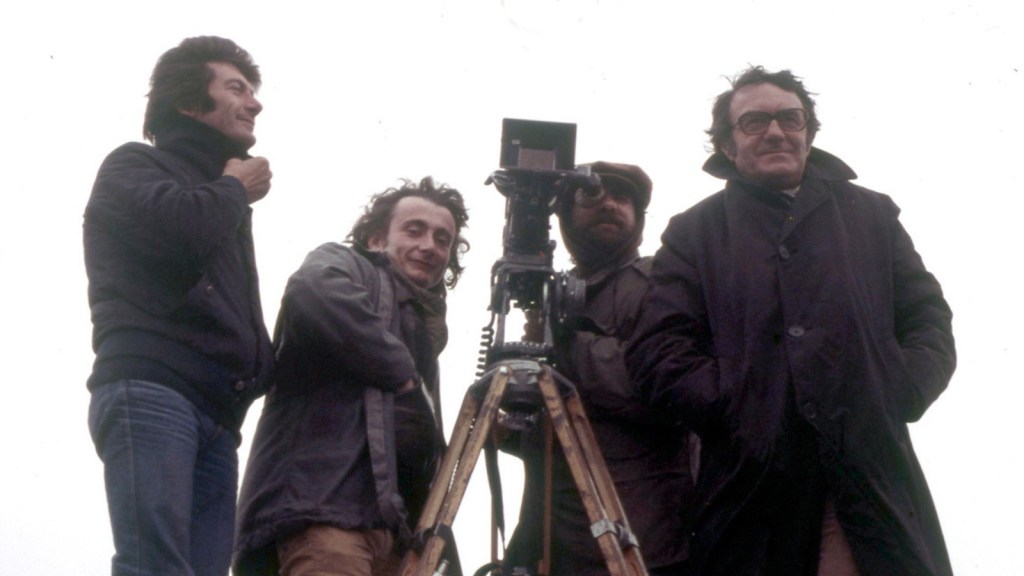
Claude Lanzmann spent twelve years making Shoah and the rest of his career in its shadow. Shoah is one of those works that genuinely reconfigures what you think documentary film can do, and spending a career in relation to it is not the worst fate for a filmmaker.
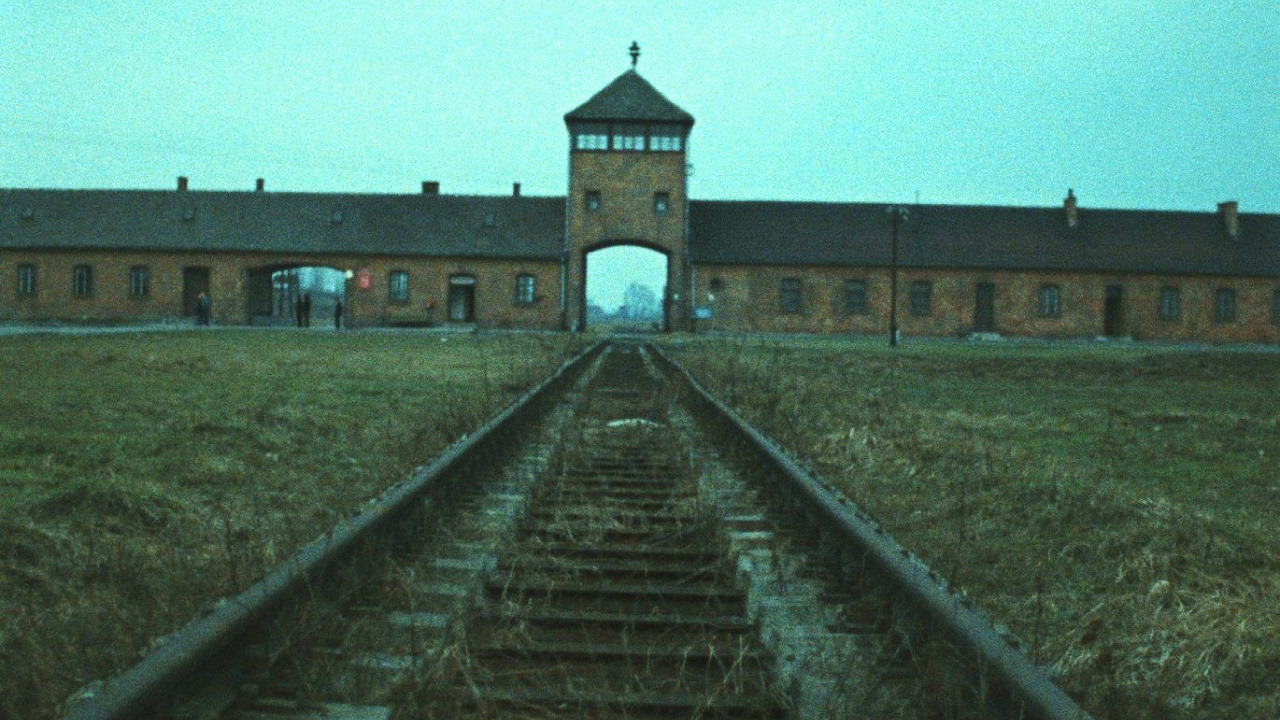
The decision not to use archival footage was the founding methodological choice, and everything else follows from it. Lanzmann’s argument was that the images of the camps (the liberation photographs, the footage from the trials) had become, through repetition, a kind of screen between the viewer and the reality they depicted. They had been looked at so many times that they no longer transmitted the event. So Shoah works instead through the present tense: survivors returning to the places, speaking in their own voices, now, on camera, with the landscape behind them that is still there and looks almost ordinary. The horror arrives through that ordinariness rather than through images of atrocity.
The film is nine and a half hours long and doesn’t feel it, which is its own kind of achievement. The extended interviews were all gained through various methods. Some coaxed over days, some almost-casual, some traumatising. Together, they accumulate into something that feels less like a documentary and more like an act of witness with the camera as the witness’s instrument.
Beyond his filmmaking, Lanzmann was a titan of the French post-war intellectual world. He was a journalist, resistance fighter, lover of de Beauvoir and editor of Les Temps Modernes for decades.

Claude Lanzmann (1925 – 2018)
- 1973 – Pourquoi Israël
- 1985 – Shoah
- 1994 – Tsahal
- 2001 – Sobibór, October 14, 1943, 4 p.m.
- 2013 – The Last of the Unjust
- 2017 – Napalm
- 2018 – Shoah: Four Sisters [TV]
- The Present Tense of the Past: Shoah‘s radical methodological choice (no archive, only the present) is a philosophical position about how historical trauma works. The past is not over; it lives in the bodies and voices of those who survived it, and the camera’s job is to make that visible rather than to illustrate it with images.
- Testimony as the Historical Record: Lanzmann’s films argue implicitly that firsthand testimony is not a supplement to historical documentation but its most irreducible form. The survivor speaking now, in this landscape, is the history, not the photograph of it.
- The Perpetrator and the Bystander: Shoah is unusual in giving sustained attention to perpetrators and bystanders alongside survivors, including some of the most morally uncomfortable interviews in documentary history. The methodology requires looking at all three positions to understand how the event was possible.
- Duration as Ethical Commitment: The length of Shoah is not indulgence but an argument that this subject cannot be summarised. The time taken to watch becomes a form of witness; looking away is a choice the viewer has to consciously make.
- Landscape as Witness: The fields, the tracks, the village of Chełmno — Lanzmann returns to the actual places and holds the camera there, letting the apparent ordinariness of locations where atrocity occurred become its own form of testimony. The landscape that looks normal is the horror.
- Alain Resnais
- Chris Marker
- Eyal Sivan
- Harun Farocki
- Joshua Oppenheimer
- Kazuo Hara
- Marcel Ophuls
- Patricio Guzmán
- Rithy Panh
- Ruth Beckermann
Biography
Coming soon
 Bronze Screen Dream