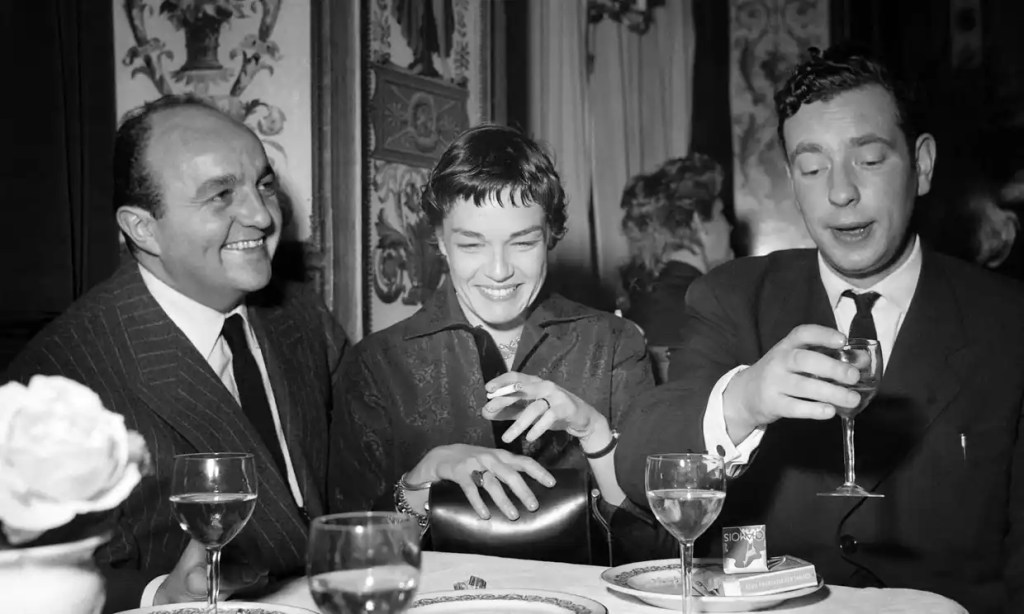
Alexandre Astruc matters more as a theorist than his relatively modest filmography might suggest, which is an unusual position to be in and one he occupied with considerable grace. His 1948 essay, Naissance d’une nouvelle avant-garde: la caméra-stylo, was the founding document of the auteur idea before anyone called it that: the argument that cinema could be a means of personal expression as flexible and intimate as a writer’s pen, that the director was the author of the film in the same way that a novelist is the author of a book. Truffaut’s A Certain Tendency and Bazin’s theoretical writings built on this, and the New Wave directors who formed around Cahiers acknowledged the debt. Astruc laid the ground they stood on.
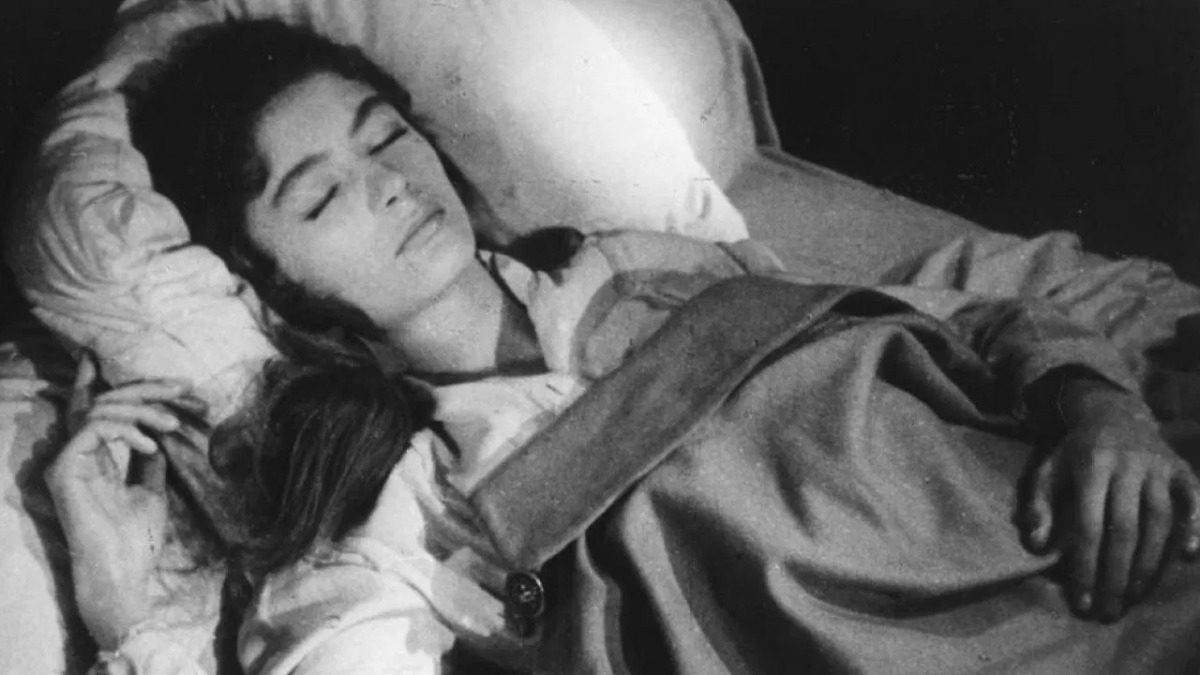
He came from journalism and was a successful novelist before he became a filmmaker. He came from the Saint-Germain-des-Prés intellectual world of Boris Vian and Jean-Paul Sartre and brought that formation directly into his films. His first significant short, Crimson Curtain, won the 1952 Prix Louis Delluc. His theory was all there: Narration replaced by first-person voiceover, precise camera movement. Anouk Aimée, luminous and slightly unknowable, was already the right presence for what he was doing.
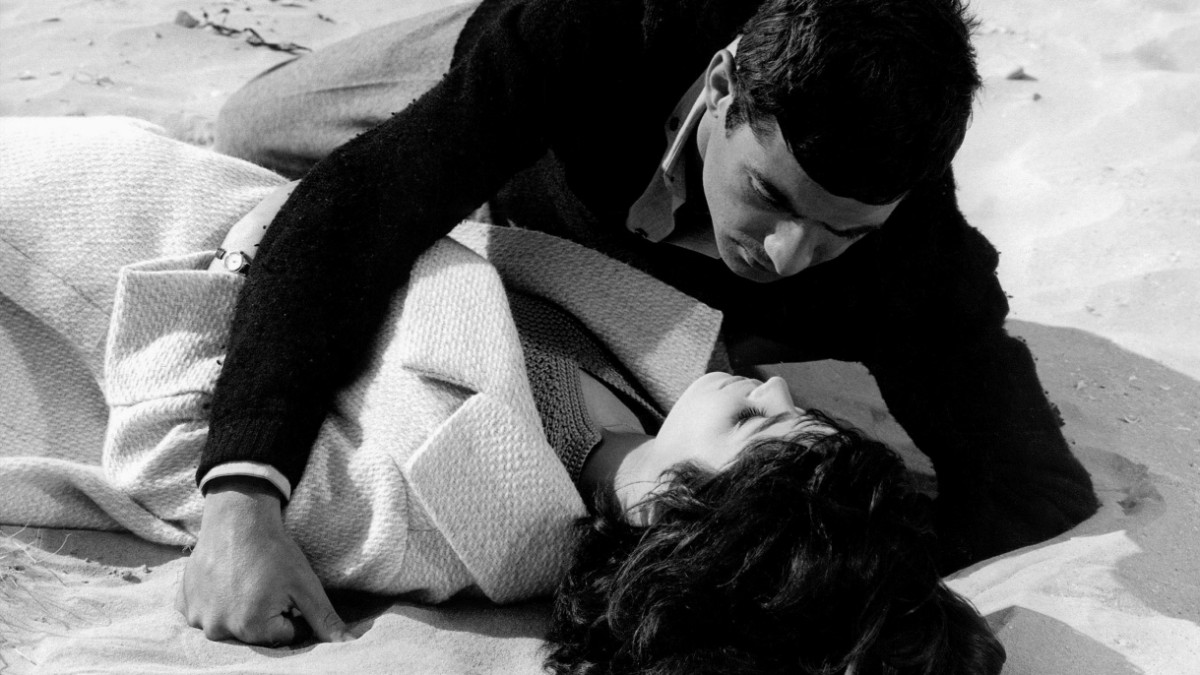
Les Mauvaises Rencontres and Une Vie, his two strongest features, are where the practice most closely matches the theory. Godard praised Une Vie in Cahiers with unusual enthusiasm, and the admiration was specific: the rigour of the construction, the simplicity of the means, the way the camera’s movement did the emotional work that other filmmakers gave to music or editing. These are genuine achievements even if the career never quite sustained the initial promise.
The television work occupied much of his later years, which is not an unusual trajectory for French directors of his generation who found the feature film system unwilling to sustain their more rigorous ambitions. The theory survived and expanded. The films are there for those willing to find them.
Alexandre Astruc (1923 – 2016)
- 1948 – Aller et retour
- 1949 – Ulysse ou les Mauvaises Rencontres
- 1952 – The Crimson Curtain
- 1955 – Les Mauvaises Rencontres
- 1958 – End of Desire
- 1961 – Shadow of Adultery
- 1962 – L’Education sentimentale
- 1965 – Evariste Galois
- 1966 – La Longue Marche
- 1968 – Flammes sur l’Adriatique
- 1976 – Sartre by Himself
- Meaning Inside the Frame: Astruc had a specific technical argument: That the way most films created significance through montage, cutting to a symbol to indicate an emotion, was a crutch that revealed cinema’s immaturity. His films work the other way: the camera moves through a scene, staging clarifies relationships, and the meaning emerges from what you’re watching as it unfolds rather than from the collision of images. It’s a demanding type of cinema; you have to look rather than be told.
- Directing as Writing: The caméra-stylo essay is famous enough to have become a cliché, but the actual practice behind it is specific and often missed. For Astruc, the director and the screenwriter had to be the same person because the script was not a blueprint for staging; it was already the film in another medium, and the translation into images had to be as personal and as precise as the original act of writing.
- Literature as Structural Scaffold: He adapted Barbey d’Aurevilly, Maupassant, and Flaubert, but the adaptation isn’t the point. The texts provide architecture: a situation, a set of constraints, a psychological problem. What Astruc is actually interested in is the abstract and philosophical content that the surface narrative contains, and he strips away everything else to get to it. The resulting films often feel remote from their source material in entirely deliberate ways.
- Women in Enclosed Worlds: The women at the centre of his films are trapped. By social expectation, by marriage, by the particular pressure that postwar Parisian society placed on female ambition and autonomy. Astruc observes this with the precision of a novelist who has lived in the same milieu rather than the distance of a social critic. The entrapment is psychological as much as structural, and the films don’t offer resolution because he understood there wasn’t one available.
- The Film That Arrived Too Early: There’s a melancholy to Astruc’s position in film history. The theorist whose practice preceded the movement it theorised. By the time the New Wave validated everything he’d argued, his own films that’d laid the groundwork had become hard to see.
Biography
Coming soon

