Manoel de Oliveira made a career out of being the oldest living filmmaker; every profile about him and his work (Including ours) will go on and on about how long he worked and how he saw movies grow from shorts in picture houses to CGI-filled adventures. No directors alive today are even close to Oliveira’s 106 years on earth, proving that he was a true one-off. None of today’s filmmakers are really that close to Oliveira’s record, and very few over 90 years old are actively working on films, but some senior directors are getting close.
We’re talking about directors who’ve seen it all. Some started their careers in the 1940s, and some picked it up later in life, but they’ve all seen a lot, and many of them are still going. A lot has been said about Clint Eastwood’s new film and about how it might be his last one yet. That’s sad, but it’s also incredibly impressive to imagine him still making movies; who knows, perhaps he’s got another 12 years left in him like Oliveira did.
There are quite a few lists that attempt to list all the oldest living directors, but this one tries to push the barrier just a bit, just enough, to include 100 directors. There is no way that this is a finalised list, as there are almost certainly directors hiding under rocks or else just not noted down due to happenstance. As I work on the various profiles and BTS of this site, I make note of every director I mention for a project I’m working on; I pull from this list for this article. If you happen to notice I’ve forgotten a director, please tell me; I’d like this to be as factual as possible.
Originally, I wrote as ‘up to date’ as possible instead of factual, but that made me consider something: this list is depreciating by the second; unless I decide to keep updating it, it will be out of date very quickly, as all of the people on the list are well above the average human age. Frankly, I think updating the list means this loses its time capsule value, so I have no interest in that. So, we’re timing this as of early February 2024. In a year, perhaps I will revisit the list and post an updated one; I’m not sure.
A few notes before the article itself: Firstly, technically, first on the list should be Edgar Morin, the 102-year-old director who co-directed Chronicle of a Summer with Jean Rouch; however, seeing as this was his only directed film and he is far better known in other fields, I thought including him wouldn’t feel quite correct, as is it really fair to call him a director?
I’d also like to note the directors who passed who would have been on the list as I was either working on this list or just before I did. Norman Jewison and Janusz Majewski.
The 100 Oldest Living Directors
Honourable Mentions: Pao Hsueh-Li (ca. 1936), Larry Gottheim (3rd December 1936), Josaffina Molina (14th November 1936), Stephanie Rothman (9th November 1936)
100. Philip Kaufman
Born: 23rd October 1936 (87 Years Old)
Conveniently, the first director (or the last?) on the list is a pretty big name. You’ll know Philip Kaufman from the likes of The Right Stuff or The Wanderers or in the sci-fi classic Invasion of the Body Snatchers (Not the original; he’s not that old.) Kaufman’s films often explore complex characters and intricate narratives, delving into themes of human sexuality, political and social issues, and the conflict between individual desires and societal norms.
99. Nedeljko Dragic
Born: 13th September 1936 (87 Years Old)
Nedeljko Dragic’s name might not jump out at you, but if you’ve ever explored Eastern European animation. Known predominantly for his work in animated shorts, his storytelling is marked by a distinctive blend of satirical wit and poignant commentary on human nature and societal quirks.
98. Martin Rosen
Born: 31 August 1936 (87 Years Old)
Ever had your childhood ruined by an animated film? Then you’ve probably blocked out the name Martin Rosen, the director of soul crushing films like Watership Down. His work reflects a keen interest in the delicate balance of nature, the brutality of survival, and the poignant exploration of leadership and camaraderie often set against the backdrop of the English countryside’s serene beauty and harsh realities.
97. Philippe Labro
Born: 27th August 1936 (87 Years Old)
A French director who is best known for films like “L’Héritier” and “Sans mobile apparent,” which explore identity, the labyrinth of the human psyche, and the stark, often brutal contrasts between social facades and intrinsic truths.
96. Robert Redford
Born: 18th August 1936 (87 Years Old)
Not just an actor. Robert Redford’s touch can be seen all over cinema, from early Arthur Penn films to the latest indies (thanks to his Sundance festival). Never satisfied to rest on his laurels, Redford took to the director’s chair with Ordinary People, for which he quickly snapped up the Oscar for Best Director. His films often reflect a deep fascination with the nuances of the human condition, the rugged beauty of the American landscape, and the intricate dynamics of familial and societal relationships.
95. Jorge Sanjines
Born: 31st July 1936 (87 Years Old)
The forgotten face of Third Cinema, Jorge Sanjines’ output might be minor in volume, but it isn’t minor in value. His best-known works are “The Blood of the Condor” and “Ukamau,” which are characterised by a deep empathy for Bolivia’s indigenous populations and a fervent critique of colonial and neo-colonial impacts. His approach to filmmaking, marked by collaborative processes with indigenous communities and the use of Quechua and Aymara languages, underscores a revolutionary stance not just in content but in the very act of film production.
94. Piotr Kamler
Born: 30th June 1936 (87 Years Old)
Perhaps the least well-known name on this list, Piotr Kamler, doesn’t have an extensive body of work to point to, but he’ll always have his masterpiece. Chronopolis is a celebrated avant-garde film which creates a time-bending cityscape that defies the traditional confines of space and narrative, inviting viewers into a meditative exploration of time and existence. There might not be much to watch, but Chronopolis is one of the most mind-shaking films of all time.
93. Ken Loach
Born: 17th June 1936 (87 Years Old)
One of the most famous 87+-year-old directors alive. Since the mid-60s, Loach has fought the good fight for the working class on the silver screen. Still working (If The Old Oak wasn’t his last film), he continues to fly the red flag over his movies, continuing the traditions of British Kitchen Sink Realism. His films, such as “Kes,” “I, Daniel Blake,” and “The Wind That Shakes the Barley,” showcase a gritty realism and an unwavering commitment to social issues, highlighting the impact of economic and political forces on ordinary lives.
Loach’s work is characterised by a naturalistic style, using non-professional actors and real locations to enhance authenticity. His dedication to portraying the nuances of human resilience and vulnerability against a backdrop of systemic injustices, though with a distinctively raw, British lens, marks him as an all-time great.
92. Turker Inanoglu
Born: 18th May 1936 (87 Years Old)
With a body of work spanning 70 years in Turkish cinema, Turkey Inangolu has seen it all and made many Anatolian classics. Best known for their versatility, Inanoglu’s films often traverse a wide array of genres, from heartfelt dramas to lighthearted comedies, each carrying his distinct narrative flair and a keen eye for the human condition. His storytelling is marked by a profound empathy for his characters, exploring their inner worlds and the complexities of their relationships against the backdrop of Turkey’s evolving societal landscape.
91. Joel Seria
Born: 13th April 1936 (87 Years Old)
Best known for his controversial yet critically acclaimed “Don’t Deliver Us from Evil,” Seria’s work delves into the complexities of human nature, exploring the darker sides of desire and rebellion against societal norms. His films, while not as widely recognised as those of some contemporaries, are celebrated for their bold storytelling, intricate character development, and the ability to stir deep emotional responses, often leaving audiences pondering the delicate balance between morality and freedom.
90. Alan Alda
Born: 28th January 1936 (88 Years Old)
Unlike Robert Redford, Alan Alda’s directorial career never took off and won him an Oscar. Slowly, Alda created a series of gems that, upon review, perfectly capture the 70s/80s view of human emotions and relationships. His works, like “The Four Seasons,” often navigate the intricacies of personal connections, blending humour with poignant moments to explore themes of friendship, love, and the complexities of life.
89. Hans-Jurgen Syberberg
Born: 8th December 1935 (88 Years Old)
Hans-Jürgen Syberberg is an important figure in German cinema, renowned for his unique approach to filmmaking that seamlessly blends elements of theatre, literature, and opera. His magnum opus, “Hitler: A Film from Germany,” showcases Syberberg’s penchant for exploring profound historical and philosophical themes through an avant-garde lens, challenging conventional narrative structures and cinematic techniques. Syberberg’s work delves deeply into Germany’s cultural and psychological landscape, examining the complexities of its historical guilt and the intricate interplay between myth, identity, and collective memory.
88. Woody Allen
Born: 30th November 1935 (88 Years Old)
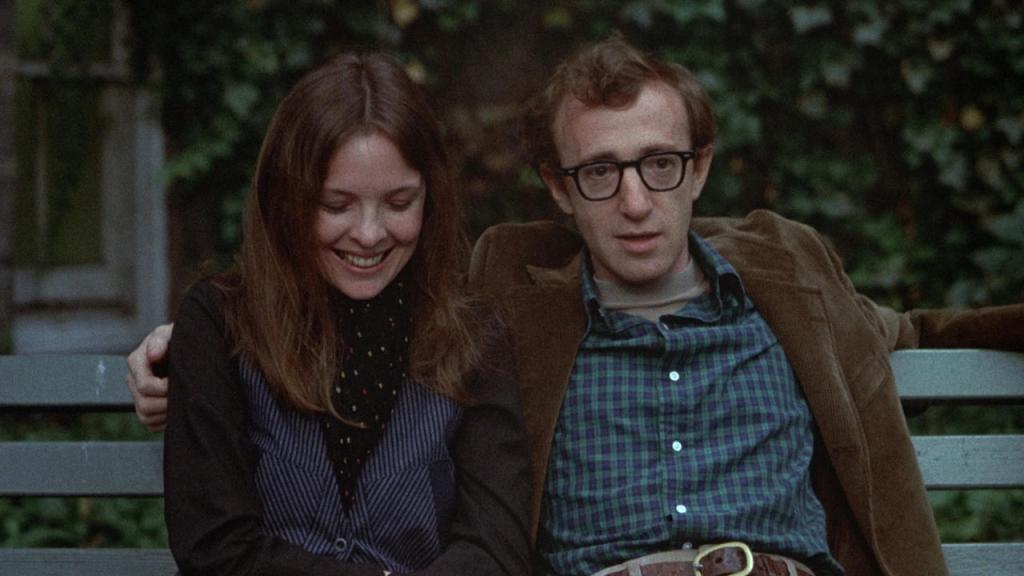
One of the most famous faces of cinema for decades, Woody Allen has held an incredible record of making a movie nearly every year, meaning he has made over 65 movies, and he’s still making them; last year, he made the largely ignored all-French Coup de chance. Allen, synonymous with New York City and its nuanced, neurotic charm, generally makes films that blend humour, wit, and existential musings. Known for classics such as “Annie Hall,” “Manhattan,” and “Midnight in Paris,” his work is characterised by his quintessential narrative voice, often exploring the intricacies of relationships, the absurdities of human nature, and the perennial quest for meaning in an often indifferent universe.
His films, frequently starring Allen himself in the quintessential role of the anxious, intellectual protagonist, offer a unique blend of comedy and drama, underscored by an underlying philosophical depth and sharp, observational humour that dissects the complexities of life and love in the modern world. While he is a figure of controversy nowadays, he is undoubtedly a titan of cinema.
87. Peter Watkins
Born: 29th October 1935 (88 Years Old)
There aren’t many filmmakers like Peter Watkins; you might know him for his impassioned, innovative works, which many directors have tried to copy, but all attempts have ended in weak imitations. Perhaps most recognised for his pseudo-documentary style, as exemplified in works like “The War Game” and “Culloden,” Watkins masterfully blurs the lines between fiction and reality, compelling viewers to question the very nature of media representation and historical interpretation.
His films frequently tackle significant social and political themes, utilising a unique form of docudrama to critically examine issues such as nuclear warfare, authoritarianism, and the media’s role in shaping public consciousness. Watkins’ commitment to exploring alternative narrative structures and his critical stance on mainstream media practices ensure he’s always remained a peripheral figure in mainstream movie discussion.
86. Vitali Kanevsky
Born: 4th September 1935 (88 Years Old)
Vitali Kanevsky is perhaps best known for his exploration of life in the USSR, as seen in his acclaimed film “Freeze, Die, Come to Life!” His narratives, often set against the backdrop of Soviet-era hardships, delve into the intricate dynamics of personal struggle, societal constraints, and the indomitable spirit of his characters.
85. Joseph Kuo
Born: 20th July 1935 (88 Years Old)
You might not recognise his name, but there’s a high chance that you’ve seen Joseph Kuo’s films. He is behind martial classics like “The Mystery of Chess Boxing” and “The Seven Grandmasters,” which have become two of the most well-known Hong Kong films of the 1970s.
84. Percy Adlon
Born: 1st June 1935 (88 Years Old)
Percy Adlon, best recognised for the poignant “Bagdad Cafe,” makes films which blend whimsy and depth. His films are characterised by their exploration of eccentric characters and the beauty in the mundane, often set against vivid, unconventional backdrops that contribute to the film’s unique atmosphere. His storytelling is a celebration of the oddities of life, inviting viewers to find the extraordinary in the ordinary.
83. Boro Draskovic
Born: 29th May 1935 (88 Years Old)
A lesser name in Yugoslavian cinema, Boro Draskovic is best known for his work on films such as “Vukovar, jedna priča” (Vukovar: A Story) and “Horoskop” (Horoscope). His movies tend to be marked by a poignant exploration of personal and collective identities, navigating the complexities of love, loss, and the enduring human spirit amidst conflict.
82. Peter Sasdy
Born: 27th May 1935 (88 Years Old)
Peter Sasdy is the man behind many cult Hammer Horror films from the 1970s, such as “Taste the Blood of Dracula,” “Countess Dracula,” and “Hands of the Ripper.” His films often delve into the macabre and the supernatural, blending gothic atmosphere with psychological depth.
81. Costas Ferris
Born: 18th April 1935 (88 Years Old)
Costas Ferris, a name synonymous with the avant-garde in Greek cinema, might not be universally recognised, but within his nation’s cinema, he is a vanguard. He is perhaps best known for his work on “Rembetiko,” a film that delves deep into the soulful world of Greek music and culture, painting a vivid tableau of the urban underbelly and its inhabitants’ struggles and joys. His directorial style is marked by a rich, almost lyrical storytelling method, weaving together history, music, and personal narratives to explore the complexities of identity, displacement, and the enduring spirit of Greek culture.
80. S.P. Muthuraman
Born: 7th April 1935 (88 Years Old)
S.P. Muthuraman, a revered figure in Tamil cinema, has enjoyed a career which has spanned over seven decades. Known for his prolific collaboration with Rajinikanth, Muthuraman’s films are celebrated for their engaging storytelling, memorable characters, and the ability to blend commercial elements with artistic integrity. From the heartwarming drama of ‘Aarilirunthu Arubathu Varai’ to the action-packed ‘Murattu Kaalai’, his directorial ventures often encapsulate the essence of human emotions, societal dynamics, and the perennial struggle between good and evil.
79. Larry Jordan
Born: ca. 1934 (90/89 Years Old)
Larry Jordan is an experimental film-maker whose date of birth isn’t clear, although it appears to have been at some point in 1934, meaning he could be anywhere from the 66th to the 79th oldest film director alive. He is most famous for works like “Our Lady of the Sphere” and “Sophie’s Place,” which showcase an enchanting blend of collage animation, surreal imagery, and a profound exploration of dreamscapes and subconscious narratives.
78. Shyam Benegal
Born: 14th December 1934 (89 Years Old)
As a central member of the Parallel Cinema movement, Shyam Benegal is a crucial figure in Indian film history. With acclaimed films like “Ankur,” “Nishant,” and “Bhumika,” he has adeptly woven intricate tales that mirror the socio-political fabric of Indian society. His narratives often spotlight the plights and resilience of marginalised groups, delving deep into themes of social injustice, gender disparities, and the rural-urban divide.
77. Im Kwon-taek
Born: 8th December 1934 (89 Years Old)
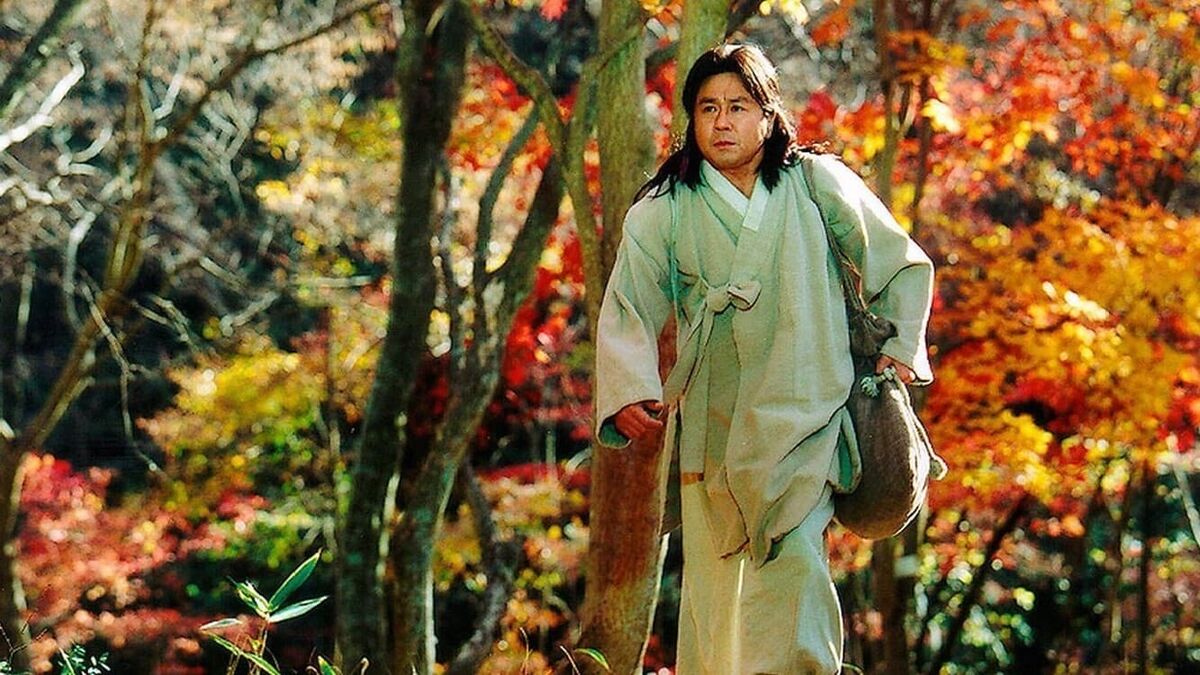
Im Kwon-taek was one of the first major Korean directors and one of the nation’s few major filmmakers before the 21st century. Known for masterpieces such as “Chunhyang” and “Mandala,” his films delve deeply into the cultural and spiritual fabric of Korea, often exploring its rich traditions, turbulent history, and the resilience of its people. His storytelling is marked by a nuanced understanding of human nature, a keen eye for the beauty and depth of Korean art forms, and an unflinching commitment to portraying the complexities of societal changes.
76. Yvonne Rainer
Born: 23rd November 1934 (89 Years Old)
Best known for her experimental films made in the 1960s, Yvonne Rainer transformed avant-garde cinema with her challenging and innovative work. Known for “Lives of Performers” and “Film About a Woman Who…”, Rainer’s films and choreographies dissect the complexities of human relationships, identity, and socio-political themes through a minimalist yet profound lens.
75. Yoichi Higashi
Born: 14th November 1934 (89 Years Old)
Although not a household name, Yoichi Higashi has his name attached to several important Japanese films, including “The River with No Bridge” and “Eebo no Koi,” which are known for their delicate portrayal of familial relationships, societal outcasts, and the often bittersweet journey of self-discovery. His approach to filmmaking is characterised by a gentle, observational style, inviting viewers to immerse themselves in the intricacies of everyday life while also confronting the underlying tensions and conflicts that shape his characters’ existences. Through this lens, Higashi explores themes of identity, belonging, and the subtle interplay between tradition and modernity in Japanese society, much in the same way as Yasujiro Ozu did.
74. Jan Svankmajer
Born: 4th September 1934 (89 Years Old)
Arguably the most important Czech filmmaker of all time (If you only consider Milos Forman‘s Czech work), Jan Svankmajer is one of the most important figures in both surreal cinema and animation, whose work often shrugs off the boundaries of traditional movie-making.
Best known for his surreal and often unsettling films such as “Alice,” an adaptation of Alice in Wonderland, and “Faust,” Švankmajer’s films delve deep into the subconscious, blending dark humour with a distinctive, unsettling aesthetic. His storytelling is rich in symbolism and psychoanalytic themes, exploring the human condition, dreams, and the darker sides of humanity. Švankmajer’s meticulous attention to detail and his innovative use of objects and textures challenge the viewer’s perception of reality, making his films a profound exploration of the psyche and a critique of materialism and authoritarianism.
73. Gulzar
Born: 18th August 1934 (89 Years Old)
Gulzar is perhaps best known as an Indian poet, but he has also enjoyed a successful career as a filmmaker. His work often weaves together the delicate threads of love, separation, and the subtle interplay of political and social undercurrents, bringing to the fore the complexities of human relationships against the backdrop of a changing India. His films, rich with lyrical dialogues and soul-stirring music, stand out for their deep humanism and the ability to evoke a profound emotional response.
72. Pierre Richard
Born: 16th August 1934 (89 Years Old)
Arguably better known for his work in front of the camera as a cherished figure in French cinema, Pierre Richard is perhaps less recognised for his directorial ventures. Best known for his roles in comedies that blend slapstick with a touch of melancholy, Richard’s directorial style mirrors his on-screen persona: a delightful concoction of humour and heart. Films like “Le Distrait” and “Les Malheurs d’Alfred” showcase his adeptness at crafting narratives that are both whimsically amusing and poignantly reflective of the human condition.
71. Francisco Regueiro
Born: 2nd August 1934 (89 Years Old)
While not a very well-known director, Francisco Regueiro has made a few curious films about Spanish culture, religion and familial dynamics. His films are marked by a nuanced portrayal of characters often entangled in moral and existential dilemmas, reflecting Regueiro’s keen interest in the clash between tradition and modernity, faith and scepticism.
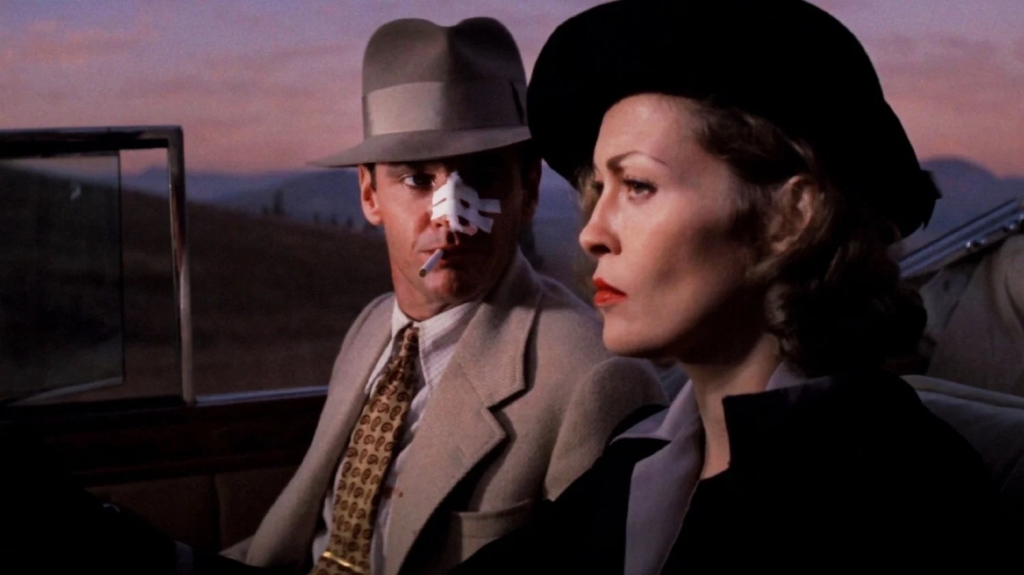
70. Gonzalo Suarez
Born: 30th July 1934 (89 Years Old)
Since he started his career in the 1960s, Gonzalo Suárez has been a steady voice for Spanish cinema’s avant-garde. Known for his eclectic approach to filmmaking, Suárez’s oeuvre is a testament to his unbridled imagination and keen insight into the human condition. Through films like “Remando al viento” (Rowing with the Wind) and “El extraño caso del doctor Fausto” (The Strange Case of Doctor Faustus), he weaves narratives that are as intellectually stimulating as they are visually compelling. Suárez’s work often navigates the labyrinthine corridors of mythology, history, and literature, marrying the surreal with the tangible and inviting audiences into worlds where the boundaries between reality and fantasy blur.
69. Claude Zidi
Born: 25th July 1934 (89 Years Old)
Like Pierre Richard, Claude Zidi is a familiar name for those interested in French comedy, having helmed box-office hits like Les Ripoux” (“My New Partner”) and the “Les Sous-Doués” series. Zidi’s work is characterised by its light-hearted approach to storytelling, often centred around endearingly flawed characters and comical situations that reflect societal quirks. His ability to blend physical comedy with a critique of social norms without veering into cynicism has endeared him to audiences, making his films a staple in French comedy cinema.
68. Peter Kubelka
Born: 23rd March 1934 (89 Years Old)
Peter Kubelka is one of the few directors on this list who has been an important filmmaking name since the 1950s when he entered the world of cinema with his groundbreaking experimental films when avant-garde cinema was still in its nascent stages. His works, such as “Arnulf Rainer” and “Unsere Afrikareise,” are characterised by precise manipulation of sound and image, creating a rhythmic and sensory experience that challenges the viewer’s perception of time and space.
Kubelka’s films often delve into the essence of the cinematic medium, exploring the interplay between light, shadow, and silence to evoke profound emotional responses. His dedication to film as an art form extends beyond his directorial achievements; as a co-founder of the Austrian Film Museum, Kubelka has significantly contributed to the preservation and appreciation of cinema’s cultural heritage, emphasising the importance of film as a tool for intellectual and aesthetic exploration.
67. Lutz Mommartz
Born: 6th March 1934 (89 Years Old)
Lutz Mommartz isn’t as famous as Peter Kubelka, but he has been an important figure in German avant-garde cinema for decades. His movies tend to be all about exploring the medium of cinema, challenging conventional narratives and visual techniques to delve into the abstract and the existential. His works, such as “The Non-Conformist” and “Self-Portrait,” offer a profound commentary on the nature of art, the role of the artist, and the relationship between the film and its audience.
66. Mohammed Lakhdar-Hamina
Born: 26th February 1934 (89 Years Old)
One of Algerian cinema’s biggest names, Mohammed Lakhdar-Hamina, is perhaps best known for his masterpiece, “Chronique des années de braise” (Chronicle of the Years of Fire), which won the Palme d’Or at the Cannes Film Festival in 1975. Lakhdar-Hamina’s films are deeply rooted in the Algerian experience, weaving the rich tapestry of its history, culture, and struggles for independence from colonial rule. His cinematic approach is characterised by a unique blend of realism and poetic allegory, exploring themes of identity, resistance, and the human condition amidst the backdrop of political turmoil. Through his lens, Lakhdar-Hamina not only captures the essence of Algerian society but also offers a universal commentary on the fight against oppression.
65. Lou Adler
Born: 13th December 1933 (90 Years Old)
Lou Adler is one of the most notable names of American pop culture of the later 20th century, but not as a film director; instead, he is best known as a music producer and businessman, but he has always been closely tied to the world of film, where he made cult classics like “Up In Smoke.” His productions often reflect a deep connection with the zeitgeist of the era, skillfully intertwining music and culture with a pulling narrative.
64. Marta Rodriguez
Born: 1st December 1933 (90 Years Old)
Marta Rodríguez is a Colombian documentarian whose films often revolve around social and indigenous issues within Latin America. With a career that spans several decades, Rodríguez has been instrumental in giving voice to the marginalised, often focusing on the struggles and resilience of indigenous communities. Her works, such as “Chircales” (co-directed with Jorge Silva), delve deep into the lives of her subjects, presenting their stories with a compelling blend of empathy and realism.
63. Roman Polanski
Born: 18th August 1933 (90 Years Old)
Equally celebrated for his cinematic brilliance and notorious for his personal controversies, Roman Polanski is one of the most famous directors of all time, having been at the centre of Polish cinema and New Hollywood. Best known for classics such as “Rosemary’s Baby,” “Chinatown,” and “The Pianist,” Polanski’s directorial approach is marked by a distinct flair for psychological depth, atmospheric tension, and an unflinching willingness to explore the darker facets of the human condition.
His films frequently navigate the intricacies of fear, paranoia, and the grotesque, masterfully blending elements of horror, noir, and drama to probe the complexities of identity, power, and morality. Despite the shadows cast by his off-screen life, Polanski’s work continues to provoke discussion and analysis, embodying a complex interplay between the art of cinema and the imperfections of its creator.
62. Ken Jacobs
Born: 25th May 1933 (90 Years Old)
A core figure in the early world of New American Cinema, Ken Jacobs’ films helped shatter the conventional boundaries of cinema. Best known for films like “Star Spangled to Death” and “Tom, Tom, the Piper’s Son,” his oeuvre is characterised by a profound exploration of the mechanics of film and the act of viewing itself. His innovative use of found footage, along with his development of techniques such as the eternalism of the Nervous System performances, transcends mere storytelling to interrogate the very essence of cinematic representation.
Jacobs’ films are not just to be watched but experienced, inviting viewers to engage with the medium in a deeply introspective manner, often prompting reflections on perception, memory, and the passage of time.
61. Jean Becker
Born: 10th May 1933 (90 Years Old)
As the son of the French director Jacques Becker, Jean has spent his entire life with movies. His work, such as in “Les Enfants du Marais” and “Élisa,” showcases a penchant for storytelling that celebrates the simplicity and complexity of human emotions, set against the backdrop of both rural and urban landscapes. Becker’s films, much like his father’s, are characterised by their warmth, gentle humour, and a keen eye for the intricacies of the human condition.
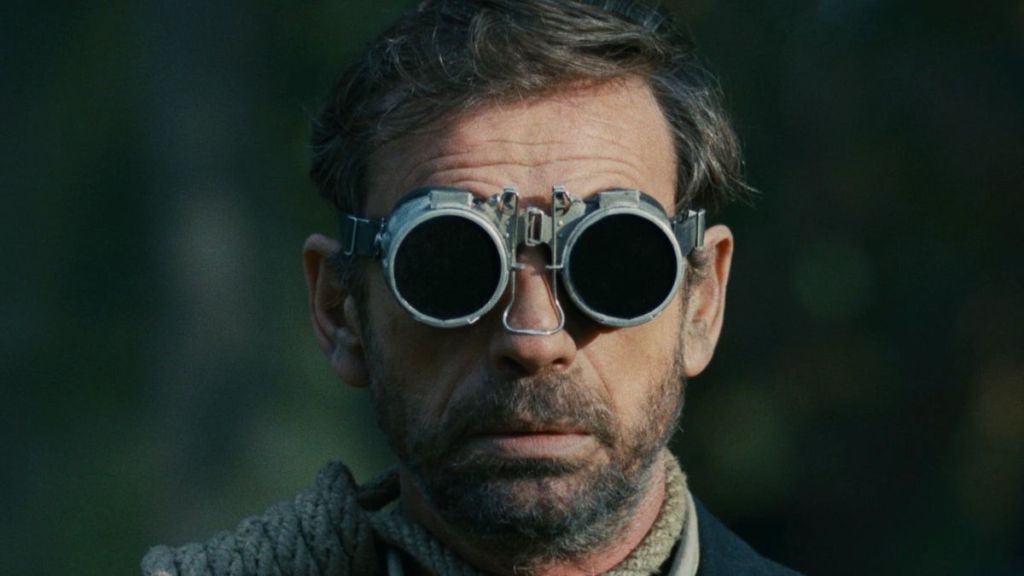
60. Alexander Mitta
Born: 28th March 1933 (90 Years Old)
Alexander Mitta is a Russian filmmaker whose films like “Shine, Shine, My Star” and “The Sixth” often revolve around the human condition, cultural identity and historical complexities. Mitta’s cinema often reflects a profound engagement with his characters’ inner worlds, set against the backdrop of significant historical events, thereby offering a rich tapestry of personal and collective experiences.
59. Tinto Brass
Born: 26th March 1933 (90 Years Old)
While not a name often brought up in cinephile circles, Tinto Brass has certainly left a big mark with his work in the erotic genre, with a distinctive style that emphasises sensuality, the beauty of the human form, and the exploration of sexual themes free from the constraints of conventional morality. His most notable work, “Caligula,” is a testament to his bold approach to cinema, intertwining historical narrative with explicit content in a way that challenges and provokes. Brass’s films often delve into the intricacies of desire, power dynamics, and the liberation of the self from societal taboos, presenting a blend of aesthetic pleasure and narrative depth that invites audiences to reflect on the nature of eroticism and personal freedom.
58. Sidney J. Furie
Born: 28th February 1933 (90 Years Old)
Sidney J. Furie was one of those journeymen directors whose career flittered between stone-cold classics and disposable bargain bucket flicks, spanning genres from the thrilling espionage of “The Ipcress File” to the patriotic fervour of “Iron Eagle.” Furie often employed innovative camera techniques to enhance the psychological depth and emotional resonance of his characters. His films, while varied in theme and setting, consistently explore the nuances of human resilience, the complexities of duty versus morality, and the intricate dance of power and vulnerability.
57. Yoko Ono
Born: 18th February 1933 (90 Years Old)
Although best known for her relationship with her husband and the following controversy, which has lingered around her in pop culture, Yoko Ono is a titan of the world of art. Part of that world is her avant-garde filmmaking, which makes up a small but not insignificant portion of her output. Ono’s works, such as “Fly” and “Rape,” challenge conventional narrative forms and audience expectations, using the medium to provoke thought, evoke emotions, and make bold statements about feminism, peace, and the power dynamics in society. Her films, much like her other artistic endeavours, seamlessly blend the personal with the political, inviting viewers into a space where art becomes a tool for social change and introspection.
56. Zdravko Sotra
Born: 13th February 1933 (90 Years Old)
Zdravko Sotra is a Serbian/Yugoslavian director who has been active since 1950s. He is particularly known for his historical dramas and biopics. His works, such as the epic TV series “The Great War” and the film “Prince Marko,” are filled with rich characters, attention to detail and an immersive depiction of the period, making his films a journey through Serbia’s heritage and collective memory.
55. Costa-Gavras
Born: 12th February 1933 (90 Years Old)
Costa-Gavras, a master of political thrillers, is renowned for his unflinching exploration of complex socio-political landscapes through cinema. With iconic films like “Z” and “Missing,” Costa-Gavras has a knack for weaving intricate narratives that not only entertain but also provoke thought and dialogue about pressing global issues.
His work often delves into the murky waters of political intrigue, human rights, and the often blurred line between justice and power. By skillfully blending gripping storytelling with real-world political concerns, Costa-Gavras invites audiences to reflect on the impact of politics on individual lives and the collective human experience, making his films resonate deeply and remain relevant across generations.
54. Jack Hill
Born: 28th January 1933 (91 Years Old)
Having been a co-director with Francis Ford Coppola, you might expect Jack Hill to be one of those standout names of the New Hollywood period, yet the American took a different direction – towards exploitation cinema with his cult classics like “Spider Baby” and “Foxy Brown.” Hill is celebrated for weaving compelling narratives within the constraints of low-budget filmmaking, often infusing his projects with a unique blend of dark humour and gritty realism.
His films frequently delve into themes of empowerment and rebellion, particularly through strong, unconventional female protagonists, challenging traditional gender roles and societal expectations. Hill’s approach to genre filmmaking, coupled with his knack for storytelling, has made him something of a godfather to the American indie film industry.
53. John Boorman
Born: 18th January 1933 (91 Years Old)
Since starting his feature career with a Beatles-rip off with the Dave Clark Five, John Boorman has gone from strength to strength to weakness (Exorcist II.) He was one of the first major distinctive voices of the New Hollywood era, and his movies are filled with a profound exploration of the human condition, often in primal, mystical, lush, immersive worlds.
Films like “Deliverance,” “Excalibur,” and “The Emerald Forest” showcase his penchant for narratives that traverse the thin lines between civilisation and wilderness, myth and reality, exploring the depths of human resilience and the often tumultuous relationship with the natural world. Boorman’s work is characterised by its ambitious scope, visual innovation, and the ability to evoke profound emotional responses, making him a distinct voice in the cinematic landscape.
52. Liliana Cavani
Born: 12th January 1933 (91 Years Old)
Alongside Lina Wertmuller (and perhaps Cecilia Mangini), Liliana Cavani was the only notable female Italian director of the 1960s and 70s. Her film career has always been somewhat unpredictable, with some all-time classics and some mediocre movies; perhaps her best-known work is “The Night Porter.”With a career spanning several decades, Cavani’s work frequently navigates the labyrinth of human psychology, unflinchingly confronting themes of power, obsession, and the darker facets of human relationships. Her films, characterised by a bold and often controversial approach to storytelling, offer a profound exploration of historical and existential dilemmas, blending the personal with the political in a manner that challenges and engages her audience.
51. Robert Benton
Born: 29th September 1932 (91 Years Old)
You could argue that Robert Benton was the catalyst of New Hollywood, as he was the co-writer (with David Newman) of “Bonnie and Clyde” and was a notable writer at Esquire who helped form the zeitgeist of the 60s. Beyond these early shows of creativity, Benton would go on to win the Oscar for Best Director over the likes of Francis Ford Coppola and Bob Fosse for “Kramer vs Kramer.” His work in “Places in the Heart” further cements his reputation, offering a deep dive into themes of resilience, redemption, and the unbreakable spirit of the human condition.
50. Alanis Obomsawin
Born: 31st August 1932 (91 Years Old)
As one of the first notable Native American filmmakers, Alanis Obomsawin helped shape the careers of thousands of young indigenous artists with her documentary films. Her films delve into the heart of pressing social issues through the lens of First Nations’ rights and history. Her most celebrated work, “Kanehsatake: 270 Years of Resistance,” exemplifies her approach to storytelling, focusing on the 1990 Oka Crisis to highlight the broader struggles for Indigenous land rights and sovereignty.
49. Fernando Arrabal
Born: 11th August 1932 (91 Years Old)
Best known for his avant-garde and surrealistic approach, Arrabal’s work, such as in the infamous “Viva la Muerte” and the thought-provoking “The Tree of Guernica,” intricately weaves themes of existentialism, politics, and the human psyche. His films often challenge the viewer’s perceptions of reality and fantasy, merging the two into a complex tapestry that questions authority and tradition
48. Anne Claire Poirier
Born: 6th June 1932 (91 Years Old)
Anne Claire Poirier is a Canadian director best known for her groundbreaking works such as “Tu as crié: LET ME GO” and “Le temps de l’avant.” Her films are characterised by their unflinching honesty and empathetic exploration of themes such as women’s rights, social justice, and the impacts of violence.
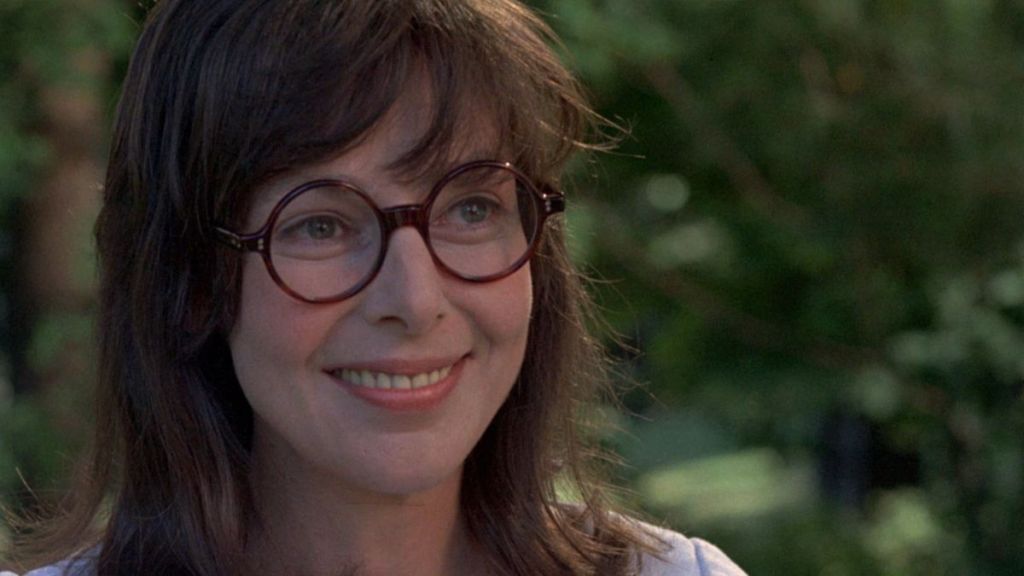
47. Elaine May
Born: 21st April 1932 (91 Years Old)
As one half of the Nichols and May double act, Elaine May has been a popular figure in pop culture since the early 1960s. Alongside her roles in Hollywood films, she has enjoyed (kind of) a long (in a way) career as a director. Her directorial endeavours, such as “A New Leaf,” “The Heartbreak Kid,” and the infamous “Ishtar,” showcase her unique blend of comedy and drama, often centred around flawed but relatable characters navigating the complexities of love, deception, and societal expectations.
May’s work, though not as prolific as her former partner, Mike Nichols, is marked by keen observational humour and a deep understanding of the intricacies of interpersonal dynamics, making her films resonate with authenticity and emotional depth.
46. John Glen
Born: 15th April 1932 (91 Years Old)
John Glen started his career all the way back in 1945 as a messenger boy, but it took him until 1968 to make his directorial debut (It took until 1981 for his feature debut). Despite this late start, Glen was the director to helm the most James Bond films, making five between 1981 and 1989 with Roger Moore and Timothy Dalton’s Bonds. His most famous 007 works are “For Your Eyes Only,” “Octopussy,” “A View to a Kill,” “The Living Daylights,” and “Licence to Kill,” to which he brought a distinctive blend of suspense and innovative action sequences.
45. Jean-Paul Rappeneau
Born: 8th April 1932 (91 Years Old)
Although the same age as the French New Wave luminaries, Jean-Paul Rappeneau never seemed to fit in. Instead, he is well known for his more traditional, elegant films about personal honour, romantic idealism and identity. He is best known for “Cyrano de Bergerac” and “The Horseman on the Roof.” With a keen eye for visual splendour and a deep understanding of the human spirit, the French director masterfully balances epic scale with poignant, personal tales.
44. Jerzy Hoffman
Born: 15th March 1932 (91 Years Old)
As one of the most commercially successful Polish directors ever, Jerzy Hoffman holds a special place in the nation’s cultural heart. He is perhaps most renowned for his epic adaptations of Henryk Sienkiewicz’s historical novels, such as “The Deluge” and “With Fire and Sword,” which serve as a testament to his deep-rooted fascination with Poland’s storied past. His directorial prowess shines through his ability to weave grand historical narratives with a deeply personal touch, bringing to life the tumultuous periods of Polish history with a vividness that resonates with audiences both domestically and internationally.
43. Alexander Kluge
Born: 14th February 1932 (91 Years Old)
Alexander Kluge started his career working with Fritz Lang before becoming the centrepiece of the pre-New German Cinema ‘Young German Cinema’ movement, which was jump-started by the signing of the Oberhausen Manifesto in 1962. Through films like “Yesterday Girl” and “The Assault of the Present on the Rest of Time,” Kluge combines a keen analytical perspective with a unique narrative style, often incorporating elements of documentary, fiction, and experimental filmmaking.
His work is characterised by a critical examination of post-war Germany, the complexities of human emotions, and the impact of societal structures on individual lives. Kluge’s films are not just stories; they are intricate tapestries woven with philosophical insights, historical context, and a profound understanding of the human condition, reflecting his background in law and his close association with the Frankfurt School theorists.
42. Richard Lester
Born: 19th January 1932 (92 Years Old)
Having made his name with The Beatles and The Goons, Richard Lester has left a huge imprint on British culture despite being an American. For some time, his cinematic style was apropos of British New Wave cinema as a whole, with his film “The Knack…” winning the Palme d’Or at Cannes. His biggest claim to fame is his work with The Beatles on “A Hard Day’s Night” and “Help!” which helped make the group more famous and pioneer the concept of music videos.
From the whimsicality of the Beatles’ films “A Hard Day’s Night” and “Help!” to the swashbuckling adventures of “The Three Musketeers” and its sequels, Lester’s movies are characterised by a unique blend of visual comedy, fast-paced editing, and a flair for capturing the zeitgeist of the 1960s and 1970s. His films often exhibit a playful yet insightful commentary on contemporary society, underscored by a distinct narrative style that combines elements of satire, absurdity, and a keen sense of the human condition.
41. Alfonso Arau
Born: 11th January 1932 (92 Years Old)
Alfonso Arau was perhaps the first Mexican director whose films had a serious impact on international cinema with the visually stunning and emotionally rich film “Like Water for Chocolate,” which helped pave the way for other crossover directors like Alejandro G. Inaritu, Alfonso Cuaron and Guillermo del Toro.
Arau’s movies marry the magical with the mundane, weaving together the threads of everyday life with elements of magical realism to create stories that resonate deeply with the human experience. His films, much like “A Walk in the Clouds,” showcase a profound appreciation for the sensory and the romantic, exploring themes of love, tradition, and identity against the backdrop of visually poetic landscapes.
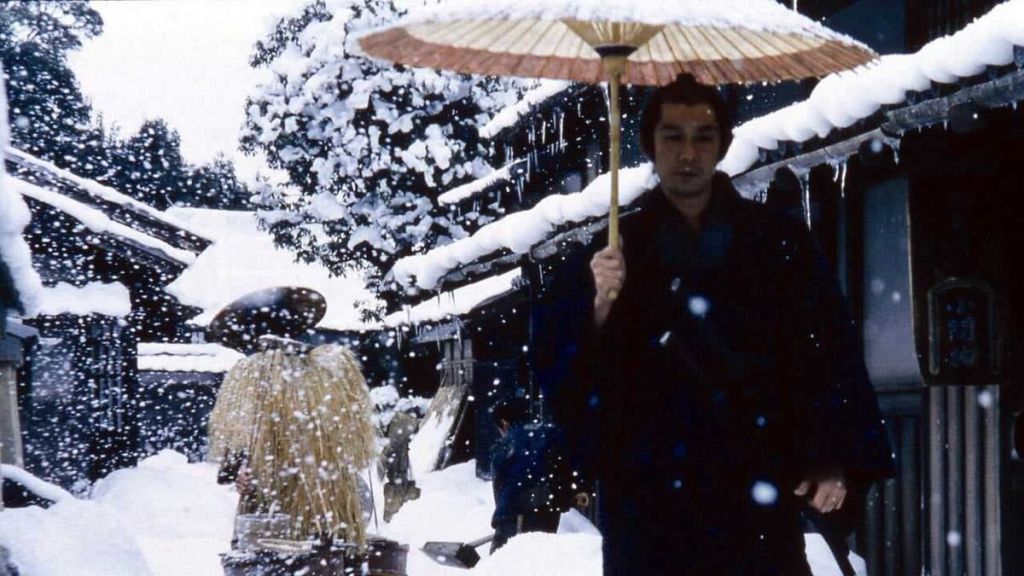
40. Gunvor Nelson
Born: ca. 1931 (92/93 Years Old)
It’s unclear when exactly Gunvor Nelson was born, so she could be the 29th oldest living director for all I know, but to be safe, we’ve placed her at the end of the 1931-born directors. However, that doesn’t mean she is in any way dismissable, as her evocative experimental films like “My Name is Oona” and “Schmeerguntz,” delve deep into the layers of female identity, memory, and the intricate tapestry of familial relationships. Her films, characterised by a distinctive blend of poetic imagery and abstract storytelling, challenge conventional narrative structures, inviting viewers into a reflective journey through the complexities of life.
39. Paolo Taviani
Born: 8th November 1931 (92 Years Old)
Alongside his brother Vittorio, Paolo Taviani crafted one of the finest bodies of work ever made by an Italian director, although most of their success came after the Golden Age of Italian cinema in the 1940s – 1960s. Their collective oeuvre, rich with lyrical storytelling and rooted in Italian history and culture, reflects a profound exploration of human nature and societal dynamics.
Films like “Padre Padrone,” which clinched the Palme d’Or at Cannes, and “The Night of the Shooting Stars” are emblematic of their unique blend of magical realism and neorealism. The Taviani brothers’ cinema often weaves historical narratives with contemporary concerns, presenting a tapestry of stories that speak to the resilience and complexity of the human spirit.
38. Marta Meszaros
Born: 19th September 1931 (92 Years Old)
As one of the few female Hungarian directors working in the Cold War era, Marta Meszaros is a notable name for her personal movies about women’s lives and social issues in Eastern Europe. Her films, like the acclaimed “Diary for My Children,” are marked by a poignant, autobiographical lens, delving into themes of identity, displacement, and the relentless quest for personal freedom against the backdrop of political turmoil.
37. Alain Cavalier
Born: 14th September 1931 (92 Years Old)
A staple of French cinema, Alain Cavalier has worked with the likes of Catherine Deneuve and Alain Delon since the late 1950s. His films often often blur the lines between documentary and fiction. With works such as “Le Combat dans l’île” and “Thérèse,” Cavalier delves into the intricacies of human relationships, spirituality, and the quest for personal identity. His movies use a minimalist style and a focus on the intimate aspects of life, inviting viewers to reflect on their own experiences and beliefs.
36. Yoji Yamada
Born: 13th September 1931 (92 Years Old)
Yoji Yamada might not be the oldest director in the world, but he is one of the most senior active directors, and he is in the Guinness Book of Records for the longevity of his “Tora-San” series. While originally something of a minor Japanese director, Yamada’s career found life in the early 2000s with critically acclaimed films like “The Twilight Samurai” and “The Hidden Blade.” He is known for his ability to blend humour with melancholy, creating narratives that resonate with warmth and profound simplicity.
Yamada’s works often reflect on themes of family, forgiveness, and the bittersweet nature of transient relationships, masterfully capturing the essence of everyday struggles and joys through a distinctly compassionate lens. His dedication to portraying the nuances of human emotion and the intricacies of interpersonal relationships has solidified his status as a director who profoundly understands and depicts the subtleties of the human heart.
35. Ruy Guerra
Born: 22nd August 1931 (92 Years Old)
As one of the key voices of Cinema Novo, Ruy Guerra’s shadow looms large over Brazilian cinema. The Mozambique-born director’s films are often about the tumultuous landscapes of post-colonial societies. His films, such as “Os Fuzis” (The Guns) and “Terra em Transe” (Land in Anguish), are acclaimed for their lyrical storytelling, nuanced exploration of the human psyche, and incisive critique of social injustice and political tyranny. Through his lens, Guerra articulates the struggles and aspirations of the marginalised, weaving complex stories that challenge the viewer to confront the intricate interplay between personal agency and the inexorable forces of history.
34. Jan Troell
Born: 23rd July 1931 (92 Years Old)
Jan Troell is arguably the second/third (or fourth) most important Swedish director of all time. He first found notability in the 1960s as part of a new Swedish moviemaking generation alongside Bo Widerberg with a series of films that delved into the intricacies of Swedish society and the human condition. His debut feature, “Here Is Your Life,” set against the backdrop of early 20th-century Sweden, showcased his ability to weave personal growth with social commentary, a theme that would recur throughout his career.
With other masterpieces like “The Emigrants” and “Everlasting Moments,” Troell built a strong filmography that is taped into the rich history of Scandinavian culture, often drawing from real-life stories and historical events. His films are characterised by a profound empathy for his characters, a painterly eye for landscape, and a dedication to exploring the resilience of the human spirit amidst the trials of life.
33. Antun Vrdoljak
Born: 4th June 1931 (92 Years Old)
Antun Vrdolkjak is a Croatian filmmaker who made his name in Yugoslavian cinema with films like “Glembajevi” and “General.” His movies were deeply rooted in the Balkan experience, reflecting the complexities of national identity, the scars of conflict, and the quest for personal integrity.
32. Ted Kotcheff
Born: 7th April 1931 (92 Years Old)
Ted Kotcheff is one of those versatile journeymen directors whose name is frequently behind some of the best-known movies of all time but is still relatively unknown in cinephile circles. Perhaps you know him best from the action-packed survival drama “First Blood,” which introduced the iconic character John Rambo to the world.
While he was a solid workman director for decades, his other major film was the long-undiscovered Ozploitation classic Wake in Fright, a masterclass in psychological horror, which delved into the dark side of Australian outback culture, the disintegration of the protagonist’s morality and the thin line between civilisation and savagery. Whether it’s the comedic chaos of “Weekend at Bernie’s” or the gripping tension of “First Blood,” Kotcheff often pushes his characters to their limits to reveal the core of their humanity.
31. Hector Olivera
Born: 5th April 1931 (92 Years Old)
While not well-known in International cinema, Hector Olivera is a well-regarded Argentine director with years in the business. Renowned for works like “La Patagonia rebelde” and “No habrá más penas ni olvido,” Olivera’s films frequently navigate the turbulent waters of Argentina’s political upheavals, blending historical events with compelling personal dramas.
30. Masahiro Shinoda
Born: 9th March 1931 (92 Years Old)
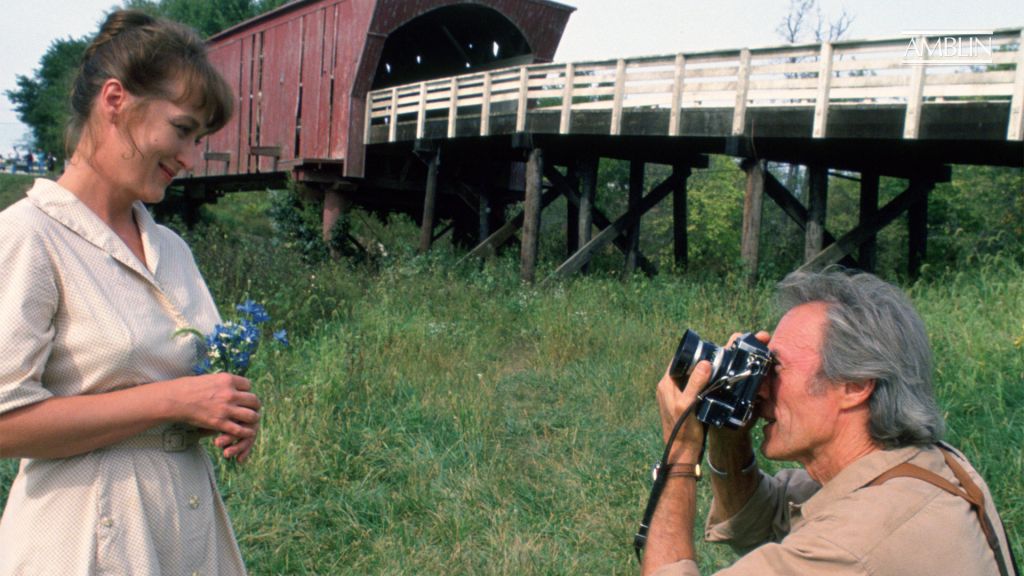
Masahiro Shinoda was one of the lead figures in the Japanese New Wave, which aimed to uproot the nation’s cinema and push it towards more honest, raw portrayals of the country’s denizens. His rich films dared to be as visually arresting as psychologically probing as they contrasted traditional Japanese aesthetics with the complexities of modern society.
His work, including masterpieces like “Double Suicide” and “Pale Flower,” showcases a distinctive style that blends traditional Japanese art forms, such as Noh and Kabuki theatre, with modern cinematic techniques. Shinoda’s films frequently explore themes of fate, morality, and the tension between duty and personal freedom, often set against the backdrop of Japan’s tumultuous transition from feudal to modern society.
29. Robert Duvall
Born: 5th January 1931 (93 Years Old)
You know Robert Duvall from his iconic performances in films like The Godfather or Apocalypse Now, but he was also part of a generation of New Hollywood actors who attempted their hand at directing. Duvall was one of the success stories of that group, largely thanks to his late 90s attempt “The Apostle.” Much like his performances on screen, Duvall’s films delve into the intricacies of human nature, exploring themes of redemption, faith, and the indomitable spirit of the individual against the backdrop of broader societal landscapes.
28. M.S. Sathyu
Born: 6th July 1930 (93 Years Old)
M.S. Sathyu is a respected name in Indian cinema for his seminal work “Garm Hava” (Scorching Winds), which poignantly captures the turmoil and emotional upheaval of a Muslim family during the Partition of India, a theme that resonates with the complexities of identity and cultural displacement. His storytelling is marked by a delicate balance between realism and artistry, effectively using cinema as a medium to comment on and critique the pressing issues of his time, such as communal tensions, displacement, and the struggle for personal and political integrity.
27. Clint Eastwood
Born: 31st May 1930 (93 Years Old)
There’ve been a handful of successful actors-turned-directors on this list, but none of them have achieved the sort of success Clint Eastwood has attained. Perhaps you know him best for his westerns, or maybe you like his later-year rough dramas; Eastwood transitioned seamlessly into directing, crafting films that often explore the rugged terrain of the human spirit. His films like “Unforgiven” and “Million Dollar Baby,” are marked by their nuanced portrayal of flawed heroes, moral ambiguity, and the redemption arc.
Eastwood’s storytelling is distinguished by its minimalist style, understated emotional depth, and an enduring fascination with themes of justice, resilience, and the consequences of violence, often reflecting a stark portrayal of the American ethos and the intricate dynamics of human nature. And the amazing thing is he’s still active, with a new movie due out later this year (2024.)
26. Larry Peerce
Born: 19th April 1930 (93 Years Old)
Larry Peerce never really made it beyond a B-tier figure in New Hollywood, but with enduring movies like “The Incident” and “Goodbye, Columbus,” does it really matter? His films often gravitate towards intense, character-driven narratives that explore the depth of human emotions and the complexities of interpersonal relationships. His work, while perhaps not as widely recognised as some of his contemporaries, delves into the subtleties of societal pressures and the individual’s struggle for identity and connection.
25. Bernard Launois
Born: 8th April 1930 (93 Years Old)
Bernard Launois started his career in the early 1950s at Paramount’s Paris department. Unlike the names Launois is sandwiched by on this list, the French director never enjoyed a significant period of success, and his most famous film, “Devil Story,” is more infamous and celebrated as it is often regarded as one of the worst films ever made. However, the uneasy Euro-slasher does have its cult fans, meaning that Launois has secured his page in the history books.
24. Frederick Wiseman
Born: 1st January 1930 (94 Years Old)
Frederick Wiseman has (very literally) seen it all since starting his career in the 1950s. He is a towering figure in the realm of documentary filmmaking, best recognised for his profound explorations of American institutions through the lens of cinema vérité. From the halls of high schools in “High School” to the intense dynamics within a state hospital for the criminally insane in “Titicut Follies,” Wiseman’s unobtrusive camera captures the raw, unscripted narratives that unfold within these microcosms of society.
His work is characterised by a deep, observational approach, eschewing traditional interviews and narrations to allow the stories to emerge organically from the interactions and daily routines of his subjects. Through films like “Public Housing” and “Ex Libris: The New York Public Library,” Wiseman delves into the complexities of social structures, shedding light on the often unseen mechanisms that shape human experiences within communal spaces.
23. Kazuo Ikehiro
Born: 25th October 1929 (94 Years Old)
Kazuo Ikehiro’s name will forever be attached to the chanbara (samurai cinema) genre and the iconic Zatoichi series. His films frequently delve into themes of honour, justice, and the human condition, set against the backdrop of Japan’s feudal era. Ikehiro’s skill in blending traditional samurai ethos with compelling character development and moral dilemmas offers a unique insight into the clash between personal duty and social expectations.
22. Mark Rydell
Born: 23rd March 1929 (94 Years Old)
Although arguably best-known for his sentimental “On Golden Pond,” Mark Rydell enjoyed a long period of success in his career from the 1960s to the 80s, working with everyone from John Wayne to Bette Midler, showcasing his versatility in handling a wide range of genres and star personalities. His ability to coax career-defining performances from his actors led to several Oscar nominations and wins under his guidance. His collaboration with John Wayne in “The Cowboys” presented Wayne in one of his more vulnerable roles, a departure from his typical tough-guy persona, illustrating Rydell’s skill in redefining actors’ images. Similarly, his work with Bette Midler on “The Rose” offered Midler a platform to display her dramatic talents in a role that mirrored the tragic life of Janis Joplin, earning Midler an Oscar nomination for Best Actress.
21. Alejandro Jodorowsky
Born: 17th February 1929 (94 Years Old)
Alejandro Jodorowsky has been one of cinema’s most important cult figures since the late 1960s. He is one of the medium’s great surrealist artists, and his ability to push further than anyone else has ensured that he is one of the most unforgettable filmmakers of all time. A visionary in the truest sense, his films go far beyond conventional cinema.
Known for avant-garde masterpieces like “El Topo” and “The Holy Mountain,” Jodorowsky’s work is a kaleidoscopic journey into the depths of surrealism and metaphysical exploration. His films are not merely watched; they are experienced, weaving together esoteric symbolism, complex mysticism, and provocative themes that challenge the viewer’s perception of reality, spirituality, and the self. Jodorowsky’s unique narrative style and visual storytelling break the boundaries of traditional filmmaking, inviting audiences into a world where the fantastical becomes tangible, and the subconscious mind takes centre stage.
20. Jeong Chang-Hwa
Born: 1st November 1928 (95 Years Old)
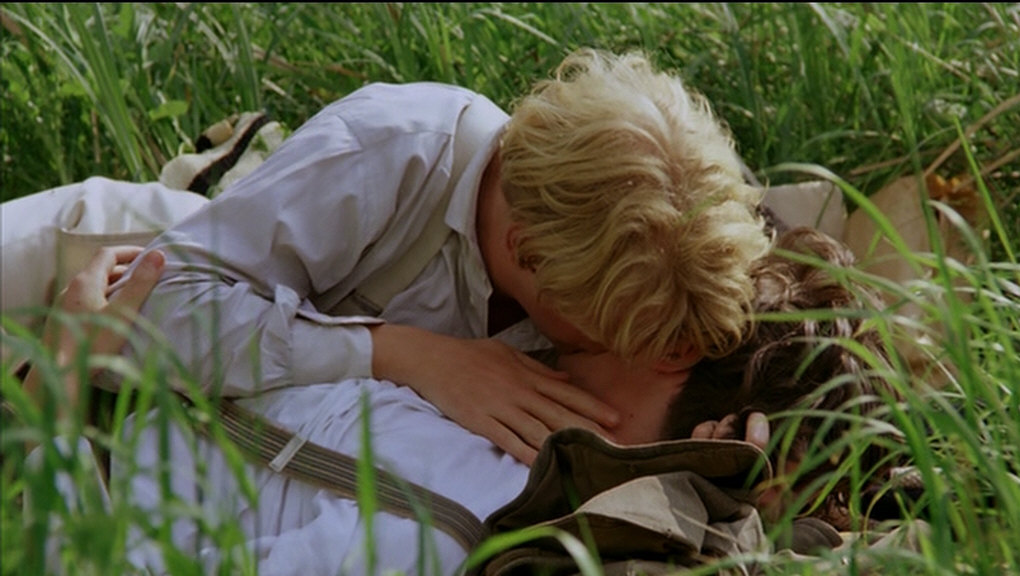
Jeong Chang-Hwa was one of the steady hands of the Shaw Brothers Studios alongside Lau Kar-leung and Chang Cheh, but he carved out his own unique niche by infusing his films with a blend of Korean emotional depth and philosophical underpinnings. Best known for “The Five Fingers of Death” (also known as “King Boxer”), his work is filled with compelling narratives and masterful choreography and delves into themes of honour, vengeance, and the human spirit’s resilience.
19. Susumu Hani
Born: 10th October 1928 (95 Years Old)
Susumu Hani was the Pete Best of the Japanese New Wave. His films never quite hit the peaks of Seijun Suzuki, the aesthetics of Shohei Imamura, the depths of Nagisa Oshima, or the beautiful intensity of Masahiro Shinoda. But Hani carved out his own unique niche with a blend of documentary realism and lyrical narrative, focusing on the emotional landscapes of his characters and their existential struggles.
Best known for pioneering works such as “She and He” and “Nanami: The Inferno of First Love,” Hani’s films are deeply introspective, exploring the nuanced psyche of individuals against the backdrop of societal change and personal turmoil. His approach often involves non-professional actors and improvisational techniques, lending a raw, authentic quality to his narratives.
18. Serge Bourguignon
Born: 3rd September 1928 (95 Years Old)
Serge Bourguignon is largely known for his deeply poignant and visually stunning masterpiece, “Sundays and Cybele” (Les dimanches de Ville d’Avray). This film won the 1962 Academy Award for Best Foreign Language Film for its delicate exploration of relationships and the innocence and cruelty found within them. Although he never made any other movies which have stuck in the canon, he made several other interesting ventures, such as “Two Weeks in September.”
17. James Ivory
Born: 7th June 1928 (95 Years Old)
Working alongside his partner Ishmael Merchant and screenwriter Ruth Prawer Jhabvala, James Ivory created a unique body of work from the early 1960s up to the 2000s, with masterpieces like “A Room with a View,” “The Remains of the Day,” and “Howard’s End.” His films, characterised by their elegant storytelling and exquisite attention to period detail, often explore the subtleties of human relationships and the nuanced interplay between cultural constraints and personal aspirations.
Ivory’s work, while steeped in the aesthetics of the past, resonates with timeless themes of love, loss, and the quest for identity. His most recent work was his screenplay of “Call Me by Your Name” – which won him an Academy Award. This film, set in the sun-drenched landscape of 1980s Italy, explores the tender and complex relationship between a young man and his father’s research assistant.
16. Vejko Bulajic
Born: 22nd March 1928 (95 Years Old)
As arguably the most commercially successful Yugoslavian director in history, Vejko Bulajic has dazzled audiences with his spectacular and grandiose cinematic visions, bringing to life the tumult and heroism of the Balkan region’s past.
His films, often rich in historical context and characterised by their epic scale, have not only captivated audiences within the former Yugoslavia but have also garnered international acclaim. Notably, his most celebrated work, “Battle of Neretva,” stands as a testament to his ability to craft visually stunning and emotionally resonant pieces that delve into the heart of human resilience and the complexities of war.
15. Marcel Ophuls
Born: 1st November 1927 (96 Years Old)
Marcel Ophuls, the son of French-German master filmmaker Max Ophuls, is best known for his documentary work (with a few forays into fiction), most notably “The Sorrow and the Pity,” a groundbreaking exploration of French collaboration and resistance during World War II. Ophuls’ documentaries are characterised by their intricate examination of moral ambiguity, the complexities of memory, and the nuances of human behaviour in times of crisis. His films are both investigative and reflective, often weaving together personal stories with historical events to create a tapestry that challenges conventional narratives and invites viewers to engage in a deeper discourse on ethics, guilt, and memory.
Ophuls’ body of work extends beyond “The Sorrow and the Pity” to include other significant documentaries such as “Hotel Terminus: The Life and Times of Klaus Barbie,” which won an Academy Award for Best Documentary Feature. In his films, Ophuls demonstrates a unique ability to elicit candid and often unsettling insights from his subjects, blending interviews, archival footage, and narration in a way that blurs the lines between documentary and storytelling.
14. Toshio Matsuda
Born: 5th October 1927 (96 Years Old)
Toshio Matsuda, while perhaps not as widely recognised in the West as some of his contemporaries, is one of the most commercially successful Japanese filmmakers of all time. Known for works such as “Nemuri Kyoshiro” and “The Wind of Youth Group Sounds,” Matsuda’s films often weave together the delicate interplay of traditional Japanese values with the burgeoning modernity of post-war Japan. His storytelling is marked by a deep empathy for his characters, who frequently find themselves at the crossroads of personal honour and the rapid social changes sweeping through their country.
13. Jerry Schatzberg
Born: 26th June 1927 (96 Years Old)
Jerry Schatzberg started his directing career relatively late, having previously been one of the most important photographers of the 1960s. His films, much like his photographic work, are deeply rooted in the exploration of nuanced characters and their complex, often gritty relationships with their environments. His debut, “Puzzle of a Downfall Child,” unveiled his unique ability to weave intricate tales that are both visually captivating and emotionally stirring, setting the tone for a career characterised by its artistic depth and psychological insight.
Films such as “Scarecrow,” which won the Palme d’Or at the Cannes Film Festival, and “The Panic in Needle Park,” showcasing a young Al Pacino in one of his earliest and most riveting roles, underscore Schatzberg’s adeptness at capturing the essence of human struggle and resilience.
12. Allen Baron
Born: 14th April 1927 (96 Years Old)
Best known for his early 60s’ “Blast of Silence”, Allen Baron made a career working on gritty, raw subjects. His films, though not numerous, are characterised by their stark black-and-white cinematography, minimalist settings, and a profound sense of loneliness and alienation, reflecting the bleak landscapes of the human soul.
11. Alvin Rakoff
Born: 18th February 1927 (96 Years Old)
You might have noticed several directors on this list were North American journeymen who got their start in British TV; Alvin Rakoff had a similar trajectory, starting his career amidst the vibrant and innovative landscape of British television during the 1950s and 60s. Rakoff, a Canadian-born director, worked in an eclectic range of genres, from the suspenseful depths of psychological thrillers to the heartfelt narratives of drama.
10. Pere Portabella
Born: 11th February 1927 (96 Years Old)
Not many filmmakers can claim to have been avant-garde artists and politicians, but Pere Portabella can, having been elected a senator in Spain’s first democratic elections in 1977. Before this, however, he was a successful avant-garde director whose films often focused on the intersection of art and politics, particularly during the Francoist regime. Films such as “Vampir-Cuadecuc” and “El silencio antes de Bach” showcase his unique style, blending documentary and fictional elements to create a surreal, thought-provoking experience. His films are not just narratives; they are visual essays that challenge the viewer’s perception of reality and fiction, often using a stark, minimalist aesthetic to highlight the tension between oppression and freedom.
9. Margot Benacerraf
Born: 14th August 1926 (97 Years Old)
Certainly not a household name, Margot Benacerraf is best known for her Venezuelan documentaries made in the 1950s. These helped shape Latin American non-fiction cinema and won the Cannes International Critics Prize in 1959 alongside Alain Resnais’ Hiroshima Mon Amour. Known primarily for her groundbreaking work “Araya,” Benacerraf’s films are characterised by a poetic realism that captures the essence of Venezuelan life and landscapes.
8. Mel Brooks
Born: 28th June 1926 (97 Years Old)
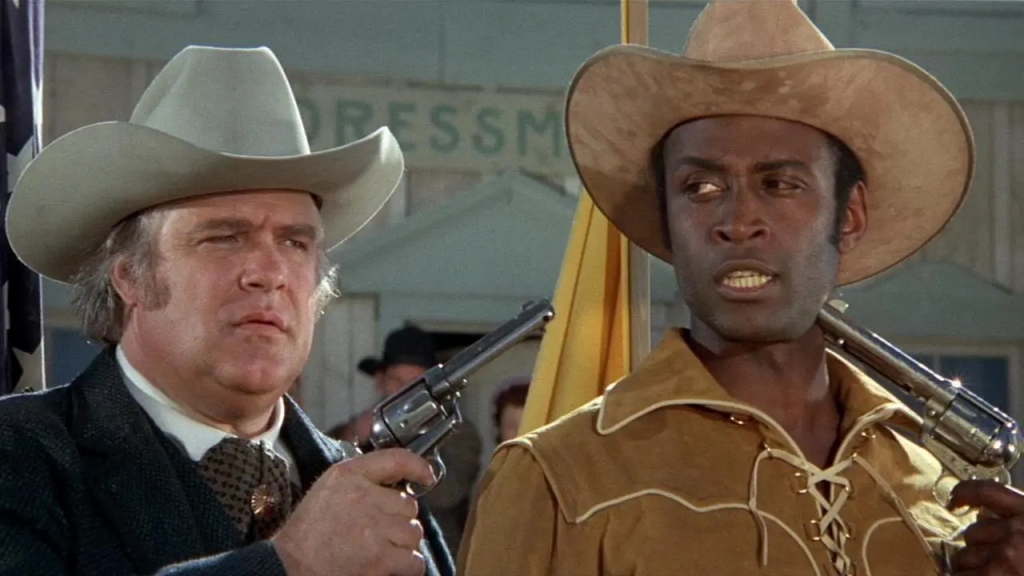
He makes you laugh; he makes you cry; Mel Brooks has been an icon in movie history ever since “The Producers” broke audiences’ ulcers through pure hysteria. With a career spanning several decades, Brooks has mastered the art of comedy, blending satire, slapstick, and a sharp wit to critique society, politics, and even the film industry itself. His films, such as “Blazing Saddles,” “Young Frankenstein,” and “Spaceballs,” are characterised by their fearless approach to humour, often pushing boundaries and challenging taboos.
Beyond his knack for comedy, Brooks possesses a unique ability to infuse his films with warmth and heart, making his characters memorable and relatable despite the absurdity of their situations. His talent for parody has not only entertained millions but has also influenced generations of comedians and filmmakers.
7. Roger Corman
Born: 5th April 1926 (97 Years Old)
Looking at Roger Corman‘s filmography is a bit like panning for gold; on occasion, you’ll find a perfectly crafted gem that is sheer amazement, but most of the time, you’ll discover low-budget shlocky fare. Corman often hailed as the Pope of Pop Cinema, is a prolific filmmaker who has constantly defied conventional filmmaking. Known for his low-budget, high-impact films, his career spans decades with work that includes cult classics like “The Little Shop of Horrors” and “House of Usher.” His movies often blend elements of horror, sci-fi, and dark comedy, showcasing his unique ability to create compelling narratives on shoestring budgets. Corman’s knack for recognising and nurturing talent has also given rise to a new generation of filmmakers and actors, making him a pivotal figure behind the scenes.
Beyond the surface of schlock and awe, Corman’s work carries an undercurrent of social commentary, cleverly woven into the fabric of his storytelling. Through films like “The Intruder,” which addresses racial segregation, Corman has demonstrated a fearless approach to tackling controversial subjects, often using the guise of genre cinema to explore deeper societal issues. His innovative production techniques and resourceful filmmaking have not only set a precedent for independent cinema but have also earned him respect and admiration within the industry and among audiences.
6. Manuel Antin
Born: 27th February 1926 (97 Years Old)
Manuel Antin has been working since the Golden Age of Argentine cinema. He is celebrated for his poetic adaptations of literary works and his exploration of complex human emotions and existential dilemmas. His films, such as “Circe” and “Don Segundo Sombra,” are lauded for their nuanced storytelling and depth, often drawing from the rich tapestry of Argentine literature. As the founder of the Universidad del Cine in Buenos Aires, he has played a pivotal role in shaping the nation’s next generation of filmmakers.
5. Lee Grant
Born: 31st October 1925 (98 Years Old)
Lee Grant is best known for two things: a). her blacklist-stalled enigmatic career, which seemed to go up and down with the sort of exhausting pace that would tire out Marlon Brando and b) the unverifiability of her age. Some claim she was born in 1931, others in 1927, others in 1926 – so this is by no means an authoritative placement, but records show that Lee Grant was born in 1925, so we’re presuming they’re right. Anyway, you might know Grant best from her roles in New Hollywood films by Warren Beatty or in the early 50s film with William Wyler. After an unpredictable career as an actor, she turned to directing.
Grant’s directorial endeavours, such as in the documentary “Down and Out in America,” delve into the raw and often unsettling realities of societal issues, reflecting her deep commitment to social justice themes. Her works often showcase a profound empathy for her subjects, blending narrative depth with a keen observational style, thus providing a voice to the underrepresented and shedding light on the darker corners of the American experience.
4. Sergio Garrone
Born: 15th April 1925 (98 Years Old)
Sergio Garrone began his career as assistant director in 1948 before gradually working his way up to make Italian b-movies, largely in horror and spaghetti westerns. He is particularly remembered for his contributions to the “Django” series and the controversial “Naziploitation” genre. His films, such as “Django the Bastard” and “SS Experiment Camp,” showcase Garrone’s flair for blending stark, vivid imagery with gritty storytelling.
3. Robert M. Young
Born: 22nd November 1924 (99 Years Old)
Robert M. Young made films like “Alambrista!” and “The Ballad of Gregorio Cortez,” which navigate the nuanced terrains of cultural identity, migration, and the human condition. His approach to storytelling is deeply immersive, often employing a neorealistic style that blurs the lines between documentary and narrative cinema. Whether delving into the struggles of undocumented workers or the rich tapestry of Latino heritage in America, his films are characterised by their authenticity and emotional depth, achieved through meticulous character development and a commitment to social commentary.
2. Madeline Anderson
Born: ca. 2023 (100 Years Old)
Madeline Anderson is a pioneering figure, particularly noted for her profound contributions to the representation of African-American experiences and social justice issues. Her work, including groundbreaking documentaries like “Integration Report 1” and “I Am Somebody,” reflects a deep commitment to capturing the essence of civil rights movements and the struggles and triumphs of marginalised communities. Anderson’s approach blends a journalist’s eye for detail with a storyteller’s passion for narrative depth.
1. Kazui Nihonmatsu
Born: 9th April 1922 (101 Years Old)
The oldest living film director I could find was Kazui Nihonmatsu. Nihonmatsu was not an award-winning director of classic films; in fact, he spent most of his career as an assistant director to Keisuke Kinoshita, Akira Kurosawa and mainly Masaki Kobayashi before making two kaiju films in the late 1960s. These films, “The X from Outer Space” and “Genocide,” show a unique voice that blends camp, innovation, and classic storytelling. His movies tended to be easy-to-hate or love silly, cheesy romps, which were highly entertaining.
So, in celebration of Kazui Nihonmatsu reaching 101 years old (Almost 102), let’s all sit down and watch some fun cult, silly, Japanese sci-fi.
Edits
Our number 3, Robert M. Young, passed shortly after this list was posted.
Since publishing the list I have identified a few other directors who should be on this list – I’ve opted not to update it but am including their names down here
- Jean-Charles Tacchella (Born 23 September 1925) – Best known for Cousin Cousine [1975] – Should be 5th
- Jean Brismee (Born 20 August 1926) – Best known for The Devil’s Nightmare [1971] – Should be 12th (Including Hachler and Tacchella)
- Horst Hachler (Born 12 March 1926) – Best known for being Maria Schell’s husband and for his German films like Waldrausch [1977] – Should be 7th (Including Tacchella)
A few more names I’ve found:
- Michael Roemer (Born 1 January 1928) – An American director who made Nothing But a Man and was a professor at Yale.
- Narcisa Hirsch (Born 16 January 1928) – An Argentine director best known for her experimental work on themes of the body, sex, and the female gaze.
- William Grefe (17 May 1930) – An American director best known for his exploitation work made during the 1970s.
- Jurgen Bottcher (8 July 1931) – A German director best known for his neorealistic film Born in ’45.
- Romolo Guerrieri (5 December 1931) – An Italian director of Spaghetti Westerns and Poliziotteschi films.
- Dick Richards (1936) – An American director best known for films like Farewell, My Lovely, March or Die and The Culpepper Cattle Co.
 Bronze Screen Dream
2 responses to “The 100 Oldest Living Film Directors”
Harold Becker (Sea of love) should be on the list. Born in 1928.
LikeLike
Good catch! I’ll include him in the upcoming January edition. Thanks
LikeLike