Fritz Lang

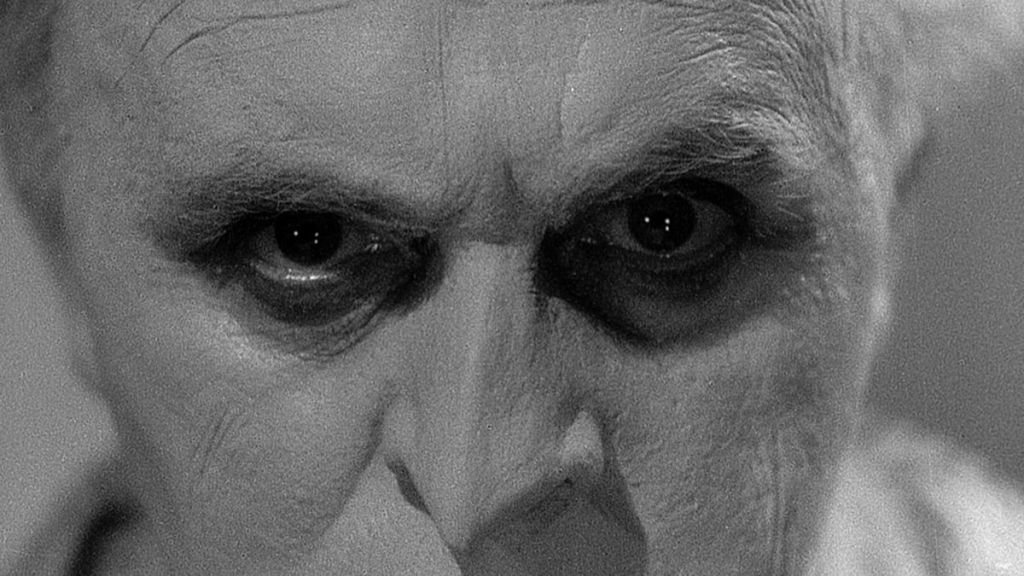
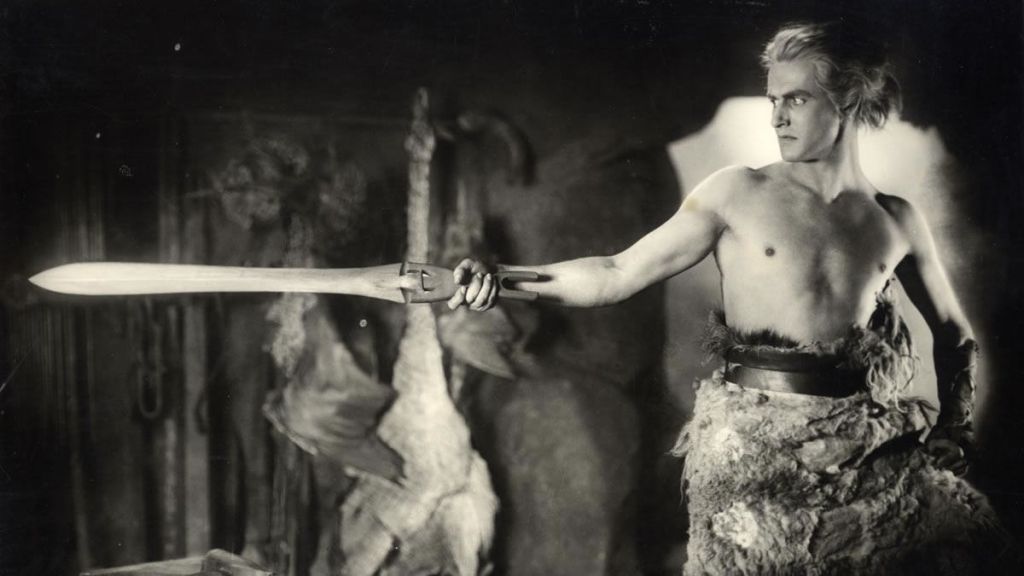
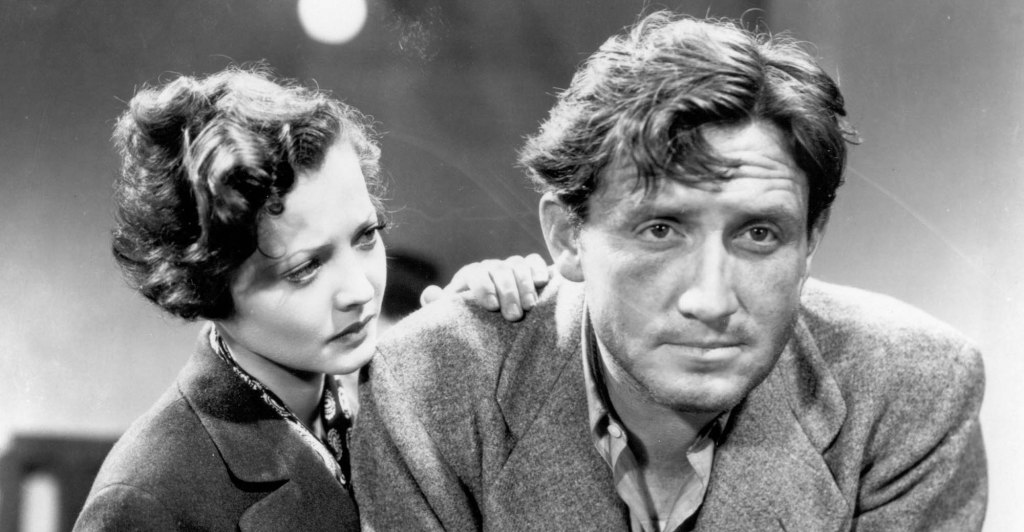
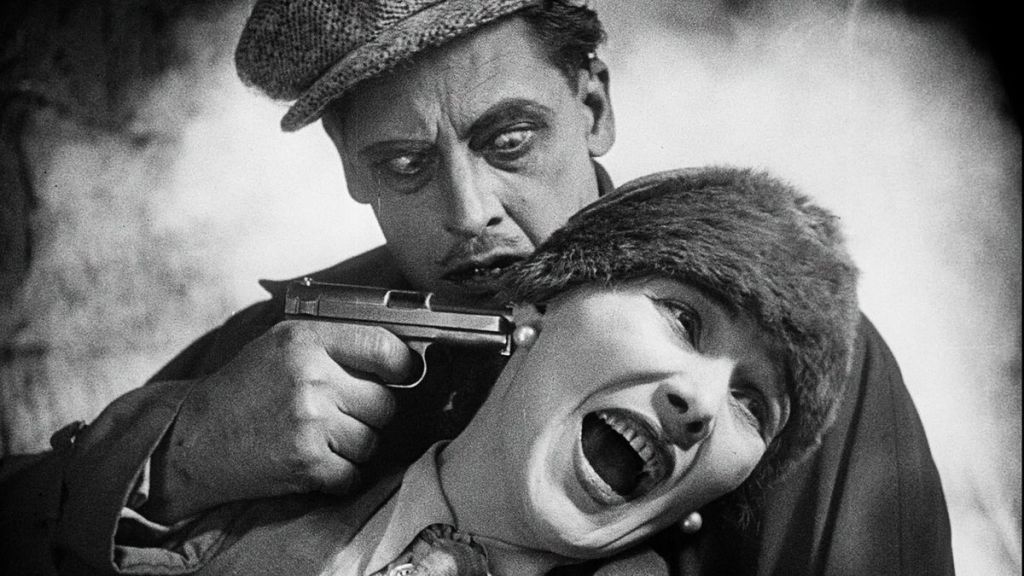
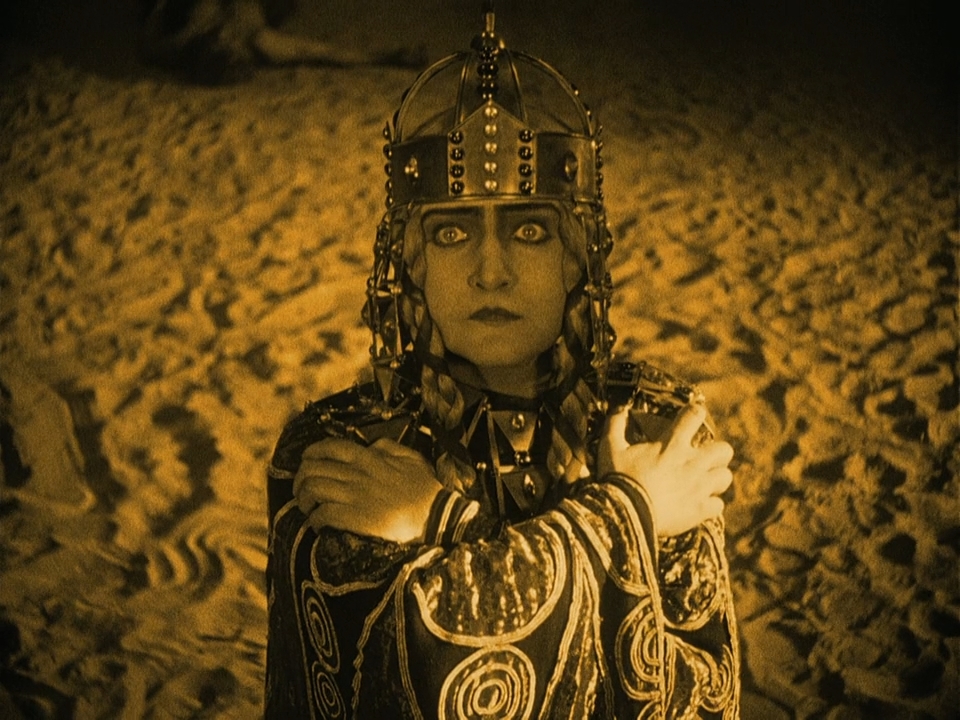
Fritz Lang made two careers, in two countries, in two completely different cinematic traditions, and was a major figure in both. That alone would be remarkable. That the films themselves hold up — that Metropolis and M and The Big Heat are all still genuinely watchable and genuinely good — makes him one of the handful of directors you can call irreplaceable without exaggeration.
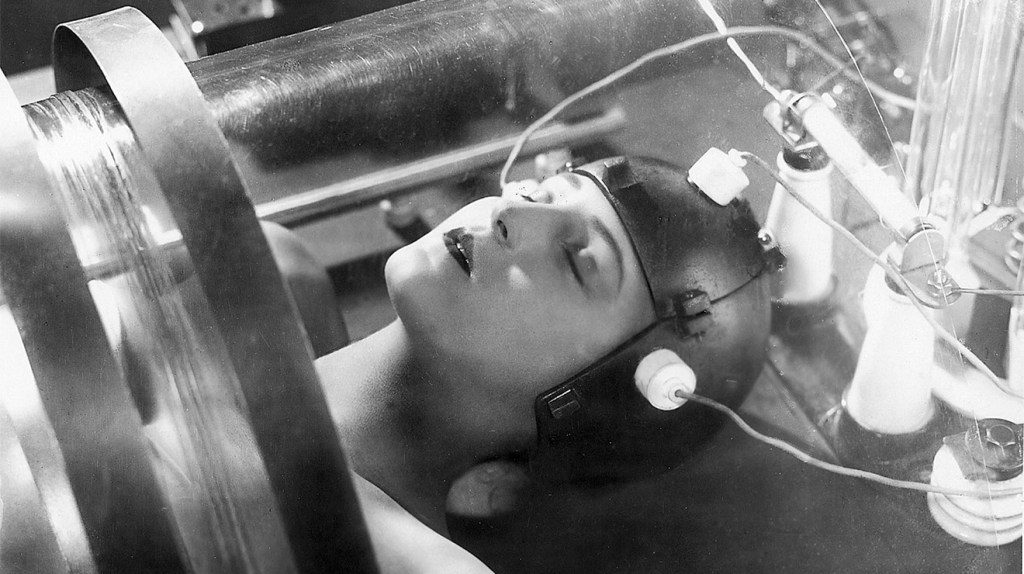
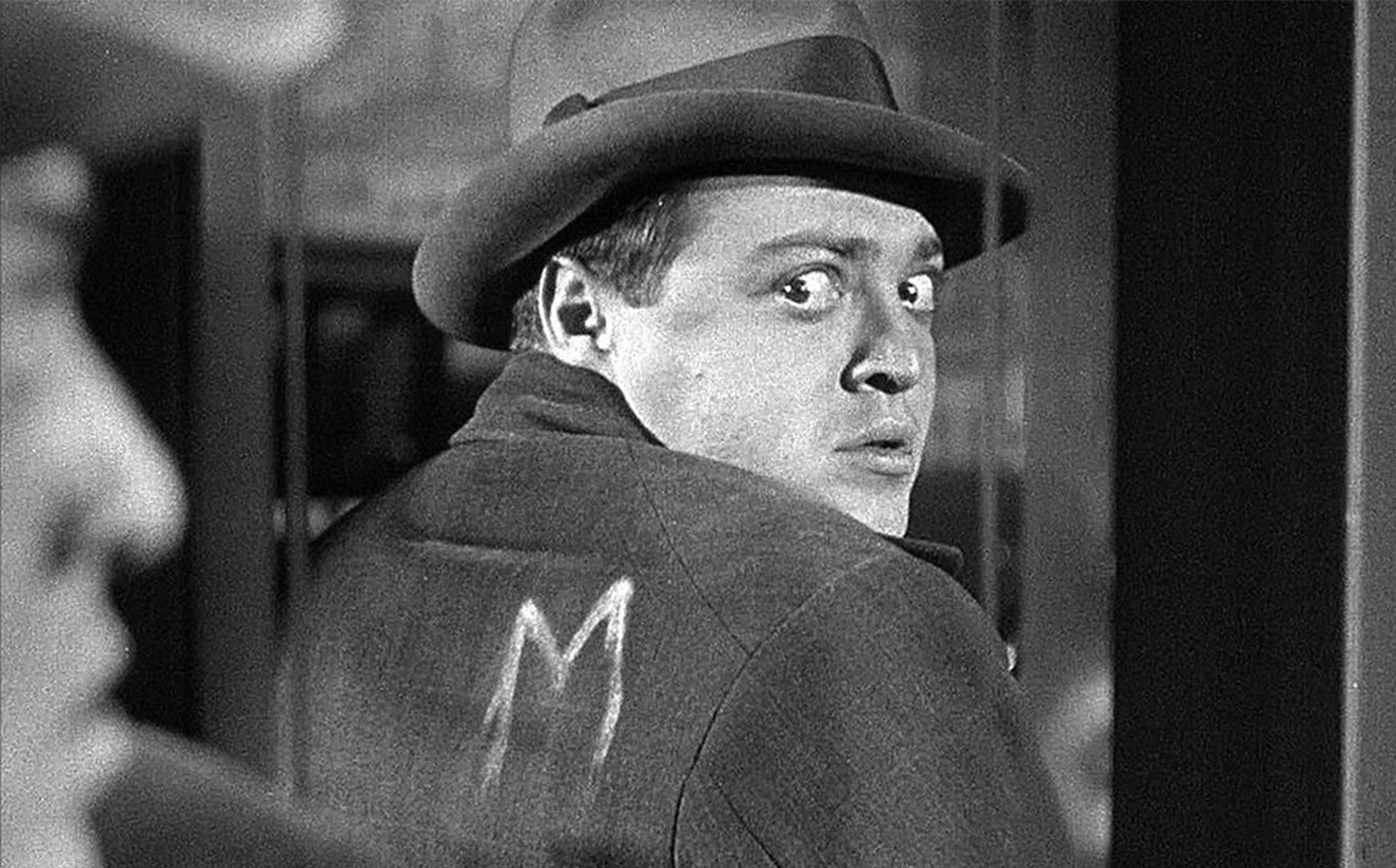
The German work is where the legend was built. Metropolis remains the template for science fiction cinema’s visual imagination in ways that haven’t really been superseded — the robot Maria, the layered city, the workers descending into the depths. M is something else entirely: a film about a child murderer that somehow makes the audience inhabit multiple impossible positions simultaneously, including an uncomfortable proximity to the killer himself. Peter Lorre’s performance is extraordinary but Lang’s construction of the film around him is what makes it work.
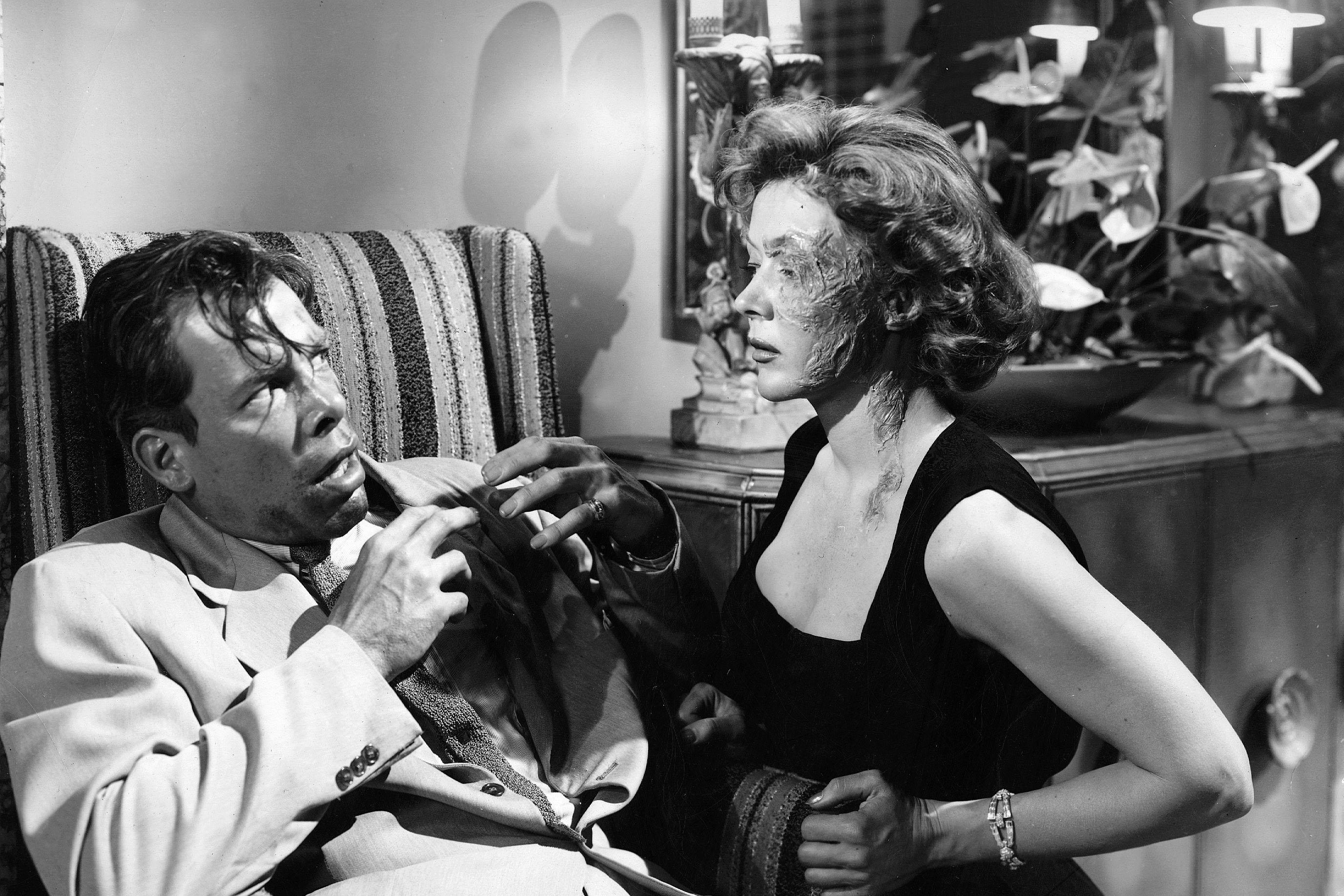
He left Germany in 1933, reportedly the day after Goebbels offered him the job of running the Nazi film industry — a story possibly embellished but not entirely out of keeping with what we know. Hollywood received him as a prestige import and he made noirs that rank among the best of the genre: The Woman in the Window, Scarlet Street, The Big Heat. The American films are tighter, less monumental, and occasionally underrated precisely because they don’t have the scale of the German work.
The influence runs everywhere — Hitchcock acknowledged it, Godard made a film with him, the whole noir tradition carries his fingerprints.
Fritz Lang (1890 – 1976)
- 1919 – The Spiders – Episode 1: The Golden Sea
- 1920 – The Spiders – Episode 2: The Diamond Ship
- 1921 – Destiny
- 1921 – Vier um die Frau
- 1922 – Dr. Mabuse, the Gambler
- 1924 – Die Nibelungen: Kriemhild’s Revenge
- 1924 – Die Nibelungen: Siegfried
- 1927 – Metropolis
- 1928 – Spione
- 1929 – Woman in the Moon
- 1931 – M
- 1933 – The Testament of Dr. Mabuse
- 1934 – Liliom
- 1936 – Fury
- 1937 – You Only Live Once
- 1938 – You and Me
- 1940 – The Return of Frank James
- 1941 – Man Hunt
- 1941 – Western Union
- 1943 – Hangmen Also Die!
- 1944 – Ministry of Fear
- 1944 – The Woman in the Window
- 1945 – Scarlet Street
- 1946 – Cloak and Dagger
- 1948 – Secret Beyond the Door…
- 1950 – American Guerrilla in the Philippines
- 1950 – House by the River
- 1952 – Clash by Night
- 1952 – Rancho Notorious
- 1953 – The Big Heat
- 1953 – The Blue Gardenia
- 1954 – Human Desire
- 1955 – Moonfleet
- 1956 – Beyond a Reasonable Doubt
- 1956 – While the City Sleeps
- 1958 – The Tiger of Eschnapur
- 1959 – The Indian Tomb
- 1960 – The 1,000 Eyes of Dr. Mabuse
- Moral Ambiguity: Lang often blurred the lines between good and evil, showing protagonists with flaws and antagonists with redeeming qualities. Films like M and The Big Heat explore the complexities of human nature.
- Fate and Determinism: Throughout his work, Lang examined the role of fate in shaping human destiny. In Destiny and M, characters grapple with inescapable futures and the constraints imposed by their environments.
- Society and Individual Conflict: Films like Metropolis depict the struggles between the individual and oppressive societal structures. Lang was critical of the ways in which society can dehumanise and control its citizens.
- Crime and Punishment: Lang delved deep into the world of crime, the motivations behind it, and the consequences of justice. M and The Testament of Dr. Mabuse show the dark underbelly of urban life and the justice system’s response.
- Technological Anxiety: In Metropolis and Woman in the Moon, Lang presents a vision of a future shaped by technological advancements, raising questions about humanity’s reliance on machines and the potential pitfalls.
- Expressionist Techniques: Influenced by German Expressionism, Lang used distorted sets, high-contrast lighting, and unique camera angles to convey internal emotional states, as seen in Metropolis.
- Complex Narratives: Lang’s films often had intricate plots with multiple layers, demanding viewer attention and engagement. The Dr. Mabuse series and The Spiders are classic examples.
- Striking Visuals: Whether it was the dystopian cityscape of Metropolis or the haunting shadows in M, Lang had an eye for creating unforgettable visuals that lingered in the audience’s memory.
- Use of Silence and Sound: In films like M, Lang innovatively used silence to create tension and then punctuated it with critical sound elements (like the whistle) to signify danger or key plot developments.
- Collaboration with Thea von Harbou: Many of Lang’s most iconic films were co-written with his then-wife, Thea von Harbou, including Metropolis and M. Their partnership significantly influenced the tone and thematic elements of his works.
- Archetypal Characters: Lang often used archetypal characters, such as the mad scientist or the innocent victim, to delve deeper into universal human experiences and societal observations.
- Attention to Detail: Lang was known for his meticulous preparation and planning. He would often storyboard every scene in his films and was known to be a perfectionist on set.
- Political Commentary: Having witnessed the rise of the Nazis in Germany, Lang’s films often contained subtle and direct criticisms of totalitarianism and the loss of individual freedom, as seen in The Testament of Dr. Mabuse.
- Atmospheric Tension: Regardless of the genre, Lang had a knack for building suspense and creating a palpable atmosphere, making even the most mundane scenes feel charged with underlying tension.
Read More About Fritz Lang
Coming soon as posts added