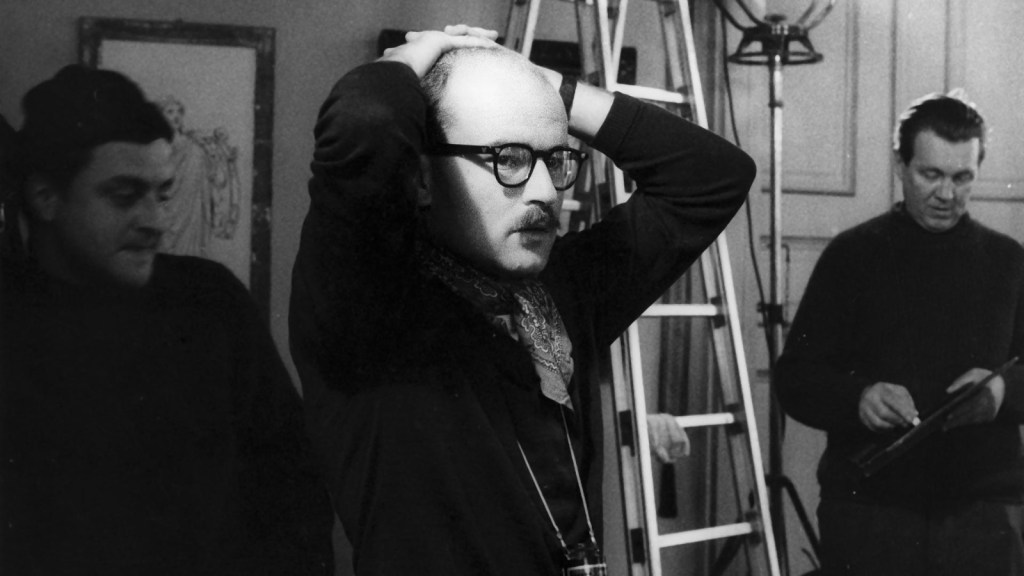
Volker Schlöndorff, a German film director, screenwriter, and producer, is renowned for his contributions to the New German Cinema movement of the late 1960s and early 1970s, alongside other luminaries like Werner Herzog and Wim Wenders. His most acclaimed work is The Tin Drum, a film adaptation of Günter Grass’s novel, which earned him an Oscar and the Palme d’Or at the 1979 Cannes Film Festival.
Schlöndorff’s career began in the early 1960s, influenced by the French New Wave, which inspired him to become an assistant director to notable filmmakers such as Louis Malle, Alain Resnais, and Jean-Pierre Melville. He quickly established himself as a director with a keen eye for literary adaptation, setting himself apart with his ability to translate the nuanced prose of German and international literature into compelling cinematic narratives. Works like ‘The Lost Honour of Katharina Blum’, co-directed with Margarethe von Trotta, and ‘Young Törless’ reflect Schlöndorff’s preoccupation with themes of authority, morality, and the individual versus societal conflict, mirroring the tumultuous socio-political climate of 20th-century Germany. His films are characterised by a critical approach to German history and a deep exploration of human psychology, often set against the backdrop of pivotal historical events.
Schlöndorff’s career is marked by a dedication to exploring complex themes and societal issues. His early film Young Törless, a provocative portrayal of a semi-military Austrian boarding school, reflected on personal responsibility and bystander complicity, earning critical acclaim and the FIPRESCI Prize at Cannes. This film is considered a significant contribution to the New German Cinema movement. Another notable work, The Lost Honour of Katharina Blum, co-written and co-directed with Margarethe von Trotta, depicted a young woman’s plight under corrupt police investigation and media sensationalism, paralleling the political hysteria in West Germany during the Red Army Faction era.
Throughout his career, Schlöndorff continued to challenge viewers with thought-provoking narratives. His films like The Circle of Deceit, exploring the moral struggles of war photographers, and Swann in Love, an adaptation of Marcel Proust’s literary work, demonstrate his versatility and willingness to tackle diverse subjects. He also ventured into English-language films, including a TV adaptation of Arthur Miller’s Death of a Salesman and the science fiction film The Handmaid’s Tale, further showcasing his ability to adapt to different cultural contexts and themes. Schlöndorff’s dedication to cinema is also evident in his efforts to preserve the historic film studios Babelsberg and his diverse filmography, including documentaries like Billy Wilder, How Did You Do It? and dramatic features such as The Ogre, revisiting themes similar to those in The Tin Drum.
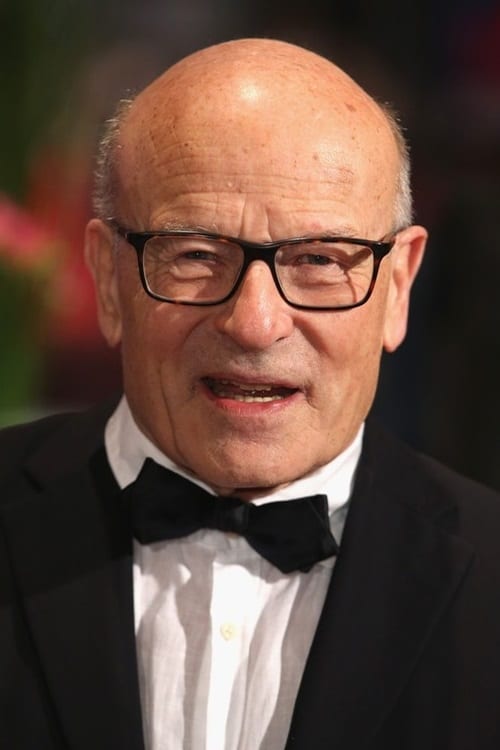
Volker Schlöndorff (1939 –)
Calculated Films:
- The Tin Drum (1979)
Similar Filmmakers
- Agnieszka Holland
- Alexander Kluge
- Andrzej Wajda
- Hans-Jurgen Syberberg
- Helma Sanders-Brahms
- Herbert Acternbusch
- Istvan Szabo
- Jean-Daniel Pollet
- Jean-Marie Straub & Danielle Huillet
- Jiri Menzel
- Krzysztof Zanussi
- Margrethe von Trotta
- Peter Gothar
- Rainer Werner Fassbinder
- Reinhard Hauff
- Roland Klick
- Werner Herzog
- Wim Wenders
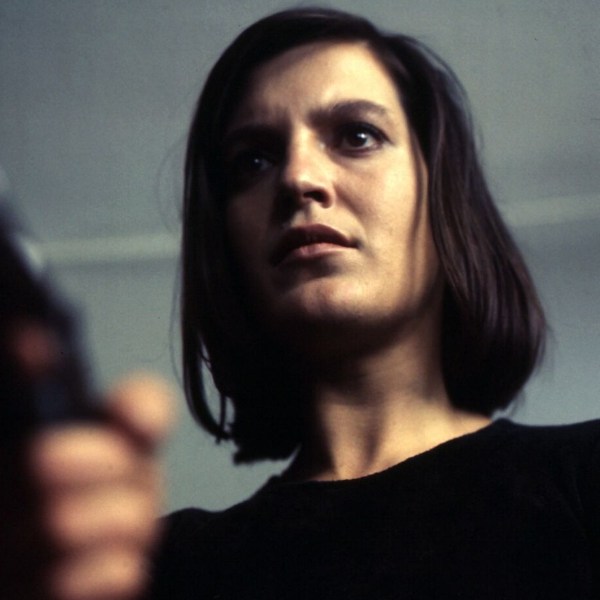

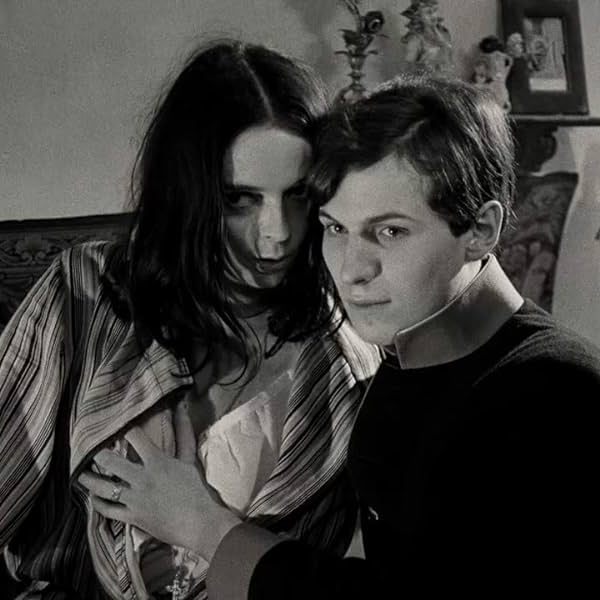
Volker Schlöndorff’s Top 5 Films Ranked
1. The Lost Honour of Katharine Blum (1975)
Genre: Drama
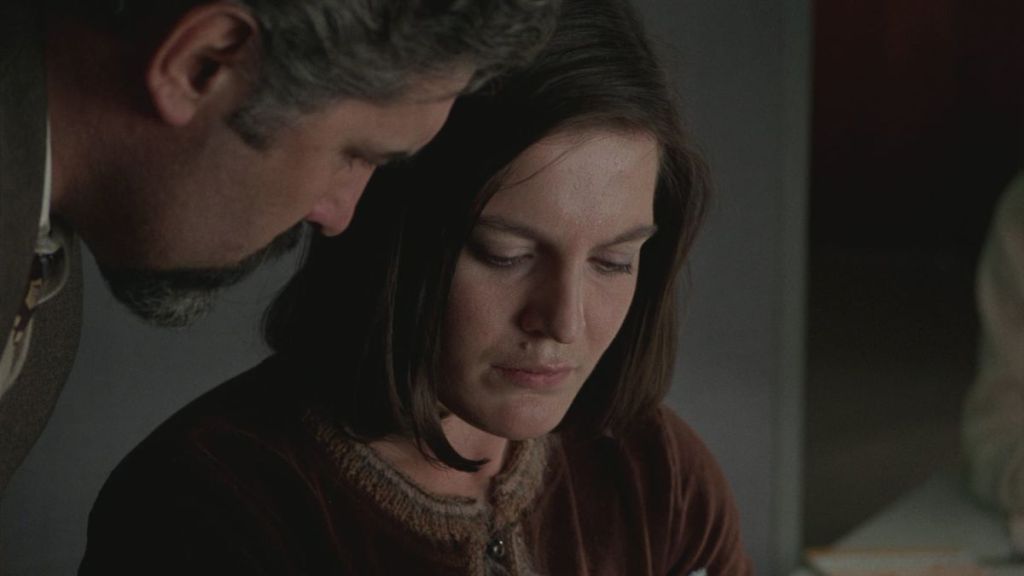
2. The Tin Drum (1979)
Genre: Drama, War, Coming-of-Age, Low Fantasy
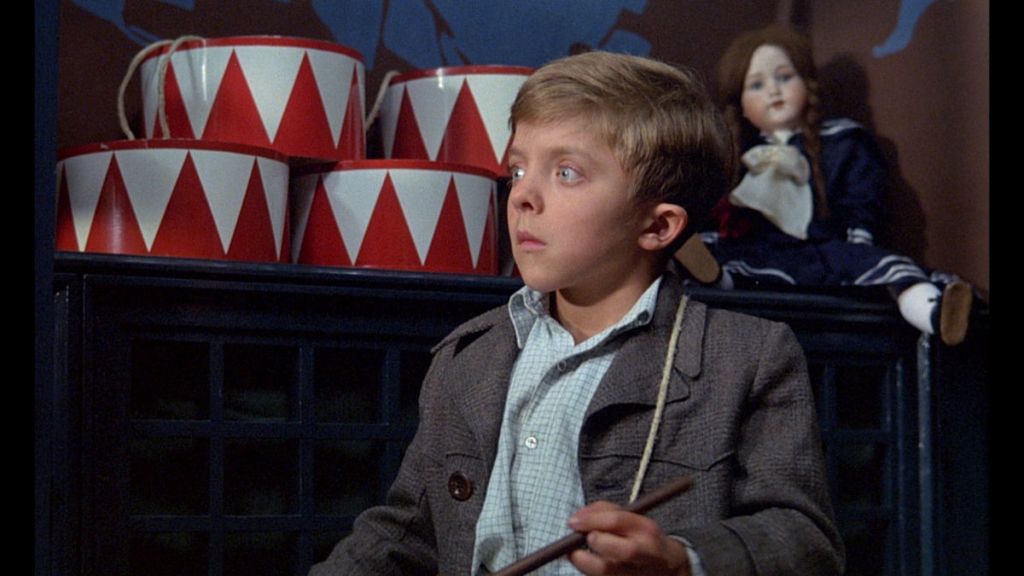
3. Diplomacy (2014)
Genre: Period Drama, War

4. The Legend of Rita (2000)
Genre: Political Drama
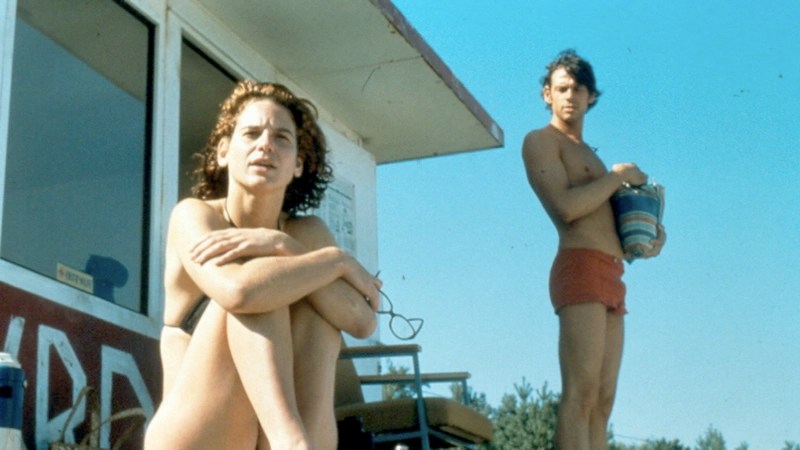
5. Young Torless (1966)
Genre: Drama, Coming-of-Age
Volker Schlöndorff: Themes and Style
Themes:
- Historical and Political Contexts: Schlöndorff frequently delves into historical and political themes, exploring the impacts of war, politics, and societal changes. The Tin Drum is a prime example, set against the backdrop of WWII and delving into the complexities of German history.
- Moral and Ethical Dilemmas: His films often confront moral and ethical issues. In The Lost Honour of Katharina Blum, for instance, he examines the conflict between personal integrity and societal pressures.
- Literary Adaptations: Schlöndorff has a penchant for adapting literary works, bringing a unique cinematic perspective to complex narratives. His adaptation of The Handmaid’s Tale, based on Margaret Atwood’s novel, showcases his skill in translating literature into film.
- Human Psychology: Exploring the depths of human psychology, his films like Swann in Love delve into the intricacies of human relationships, desires, and the complexities of the human psyche.
- Authority and Rebellion: A recurring theme is the tension between authority and individual rebellion, often set against oppressive societal structures. This is evident in Young Törless, which explores the dynamics of power and submission in a boarding school setting.
Styles:
- Realism and Detail: Schlöndorff’s style is marked by a keen attention to authenticity and historical detail. His films, such as The Tin Drum, are noted for their authentic portrayal of the periods in which they are set.
- Visual Metaphor: He often employs visual metaphors to enhance narrative depth. In The Ogre, for example, the lush cinematography and symbolic imagery complement the film’s thematic exploration of innocence and brutality.
- Collaborative Screenwriting: His process often involves collaboration in screenwriting, working closely with authors or co-writers to faithfully adapt literary works, as seen in his adaptation of Death of a Salesman.
- Complex Characterization: Schlöndorff’s films showcase complex character development, allowing for nuanced performances that bring depth to the narrative, a technique prominently displayed in The Lost Honour of Katharina Blum.
- A Blend of Genres: He comfortably navigates different genres, from drama in The Tin Drum to romantic literature adaptations like Swann in Love, showcasing his versatility as a filmmaker.
Directorial Signature:
- Literary Faithfulness: Schlöndorff is known for his faithful adaptations of literary works, often preserving the essence of the source material while adding his unique cinematic interpretation, as seen in The Tin Drum.
- Political and Social Commentary: His films frequently serve as a platform for political and social commentary, reflecting his engagement with contemporary issues and historical events, a notable aspect of The Lost Honour of Katharina Blum.
- European Co-Productions: He often engages in European co-productions, reflecting his belief in the collaborative nature of filmmaking and the importance of cross-cultural narratives, evident in projects like The Ogre.
- Narrative Complexity: Schlöndorff’s directorial approach often embraces narrative complexity, challenging viewers to engage deeply with the story and its themes, a hallmark of films like Young Törless.
- Focus on Performance: He places a strong emphasis on actor performances, often drawing out deeply emotional and nuanced portrayals, which are central to the impact of his films, as seen in his adaptation of Death of a Salesman.
Volker Schlöndorff – Great Director


 Bronze Screen Dream